
The allure of Las Vegas is undeniable. From the dazzling lights of the Strip to the world-class entertainment and unparalleled dining, it’s a city that beckons millions of visitors annually. For many, the primary draw is the chance to test their luck at the ubiquitous casino tables. Among the most intriguing and often misunderstood strategies employed by players is card counting. The question, however, that frequently surfaces is: “Is it illegal to count cards in Las Vegas?” The answer, while seemingly straightforward, delves into the nuances of casino operations, player advantage, and the legal framework governing gambling in the Silver State.
Understanding Card Counting: A Strategic Advantage
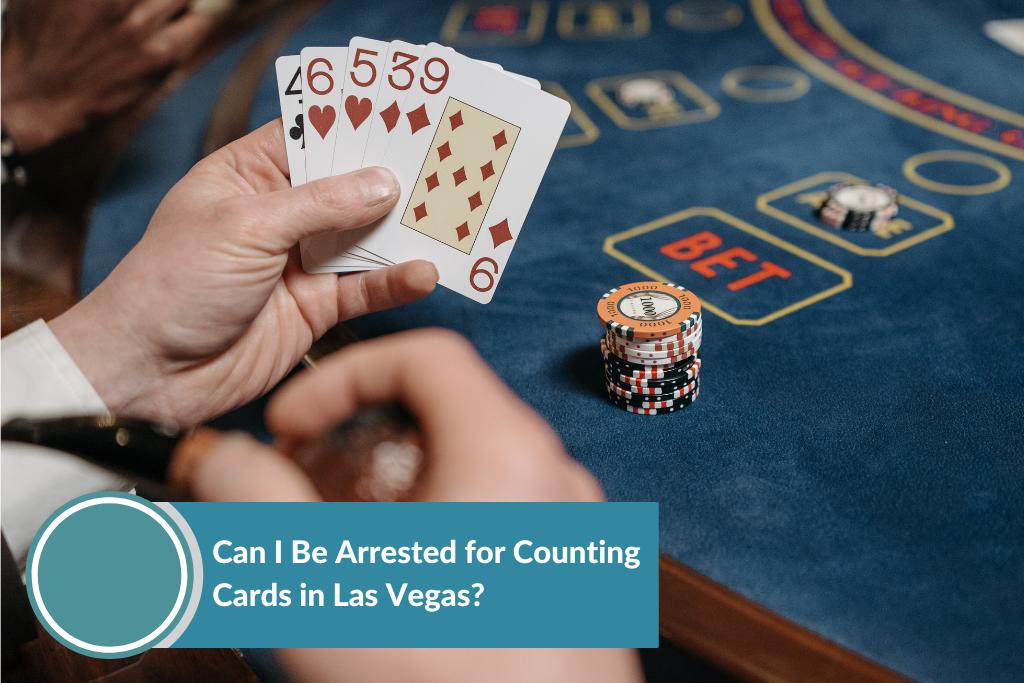
Card counting is not about cheating or manipulating the game; rather, it is a sophisticated mathematical strategy used primarily in blackjack. The fundamental principle behind card counting is that the composition of the remaining deck of cards influences the probability of future outcomes. By keeping a running tally of the cards that have been dealt, a card counter can estimate whether the remaining deck is rich in high cards (tens, face cards, aces) or low cards.
The Mechanics of the Count
A high concentration of high cards remaining in the deck is advantageous to the player for several reasons:
- Increased chance of a blackjack: A blackjack (an ace and a ten-value card) pays out at 3:2, a significant bonus.
- More favorable doubling down opportunities: Doubling down, where a player doubles their bet and receives only one more card, is more profitable when the dealer is likely to bust (exceed 21). High cards increase the likelihood of the dealer busting.
- More favorable splitting opportunities: Splitting pairs, especially tens, becomes more profitable when high cards are abundant.
Conversely, a deck rich in low cards favors the dealer, as it increases the likelihood of them busting when they are forced to draw to totals of 12-16.
A card counter adjusts their betting accordingly. When the count is positive (indicating a deck rich in high cards), they increase their bets. When the count is negative (indicating a deck rich in low cards), they decrease their bets or play minimally. They may also adjust their playing strategy based on the count, such as taking insurance when the count is significantly positive.
It is crucial to understand that card counting does not guarantee a win on every hand. It is a long-term strategy designed to shift the house edge slightly in the player’s favor, turning a small disadvantage into a small advantage over thousands of hands. The skill lies in accurately tracking the count, making the correct betting and playing adjustments, and doing so without drawing undue attention.
Legality of Card Counting in Las Vegas
The critical distinction in Nevada, and indeed in most gambling jurisdictions, is between illegal cheating and a legal advantage-playing strategy.
Cheating vs. Advantage Play
Illegal cheating involves altering the game or the equipment to gain an unfair advantage. This includes actions like:
- Marking cards
- Sleight of hand to manipulate cards or chips
- Colluding with dealers or other players
- Using hidden electronic devices
Card counting, on the other hand, involves only observing and mentally tracking the cards being played. It does not involve any manipulation of the game itself or the casino’s property. Therefore, from a legal standpoint, card counting is not considered cheating.
The Casinos’ Perspective and Legal Rights
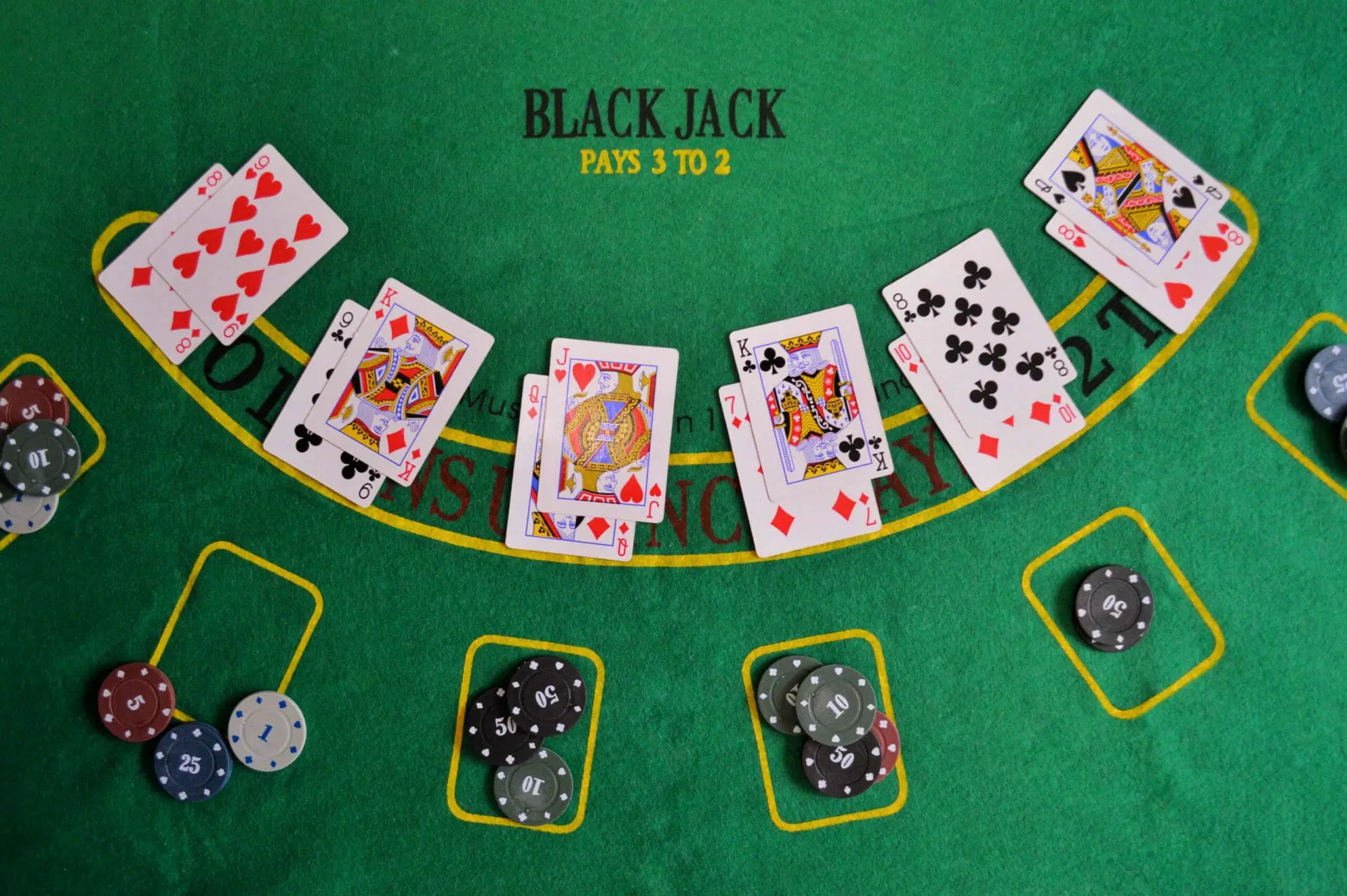
While card counting is not illegal, casinos are private businesses and have the right to refuse service to anyone they deem undesirable. This is where the “war on card counters” from the casino’s perspective comes into play. Casinos employ surveillance systems and pit bosses who are trained to identify card counters. They look for tell-tale signs such as:
- Large bet variations that correlate with no obvious change in playing strategy.
- Players who consistently bet high when the dealer has a strong upcard and low when the dealer has a weak upcard.
- Players who seem to be playing too perfectly, making optimal decisions based on the game’s rules.
If a casino suspects a player is counting cards and gaining an advantage, they can take several actions:
- Ask the player to stop playing blackjack: They might invite the player to try other games.
- “Back off” the player: This is a polite but firm request for the player to leave the blackjack table, often accompanied by a reduction in their betting limits at other games if they persist.
- Escort the player from the premises: In more severe cases, or if the player refuses to comply, they may be asked to leave the casino entirely.
- Ban the player: A player identified as a skilled and profitable card counter might be permanently banned from the casino and its affiliated properties.
These actions are not based on criminal law but on the casino’s right to protect its business interests. They are essentially exercising their right to refuse service. The key is that they cannot involve law enforcement unless the player has committed an actual crime, such as trespassing after being asked to leave.
The “Information Leak” Argument
Some argue that card counting exploits the casino by using information (the cards already played) that the casino itself is also privy to but does not actively leverage in the same way. However, the casinos’ advantage comes from the rules of the game (e.g., the dealer playing after the player, the dealer winning ties) and their ability to limit player advantages. Card counting is seen as a way to neutralize some of these inherent advantages, not to break the game’s integrity.
Navigating the Casinos: Tips for Card Counters
For those interested in employing card counting strategies in Las Vegas, discretion is paramount. The goal is to remain undetected, or at least, to avoid being identified as a threat by the casino staff.
Maintaining a Low Profile
- Blend in: Dress and act like a typical tourist. Avoid appearing overly serious or calculating at the table.
- Vary your bets: While the core of card counting is bet variation, don’t make your bet changes too drastic or obvious. A gradual increase or decrease is less likely to attract attention than a sudden jump from a minimum bet to a maximum bet.
- Don’t “over-play” the count: Even with a positive count, don’t bet more than you are comfortable losing. The goal is to maximize profit over the long term, not to win big on every shoe.
- Play multiple hands: If the count is strong, consider betting on multiple hands. This can spread your larger bets across more opportunities without making any single bet excessively large.
- Avoid tipping the dealer on large wins: While tipping is customary, doing so consistently on your largest bets might draw attention to your successful outcomes.
- Occasional “mistakes”: Some card counters will occasionally make a minor deviation from perfect basic strategy, especially when the count isn’t strongly in their favor, to appear less like a professional.
- Don’t get greedy: Know when to leave a table or a casino. If you’ve had a good run, it’s often wiser to walk away and return another day rather than pushing your luck and risking detection.
Choosing the Right Games
- Look for favorable rules: Not all blackjack games are created equal. Seek out games with rules that are more advantageous to the player, such as:
- Blackjack paying 3:2 (avoid 6:5 payouts)
- Fewer decks (e.g., single or double deck games are generally better for card counters, though harder to find and play discreetly)
- Dealer stands on soft 17
- Ability to double down on any two cards
- Ability to resplit aces
- Late surrender option
- Avoid progressive jackpot side bets: These side bets often carry a high house edge and can dilute your overall advantage.
Understanding the Technology
Casinos are increasingly sophisticated in their surveillance. Facial recognition software and advanced tracking systems are in place. While these systems are primarily designed to detect known cheaters or problematic individuals, a consistently successful card counter who makes large fluctuations in their bets can eventually be flagged by the algorithms.
The Final Verdict: Legal but Discouraged
To reiterate, counting cards in Las Vegas is not illegal. You will not be arrested or prosecuted for engaging in this mental strategy. However, casinos are within their rights to bar you from playing blackjack or from their establishment altogether if they believe you are gaining an advantage. This is the reality for card counters – a constant cat-and-mouse game with the casino security and pit bosses.
For the casual gambler, the effort and skill required to effectively count cards, coupled with the risk of being “backed off,” may not be worth the marginal advantage gained. For dedicated advantage players, however, it remains a viable, albeit challenging, way to play blackjack with a slight edge. The key is to understand the rules, hone your skills, and, most importantly, maintain an impeccable level of discretion. The lights of Las Vegas offer many forms of entertainment, and for some, mastering the game of blackjack through calculated strategy is part of that exhilarating experience.
LifeOutOfTheBox is a participant in the Amazon Services LLC Associates Program, an affiliate advertising program designed to provide a means for sites to earn advertising fees by advertising and linking to Amazon.com. Amazon, the Amazon logo, AmazonSupply, and the AmazonSupply logo are trademarks of Amazon.com, Inc. or its affiliates. As an Amazon Associate we earn affiliate commissions from qualifying purchases.