
The very mention of Las Vegas conjures images of perpetual sunshine, vibrant neon, and the dry desert heat. It’s a city synonymous with the arid landscape of the Mojave Desert, and for many visitors, the idea of rain is as foreign as a quiet night on the Las Vegas Strip. However, to assume that precipitation is non-existent in this dazzling metropolis would be a miscalculation. While infrequent and often fleeting, rain does fall in Las Vegas, and understanding its patterns can be a valuable piece of information for any traveler seeking to optimize their experience in this unique destination.

Understanding the Arid Climate
Las Vegas is characterized by a hot desert climate. This classification immediately sets the expectation for low humidity and minimal rainfall. The average annual precipitation is a mere 4.13 inches (105 mm), making it one of the driest major cities in North America. This scarcity is due to its geographic location, nestled in a basin surrounded by mountains that block moisture from reaching the region. The Mojave Desert itself is an environment that has adapted to extreme dryness, with flora and fauna that thrive in arid conditions.
Seasonal Rainfall Patterns
Despite the overall dryness, there are discernible, albeit subtle, seasonal patterns to precipitation. The majority of Las Vegas rainfall occurs during the winter months, from November through March. This is when the jet stream dips south, bringing cooler air and occasional Pacific storm systems. These storms are typically not the torrential downpours one might associate with other climates, but rather gentler, steadier rain that can persist for a few hours.
Summer, from June through September, is the driest period. Temperatures soar, and humidity remains exceptionally low. While thunderstorms are a hallmark of desert climates, they are less common and less intense in Las Vegas compared to regions further east. When they do occur, they are often the result of intense heat building up atmospheric instability, leading to brief, sometimes dramatic, but usually localized downpours.
The Monsoonal Influence
A notable, though still relatively minor, exception to the dry summer is the influence of the North American Monsoon. This phenomenon, typically active from July to September, can occasionally draw moisture from the Gulf of California northward, leading to increased chances of scattered thunderstorms. These monsoonal storms can be more intense than typical summer showers, sometimes bringing heavy rain, lightning, and even flash floods in the surrounding desert areas. While these events are still not a daily occurrence, they are the primary reason for any significant rainfall during the hottest months.
Impact on Travel and Activities
The rarity of rain in Las Vegas means that most travel plans are not significantly disrupted by precipitation. Outdoor activities can proceed largely as planned, and the city’s iconic attractions, from the Bellagio Fountains to the outdoor exhibits along the Strip, are rarely closed due to weather.
Planning for the Unexpected
While the chances of a washout are slim, it’s prudent for travelers to be prepared for the occasional shower, especially if visiting during the winter months. A light, packable umbrella or a waterproof jacket can be a useful addition to your luggage. Many of the city’s primary attractions are indoors – from the sprawling casinos and world-class restaurants to the numerous shows and entertainment venues. Therefore, even a day of rain would not significantly hinder the typical Las Vegas experience.
The Allure of a Rainy Day
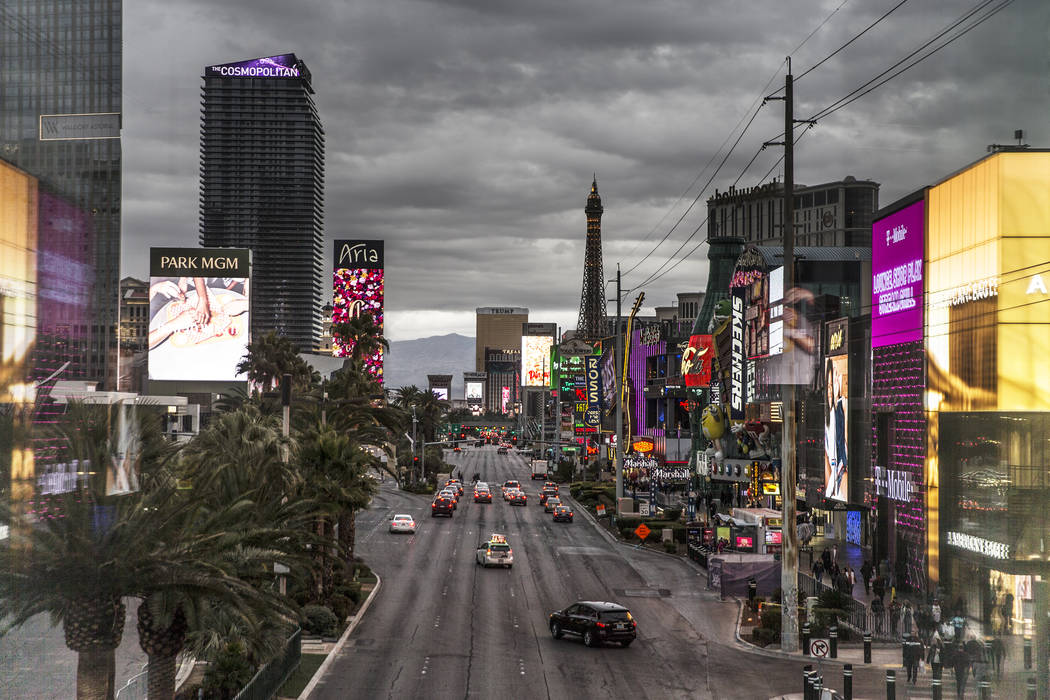
Paradoxically, the rare occurrence of rain can sometimes add a unique charm to a Las Vegas visit. The desert landscape takes on a different hue, with the parched earth momentarily quenched. For locals and seasoned visitors alike, the sight of rain can be a novel experience. It offers a brief respite from the relentless sun and can create a more intimate atmosphere within the bustling city. Some may even find it a good excuse to delve deeper into the indoor offerings, perhaps exploring museums like the Neon Museum or enjoying a leisurely afternoon at one of the many spa facilities.
Meteorological Phenomena to Watch
While the question “Is it raining in Las Vegas?” is often rhetorical, understanding the underlying weather patterns can offer a more nuanced perspective.
Thunderstorms and Lightning
Although not as prevalent as in other regions, thunderstorms do occur in Las Vegas, primarily during the summer months due to monsoonal activity. These can be characterized by dramatic lightning displays. While awe-inspiring, lightning poses a significant risk, and visitors are advised to seek shelter immediately if thunder is heard. Outdoor activities, particularly those in open desert areas or involving elevated structures, should be suspended.
Flash Floods
A direct consequence of intense, albeit brief, rainfall in the desert is the potential for flash floods. The dry, hard-packed soil of the desert cannot absorb large quantities of water quickly. When heavy rain falls, water rapidly collects and rushes through washes and canyons, creating dangerous and unpredictable torrents. Areas around Lake Mead and in the surrounding mountainous terrain are particularly susceptible. Visitors exploring these areas are strongly advised to stay informed about weather warnings and avoid dry washes or low-lying areas during and after rainfall.
Beyond the Desert Mirage: The Reality of Las Vegas Weather
The image of Las Vegas as an eternally dry, sun-drenched playground is largely accurate, but it’s an oversimplification. The city experiences weather, and while dramatic, prolonged rain is rare, it does happen.
Winter Rains and Mild Temperatures
The cooler months, from November to March, are when most of the city’s precipitation occurs. These rains are often light to moderate and accompanied by milder temperatures compared to the scorching summers. This period can be an excellent time to visit, offering comfortable conditions for exploring both indoor and outdoor attractions, with the added possibility of experiencing the city under a gentle, refreshing rain.

Summer Heat and Sporadic Showers
Summers in Las Vegas are defined by intense heat, often exceeding 100°F (38°C). While the air is typically dry, the occasional monsoonal influx can bring isolated thunderstorms. These events are usually short-lived but can be intense, leading to spectacular lightning shows and the aforementioned risk of flash floods in vulnerable areas. Even a brief shower during a summer visit is a notable event, often followed by a rapid return to sunny, hot conditions.
In conclusion, while the question of whether it’s raining in Las Vegas is rarely met with a definitive “yes,” the possibility exists. Understanding the desert climate and its subtle seasonal variations allows travelers to plan more effectively and appreciate the unique meteorological tapestry of this extraordinary destination. The absence of frequent rain is a defining characteristic, but its occasional presence offers a different, often overlooked, dimension to the Las Vegas experience.
LifeOutOfTheBox is a participant in the Amazon Services LLC Associates Program, an affiliate advertising program designed to provide a means for sites to earn advertising fees by advertising and linking to Amazon.com. Amazon, the Amazon logo, AmazonSupply, and the AmazonSupply logo are trademarks of Amazon.com, Inc. or its affiliates. As an Amazon Associate we earn affiliate commissions from qualifying purchases.