
January in Las Vegas offers a welcome respite from the sweltering summer heat that defines this iconic desert city. While many envision Nevada as a place of unrelenting sun and scorching temperatures, the beginning of the year presents a different, often more comfortable, climatic picture. Understanding the typical weather patterns for January is crucial for any traveler planning a visit, whether for a bustling Las Vegas Strip getaway, a convention, or a quieter exploration of the surrounding natural beauty. This month is characterized by cool, crisp days and chilly evenings, making it an ideal time for outdoor activities and enjoying the city’s many indoor attractions without the discomfort of extreme heat.

Daytime Temperatures and Sunshine
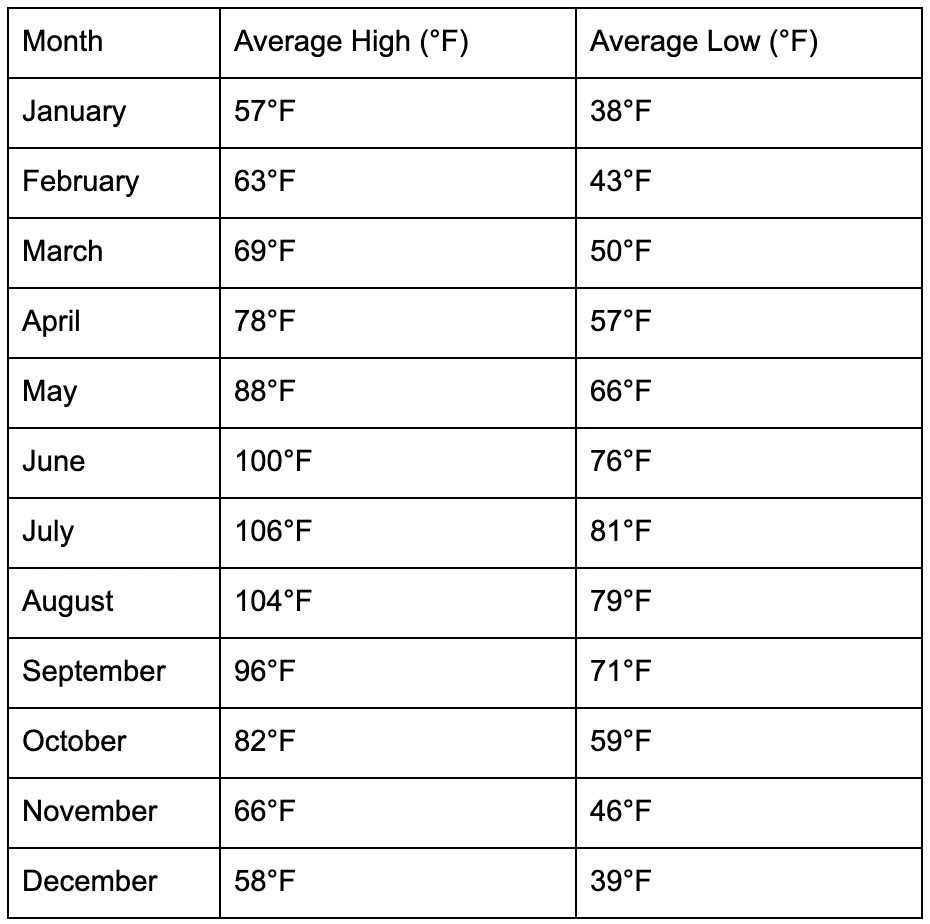
The average daily temperature in Las Vegas during January typically hovers in the mid-50s Fahrenheit (around 13 degrees Celsius). Highs can occasionally reach into the low 60s, offering surprisingly pleasant conditions for exploring the city on foot or enjoying an al fresco meal. However, it’s essential to remember that these are averages, and actual temperatures can fluctuate. Days with clear, cloudless skies can feel warmer, especially when the sun is shining directly, while overcast days might feel noticeably cooler.
Sunshine Hours and Sky Conditions
Las Vegas is renowned for its sunshine, and January is no exception, though the daylight hours are shorter than in summer. Visitors can expect an average of about seven to eight hours of sunshine per day. The skies are frequently clear or partly cloudy, contributing to the crisp and refreshing atmosphere. While snow is a rare occurrence, light dustings have been recorded in the past, usually melting quickly. The low humidity, characteristic of the desert climate, means that even cooler temperatures often feel less biting than in more humid regions. This dry air is also beneficial for those with respiratory sensitivities, though it necessitates adequate hydration.
What to Pack for Daytime
Given the daytime temperatures, packing layers is the most strategic approach. Light to medium-weight jackets or sweaters are essential. A comfortable pair of walking shoes is a must, as you’ll likely be doing a significant amount of exploring, whether it’s strolling down the Las Vegas Strip, visiting attractions like the Bellagio Conservatory & Botanical Gardens, or venturing off-Strip. Jeans, long pants, and long-sleeved shirts are suitable for most daytime activities. For those planning outdoor excursions, such as a day trip to Red Rock Canyon National Conservation Area, consider adding a scarf and gloves to your packing list, especially for early morning or late afternoon outings.
Evening Temperatures and Chilly Nights
As the sun sets in Las Vegas in January, temperatures can drop quite dramatically. The average low temperature for the month is typically in the low 40s Fahrenheit (around 5-6 degrees Celsius). It is not uncommon for temperatures to dip into the 30s Fahrenheit (below 0 degrees Celsius) during the night, especially in areas away from the city lights which can retain some residual warmth. This significant temperature swing between day and night is a hallmark of desert climates and is something visitors should be prepared for.
What to Pack for Evenings
The cool to chilly evenings necessitate warmer clothing. A heavier coat or a substantial fleece jacket will be indispensable for evenings spent enjoying the vibrant nightlife, attending shows, or dining at one of the city’s many world-class restaurants. Scarves, hats, and gloves are highly recommended, particularly for those who plan to spend extended periods outdoors after dark. Even indoor venues can sometimes have strong air conditioning, so having an extra layer accessible is always a good idea. For those venturing to outdoor attractions or simply walking between casinos, a warm hat can make a significant difference in comfort.
Nighttime Activities and Weather Considerations
Despite the cooler temperatures, Las Vegas truly comes alive at night, and the January weather does little to dampen this spirit. The dazzling lights of the Las Vegas Strip are a spectacle to behold, and the cooler evenings can actually enhance the experience of walking and exploring the themed resorts. Many of the city’s most popular attractions, from the Fremont Street Experience to the various shows and casinos, are indoors or offer heated outdoor spaces, making them comfortable no matter the temperature. When planning to attend outdoor evening events, such as certain seasonal light displays or outdoor dining experiences, ensure you are adequately dressed for the lower temperatures.
Precipitation and Humidity Levels
January is generally one of the drier months in Las Vegas, though it does fall within the region’s wettest period. The average rainfall for January is typically less than an inch, meaning that prolonged periods of rain are uncommon. When rain does occur, it is often in the form of light showers or brief downpours. Snowfall is extremely rare, and when it does happen, it is usually a light dusting that doesn’t accumulate significantly and melts within hours.
Humidity: The Desert Advantage
The humidity levels in Las Vegas remain consistently low throughout the year, including in January. Average relative humidity hovers around 30-40% during the day and can rise slightly at night. This low humidity means that the air feels dry, which can be a significant advantage. Cold temperatures often feel less severe when the air is dry, and there is less concern about sticky, uncomfortable conditions. However, this dryness can also lead to chapped lips and dry skin, so it’s advisable to pack lip balm and moisturizer.

Preparing for Potential Showers
While precipitation is not a major concern in January, it is always wise to be prepared. Bringing a compact umbrella or a lightweight, waterproof jacket is a sensible precaution. If you plan to engage in outdoor activities, such as hiking in Valley of Fire State Park or exploring the Hoover Dam, checking the forecast before you go is recommended. If unexpected rain does occur, Las Vegas offers a plethora of indoor entertainment options, including world-class museums, shopping malls like the Forum Shops at Caesars Palace, and of course, the iconic casinos and entertainment venues.
Activities and Outdoor Pursuits in January
The cooler temperatures of January make it an excellent month for engaging in activities that might be too strenuous or uncomfortable during the warmer months. The mild weather allows for more enjoyable exploration of the city’s attractions and the stunning natural landscapes that surround it.
Exploring the Las Vegas Strip and Downtown
January provides a comfortable climate for leisurely walks along the Las Vegas Strip. You can explore the themed resorts, such as The Venetian, with its canals and gondolas, or the iconic Bellagio with its famed fountains. The cooler evenings are perfect for taking in the dazzling light displays and vibrant atmosphere. Downtown Las Vegas, particularly the Fremont Street Experience, also offers a fantastic atmosphere, and the cooler temperatures make enjoying the street performers and light canopy more pleasant.
Day Trips and Natural Wonders
The cooler weather in January opens up opportunities for memorable day trips to the incredible natural landscapes surrounding Las Vegas. Hiking in Red Rock Canyon National Conservation Area becomes a much more agreeable experience, with trails offering stunning vistas of desert flora and rock formations. The vibrant colors of Valley of Fire State Park are particularly striking under the crisp winter light. A visit to the Hoover Dam, an engineering marvel straddling the border of Nevada and Arizona, is also a comfortable option in January, offering both educational and awe-inspiring perspectives. Even a visit to the serene shores of Lake Mead National Recreation Area can be enjoyed with a light jacket.
Indoor Entertainment and Events
Should the weather turn unexpectedly cool or wet, or if you simply prefer indoor pursuits, Las Vegas offers an unparalleled array of options. World-class shows, from Cirque du Soleil spectacles to headline musical performances, are abundant. The city boasts an impressive culinary scene, with restaurants ranging from celebrity chef establishments to casual eateries, perfect for escaping the chill. Art enthusiasts can explore the Neon Museum or the various galleries within the resort properties. For shoppers, the extensive retail options range from high-end boutiques to outlet malls. January can also host specific events and conventions, so checking local listings for festivals, sporting events, or special exhibitions is always recommended.
Preparing for Your January Visit
A successful trip to Las Vegas in January hinges on understanding and preparing for its unique winter climate. While it lacks the extreme heat of its summer months, its cool temperatures and distinct day-night variations require thoughtful packing and planning.
Packing Essentials Recap
To summarize, the key to comfortable dressing in Las Vegas in January is layering. Pack light to medium-weight tops and bottoms for daytime, and be sure to include a warmer jacket, scarf, hat, and gloves for the cooler evenings. Comfortable walking shoes are non-negotiable. Don’t forget essentials for dry climates like lip balm and moisturizer. A small, portable umbrella is also a prudent addition.
Booking and Accommodation Considerations
January falls within the shoulder season for tourism in Las Vegas, meaning that hotel prices can be more moderate compared to peak times, though significant conventions or major events can influence demand and pricing. Booking accommodation in advance is always advisable, especially if you have specific resort preferences, such as the MGM Grand Hotel & Casino or the Wynn Las Vegas. Consider the location of your accommodation in relation to the activities you plan to undertake. Hotels on the Las Vegas Strip offer easy access to many attractions, while properties downtown or slightly off-Strip might provide different atmospheres and potentially better value.
Staying Hydrated and Sun Protection
Even in January, the desert sun can be surprisingly strong, and the dry air can lead to dehydration. It is crucial to drink plenty of water throughout the day, even if you don’t feel particularly thirsty. Carry a reusable water bottle and refill it frequently. While heavy sunscreen might not seem necessary, applying a moderate amount to exposed skin, especially if you are spending extended time outdoors or engaging in activities like hiking, is a good practice. Sunglasses are also recommended to protect your eyes from the bright desert sun. By being mindful of these simple precautions, you can ensure a comfortable and enjoyable visit to Las Vegas in January.
LifeOutOfTheBox is a participant in the Amazon Services LLC Associates Program, an affiliate advertising program designed to provide a means for sites to earn advertising fees by advertising and linking to Amazon.com. Amazon, the Amazon logo, AmazonSupply, and the AmazonSupply logo are trademarks of Amazon.com, Inc. or its affiliates. As an Amazon Associate we earn affiliate commissions from qualifying purchases.