
The allure of The Venetian Las Vegas is undeniable, a shimmering oasis on the Las Vegas Strip that transports visitors straight to the romantic canals and architectural wonders of Venice, Italy. More than just a hotel, it stands as a testament to ambitious design and immersive theming. To truly appreciate its grandeur, understanding its construction timeline is crucial. The journey from concept to the opulent reality of The Venetian was a complex undertaking, involving meticulous planning, significant investment, and a skilled workforce dedicated to recreating a slice of Italian Renaissance charm in the heart of the American desert.
Genesis of a Venetian Dream
The vision for The Venetian Las Vegas emerged from the innovative mind of Sheldon Adelson, the visionary behind the Las Vegas Sands Corporation. Adelson, known for his groundbreaking integrated resort concepts, aimed to create a property that offered more than just gaming and accommodation; he sought to provide an unparalleled experiential destination. The inspiration was clear: the iconic city of Venice with its unique waterways, historic architecture, and vibrant cultural atmosphere.
The Planning and Acquisition Phase
The initial stages involved extensive research and planning to capture the essence of Venice authentically. This included detailed studies of Venetian architecture, art, and lifestyle. The site for the ambitious project was strategically chosen on the Las Vegas Strip, a location that promised high visibility and accessibility. The acquisition of the land and the preliminary architectural designs marked the crucial first steps. This phase was characterized by a deep dive into recreating not just the visual aesthetics but also the atmosphere and spirit of the famed Italian city. The goal was to evoke a sense of arrival in a different world, a hallmark of successful themed resorts.
Securing Funding and Approvals
Embarking on a project of this magnitude required substantial financial backing and navigating the complex regulatory landscape of Las Vegas. Adelson and his team worked diligently to secure the necessary funding and obtain all the required permits and approvals from local authorities. This process involved presenting detailed blueprints, economic projections, and environmental impact assessments, ensuring that the project met all legal and safety standards while adhering to the ambitious aesthetic vision. The financial commitment was considerable, reflecting the scale and luxury intended for the resort.
The Construction Chronicle: From Groundbreaking to Grand Opening
The actual construction of The Venetian Las Vegas was a multi-year endeavor, marked by distinct phases of development. This period saw the transformation of a vacant plot of land into a sprawling resort complex, a feat of modern engineering and design. The construction itself was a spectacle, with cranes dotting the skyline and a hive of activity.
Groundbreaking and Early Development
The official groundbreaking ceremony for The Venetian Las Vegas took place in the mid-1990s, signaling the commencement of construction. Early development focused on site preparation, excavation, and the foundational work necessary for such a massive structure. This initial phase was critical for establishing the integrity and scale of the resort. The aim was to build not just a hotel but a fully immersive environment that would replicate the grandeur of its namesake.
The Grand Construction Phase
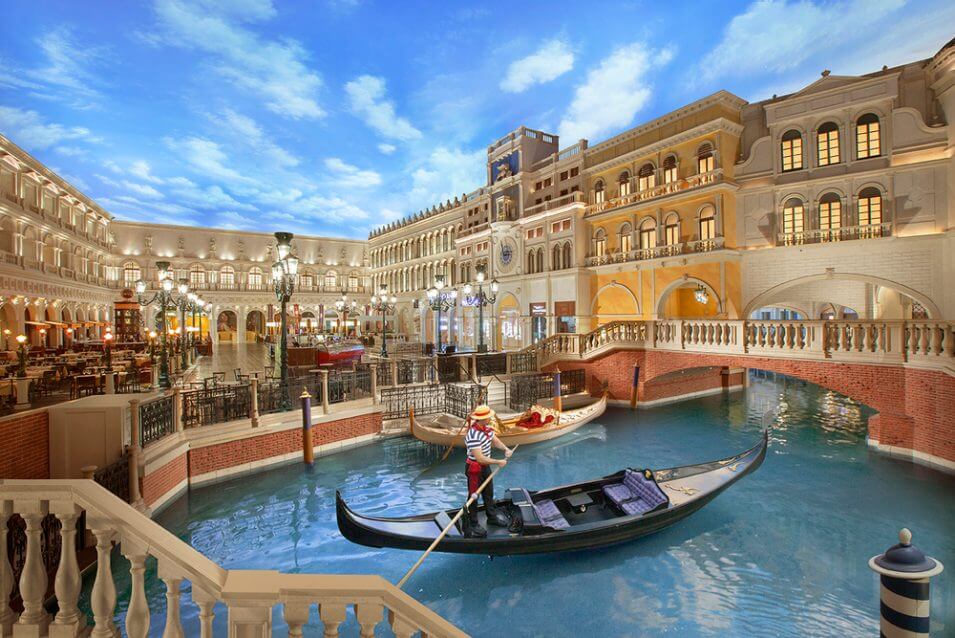
The primary construction phase involved the erection of the main hotel towers, the casino floor, the convention facilities, and the intricate Venetian-themed elements. This included the construction of the iconic Grand Canal Shoppes, complete with its indoor waterways and singing gondoliers, a challenging feat of engineering and design. Replicating the distinctive architecture of Venice, such as the Doge’s Palace and St. Mark’s Square, required immense attention to detail. Artisans and construction crews worked tirelessly to bring these iconic structures to life, using specialized materials and techniques to achieve the desired aesthetic. The scale of the project meant that thousands of workers were involved, contributing to the complex logistics of building such a vast resort.

Interior Fit-Out and Theming
Once the structural framework was in place, the focus shifted to the interior fit-out and the detailed theming that would define The Venetian. This involved everything from the elaborate frescos adorning the ceilings to the marble flooring and the ornate furnishings. The creation of the Grand Canal, including the water systems and the detailed facades of the Venetian buildings surrounding it, was a particularly complex undertaking. Replicating the colors, textures, and ambiance of Venice required extensive research and the employment of skilled craftspeople. The goal was to ensure that every element, from the smallest decorative detail to the grandest architectural feature, contributed to the immersive experience.
Completion and Opening: A New Era on the Strip
The culmination of years of planning and construction led to the much-anticipated opening of The Venetian Las Vegas, marking a significant milestone in the history of Las Vegas tourism and hospitality. The resort’s grand opening was celebrated with considerable fanfare, drawing international attention.
The Grand Opening Date
The Venetian Las Vegas officially opened its doors to the public on May 3, 1999. This date marked the realization of a bold vision and the introduction of a new standard for themed resorts on the Las Vegas Strip. The opening was a major event, showcasing the resort’s unique attractions and setting the stage for its future success.
Subsequent Expansions and Additions
The initial opening was not the end of development for The Venetian. Recognizing the immense popularity and success of the resort, further expansions were planned and executed to enhance the guest experience and broaden its offerings. The most significant of these was the construction of The Venetian’s sister property, The Palazzo, which opened in 2007. The Palazzo, while a separate hotel, is intrinsically linked to The Venetian as part of the same integrated resort complex, sharing many amenities and offering an even greater range of luxury accommodations and dining options. These subsequent developments ensured that The Venetian Las Vegas remained a cutting-edge destination, continually evolving to meet the demands of its discerning clientele. The addition of The Palazzo effectively doubled the resort’s footprint and significantly increased its capacity and appeal.
The Legacy of Venetian Construction
The construction of The Venetian Las Vegas stands as a remarkable achievement in the world of themed entertainment and resort development. It demonstrated the feasibility of creating highly immersive environments that not only attract tourists but also redefine the concept of a vacation destination.
Architectural and Engineering Innovations
The project pushed the boundaries of architectural and engineering innovation. The detailed replication of Venetian architectural styles, the sophisticated water systems for the canals, and the integration of such a massive structure into the urban fabric of Las Vegas were all testaments to the ingenuity involved. The creation of the Grand Canal Shoppes, an indoor environment designed to mimic the outdoor experience of Venice, was particularly groundbreaking. This involved complex climate control, realistic lighting, and the seamless integration of retail and entertainment spaces.

Impact on Las Vegas Tourism
The opening of The Venetian Las Vegas had a profound impact on Las Vegas tourism. It reinforced the city’s reputation as a premier destination for unique and luxurious experiences, drawing visitors from around the globe. The resort’s success encouraged further investment in themed properties and contributed to the evolution of the Strip into a collection of world-class entertainment hubs. It set a new benchmark for what a casino resort could be, moving beyond mere gambling to offer a comprehensive cultural and leisure experience. Its enduring popularity speaks to the success of its ambitious construction and its ability to capture the imagination of visitors.
LifeOutOfTheBox is a participant in the Amazon Services LLC Associates Program, an affiliate advertising program designed to provide a means for sites to earn advertising fees by advertising and linking to Amazon.com. Amazon, the Amazon logo, AmazonSupply, and the AmazonSupply logo are trademarks of Amazon.com, Inc. or its affiliates. As an Amazon Associate we earn affiliate commissions from qualifying purchases.