
The question of where exactly Tupac Shakur was shot in Las Vegas remains a point of significant interest, drawing visitors and enthusiasts to explore the locations connected to the iconic rapper’s final moments. While the tragedy itself is somber, the sites associated with it have become, in a way, unintentional landmarks within the narrative of Las Vegas history and hip-hop culture. Understanding these locations offers a tangible connection to a pivotal moment in music history, providing context for the events that unfolded on that fateful night of September 7, 1996.
The Unfolding Events: From the Ring to the Street
The events leading up to the shooting began on the evening of September 7, 1996, a night filled with the energy and excitement characteristic of Las Vegas. Tupac Shakur, along with his entourage, had attended the highly anticipated heavyweight boxing match between Mike Tyson and Bruce Seldon at the MGM Grand Garden Arena. This event, a major attraction on the Las Vegas Strip, drew a considerable crowd, including numerous celebrities and music industry figures.

Following the fight, which Tyson won decisively, Shakur and his group, including his label boss Suge Knight, were heading to a post-fight party. They departed from the MGM Grand Garden Arena and were making their way to an exclusive club. The journey from the arena was crucial, as it was during this transit that the incident occurred. The exact location of the shooting has been widely reported and discussed, becoming a point of historical reference.
The Iconic Intersection
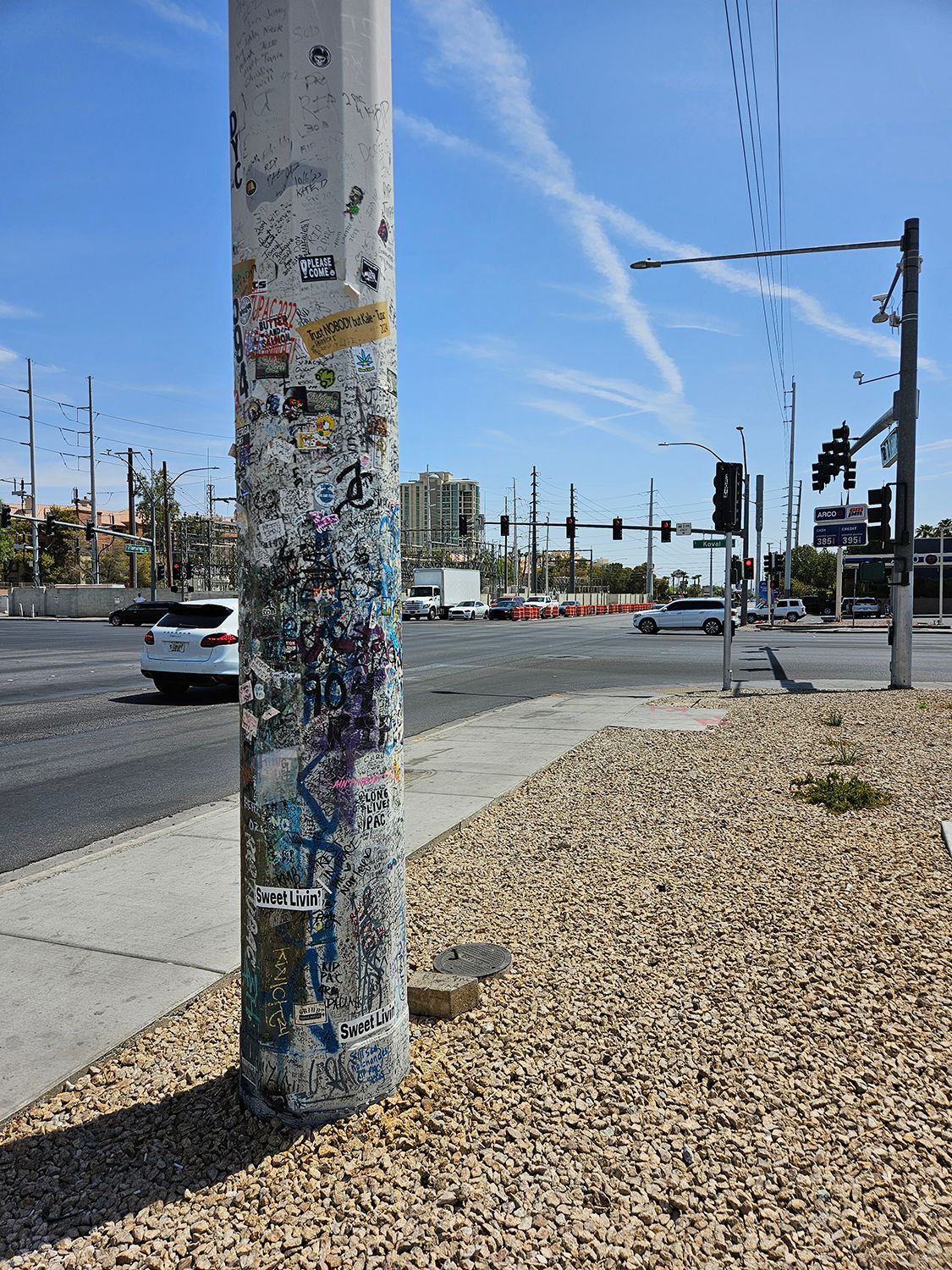
The fatal shooting of Tupac Shakur took place on the Las Vegas Strip, specifically at the intersection of East Flamingo Road and Koval Lane. This is the precise spot where the vehicle carrying Shakur and Knight was targeted by assailants in a white, four-door Cadillac. The incident happened at approximately 11:15 PM PST. The intersection, a busy thoroughfare even at that late hour, was the scene of a violent act that would forever mark this corner of Las Vegas in the annals of music and crime history.
This intersection is not an officially designated tourist attraction, but for many, it has become a site of pilgrimage. Visitors interested in the life and legacy of Tupac Shakur often make a point to visit the location, reflecting on the events that transpired. It serves as a somber reminder of the rapper’s untimely death and the ongoing questions surrounding his murder. While the physical landscape of the intersection has changed over the years, its historical significance remains potent for those who seek to understand this chapter of cultural history. The nearby hotels and casinos, such as the Flamingo Las Vegas and the Bellagio, stand as testaments to the vibrant, ever-evolving nature of the Las Vegas Strip, juxtaposing the bright lights and entertainment with the darker, more tragic moments that have also occurred within its boundaries.
The Role of Landmarks and Memory
While the intersection itself is the primary point of historical focus for the shooting, the surrounding area and the broader context of Las Vegas play a role in understanding the events. The locations where Tupac Shakur spent his final hours, including the MGM Grand Garden Arena and the route to the intended after-party, are all significant in the narrative. These sites are part of the larger tapestry of Las Vegas as a destination known for its entertainment, nightlife, and, unfortunately, its association with significant cultural events, both celebratory and tragic.

The memory of Tupac Shakur is kept alive through various tributes, music, and documentaries. For fans and those interested in the history of hip-hop, visiting the site of the shooting is a way to connect with the legacy of an artist who had a profound impact. It’s a landmark not in the traditional sense of a historical monument, but as a place where a significant cultural figure’s life was tragically cut short.
Connecting with Hip-Hop History
For enthusiasts of hip-hop culture, Las Vegas offers more than just its casinos and shows. The narrative of artists like Tupac Shakur is interwoven with the city’s fabric. While the intersection of Flamingo and Koval is the epicenter of the shooting’s physical location, understanding the context involves acknowledging the venues and routes that were part of that fateful night. The MGM Grand itself, a prominent hotel and casino, was the starting point for the events that led to the shooting.
The enduring mystique surrounding Tupac Shakur means that any location associated with him draws attention. The shooting site, therefore, serves as a point of historical inquiry for those seeking to understand the life and death of one of hip-hop’s most influential artists. It’s a stark reminder that even in a city built on illusion and entertainment, real-world tragedies can unfold, leaving indelible marks on both the landscape and collective memory. The absence of a formal memorial at the intersection highlights the complex nature of commemorating such events, leaving it to individuals to interpret and remember the significance of the location.
Visiting the Site: Considerations for Travelers
For travelers interested in the history of hip-hop and the story of Tupac Shakur, visiting the intersection of East Flamingo Road and Koval Lane in Las Vegas is a possibility. However, it’s important to approach such a visit with sensitivity and respect. This is not a typical tourist attraction with curated exhibits or guided tours. Instead, it is a public street corner, a functioning part of the city.
When visiting, one can stand at the intersection and imagine the events that transpired. The surrounding environment is a bustling part of Las Vegas, with hotels, shops, and traffic. The significance of the location lies in its historical connection to a pivotal moment in music history. It’s a place where fans can pause and reflect on Tupac Shakur’s legacy, his impact on music and culture, and the circumstances of his death.
Navigating the Area
The intersection is easily accessible by car or taxi. It is located just off the main Las Vegas Strip, making it a relatively convenient stop for those exploring the city. There are no specific markers or monuments at the site. Visitors will find themselves at a regular street intersection. The nearby businesses and hotels are part of the everyday scenery of Las Vegas, offering a contrast to the historical weight of the location.
It is advisable for visitors to be aware of their surroundings, as this is an active urban area. While the site holds a significant place in the hearts of many Tupac Shakur fans, it is crucial to maintain a respectful demeanor. The purpose of visiting such a site is often reflective, a way to connect with a piece of history and the enduring influence of an artist whose life was tragically cut short in this very location. The modern cityscape of Las Vegas continues to evolve, but this intersection remains a poignant reminder of a dark chapter in its history and the broader narrative of hip-hop.
LifeOutOfTheBox is a participant in the Amazon Services LLC Associates Program, an affiliate advertising program designed to provide a means for sites to earn advertising fees by advertising and linking to Amazon.com. Amazon, the Amazon logo, AmazonSupply, and the AmazonSupply logo are trademarks of Amazon.com, Inc. or its affiliates. As an Amazon Associate we earn affiliate commissions from qualifying purchases.