
The glittering metropolis of Las Vegas conjures images of endless entertainment, world-class dining, and opulent resorts. Yet, nestled in the heart of the arid Mojave Desert, a fundamental question arises for any visitor or observer: where does all this water come from? The survival and continued growth of this iconic tourist destination are intrinsically linked to its intricate and often strained water management systems. Understanding the origins of Las Vegas’ water is crucial to appreciating the delicate balance that sustains its vibrant tourism industry.
The Lifeline: The Colorado River and Lake Mead
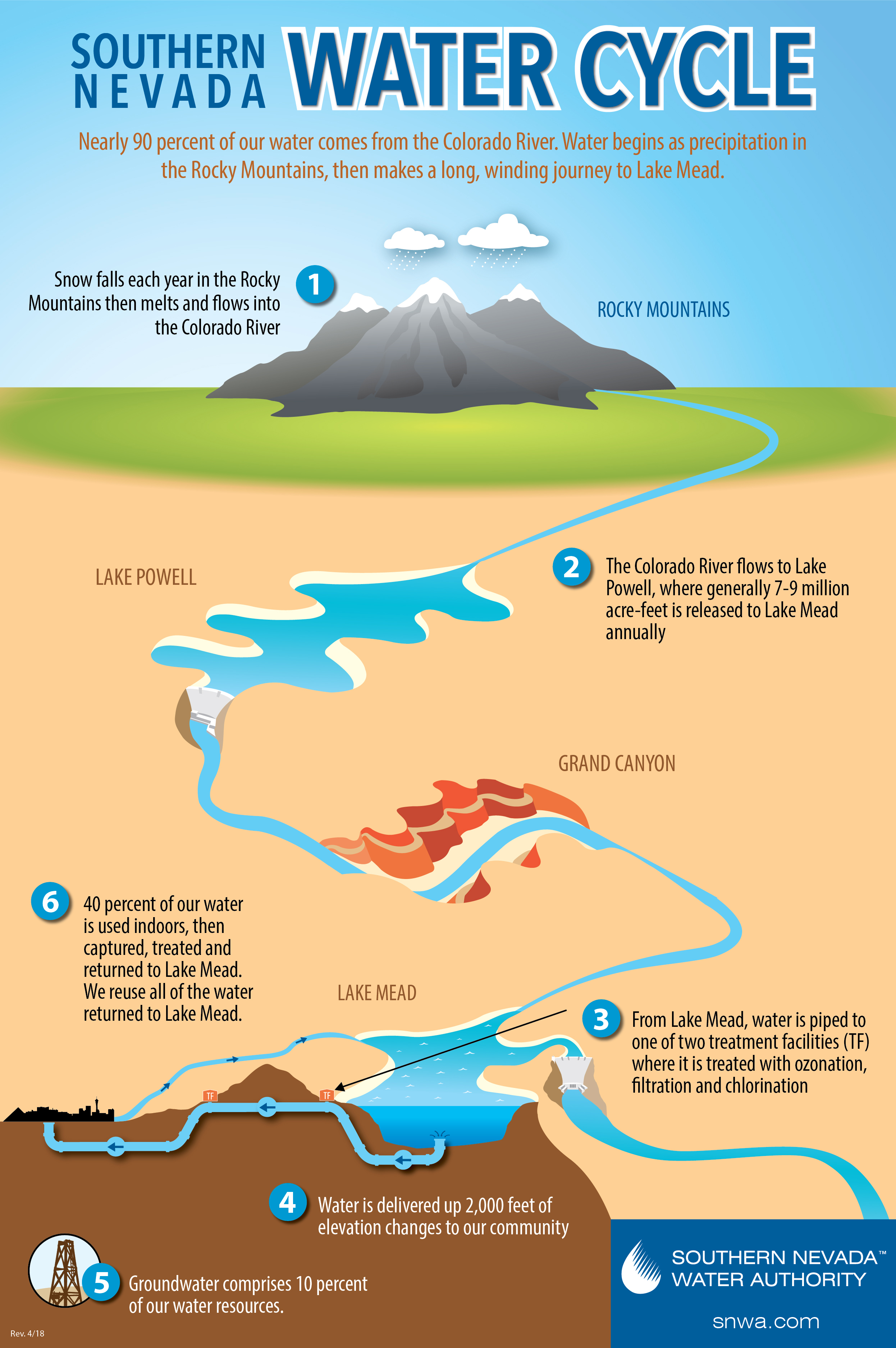
The overwhelming majority of Las Vegas’ water supply originates from the Colorado River, a vital artery for seven U.S. states and two Mexican states. This immense river system, stretching over 1,450 miles, flows from the Rocky Mountains to the Gulf of California. For Las Vegas, the critical reservoir is Lake Mead, an artificial lake created by the construction of the Hoover Dam.
From River to Tap: The Southern Nevada Water Authority
The Southern Nevada Water Authority (SNWA) is the primary entity responsible for managing the region’s water resources. It oversees the intake and treatment of water from Lake Mead and its subsequent distribution to over two million residents and millions of tourists annually.
The Intake Systems
To ensure a consistent water supply even as Lake Mead’s water levels fluctuate, the SNWA has developed sophisticated intake systems. The original intake towers, built decades ago, became increasingly vulnerable as the lake level dropped. To address this, the SNWA constructed a new, lower-level intake tunnel, known as the Lake Mead Intake No. 3. This monumental engineering feat allows Las Vegas to draw water from the deepest parts of the reservoir, ensuring a supply even during periods of severe drought. The construction of this third intake was a critical step in securing the future of the region’s water needs, demonstrating a proactive approach to managing a scarce resource.
Treatment and Distribution
Once water is drawn from Lake Mead, it undergoes a rigorous multi-stage treatment process at the Alfred Merritt Vail Memorial Water Treatment Facility. This facility employs advanced filtration and disinfection techniques to ensure that the water is safe and potable for consumption. Following treatment, the water is distributed through an extensive network of pipes and pumping stations, reaching every faucet and fountain across the Las Vegas Valley. This complex infrastructure is a testament to the engineering prowess required to sustain a city in an environment where water is a precious commodity.
Conservation: A Necessity for Survival
Given its desert location and reliance on a shared, often over-allocated resource, water conservation is not merely a suggestion in Las Vegas; it is a fundamental necessity. The SNWA has implemented a comprehensive and aggressive water conservation program that has become a model for other arid regions. These efforts are vital for maintaining the viability of tourism in the face of increasing water scarcity.
The “100% Reclaimed Water” Initiative
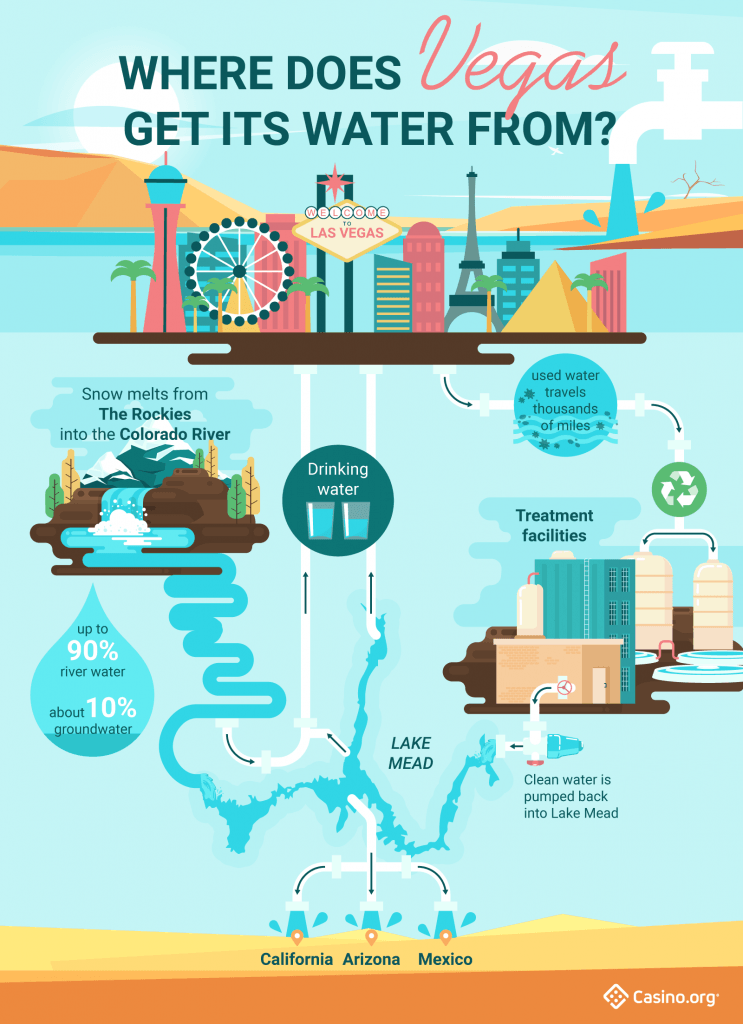
One of the most innovative aspects of Las Vegas’ water management is its extensive use of reclaimed water. Water that is used in homes, hotels, and businesses is treated and recycled, then reused for non-potable purposes. This significantly reduces the demand on the fresh water supply from Lake Mead.
Reducing Outdoor Water Use
Outdoor landscaping, particularly the vast expanses of turf found in many resorts and public spaces, traditionally consumes a significant amount of water. Las Vegas has implemented strict regulations on outdoor watering, phasing out the use of thirsty ornamental grass in favor of drought-tolerant native plants and artificial turf. Many iconic casinos and hotels on the Las Vegas Strip have undertaken massive landscaping conversions, replacing thousands of square feet of grass with desert-friendly flora. This not only conserves water but also enhances the unique aesthetic of the region.
Indoor Conservation Efforts
Conservation extends to indoor water use as well. The SNWA has provided rebates and incentives for residents and businesses to install low-flow fixtures, such as toilets and showerheads. Hotels have been at the forefront of implementing these measures, recognizing that reducing water consumption directly impacts their operational costs and aligns with their sustainability goals. Many have also introduced guest programs that encourage water-saving practices, such as opting out of daily linen changes.
Challenges and Future Outlook
Despite the impressive conservation efforts, Las Vegas faces ongoing challenges in securing its water future. The long-term sustainability of the Colorado River system is a growing concern, with prolonged drought conditions impacting water levels across the basin.
Drought and Declining Lake Levels
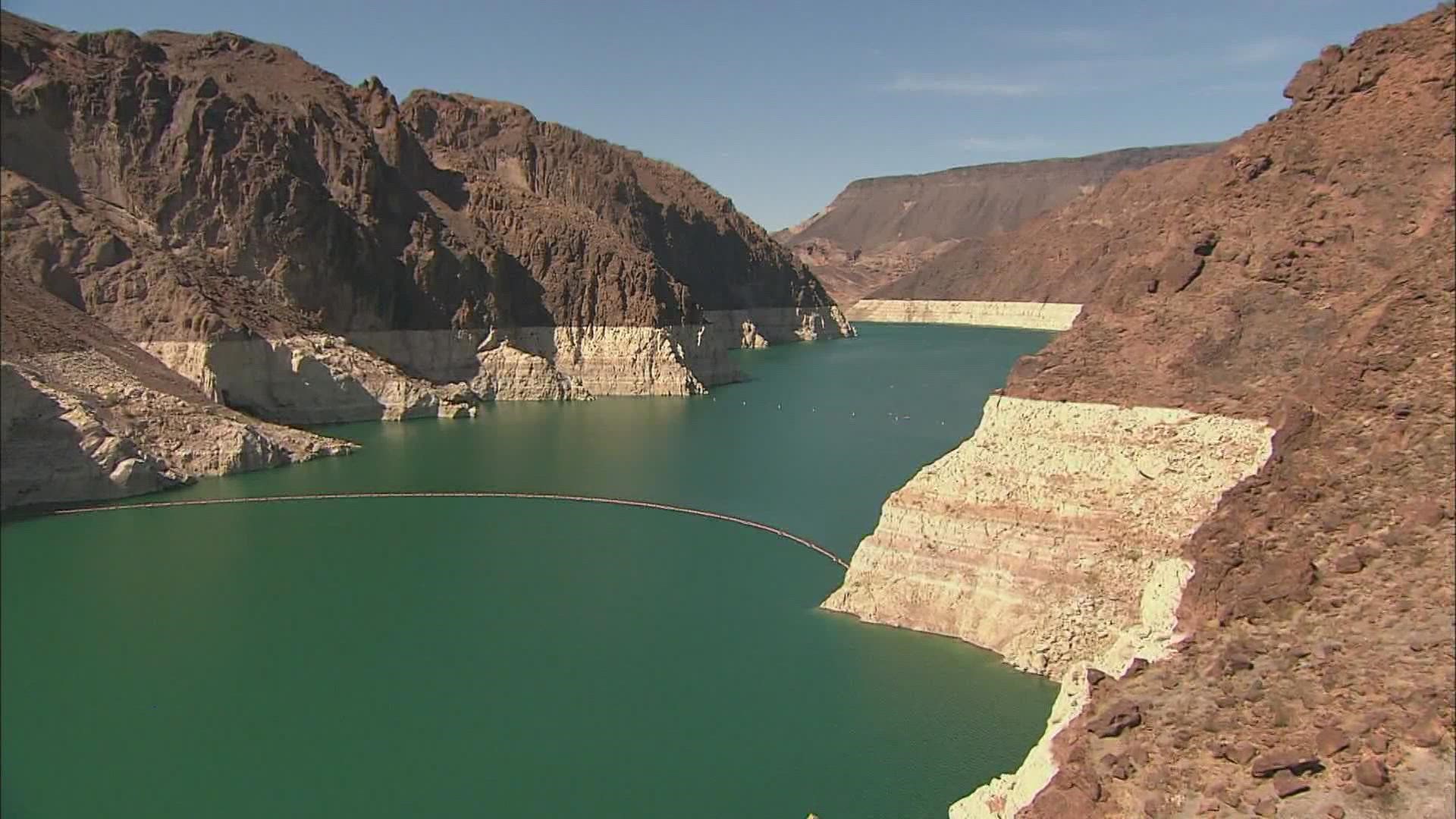
The historic drought that has gripped the Western United States for the past two decades has led to unprecedented declines in the water levels of Lake Mead and Lake Powell. As the primary reservoir for the region, the dwindling levels of Lake Mead pose a significant threat to Las Vegas’ water supply. The SNWA closely monitors these levels and collaborates with other states and the federal government to manage the river system equitably.
Diversification of Water Sources
While the Colorado River remains the cornerstone of Las Vegas’ water supply, the SNWA is actively exploring and developing alternative water sources. This includes further enhancing its water recycling capabilities and investigating potential groundwater sources, though these are significantly more limited in the region. The goal is to create a more resilient and diversified water portfolio that can withstand future environmental and economic pressures.
Innovation and Public Awareness
The continued success of Las Vegas as a tourist destination hinges on its ability to manage its water resources effectively. This requires ongoing innovation in water technology and a sustained commitment to public awareness campaigns. Educating visitors about the importance of water conservation, even for a city built on extravagance, is crucial. From the dazzling lights of the Strip to the intricate workings of its water systems, Las Vegas offers a compelling case study in how human ingenuity and determination can sustain life and prosperity in the most challenging of environments. The question of where Las Vegas gets its water is not just a matter of geography; it is a testament to a remarkable feat of engineering, a commitment to conservation, and a constant negotiation with the forces of nature.
LifeOutOfTheBox is a participant in the Amazon Services LLC Associates Program, an affiliate advertising program designed to provide a means for sites to earn advertising fees by advertising and linking to Amazon.com. Amazon, the Amazon logo, AmazonSupply, and the AmazonSupply logo are trademarks of Amazon.com, Inc. or its affiliates. As an Amazon Associate we earn affiliate commissions from qualifying purchases.