
Las Vegas, a city synonymous with glittering lights, iconic casinos, and non-stop entertainment, often evokes images of modern marvels like the Bellagio or the sprawling Caesars Palace. Yet, beneath the veneer of the Las Vegas Strip, lies a richer, more historical narrative – the story of “Old Las Vegas.” This isn’t a single, static location, but rather a tapestry woven from distinct eras and neighborhoods, each contributing to the city’s unique heritage. To truly understand where “Old Las Vegas” resides, one must journey beyond the current tourist hotspots and explore the foundational elements that shaped this desert oasis.

Downtown: The Birthplace of Vegas
The genesis of Las Vegas is inextricably linked to its downtown core. Long before the mega-resorts of the Strip dominated the skyline, Downtown Las Vegas was the vibrant heart of the city. This area, officially known as Downtown Las Vegas, continues to be a crucial repository of the city’s historical identity.
Fremont Street Experience
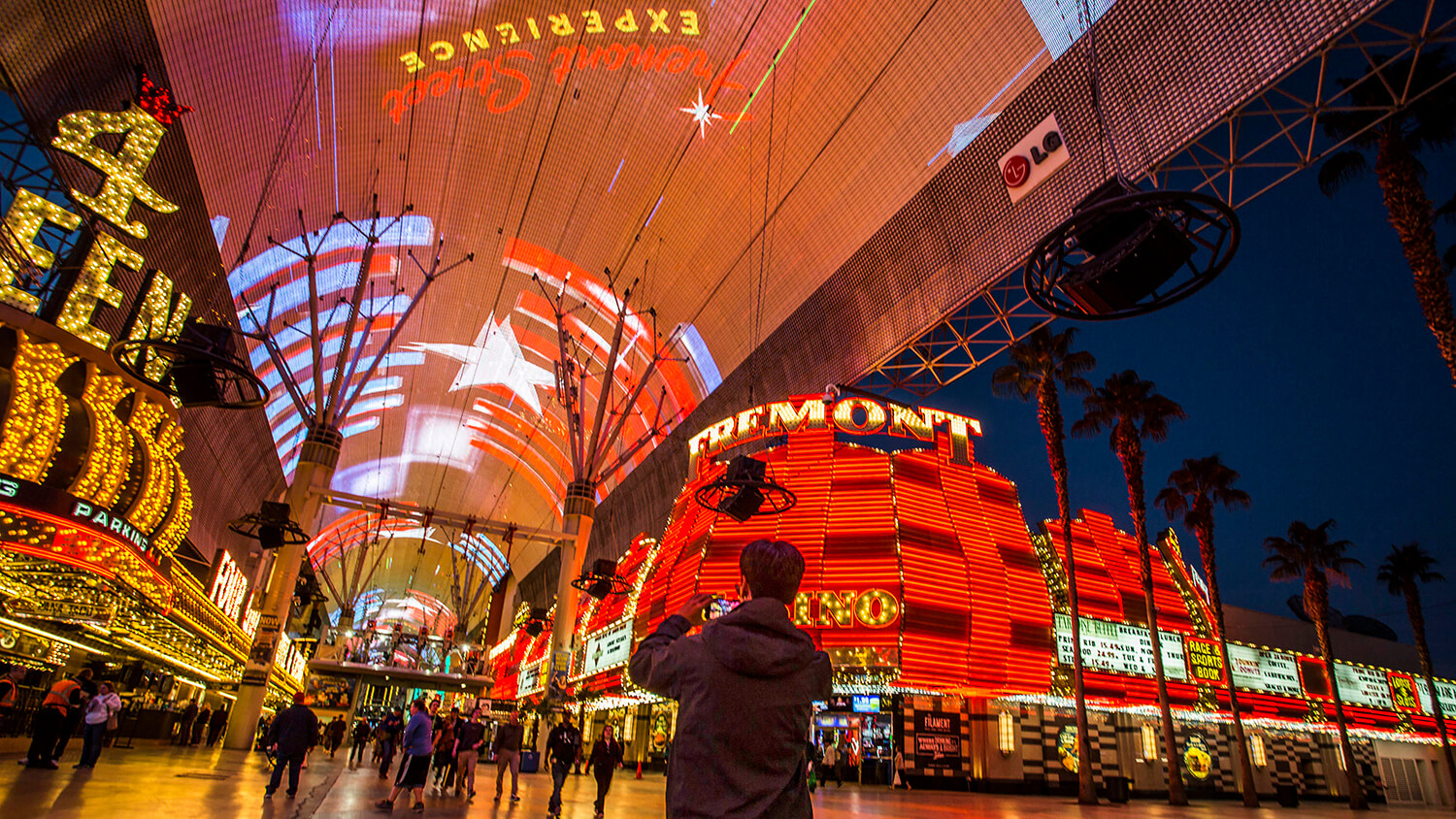
The most tangible manifestation of this older era is the Fremont Street Experience. While it has undergone numerous renovations and upgrades, its roots are undeniably historical. This pedestrian mall covers a five-block section of Fremont Street, the original main street of Las Vegas. Here, you can still find some of the city’s earliest and most iconic casinos, such as the Golden Nugget and Binion’s Horseshoe (though the latter has undergone significant changes).
These establishments, with their classic neon signs and somewhat more intimate scale compared to their Strip counterparts, offer a glimpse into the gambling culture of mid-20th century America. The architecture often reflects a bygone era, with mid-century modern designs interspersed with older structures. The SlotZilla zipline, while a modern attraction, soars above a street that once buzzed with the likes of Frank Sinatra and the Rat Pack performing in its legendary showrooms. The Viva Vision light show, a canopy of LEDs displaying dazzling visuals, is a contemporary overlay, but the spirit of innovation and entertainment that defined early Las Vegas is palpable here.
Historic Casinos and Landmarks
Beyond the immediate Fremont Street canopy, the surrounding downtown area holds further historical significance. The Mob Museum, housed in the historic former Post Office and Federal Courthouse, delves deep into the city’s often-shadowy past, exploring the role of organized crime in its development. Its very location in a building that once served the burgeoning city underscores the historical context.
Other notable landmarks include the El Cortez Hotel, which claims to be the oldest operating hotel in Las Vegas, having opened its doors in 1941. Its vintage charm and less ostentatious atmosphere stand in stark contrast to the themed mega-resorts of today. Walking through downtown, one can still encounter older architectural styles, the remnants of a period when Las Vegas was a burgeoning frontier town, a stopover on the way to California, and later, a hub for legal gambling and divorce.
The East Vegas Connection: A Different Kind of Old Town
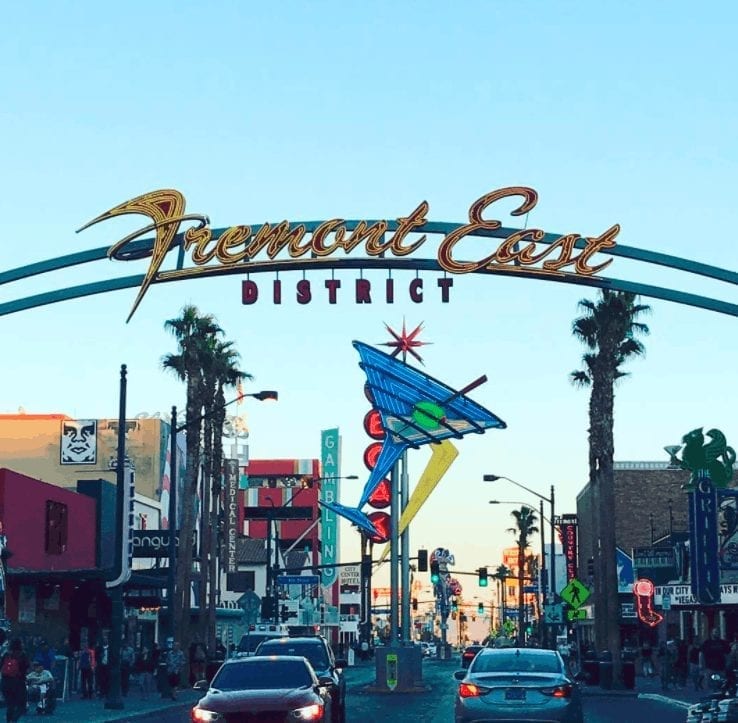
While Downtown represents the formal “old town” of casinos and civic life, “Old Las Vegas” also encompasses a distinct cultural and historical identity found in what is broadly termed East Las Vegas. This area, less polished and more representative of the city’s working-class roots, offers a different perspective on its past.
The Arts District and Its Heritage
The Arts District, also known as 18b, is a prime example. While now celebrated for its vibrant arts scene, murals, and independent galleries, this district was historically home to a more diverse population and a grittier, less glamorous side of Las Vegas. Many of the buildings here were constructed during the mid-20th century and have retained their original character.
Exploring the Arts District reveals not just contemporary art but also the historical layers of the city. Vintage signage, classic diners, and older residential neighborhoods surrounding the gallery spaces speak to the lives of the people who built and sustained Las Vegas beyond the casino floors. This area provides an authentic feel of what everyday life was like in Las Vegas during its formative decades, offering a counterpoint to the manufactured fantasy of the Strip.
The Legacy of Neighborhoods
“Old Las Vegas” isn’t confined to specific commercial districts. It’s also present in the older residential neighborhoods that sprung up as the city grew. Areas developed in the 1940s, 50s, and 60s, particularly those that housed the workers supporting the burgeoning casino industry, contribute to this historical narrative. These neighborhoods often feature mid-century ranch-style homes, mature landscaping, and a sense of established community that is distinct from newer developments.
While not always marked by grand landmarks, these areas embody a quieter, more domestic side of Las Vegas history. They are where families lived, where communities were formed, and where the daily rhythm of life unfolded, providing the human element to the grander narrative of casino empires. Recognizing these neighborhoods as part of “Old Las Vegas” acknowledges that the city’s history is not just about its famous attractions but also about the people who called it home.
The Evolution of “Old Vegas”
The concept of “Old Las Vegas” is dynamic, evolving with the city itself. What was once the cutting edge has, over time, become the historical core. Understanding this evolution is key to appreciating where this older spirit resides.
From Frontier Town to Entertainment Capital
In its earliest days, Las Vegas was a railroad town and a watering hole for travelers crossing the Mojave Desert. Its initial establishment in the early 20th century was driven by practical necessity. The construction of the Hoover Dam in the 1930s brought a significant influx of workers and further spurred development, leading to the first casinos catering to these laborers.
The post-World War II era saw the rise of the mega-resort and the establishment of Las Vegas as a premier entertainment destination. This period, often associated with figures like Howard Hughes and the aforementioned Rat Pack, is what many people envision when they think of a romanticized “Old Vegas.” Many of the buildings and the overall vibe of downtown still echo this golden age.
The Strip vs. Downtown: A Diverging Path
The creation and subsequent expansion of the Las Vegas Strip, beginning with resorts like the Flamingo in the 1940s and growing exponentially in the following decades, gradually shifted the city’s focus. The Strip became the symbol of modern, high-stakes gambling and extravagant entertainment, drawing a new generation of tourists and investors.
This divergence led to a unique situation where the original downtown core, while still a vital part of the city, became associated with a more nostalgic, perhaps even retro, appeal. The term “Old Las Vegas” often refers to the ambiance, the architecture, and the historical significance embodied by downtown and its surrounding older neighborhoods, in contrast to the ever-evolving, futuristic landscape of the Strip.
Preserving the Legacy
The preservation of “Old Las Vegas” is an ongoing endeavor. Efforts are made to maintain the historical integrity of downtown while also encouraging new development that respects its heritage.
Revitalization Projects and Heritage Tourism
Initiatives like the Fremont Street Experience represent a conscious effort to capitalize on the historical allure of downtown. By modernizing amenities while retaining the core elements of the historic casinos and neon signage, these projects aim to draw tourists interested in the city’s past. Heritage tourism is becoming an increasingly important aspect of Las Vegas’s appeal, offering an alternative to the typical resort experience.
Museums like the Mob Museum and efforts to restore or protect older buildings play a crucial role in keeping the narrative of “Old Las Vegas” alive. These institutions serve as custodians of the city’s memory, educating visitors and residents alike about the foundational elements that shaped this unique American city.
Experiencing Old Las Vegas Today
To experience “Old Las Vegas,” one must visit Downtown Las Vegas and explore its historic casinos, museums, and the Arts District. Beyond these areas, a drive through older residential neighborhoods can offer a more intimate understanding of the city’s past. While the glittering towers of the Strip represent the present and future of Las Vegas, the soul of “Old Las Vegas” continues to reside in the enduring spirit of its original heart.
LifeOutOfTheBox is a participant in the Amazon Services LLC Associates Program, an affiliate advertising program designed to provide a means for sites to earn advertising fees by advertising and linking to Amazon.com. Amazon, the Amazon logo, AmazonSupply, and the AmazonSupply logo are trademarks of Amazon.com, Inc. or its affiliates. As an Amazon Associate we earn affiliate commissions from qualifying purchases.