
The vibrant and iconic Flamingo Las Vegas stands as a timeless symbol of the Las Vegas Strip, its neon glow a beacon for travelers seeking entertainment and a taste of classic Hollywood glamour. But behind the glittering facade and the history etched into its very foundations, a question often arises for curious visitors and industry observers alike: who actually owns this legendary establishment? Understanding the ownership of a major Las Vegas resort like the Flamingo is more than just a trivia pursuit; it offers a glimpse into the complex world of casino operations, corporate structures, and the ever-evolving landscape of the entertainment industry.
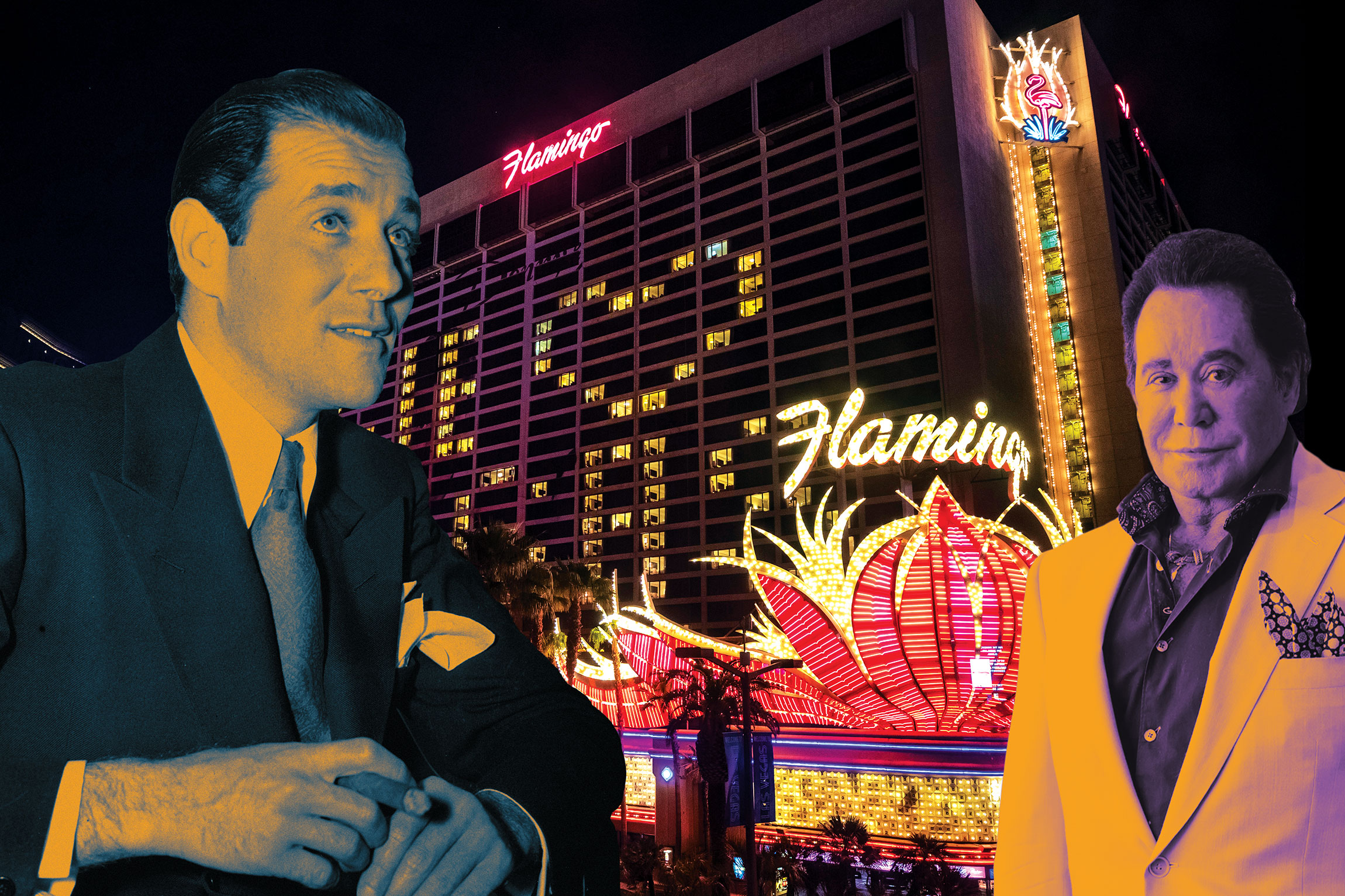
The Evolution of Ownership: From Bugsy Siegel to Corporate Giants
The story of the Flamingo’s ownership is deeply intertwined with the very genesis of modern Las Vegas. Its origins trace back to the ambitious vision of one of the most notorious figures in American organized crime history, Benjamin “Bugsy” Siegel.
Bugsy Siegel’s Vision and the Birth of the Flamingo
In the early 1940s, Siegel, a mobster with a keen eye for opportunity, envisioned a luxurious resort that would cater to a sophisticated clientele, setting it apart from the more rudimentary gambling halls of the time. He sought to create an oasis of glamour and entertainment, a stark contrast to the desert surroundings. The project, named after his rumored girlfriend Virginia Hill, affectionately nicknamed “The Flamingo” due to her long legs, was financed, in part, by other prominent mob figures.
Construction began in 1945, and the Flamingo officially opened its doors on December 26, 1946. It was an instant sensation, boasting opulent decor, fine dining, and a high-stakes gambling floor. However, Siegel’s reign was short-lived. He was murdered less than six months after the grand opening, and control of the Flamingo, along with other mob-controlled properties, began to shift hands.
Mob Control and the Rise of Corporate Influence
Following Siegel’s death, the Flamingo, like many other Las Vegas casinos, fell under the direct or indirect control of various organized crime families for a period. This era, while contributing to the mystique of Las Vegas, also saw periods of instability and intense scrutiny from law enforcement.
The tide began to turn in the latter half of the 20th century with the increasing regulation of the gaming industry and the growing presence of publicly traded corporations eager to invest in the burgeoning Las Vegas market. These corporations brought a different approach, focusing on professional management, sophisticated marketing, and financial transparency. This marked a significant shift from the often clandestine operations of the mob era.
The Current Ownership Landscape: Caesars Entertainment
Today, the ownership of the Flamingo Las Vegas is firmly within the purview of one of the largest and most influential hospitality and gaming companies in the world: Caesars Entertainment, Inc..
Caesars Entertainment: A Gaming Powerhouse
Caesars Entertainment, formerly known as Eldorado Resorts prior to its significant merger, is a Fortune 500 company that owns and operates a vast portfolio of casino resorts, hotels, and entertainment venues across the United States and internationally. Its acquisition history is a testament to its aggressive growth strategy and its deep roots in the Las Vegas Strip.
The company’s journey to owning the Flamingo involves a series of strategic mergers and acquisitions. While the precise timeline of how each property within its current vast portfolio came under its umbrella is complex, Caesars Entertainment has been a dominant force in Las Vegas for decades. They are known for operating many of the Strip’s most recognizable properties, offering a wide range of experiences from luxurious resorts to more accessible entertainment destinations.
The Flamingo within the Caesars Portfolio

Within the expansive Caesars Entertainment portfolio, the Flamingo Las Vegas occupies a unique position. It is one of the older, historic properties on the Strip, retaining much of its original charm and character while also undergoing numerous renovations and modernizations to keep pace with contemporary traveler expectations. It serves as a crucial component of Caesars’ broader strategy to cater to a diverse range of customers.
The Flamingo is often categorized as a mid-tier resort within the Caesars network, offering a balance of entertainment, dining, and lodging at a competitive price point compared to some of its ultra-luxury neighbors. This positioning allows Caesars to capture a broader segment of the Las Vegas visitor market, from budget-conscious travelers to those seeking a lively atmosphere and classic Vegas experience without the exorbitant price tag of some of the more exclusive properties.
Operational Management and Brand Identity
While the question of ownership is centered on the corporate entity, the day-to-day operations and the distinct brand identity of the Flamingo Las Vegas are managed by Caesars Entertainment’s dedicated resort management teams.
Maintaining the Flamingo’s Iconic Status
Caesars Entertainment invests significantly in maintaining and enhancing its properties, and the Flamingo is no exception. The company’s operational philosophy often involves a delicate balance: preserving the historic essence that makes a property like the Flamingo so appealing, while simultaneously implementing modern amenities and services that meet the demands of today’s travelers.
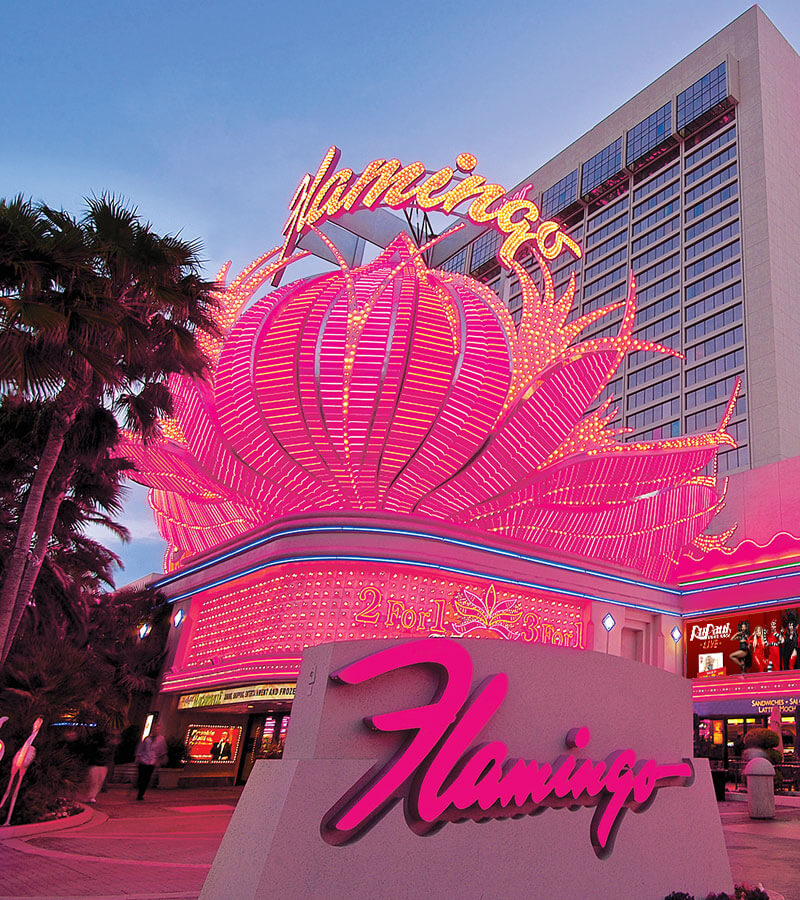
This means that while you might still find the signature pink hues and a nod to the property’s glamorous past, you’ll also encounter updated hotel rooms, diverse dining options, a vibrant pool area, and ongoing entertainment. The management teams are tasked with ensuring that the guest experience aligns with the brand promise of the Flamingo – a place of fun, energy, and a touch of old-school Vegas magic.
The Impact of Corporate Structure on Guest Experience
The corporate ownership by a large entity like Caesars Entertainment has several implications for the guest experience. On the one hand, it ensures a certain level of consistency in service standards, robust marketing efforts, and integration into loyalty programs like the Caesars Rewards program. This means that frequent visitors can often leverage their accumulated points and status across multiple Caesars properties, providing added value.
On the other hand, the immense scale of operations can sometimes lead to a perception of less personal service compared to smaller, independently owned establishments. However, Caesars generally strives to differentiate its brands, allowing each resort, including the Flamingo, to cultivate its own unique atmosphere and target demographic. The goal is to offer a recognizable quality and service level while allowing each property to retain its individual charm.
The Future of the Flamingo and Its Ownership
The ownership structure of major Las Vegas resorts is not static. The gaming and hospitality industry is characterized by constant evolution, driven by market trends, economic conditions, and the strategic decisions of major players.
Mergers, Acquisitions, and Industry Consolidation
The trend of consolidation within the gaming industry, exemplified by the merger that created the current Caesars Entertainment, is likely to continue. Companies are always seeking opportunities to expand their market share, diversify their portfolios, and achieve greater economies of scale. For a property as historic and well-positioned as the Flamingo, its ownership by a major player like Caesars provides a degree of stability and access to capital for future developments.
Adapting to a Changing Las Vegas
Las Vegas itself is perpetually reinventing itself. From the era of mob-controlled casinos to the mega-resort boom, and now into a more diversified entertainment and convention hub, the city continuously adapts. The Flamingo, as a property of Caesars Entertainment, is part of this ongoing narrative. Its future will be shaped by the company’s strategic vision for the Strip, its ability to attract new generations of travelers, and its continued commitment to preserving the unique legacy of this iconic Las Vegas landmark.
In conclusion, while the allure of the Flamingo Las Vegas lies in its rich history and iconic presence, its ownership is firmly rooted in the corporate structure of Caesars Entertainment, Inc.. This ownership ensures its continued operation, modernization, and integration into the broader Las Vegas entertainment landscape, allowing visitors to continue experiencing a piece of the city’s storied past within a contemporary resort setting.
LifeOutOfTheBox is a participant in the Amazon Services LLC Associates Program, an affiliate advertising program designed to provide a means for sites to earn advertising fees by advertising and linking to Amazon.com. Amazon, the Amazon logo, AmazonSupply, and the AmazonSupply logo are trademarks of Amazon.com, Inc. or its affiliates. As an Amazon Associate we earn affiliate commissions from qualifying purchases.