
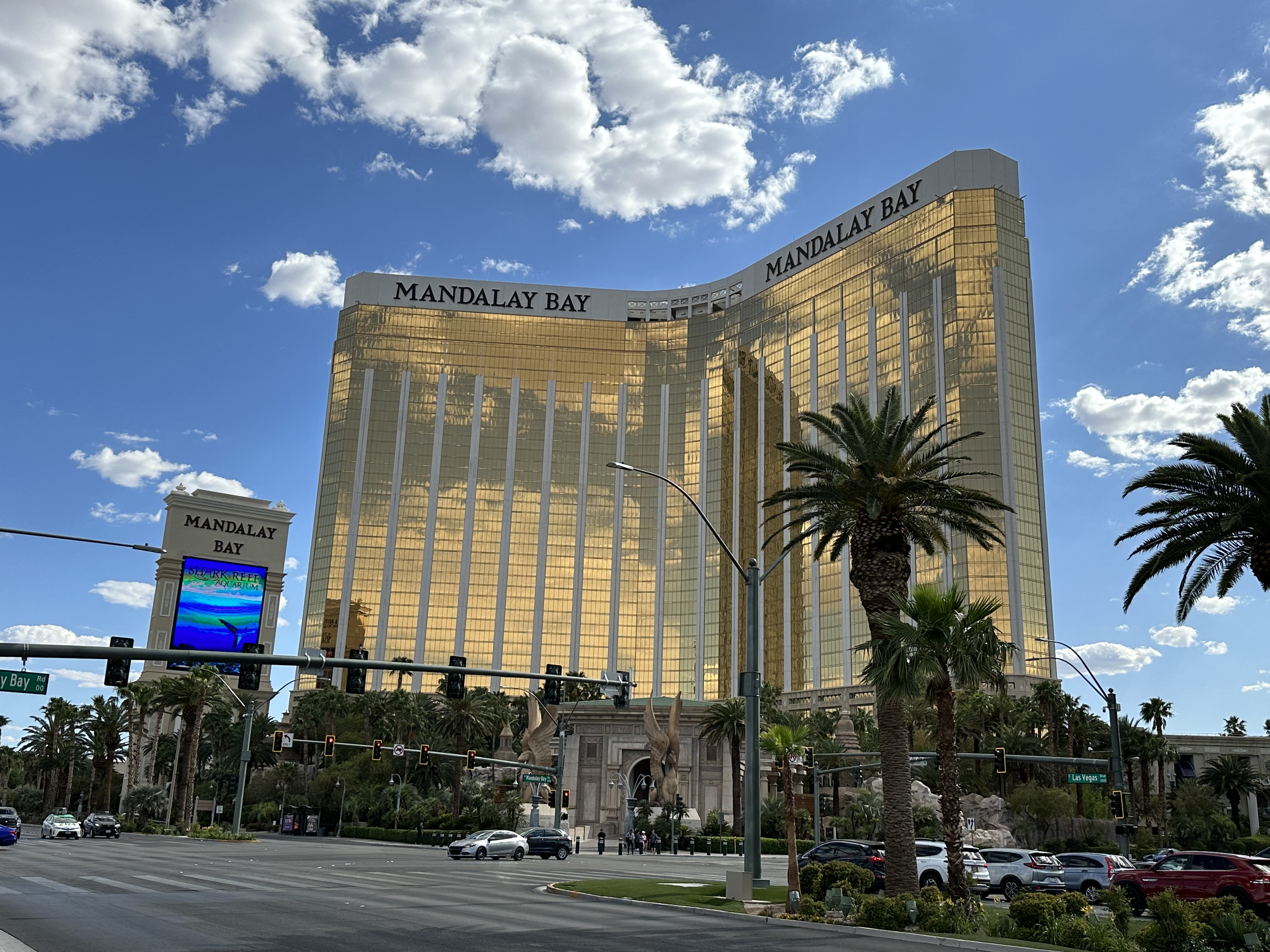
The Mandalay Bay Resort and Casino stands as an iconic fixture on the Las Vegas Strip, a colossal complex renowned for its luxurious accommodations, world-class entertainment, and sprawling casino floor. Beyond its immediate allure as a premier travel destination and a hub for entertainment, a question often arises for those curious about the inner workings of such massive hospitality ventures: who, precisely, holds ownership of this magnificent property? The answer, like the resort itself, is layered and involves a significant corporate entity deeply entrenched in the global hospitality and entertainment industry.
The Corporate Umbrella: MGM Resorts International
At its core, the Mandalay Bay Resort and Casino is owned and operated by MGM Resorts International. This name is synonymous with large-scale integrated resorts, particularly on the Las Vegas Strip, and it represents a vast portfolio of hotels, casinos, and entertainment venues. MGM Resorts International is a publicly traded company, meaning its ownership is distributed among shareholders. However, for practical purposes and in terms of operational control and strategic direction, the resort is firmly under the purview of this major corporation.
A Glimpse into MGM Resorts International’s Portfolio
MGM Resorts International is not merely a stakeholder in one property; it is a dominant force in the hospitality landscape. Its portfolio includes many of the most recognizable names on the Las Vegas Strip, such as the Bellagio, ARIA Resort & Casino, The Cosmopolitan of Las Vegas, and the Luxor Hotel and Casino, among others. This extensive collection allows the company to cater to a wide range of clientele, from high-rollers seeking exclusive suites to families looking for a vibrant vacation experience. The acquisition and development of these properties have positioned MGM Resorts International as a leader in the integrated resort model, where lodging, gaming, dining, shopping, and entertainment are seamlessly combined under one roof.
Strategic Acquisitions and Development
The ownership of Mandalay Bay by MGM Resorts International is a result of strategic business decisions, including acquisitions and mergers that have shaped the modern Las Vegas skyline. Understanding the parent company’s history and its expansion strategies provides a broader context for how properties like Mandalay Bay came to be under its stewardship. The company has a long history of growth, often through acquiring existing iconic properties and investing in their revitalization and integration into their expansive network.
The Hotel’s Operational Identity
While MGM Resorts International holds the ultimate ownership, the day-to-day management and operation of Mandalay Bay are handled by the resort’s internal management team, under the broader umbrella of MGM Resorts International’s operational divisions. This means that while corporate headquarters makes the high-level strategic decisions, the general manager, department heads, and staff are directly responsible for delivering the guest experience that Mandalay Bay is known for.
The Guest Experience and Brand Standards
MGM Resorts International maintains stringent brand standards across all its properties. This ensures a consistent level of quality and service, whether a guest is staying at Mandalay Bay or another MGM Resorts International property. The focus is on creating immersive experiences that encourage repeat business and build brand loyalty. This includes everything from the plushness of the bedding in the hotel suites to the efficiency of the check-in process and the variety of dining options available within the resort.
Investment and Capital Improvements
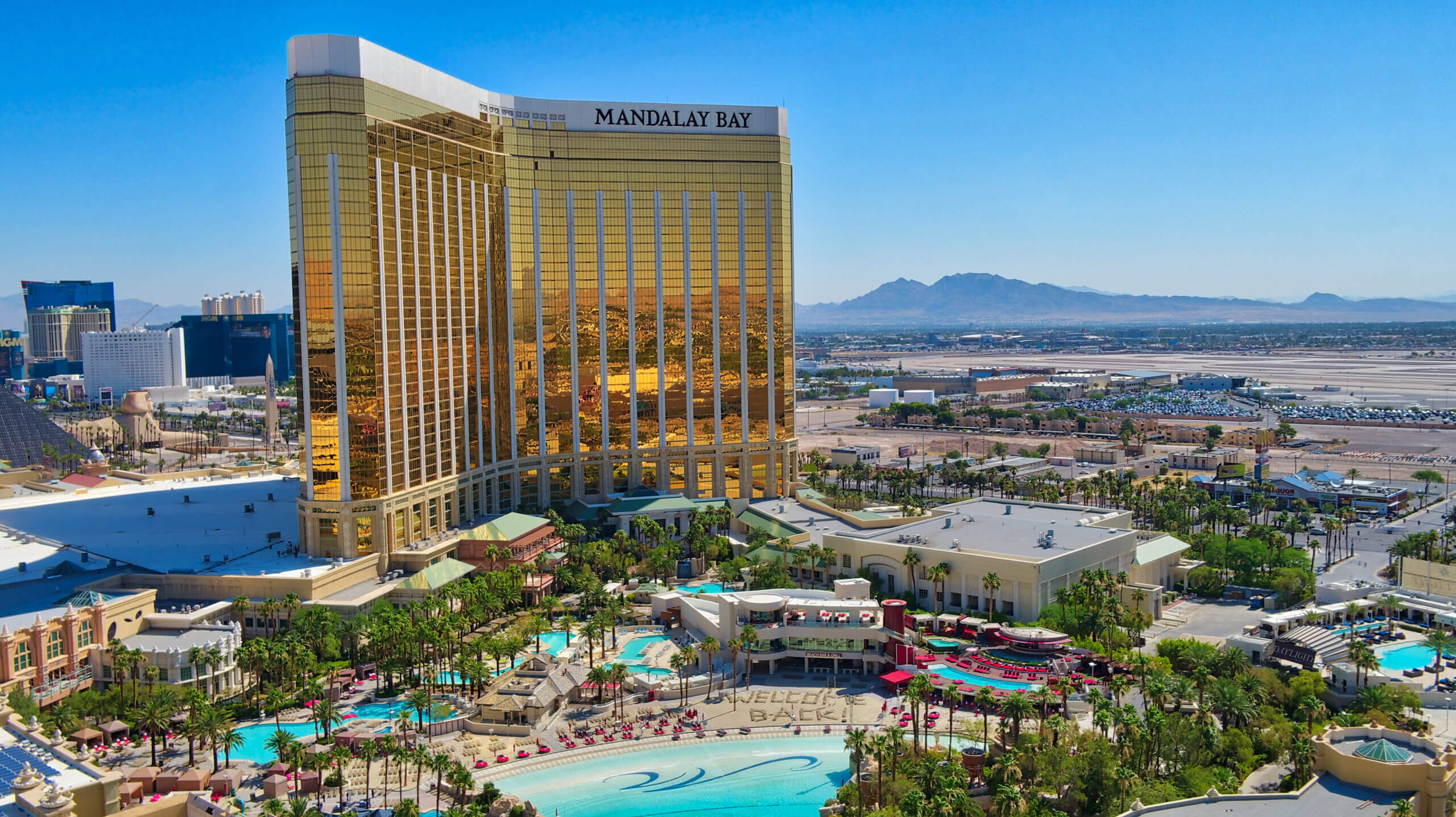
As a large corporation, MGM Resorts International is responsible for significant capital investments in its properties. This includes ongoing renovations, upgrades to amenities, and the introduction of new attractions and entertainment offerings at Mandalay Bay. These investments are crucial for maintaining the competitiveness of the resort in the ever-evolving Las Vegas market and ensuring it continues to attract a diverse range of travelers. The continuous pursuit of excellence in guest facilities and services is a hallmark of the company’s approach to property management.
Beyond Ownership: The Stakeholder Landscape
While the direct ownership and operational control lie with MGM Resorts International, it’s important to acknowledge the broader stakeholder landscape. As a publicly traded company, Mandalay Bay is indirectly owned by its shareholders. These can range from large institutional investors, such as mutual funds and pension funds, to individual retail investors who own shares of MGM Resorts International stock.
Shareholders and Corporate Governance
The shareholders, through their ownership of stock, have an indirect say in the company’s direction through their voting rights on matters such as board elections and significant corporate proposals. The board of directors, elected by the shareholders, oversees the strategic direction and financial health of MGM Resorts International, including decisions related to its major properties like Mandalay Bay. This structure ensures a degree of accountability and transparency in the management of such vast enterprises.
Real Estate Investment Trusts (REITs) and Property Holdings
In the complex world of large hospitality conglomerates, the ownership structure can sometimes involve real estate investment trusts (REITs). While MGM Resorts International directly owns and operates many of its properties, there have been instances in the industry, and particularly involving MGM Resorts International in the past, where certain real estate assets are owned by separate REITs and then leased back to the operating company. This structure can be a strategy for unlocking capital and optimizing financial performance. For Mandalay Bay, its ownership has historically been integrated within the MGM Resorts International corporate structure, though the specifics of real estate ownership can evolve through corporate finance transactions. Understanding these nuances provides a deeper insight into the financial architecture that underpins these colossal resorts.
The Mandalay Bay Experience: A Product of Corporate Vision
Ultimately, the question of “Who Owns The Mandalay Bay Las Vegas?” leads back to the overarching vision and strategic management of MGM Resorts International. The resort is a tangible manifestation of the company’s commitment to providing world-class entertainment, gaming, and hospitality experiences. From its distinctive architecture to its diverse array of attractions, Mandalay Bay is a testament to the corporate planning, investment, and operational excellence that characterize its parent company.
The Integration of Amenities and Attractions
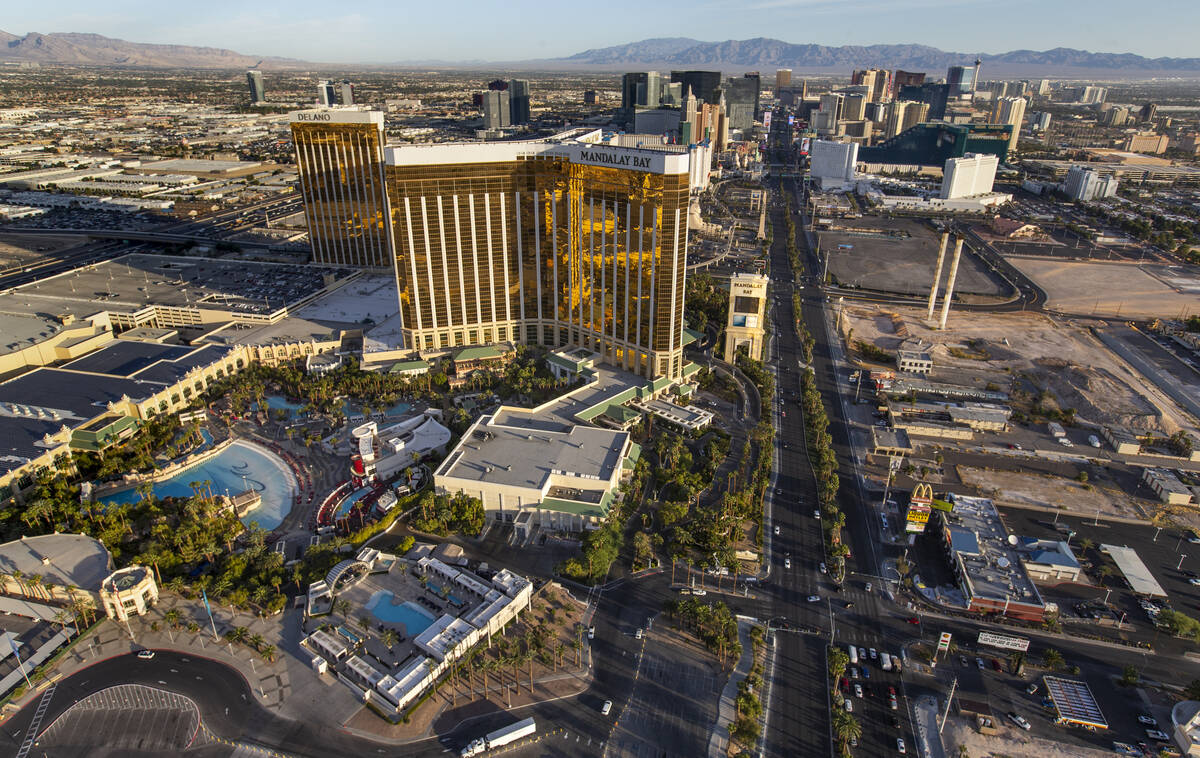
The ownership by MGM Resorts International facilitates a comprehensive approach to resort development. This means that amenities such as the famous Mandalay Bay Beach, the Shark Reef Aquarium, and a multitude of world-class restaurants and entertainment venues are all part of a cohesive strategy to create an unparalleled guest experience. The corporation’s ability to invest and develop such diverse offerings under one roof is a key element of its success.
Future Development and Evolution
As MGM Resorts International continues to adapt to the dynamic travel and entertainment landscape, properties like Mandalay Bay are likely to see continued investment and evolution. The company’s strategic direction will shape the future of the resort, potentially introducing new attractions, enhancing existing facilities, and refining the guest experience to meet the demands of tomorrow’s travelers. This forward-looking approach is a hallmark of a dominant player in the hospitality industry.
LifeOutOfTheBox is a participant in the Amazon Services LLC Associates Program, an affiliate advertising program designed to provide a means for sites to earn advertising fees by advertising and linking to Amazon.com. Amazon, the Amazon logo, AmazonSupply, and the AmazonSupply logo are trademarks of Amazon.com, Inc. or its affiliates. As an Amazon Associate we earn affiliate commissions from qualifying purchases.