
While often painted with the broad brushstroke of perpetual sunshine and balmy breezes, Los Angeles experiences a more nuanced winter climate than many assume. The question of “how cold” it truly gets in this sprawling Southern Californian metropolis depends heavily on location within the basin, elevation, and proximity to the ocean. While freezing temperatures are a rarity for most residents, experiencing a distinct chill is certainly part of the seasonal tapestry. This exploration delves into the meteorological realities of winter in Los Angeles, examining average temperatures, historical lows, and the microclimates that influence the perceived cold.
Understanding Los Angeles’s Unique Climate
Los Angeles’s climate is a complex interplay of oceanic influence, mountainous topography, and vast urban sprawl. The Pacific Ocean acts as a significant moderating force, preventing extreme temperature fluctuations that might plague inland deserts. However, this moderation is not uniform. Coastal areas benefit most directly from the ocean’s temperature-regulating effect, experiencing milder winters and cooler summers. As one moves inland, away from the coast, temperatures can become more variable, with greater swings between day and night, and cooler conditions during winter months.
The Coastal Cushion
For those residing or visiting the iconic beaches of Santa Monica, Malibu, or Venice Beach, winter temperatures are typically quite pleasant. Daytime highs often hover in the mid-60s Fahrenheit (around 18-19 degrees Celsius), with overnight lows rarely dipping below the low 50s Fahrenheit (10-11 degrees Celsius). Frost is virtually unheard of in these areas, and the air often carries a refreshing crispness rather than a biting chill. Even during the coldest months of December and January, the sun frequently breaks through, offering opportunities for outdoor activities.
Inland Variations
Venture just a few miles inland, and the temperature differential becomes noticeable. Areas like the San Fernando Valley or the eastern parts of Los Angeles County experience colder nights and, on average, slightly cooler daytime temperatures. Average daily highs might be in the upper 50s to low 60s Fahrenheit (14-17 degrees Celsius), while overnight lows can frequently drop into the 40s Fahrenheit (4-9 degrees Celsius). This is where the potential for frost increases, particularly in more open, less developed areas. The absence of the ocean’s moderating influence allows the land to cool down more significantly after sunset.
The Mountain Influence
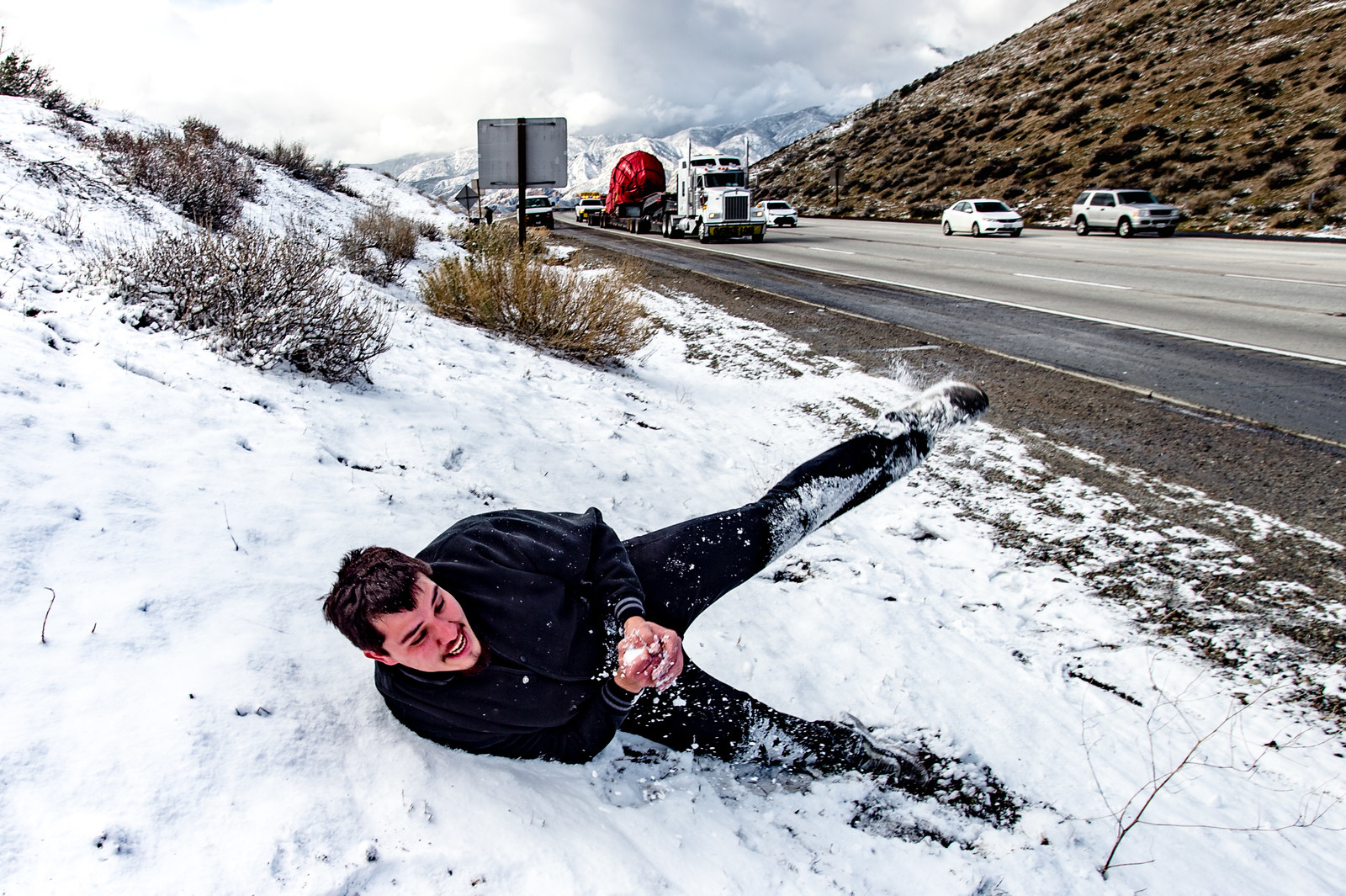
The mountainous regions surrounding Los Angeles, such as the San Gabriel Mountains and the Santa Monica Mountains, offer a dramatically different winter experience. Here, temperatures can plummet well below freezing, and snow is a regular occurrence at higher elevations. Ski resorts like Mountain High or Snow Valley Mountain Resort in nearby mountain ranges frequently receive significant snowfall, transforming them into winter wonderlands. For those seeking a true cold-weather experience, a day trip to these elevated regions provides a stark contrast to the mild coastal climate.
Historical Lows and Extreme Events
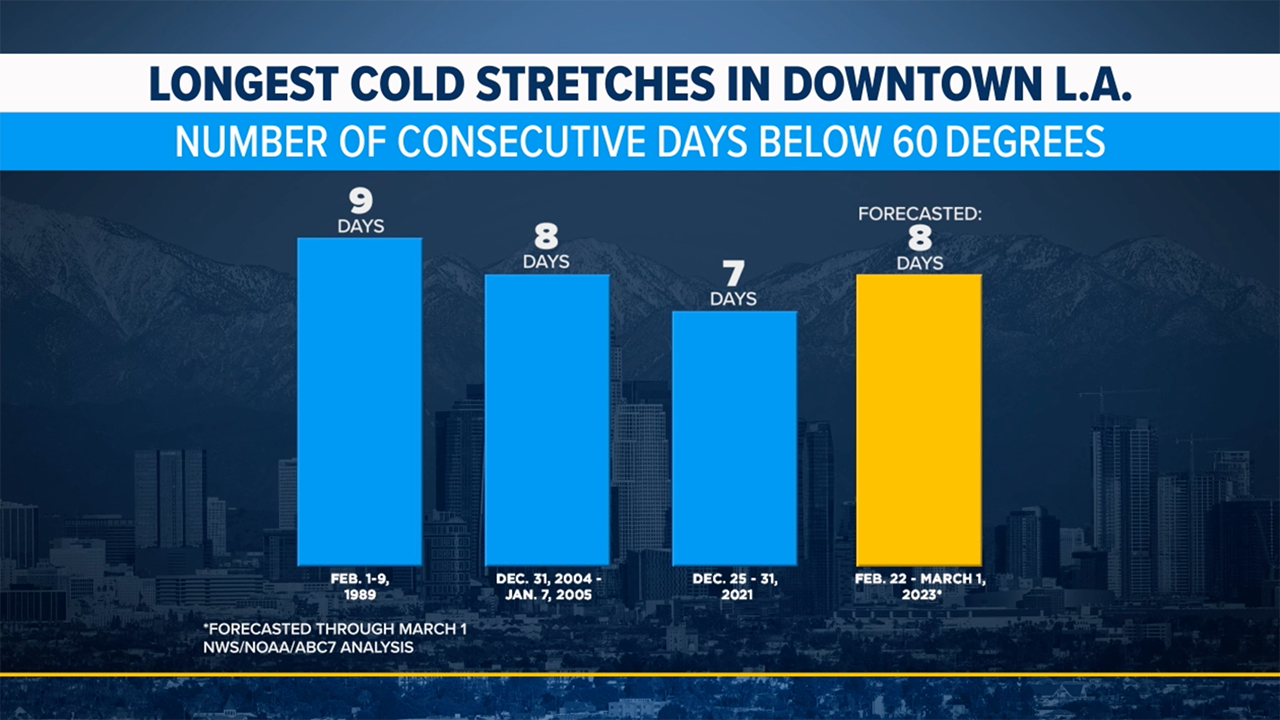
While the average winter temperatures in Los Angeles are generally mild, historical records reveal instances of colder spells. The all-time record low for the city was a frigid 28 degrees Fahrenheit (-2.2 degrees Celsius), recorded on January 4, 1949, at the Los Angeles International Airport weather station. While such extreme lows are exceptionally rare, they serve as a reminder of the potential for colder air masses to affect the region.
The “Big Freeze” of 1949
The winter of 1948-1949 was particularly notable for its cold. A powerful Arctic air mass swept across the western United States, bringing unusually frigid temperatures to Southern California. This event led to widespread frost and even light snow in some areas closer to sea level, a phenomenon that remains a significant talking point among weather enthusiasts. This historical event underscores that while the typical Los Angeles winter is mild, it is not entirely immune to significant cold snaps.
Occasional Frosts
More commonly, frost can occur in inland valleys and higher elevations during clear, calm winter nights. While not typically severe enough to cause widespread damage to the region’s famous citrus crops, these frosts can be enough to warrant covering sensitive plants and can be felt keenly by residents accustomed to warmer conditions. The occurrence of frost is usually tied to specific weather patterns involving dry air and radiational cooling.
What to Expect When Visiting or Living in Los Angeles During Winter
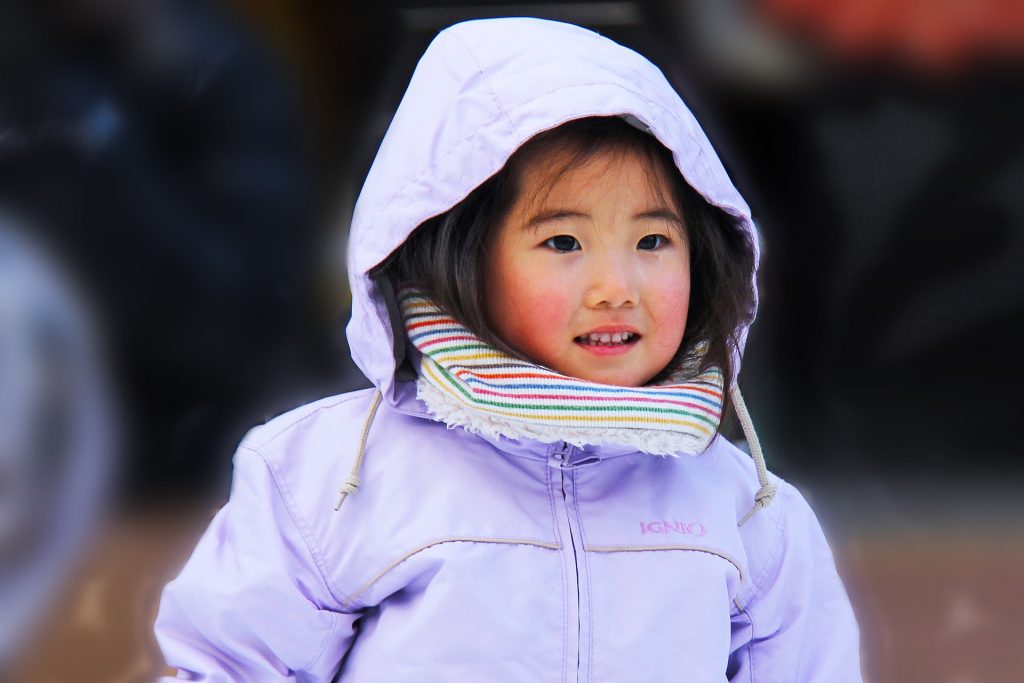
For travelers planning a trip to Los Angeles during the winter months, packing layers is key. While heavy winter coats are generally unnecessary, a light to medium jacket, sweaters, and long-sleeved shirts will be invaluable. Comfortable walking shoes are always recommended for exploring the city’s diverse neighborhoods and attractions, from the Hollywood Walk of Fame to the Griffith Observatory.
Dressing for the Conditions
If your itinerary includes coastal activities, such as a stroll along the Santa Monica Pier or a visit to Getty Villa, expect temperatures to be cooler in the mornings and evenings, even if the afternoons are pleasant. Inland excursions, particularly those in the valleys, might require an extra layer. For those venturing into the nearby mountains for a day of skiing or snowboarding, full winter gear is, of course, essential.
Activities Unaffected by the Cold
Despite the cooler temperatures, Los Angeles offers a wealth of activities that are largely unaffected by the winter chill. Museums like the Getty Center or the Natural History Museum of Los Angeles County provide climate-controlled environments for exploration. Even outdoor attractions like the Universal Studios Hollywood theme park remain open, with the cooler weather sometimes making for a more comfortable experience compared to the heat of summer. Furthermore, the winter months often bring clearer skies, offering spectacular views of the city and the ocean from vantage points like the Hollywood Sign.
The Perception vs. Reality of Los Angeles Winters
The perception of Los Angeles as a year-round summer destination often leads to the misconception that it remains consistently warm throughout the year. While it certainly boasts one of the most enviable winter climates in the United States, it is important to acknowledge the presence of cooler temperatures, especially during the overnight hours and in areas away from the immediate coast. The “cold” in Los Angeles is relative and mild when compared to many other major cities, but it is a distinct seasonal characteristic that influences daily life and visitor experiences.
Embracing the “Chill”
The cooler winter months in Los Angeles are often welcomed by locals as a refreshing break from the summer heat. It’s a time when the air feels crisp, the light changes, and the region can be explored with a comfortable coolness. For many, this perceived “cold” is simply a part of the enjoyable Southern Californian lifestyle, offering a different, yet equally appealing, way to experience the city.
Planning for the Season
Whether you’re a long-term resident or a first-time visitor, understanding the nuances of Los Angeles’s winter climate will enhance your experience. While you might not need to pack a heavy parka, being prepared for cooler mornings, evenings, and potential dips in temperature will ensure you can fully enjoy all that this dynamic city has to offer, from its sun-drenched beaches to its culturally rich inland communities. The “cold” in Los Angeles is more of a gentle reminder of the changing seasons than a reason to hibernate indoors.
LifeOutOfTheBox is a participant in the Amazon Services LLC Associates Program, an affiliate advertising program designed to provide a means for sites to earn advertising fees by advertising and linking to Amazon.com. Amazon, the Amazon logo, AmazonSupply, and the AmazonSupply logo are trademarks of Amazon.com, Inc. or its affiliates. As an Amazon Associate we earn affiliate commissions from qualifying purchases.