
A Name Rooted in Urban Navigation
The story behind the naming of the Los Angeles Dodgers is not just about a baseball team; it’s a fascinating journey back to the origins of urban life in America and the challenges faced by city dwellers navigating increasingly complex street grids. While Los Angeles is the team’s current home, the name’s genesis lies further east, in the bustling metropolises of the late 19th and early 20th centuries, particularly Brooklyn, New York.
The “Trolley Dodgers” of Brooklyn
To understand the Dodgers, one must first understand the “trolley dodgers.” In the late 1800s and early 1900s, cities across America were rapidly expanding, and with this growth came an explosion of electric streetcars, or trolleys. These trolleys, while revolutionizing public transportation, also created a new hazard for pedestrians and other vehicles. Navigating the busy streets meant constantly being aware of the approaching trolleys and skillfully “dodging” them to avoid collisions.
The term “trolley dodger” became a colloquial description for the people living in these urban environments, particularly in areas with dense trolley networks like Brooklyn. Residents of Brooklyn were intimately familiar with this daily dance of evasion. The rapid pace of city life, the close calls with the electrically powered vehicles, and the sheer density of these streetcar lines contributed to the moniker. It was a name that captured the essence of urban living at the time – a mix of convenience and constant, low-level peril.
From Local Nickname to Baseball Identity
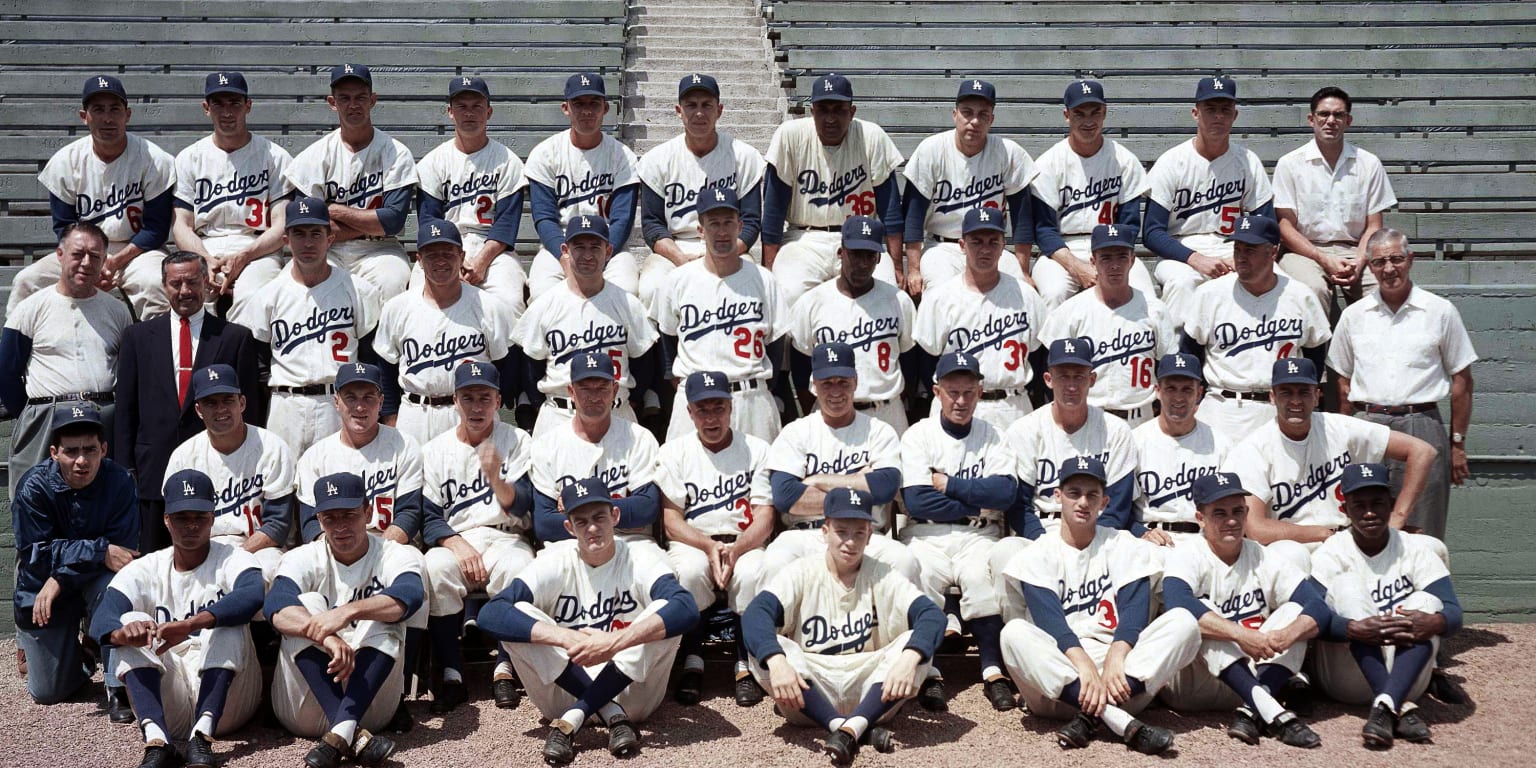
The professional baseball team that would eventually become the Los Angeles Dodgers began its life in Brooklyn. Founded in 1883, the team went through several iterations and names in its early years, including the “Grays” and the “Bridegrooms” (named after their manager, Charlie Byrne, who married that year). However, the fans, particularly those in Brooklyn, began to associate the team with their own identity as “trolley dodgers.”
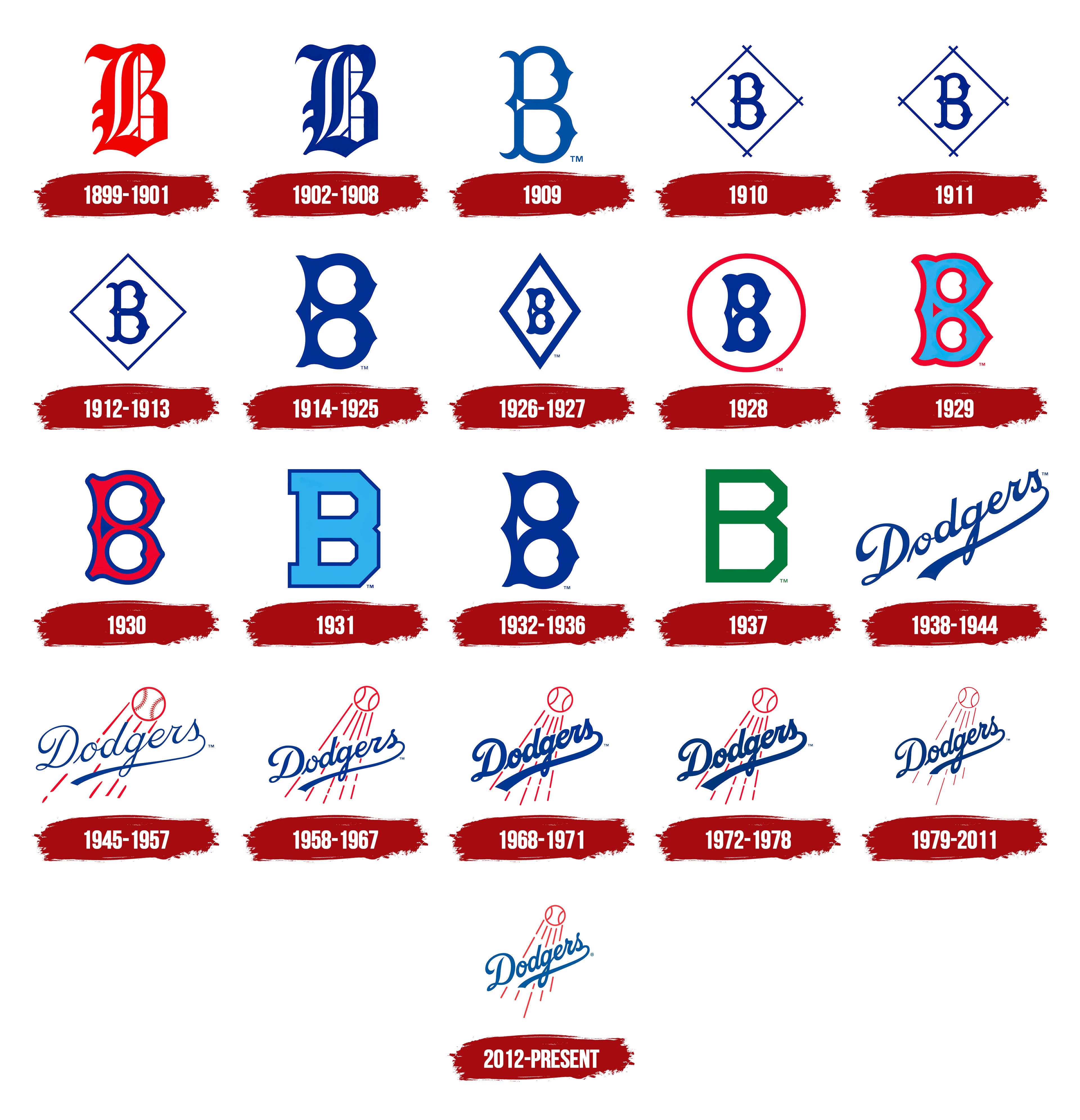
The exact moment the name “Dodgers” was officially adopted is not precisely documented, but it gradually became the popular nickname for the team. By the early 1910s, “Dodgers” was widely used and recognized. It was a name that resonated with the local population, a testament to their everyday experiences and resilience in a rapidly changing urban landscape. It was a name that proudly represented the spirit of Brooklyn.
The Move to Los Angeles and the Enduring Name
The team’s relocation to Los Angeles in 1958 marked a significant chapter in its history. Owned by Walter O’Malley, the move was driven by a desire for a larger market and better stadium facilities. The decision to bring the name “Dodgers” with them to California was a strategic one, carrying with it a rich history and a loyal fan base.
A Legacy Carried West

Despite the geographical shift from the crowded streets of Brooklyn to the sprawling avenues of Los Angeles, the name “Dodgers” held a powerful appeal. It represented a continuity with the team’s storied past and a connection to generations of fans who had cheered them on. Walter O’Malley understood the emotional weight and historical significance of the name. He recognized that it was more than just a label; it was an identity forged in the very fabric of urban life.
The Los Angeles Dodgers inherited a legacy that was deeply intertwined with the American urban experience. While the specific context of “trolley dodging” might have faded with the decline of streetcars and the evolution of transportation, the spirit of resourcefulness, resilience, and urban adaptation that the name embodied remained relevant. The team became a symbol for its new city, much as it had been for its old one.
Modern Interpretations and Team Identity
Today, the name “Dodgers” continues to be synonymous with one of baseball’s most storied franchises. While the literal meaning of dodging trolleys is largely a historical curiosity for most Los Angeles residents, the name has evolved to represent the team’s fighting spirit, its ability to overcome challenges, and its enduring connection to its roots.
The team’s home stadium, Dodger Stadium, stands as a testament to this enduring legacy. Situated in Chavez Ravine, it is one of the oldest and most iconic ballparks in Major League Baseball. The name evokes a sense of history and tradition that is palpable to fans and visitors alike. The Los Angeles Dodgers are more than just a sports team; they are a living piece of American history, their name a bridge connecting the urban past to the vibrant present of Los Angeles. The choice to retain the name underscores the power of a strong brand identity and the enduring connection between a team, its fans, and the places it calls home. It is a name that has successfully navigated its own journey, much like the early urban dwellers it once described, from the bustling streets of Brooklyn to the sunny skies of Los Angeles.
The Evolution of Baseball Team Naming Conventions
The story of the Dodgers‘ name is a compelling example of how popular culture and everyday life can directly influence the branding of professional sports teams. In the early days of professional baseball, team names were often more fluid and sometimes even whimsical, frequently tied to local businesses, prominent figures, or simple descriptive qualities.
Early Baseball Nicknames and Their Origins
Many early baseball teams acquired nicknames through fan consensus or journalistic shorthand rather than formal corporate decisions. These monikers often reflected local pride or the team’s playing style. For instance, teams might be known as the “Giants” for their imposing presence, the “Cubs” for their youthfulness, or the “Pirates” for their aggressive tactics. The “Dodgers” fit into this pattern, arising organically from the everyday experiences of the community they represented.
Unlike modern sports franchises, where naming is often a meticulous marketing process involving focus groups and brand consultants, early team names were more organic. The “trolley dodger” moniker emerged from the streets, from the collective consciousness of a city grappling with rapid modernization. This direct link to the lived experience of the populace is what gives the name its enduring charm and historical significance. It speaks to a time when sports teams were more deeply embedded in the social fabric of their communities.
The Dodgers’ Unique Historical Link
The Los Angeles Dodgers stand out because their name is not merely a descriptor of a team or a product of a marketing campaign. It is a historical artifact, a linguistic echo of a specific era in American urban development. The widespread adoption of trolleys in cities like Brooklyn created a unique set of circumstances that inadvertently gave birth to a lasting sports identity.
This organic naming process contrasts sharply with the deliberate branding exercises seen in later sports history. While other teams might have names derived from geographical features, animals, or abstract concepts, the Dodgers‘ name is intrinsically linked to a tangible, everyday urban activity. This direct connection to the lives of ordinary people makes the name particularly resonant and memorable, even as the specific context that spawned it has largely vanished from daily life. The fact that Walter O’Malley chose to preserve this name when moving the team to Los Angeles speaks volumes about its established prestige and the value placed on this historical lineage. It was a name that already carried weight and a sense of established identity, a valuable asset for any franchise, regardless of its location.
LifeOutOfTheBox is a participant in the Amazon Services LLC Associates Program, an affiliate advertising program designed to provide a means for sites to earn advertising fees by advertising and linking to Amazon.com. Amazon, the Amazon logo, AmazonSupply, and the AmazonSupply logo are trademarks of Amazon.com, Inc. or its affiliates. As an Amazon Associate we earn affiliate commissions from qualifying purchases.