
Florida, often affectionately known as the Sunshine State, is a premier destination for travelers seeking everything from pristine beaches and thrilling theme parks to vibrant city life and serene natural landscapes. However, beneath its uniform reputation for sunshine and relaxation lies a subtle complexity that often catches visitors off guard: its time zones. While many United States states adhere to a single time zone, Florida gracefully straddles two, creating a unique dynamic for both residents and those planning their unforgettable trips. Understanding this temporal division is not merely a matter of academic interest; it’s a crucial element for seamless itinerary planning, ensuring timely arrivals for flights, coordinating hotel check-ins, and maximizing every precious moment spent exploring its diverse regions.
This comprehensive guide will delve into the intricacies of Florida’s time zones, offering insights that will empower you to navigate its temporal landscape with ease. From the bustling metropolises in the east to the tranquil shores of the panhandle, we’ll unravel the clockwork of the state, explain the impact of Daylight Saving Time, and provide practical tips to ensure your Florida adventure remains perfectly synchronized. Whether you’re arranging a magical family vacation to Orlando, exploring the vibrant nightlife of Miami, or unwinding on the stunning beaches of Destin, a clear understanding of Florida’s time zones is your secret weapon for a stress-free and truly immersive experience.
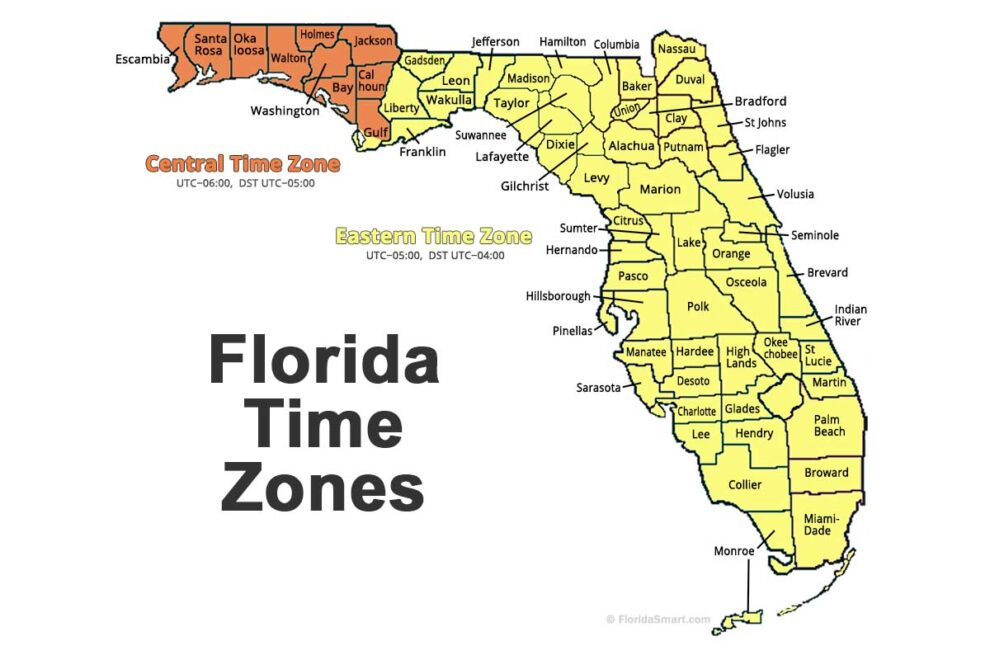
Unraveling Florida’s Time Zone Tapestry: A Tale of Two Zones
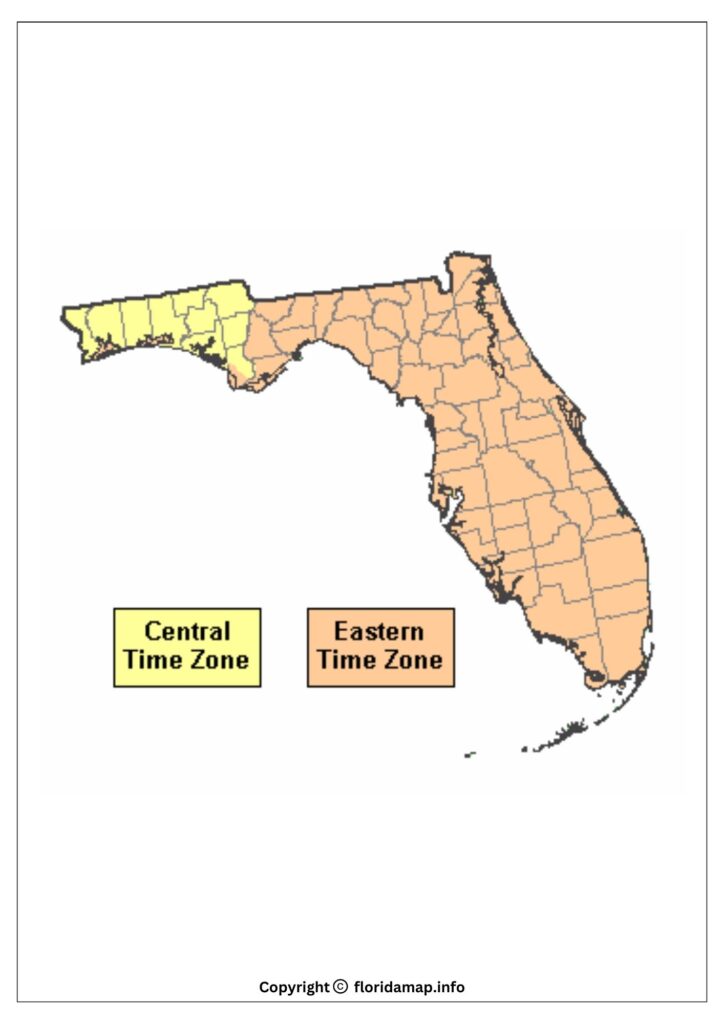
Unlike many states that fall neatly into a single time zone, Florida presents a fascinating duality, divided between two distinct temporal regions. This division is largely geographical, dictated by a historical compromise and the natural west-to-east progression of the sun. For the vast majority of the state, particularly its most populous and tourist-heavy areas, time marches to the beat of Eastern Time. However, a significant portion of the western Florida Panhandle observes Central Time, introducing a one-hour difference that discerning travelers must always keep in mind.
The Dominance of Eastern Time (ET) Across the Sunshine State
The vast majority of Florida operates on Eastern Time, which is Greenwich Mean Time (GMT) or Coordinated Universal Time (UTC) minus five hours (UTC-5) during standard time, commonly referred to as Eastern Standard Time (EST). When Daylight Saving Time is in effect, it shifts to UTC-4, known as Eastern Daylight Time (EDT). This encompasses virtually all of the peninsula, including its most iconic destinations and major metropolitan areas.
From the world-renowned theme parks of Orlando, including Walt Disney World Resort and Universal Studios Florida, to the vibrant cultural hub of Miami and the historic streets of St. Augustine, everything runs on Eastern Time. The sprawling cities of Tampa, Jacksonville, and Fort Lauderdale also fall within this zone. Even the picturesque Florida Keys, stretching down to Key West, observe Eastern Time. This consistent time zone across such a large and popular segment of the state simplifies planning for many travelers, as most domestic flights arrive and depart from airports within this zone, and the major attractions and accommodations adhere to its schedule. For those planning a multi-city tour of Florida’s eastern and central regions, remaining in Eastern Time throughout their journey offers a seamless experience, allowing them to focus purely on the sun-soaked adventures ahead.
The Central Time (CT) Distinction: Exploring the Florida Panhandle
While the bulk of Florida enjoys Eastern Time, the westernmost stretch of its distinct panhandle region operates on Central Time. This time zone is GMT/UTC minus six hours (UTC-6) during standard time, known as Central Standard Time (CST), and shifts to UTC-5 during Daylight Saving Time, becoming Central Daylight Time (CDT). This means that these counties are always one hour behind the rest of the state.
The counties that observe Central Time are primarily located in the extreme western part of the panhandle, bordering Alabama. These include Escambia County (home to Pensacola), Santa Rosa County, Okaloosa County (where Destin and Fort Walton Beach are situated), Walton County, and Bay County (encompassing Panama City Beach). A small, but significant portion of Gulf County, specifically west of the Apachicola River, also observes Central Time, with the remainder of the county (including Port St. Joe and Mexico Beach) observing Eastern Time. This geographical split within a single county is particularly important for travelers traversing the panhandle.
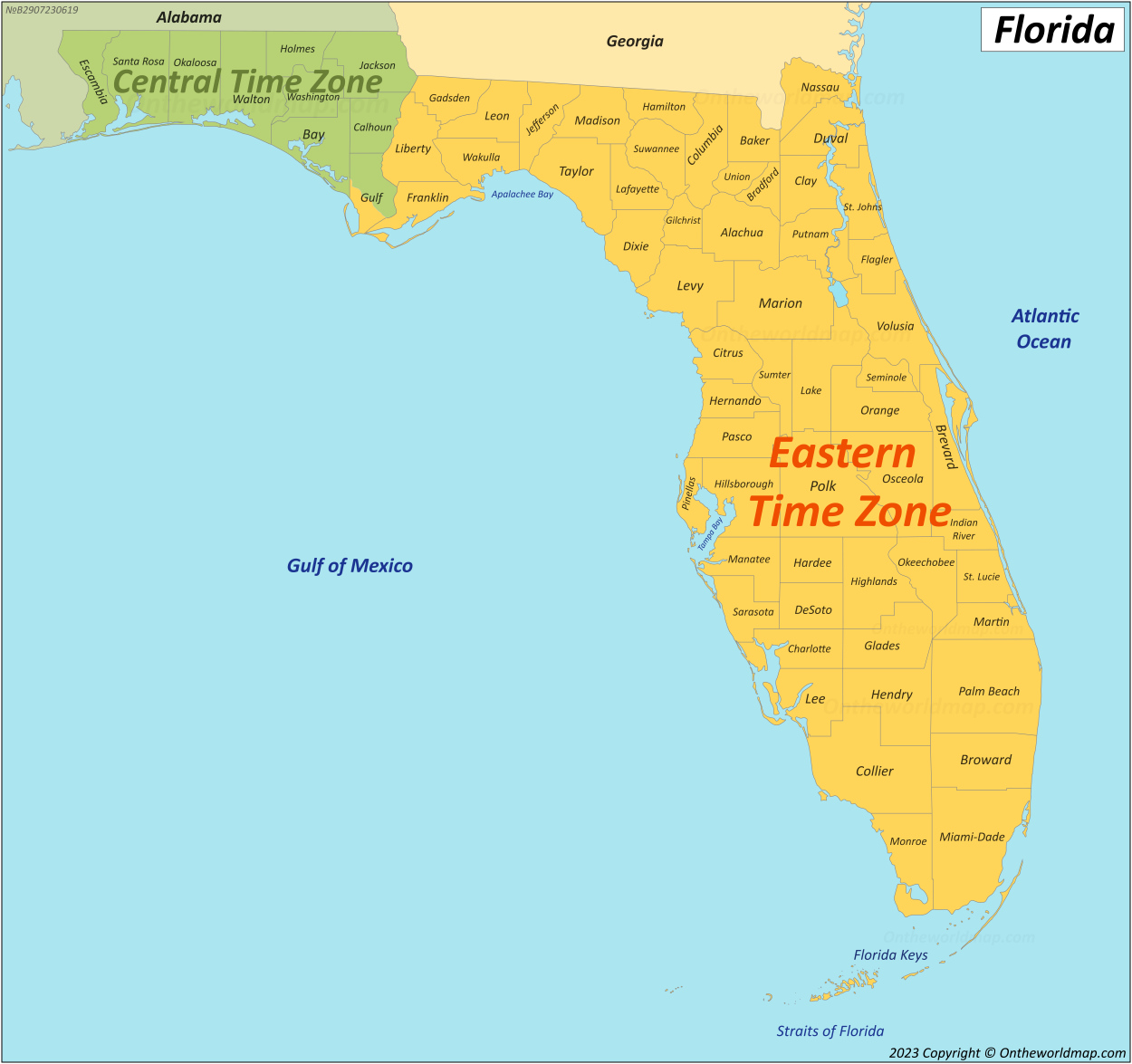
The Florida Panhandle is celebrated for its stunning “Emerald Coast” beaches, charming coastal towns, and more relaxed pace compared to the bustling theme park regions. Its unique positioning bordering Alabama and Georgia, both of which have areas observing Central Time, likely contributed to this temporal alignment. For those flying into Pensacola International Airport or driving across the state line, adjusting their clocks by an hour is a necessary step to avoid missing dinner reservations, tour departures, or even an important sunset viewing. Recognizing this distinction is key to enjoying a seamless tourism experience in this beautiful, unique corner of Florida.
The Rhythm of the Clock: How Daylight Saving Time Affects Your Florida Experience
Beyond the geographic divide of Eastern and Central Time, Florida also participates in Daylight Saving Time (DST), adding another layer to its temporal dynamics. This annual shift forward and backward by an hour affects nearly the entire state and, consequently, every visitor’s itinerary. Understanding when and why these changes occur, and how to factor them into your vacation plans, is essential for a smooth and enjoyable trip, whether you’re there for leisure, business stays, or a long-term stay.
Shifting Clocks: When and Why Florida Observes DST
Like most of the United States, Florida observes Daylight Saving Time from the second Sunday in March to the first Sunday in November. During this period, clocks “spring forward” by one hour. This means that Eastern Standard Time (EST) becomes Eastern Daylight Time (EDT), shifting from UTC-5 to UTC-4. Similarly, in the panhandle, Central Standard Time (CST) becomes Central Daylight Time (CDT), moving from UTC-6 to UTC-5. When November rolls around, clocks “fall back” one hour, returning to standard time.
The primary rationale behind Daylight Saving Time is to make better use of daylight, traditionally to save energy and extend evening daylight hours during the warmer months. While its effectiveness and relevance are often debated, it remains a standard practice across most of the state. It’s worth noting that Florida has, at times, explored the possibility of making DST permanent. In 2018, the state legislature passed the “Sunshine Protection Act,” which would establish Daylight Saving Time year-round. However, this change requires approval from the U.S. Congress to become permanent, and as of now, that approval has not been granted. Therefore, for the foreseeable future, Florida will continue to observe the biannual clock changes, which means travelers must remain aware of these shifts.
Planning Your Itinerary: DST Considerations for Travelers
For visitors to Florida, the observance of Daylight Saving Time holds several practical implications. If your trip coincides with the spring forward or fall back transition, ensure all your portable devices (smartphones, tablets) automatically update their time settings. While most modern devices do this seamlessly, it’s always wise to double-check, especially if you rely on an alarm to catch an early flight or theme park opening.
The shift can impact your internal body clock, too. The “spring forward” can feel like losing an hour of sleep, potentially leading to mild jet lag-like symptoms. Plan for a slightly slower pace on the first day if you arrive right after the change. More importantly, confirm all scheduled activities, tours, restaurant reservations, and especially flight departure/arrival times according to the current local time. While airlines and tour operators are generally meticulous about adjusting their schedules, a quick confirmation can prevent any miscommunications or missed connections. For those planning a longer stay or considering long-term accommodation in Florida, being aware of the DST transitions helps in managing daily routines, utility schedules, and even social engagements with new acquaintances. Ultimately, incorporating DST awareness into your travel planning ensures that your valuable vacation time is spent enjoying the wonders of Florida, rather than scrambling to adjust your schedule.
Navigating the Time Divide: Practical Advice for Florida Visitors
A truly successful trip to Florida hinges on meticulous planning, and that includes a keen awareness of its dual time zones and the seasonal shift of Daylight Saving Time. For travelers traversing the state, particularly those venturing into the panhandle, understanding the temporal boundaries and their implications is paramount. Here’s practical advice to ensure your Florida adventure remains perfectly synchronized, maximizing your enjoyment and minimizing any potential logistical headaches related to time.
Cross-Time Zone Travel: Strategies for Seamless Transitions
The most critical scenario for time zone awareness in Florida arises when moving between the Eastern Time and Central Time zones. This typically occurs when driving along the Florida Panhandle or flying into airports like Pensacola International Airport (PNS) while coming from the state’s central or southern regions.
Know Your Destination’s Time Zone: Before you even depart, confirm which time zone your specific destination in the panhandle observes. For instance, if you’re flying into Pensacola from Orlando, remember Pensacola will be an hour behind. This impacts everything from your arrival time to coordinating airport pickups or hotel check-ins.
Manual Clock Adjustment: While smartphones and modern GPS systems typically update automatically, it’s a good practice to manually verify your device’s time when crossing the time zone boundary, especially if driving. Look for roadside signs indicating a time zone change, which are often present near county lines, such as between Bay County (Central Time) and Gulf County (Eastern Time for much of it).
Buffer Time for Appointments: If you have strict appointments, like a specific tour departure or a dining reservation, build in extra buffer time when traveling across the time zone line. An hour difference can easily lead to a missed reservation if not accounted for.
Communication is Key: When coordinating with friends, family, or business contacts who are in a different Florida time zone, always clarify whether you are discussing Eastern Time or Central Time. A simple “See you at 3 PM CT” or “Let’s meet at 4 PM ET” can prevent any confusion.
Staying Connected: Time Zone Awareness for Hotels, Attractions, and Tours
Your accommodation and activity bookings are perhaps the areas most directly affected by time zone discrepancies. A misstep here could lead to frustration or even financial loss.
Hotel and Resort Check-ins/Check-outs: Always confirm the local time for check-in and check-out at your hotel or resort. While most booking confirmations specify local times, a quick glance at a map to verify the time zone is always prudent, especially for properties in the panhandle.
Attraction Operating Hours: Theme parks, museums, natural landmarks, and other attractions will operate strictly on their local time. If you’re staying in Eastern Time and planning a day trip to an attraction in Central Time, remember you’ll effectively “lose” an hour upon arrival. For example, if a park opens at 9 AM CT, you’d need to leave your Eastern Time hotel much earlier to arrive on time.
Tour and Excursion Departures: Whether it’s a boat tour of the Everglades (Eastern Time) or a dolphin cruise off Destin (Central Time), confirm the departure time in the local time zone of the tour operator. Show up early, especially for time-sensitive activities.
Dining Reservations: Missing a coveted dinner reservation due to a time zone miscalculation can be disappointing. Always confirm the local time for your reservations, particularly if you are in transit between zones.
Review Travel Guides and Itineraries: When consulting travel guides or building your own itinerary, pay close attention to the listed times. If a guide mentions an attraction in the panhandle, it’s almost certainly referring to Central Time for that specific location.
By keeping these practical considerations in mind, you can effortlessly navigate Florida’s time zones, ensuring that your clock is always aligned with the Sunshine State’s captivating rhythm. This attention to detail will pave the way for a smooth, enjoyable, and memorable travel experience, allowing you to fully immerse yourself in all the wonders Florida has to offer.
LifeOutOfTheBox is a participant in the Amazon Services LLC Associates Program, an affiliate advertising program designed to provide a means for sites to earn advertising fees by advertising and linking to Amazon.com. Amazon, the Amazon logo, AmazonSupply, and the AmazonSupply logo are trademarks of Amazon.com, Inc. or its affiliates. As an Amazon Associate we earn affiliate commissions from qualifying purchases.