
Navigating the journey from the bustling metropolis of Los Angeles to the tranquil shores of Catalina Island is a quintessential Southern California experience. This popular island getaway, officially known as Santa Catalina Island, beckons with its Mediterranean climate, stunning natural beauty, and a distinct escape from the mainland’s urban sprawl. Understanding the distance and the various transit options is crucial for planning an enjoyable and seamless trip. The proximity of Catalina Island to the southern coast of California makes it an accessible destination for a day trip or a longer vacation, yet its island nature inherently requires specific modes of transportation.

Understanding the Distance and Geography
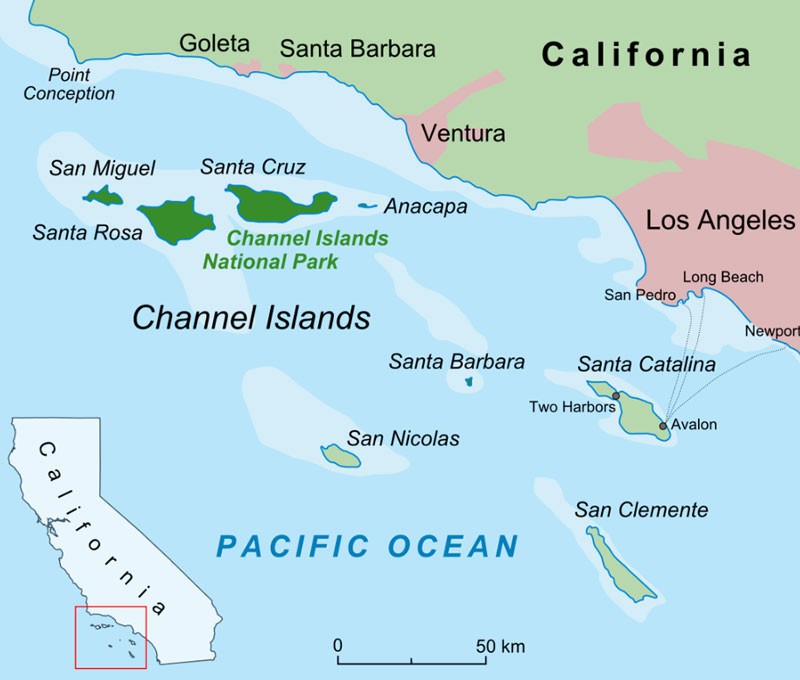
The actual geographical distance between Los Angeles and Catalina Island is not a single, fixed number, as it depends on the specific departure point in Los Angeles and the intended arrival port on the island. However, for practical travel planning, we typically consider the distance from the mainland coastal cities that serve as primary ferry terminals.
Coastal Departure Points
The most common embarkation points for ferries to Catalina Island are located in Orange County and Los Angeles County.
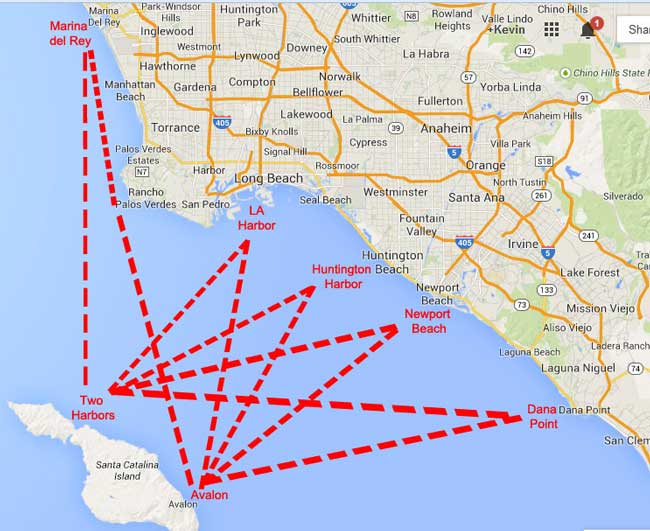
- Long Beach to Avalon: From the port of Long Beach, the distance to Avalon, the primary town on Catalina Island, is approximately 22 nautical miles. This translates to a ferry ride of about 45 minutes to an hour.
- San Pedro to Avalon: Similarly, departing from San Pedro, the distance to Avalon is also around 22 nautical miles, with a comparable ferry journey time.
- Dana Point to Avalon: For those starting in Orange County, the port of Dana Point is the departure point. The distance to Avalon is slightly greater, approximately 26 nautical miles, resulting in a ferry trip of about 1 hour and 15 minutes.
- Newport Beach to Two Harbors: While most ferries head to Avalon, some also serve Two Harbors, a more rustic settlement on the island. The distance from Newport Beach to Two Harbors is roughly 24 nautical miles, with a ferry duration of about 1 hour and 30 minutes.
Direct Flight Considerations
While ferries are the most common mode of transport, private charters and some specialized services might offer helicopter or small aircraft flights. In such cases, the direct, straight-line distance (as the crow flies) between the Los Angeles metropolitan area and Catalina Island is approximately 20-30 miles, depending on the specific launch and landing points. However, these options are significantly more expensive and less accessible for the average traveler.
Transportation Options: Ferries and Beyond
The journey across the channel is an integral part of the Catalina Island experience. The primary provider of this service is the Catalina Express, which operates a fleet of high-speed catamarans.
The Catalina Express Experience
The Catalina Express offers a comfortable and efficient way to reach the island. Ferries depart daily from Long Beach, San Pedro, and Dana Point. Booking tickets in advance, especially during peak seasons or weekends, is highly recommended to secure your preferred departure time.
- Onboard Amenities: The ferries are well-equipped to ensure a pleasant journey. Passengers can choose between indoor seating with air conditioning or outdoor seating on the decks, offering panoramic ocean views. Snack bars are typically available onboard, offering light refreshments and beverages. The crossing, while relatively short, provides an opportunity to spot marine life, including dolphins and, during migration seasons, whales.
- Luggage Policy: It’s important to be aware of the Catalina Express luggage policy. While personal luggage is generally permitted, there are restrictions on size and quantity. For larger items or excessive baggage, alternative shipping services might be available, or it may be more practical to pack lighter for a shorter trip.
Alternative Travel Methods
- Private Charters: For a more exclusive and flexible experience, private boat charters are available. These can be arranged from various marinas along the Southern California coast. This option allows for greater control over departure times and routes but comes with a significantly higher cost.
- Flying: As mentioned, helicopter services can connect you from points in the Los Angeles area directly to the island. These are often booked by individuals or groups seeking the fastest and most direct route, typically landing at the small heliport near Avalon. The flight time is considerably shorter than the ferry, usually around 15-20 minutes.
Planning Your Trip: Practical Considerations
The distance and travel time are just one aspect of planning your excursion to Catalina Island. Other factors can influence your journey and overall experience.
Timing and Seasonality
The best time to visit Catalina Island depends on your preferences.
- Spring and Fall: These shoulder seasons often offer pleasant weather, fewer crowds, and more moderate accommodation prices. The natural beauty of the island, with blooming wildflowers in spring and comfortable temperatures, makes these ideal times for exploration.
- Summer: Summer is the peak tourist season. The weather is warm and sunny, perfect for water activities. However, expect larger crowds and higher prices for ferries and accommodation. Booking well in advance is essential.
- Winter: While cooler, winter can still be a charming time to visit, especially if you enjoy a more tranquil atmosphere. Many activities and businesses remain open, and you can often find better deals. However, ferry schedules might be reduced, and weather can be more unpredictable.
Connecting from Inland Los Angeles
If you are staying further inland in the vast Los Angeles area, you will need to factor in travel time to reach the ferry terminals. Traffic in Los Angeles can be notoriously heavy, especially during commuting hours.
- Driving: Allow ample time for driving to the ports of Long Beach, San Pedro, or Dana Point. Parking is available at all terminals, often with various options ranging from self-parking to valet services. Costs for parking can add up, so it’s wise to factor this into your budget.
- Public Transportation: While less common for those with luggage, it is possible to reach some ferry terminals via Los Angeles public transit, which includes bus lines and the Metro rail system. This may require multiple transfers and can be a significantly longer journey.
- Rideshare Services: Services like Uber or Lyft can be a convenient option for direct transport to the ferry terminals, especially if you are traveling in a group.
Arrival on Catalina Island
Upon arrival at either Avalon or Two Harbors, you’ll find yourself in a distinctively different environment from mainland Los Angeles.
- Getting Around Avalon: Avalon is a charming, walkable town. Many visitors choose to explore on foot, taking in the shops, restaurants, and scenic harbor. For those who want to venture further or experience the island’s unique culture, golf carts are available for rent – a popular and enjoyable way to navigate the town and its immediate surroundings. Bicycle rentals and the local bus service also provide transportation options.
- Exploring Two Harbors: Two Harbors is much smaller and more laid-back. It is primarily a hub for boating and outdoor activities. Walking is the main mode of transport within the village.
Activities and Attractions: Making the Most of Your Island Visit
Once you’ve arrived on Catalina Island, the journey from Los Angeles becomes a prelude to a wealth of activities. The island offers a range of experiences, from relaxing on the beach to adventurous exploration.
Watersports and Beach Activities
The crystal-clear waters surrounding Catalina Island are perfect for swimming, snorkeling, diving, and kayaking. Numerous beaches offer opportunities for sunbathing and picnicking.
- Snorkeling and Diving: The marine life around the island is abundant. Popular spots include the kelp forests and rocky reefs, where you can encounter colorful fish, sea urchins, and possibly even the island’s famed orange garibaldi.
- Kayaking and Paddleboarding: Renting a kayak or paddleboard allows for a closer look at the coastline and hidden coves. Many operators offer guided tours as well.
Inland Exploration and Wildlife
Beyond the coastline, Catalina Island boasts a unique inland landscape and fascinating wildlife.
- Jeep Tours: The most popular way to explore the interior is via guided jeep tours. These tours take you through rugged terrain, offering stunning views and the chance to spot the island’s famous herd of American bison, which were introduced to the island for a movie in the 1920s. You might also see wild foxes, deer, and various bird species.
- Hiking and Biking Trails: For the more adventurous, numerous hiking and biking trails crisscross the island, offering varying levels of difficulty and breathtaking vistas. The Trans-Catalina Trail is a notable multi-day trek for serious hikers.
Avalon’s Charm and History
Avalon itself is a destination with historical significance and a charming atmosphere.
- The Casino: Despite its name, the iconic Catalina Casino has never hosted gambling. Instead, it is a magnificent art deco building that houses a grand ballroom, a movie theater, and a museum detailing the island’s colorful past, including its connection to Hollywood and the Wrigley family.
- Shopping and Dining: The town features a delightful array of boutiques, art galleries, and restaurants. From casual seafood eateries to upscale dining, there’s something to satisfy every palate.
The journey from Los Angeles to Catalina Island is more than just covering a distance; it’s the transition from the mainland hustle to an island paradise. By understanding the proximity, the available transportation, and the practicalities of travel, you can ensure your trip is as enjoyable as the destination itself.
LifeOutOfTheBox is a participant in the Amazon Services LLC Associates Program, an affiliate advertising program designed to provide a means for sites to earn advertising fees by advertising and linking to Amazon.com. Amazon, the Amazon logo, AmazonSupply, and the AmazonSupply logo are trademarks of Amazon.com, Inc. or its affiliates. As an Amazon Associate we earn affiliate commissions from qualifying purchases.