
The allure of coastal California is undeniable, and for those residing in or visiting the sprawling metropolis of Los Angeles, the siren song of the Pacific Northwest’s rugged beauty often calls. Among its many charming coastal towns, Morro Bay stands out, a picturesque harbor town renowned for its iconic rock, abundant wildlife, and laid-back atmosphere. Understanding the distance between these two distinct locales is the first step in planning a memorable escape. Whether you’re seeking a day trip, a weekend getaway, or a longer exploration of California’s central coast, knowing the travel time and best routes will significantly enhance your experience.
Navigating the Distance: Los Angeles to Morro Bay
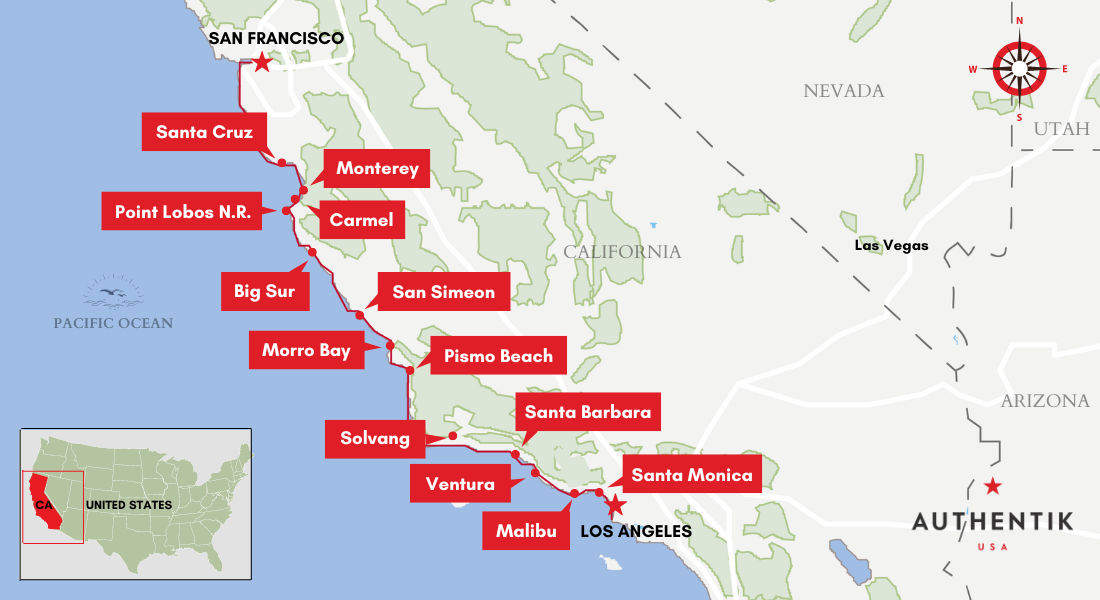
The physical distance between Los Angeles and Morro Bay is approximately 200 miles, depending on your exact starting point in Los Angeles and your chosen route. However, distance on a map only tells part of the story. The actual travel time is heavily influenced by traffic, particularly when departing from or arriving in the greater Los Angeles area, and the chosen mode of transportation.
Driving Routes and Estimated Travel Times
The most common and recommended way to travel from Los Angeles to Morro Bay is by car. This offers the most flexibility, allowing for spontaneous stops along the scenic California State Route 1 (also known as the Pacific Coast Highway) or the more direct U.S. Route 101.
The Coastal Route (via Highway 1)
Embarking on Highway 1 is an experience in itself, offering breathtaking ocean vistas and charming seaside towns. This route typically adds a bit more time to your journey but rewards travelers with unparalleled scenery.
- Starting Point: From Los Angeles, you would generally head north on U.S. Route 101 and then merge onto Highway 1 north of Santa Barbara.
- Key Stops: Along this path, you can detour through picturesque towns like Malibu, Ventura, Santa Barbara, Solvang (a Danish-inspired village), Pismo Beach, and San Luis Obispo.
- Estimated Travel Time: Without significant stops, this route can take approximately 4 to 5 hours. However, the true magic of the Pacific Coast Highway lies in its exploration, so budget at least an entire day if you plan to enjoy the stops. Be aware that sections of Highway 1 can sometimes be subject to closures due to landslides, so it’s always wise to check road conditions before you depart.
The Inland Route (via Highway 101)
For a more direct and often faster journey, sticking to U.S. Route 101 is the preferred method. This route generally experiences less traffic than some coastal stretches and offers a more straightforward drive.
- Starting Point: From Los Angeles, you will take U.S. Route 101 North for the majority of the journey.
- Key Cities Passed: This route takes you through areas like Ventura, Santa Barbara, and San Luis Obispo before you would eventually turn off for Morro Bay.
- Estimated Travel Time: This route typically takes around 3.5 to 4.5 hours, again, heavily dependent on traffic leaving Los Angeles. Traveling during off-peak hours (avoiding weekday rush hours and weekend afternoons) is highly recommended to minimize delays.
Factors Affecting Travel Time
Several variables can influence how long it takes to reach Morro Bay from Los Angeles. Understanding these will help you set realistic expectations for your journey.
Traffic Congestion
Los Angeles is notorious for its traffic. Departing during peak commuting hours (typically 6 AM to 10 AM and 3 PM to 7 PM on weekdays) can add significant time to your drive. Weekend travel, especially on Friday afternoons and Sunday evenings, can also be heavily congested as people travel in and out of the city for leisure. Planning your departure for mid-morning, early afternoon, or overnight can often result in a smoother, faster journey.
Road Conditions and Construction
While less common than traffic delays, road work or unexpected closures can impact travel times. It’s always advisable to check real-time traffic updates from sources like Google Maps, Waze, or the California Department of Transportation (Caltrans) website before setting out, especially if you are taking the coastal route.
Stops and Detours
The beauty of a road trip from Los Angeles to Morro Bay lies in the potential for exploration. Towns like Santa Barbara with its Stearns Wharf, the Danish village of Solvang, or the wineries of the Santa Ynez Valley are popular detours. Each stop, while adding to the enjoyment, will extend your overall travel duration.
Alternative Travel Options
While driving is the most popular method, other transportation options exist for reaching Morro Bay from Los Angeles, though they are often less direct or convenient.
Public Transportation
Direct public transportation between Los Angeles and Morro Bay is limited.
- Amtrak: You can take an Amtrak train from various stations in Los Angeles, such as Union Station, to San Luis Obispo. From the San Luis Obispo train station, you would then need to arrange for a taxi, rideshare, or local bus service (like the SLO Transit system, which may have routes connecting to Morro Bay) to complete the journey to Morro Bay. The train journey itself is scenic, offering a relaxed way to travel along parts of the coast.
- Bus Services: Intercity bus services like Greyhound or FlixBus may offer routes that pass through or near San Luis Obispo or other nearby towns. Similar to the train option, a local connection would be necessary to reach Morro Bay.
Flying
There are no direct commercial flights from Los Angeles to Morro Bay. The closest major airport is San Luis Obispo County Regional Airport (SBP), which serves a limited number of regional flights. Another option is to fly into Santa Barbara Municipal Airport (SBA), which has more flight options but is still a considerable distance from Morro Bay. From either of these airports, you would need to rent a car or arrange for other transportation to reach your final destination.
Planning Your Trip to Morro Bay
Understanding the distance is the first step. The next is to consider how you want to experience the journey and your destination. Morro Bay offers a distinct charm that contrasts sharply with the urban energy of Los Angeles.
When to Travel
The best time to travel from Los Angeles to Morro Bay depends on your priorities.
- Spring (March-May): Pleasant weather, wildflowers in bloom, and fewer crowds than summer.
- Summer (June-August): Warmest temperatures, ideal for beach activities, but also the busiest and most expensive season.
- Fall (September-November): Often considered the best time, with mild weather, fewer tourists, and the possibility of seeing sea otters.
- Winter (December-February): Cooler temperatures, occasional rain, but also the best chance for whale watching and a peaceful, cozy atmosphere.

Making the Most of Your Journey
Whether you choose the scenic coastal route or the more direct inland path, the journey itself can be a significant part of your travel experience.
- Embrace the Scenic Route: If time permits, dedicating a full day to travel via Highway 1 allows for exploration of gems like San Luis Obispo, Pismo Beach, and the charming towns along the way.
- Utilize Navigation Apps: Apps like Google Maps and Waze are invaluable for real-time traffic updates and finding the most efficient routes.
- Consider an Overnight Stop: If you’re not accustomed to long drives, breaking up the journey with an overnight stay in a place like Santa Barbara or San Luis Obispo can make the trip more relaxing and allow for further exploration.
The distance between Los Angeles and Morro Bay is easily bridgeable, offering a refreshing contrast to the urban landscape and a gateway to the natural beauty of California’s central coast. By understanding the routes, travel times, and factors influencing your journey, you can confidently plan an adventure to this captivating seaside destination.
LifeOutOfTheBox is a participant in the Amazon Services LLC Associates Program, an affiliate advertising program designed to provide a means for sites to earn advertising fees by advertising and linking to Amazon.com. Amazon, the Amazon logo, AmazonSupply, and the AmazonSupply logo are trademarks of Amazon.com, Inc. or its affiliates. As an Amazon Associate we earn affiliate commissions from qualifying purchases.