
The allure of the Grand Canyon is undeniable, a geological marvel that draws millions of visitors each year. For those embarking on a journey from the bustling metropolis of Los Angeles, the question of distance is a crucial one for planning an unforgettable adventure. While the direct line distance might be deceiving, the practicalities of travel involve navigating highways, considering time, and choosing the most suitable mode of transport to reach this natural wonder. Understanding the travel time, optimal routes, and the experiences awaiting at the canyon’s edge is key to transforming a road trip aspiration into a tangible itinerary.

Understanding the Distance and Drive Times
The Grand Canyon is not a singular entity but rather a vast expanse with multiple accessible rims, each offering a distinct perspective and requiring different travel approaches from Los Angeles. The most commonly visited sections are the South Rim and the West Rim, with the North Rim being a more remote and seasonal option. The distance and time taken to reach each of these varies significantly, impacting the overall travel plan.
The South Rim: The Most Popular Gateway
The South Rim of the Grand Canyon is the most developed and therefore the most popular destination. It offers iconic vistas, extensive visitor services, and a wide range of activities. The drive from Los Angeles to the South Rim typically takes approximately 7.5 to 8 hours of pure driving time, covering a distance of around 490 to 500 miles, depending on the specific route taken.
Route Considerations for the South Rim:
The most common and generally recommended route involves heading east on the I-15 North freeway out of the Los Angeles basin. This freeway will take you towards the Mojave Desert. You will then transition to CA-58 East towards Barstow, where you will connect with I-40 East. The I-40 East will carry you through Arizona, past cities like Kingman and Flagstaff. From Flagstaff, you will take AZ-64 North directly to the Grand Canyon National Park South Rim entrance.
It’s important to factor in stops for fuel, food, and rest. Driving straight through without significant breaks is not recommended and can be fatiguing. The Mojave Desert and the arid landscapes of Arizona offer unique scenery, making the drive itself part of the experience, though it can be visually monotonous for some. Advise to check traffic conditions, especially when departing from Los Angeles during peak hours or holidays, as delays can add considerable time to your journey.
The West Rim: Closer, but Different Experience
The West Rim, managed by the Hualapai Tribe, is geographically closer to Los Angeles and is home to the famous Skywalk. The drive to the West Rim is generally shorter, clocking in at around 4 to 4.5 hours, covering a distance of approximately 250 to 270 miles.
Route Considerations for the West Rim:
The route to the West Rim is more straightforward. You will typically take the I-15 North freeway from Los Angeles and then transition to US-93 North towards Las Vegas. Before reaching Las Vegas, you will turn off and follow local roads and signage that lead to the Grand Canyon West entrance. A significant portion of this route also passes through the Mojave Desert.
While closer, the West Rim experience is distinct from the South Rim. It offers a different perspective and a more curated set of attractions, including the Skywalk, helicopter tours, and cultural demonstrations. It’s crucial to note that the West Rim is not part of Grand Canyon National Park and requires separate admission fees, which can be higher than those at the South Rim.
The North Rim: A More Remote Wilderness
The North Rim is the least accessible of the main rims, offering a more remote and less crowded experience. It is only open seasonally, typically from mid-May to mid-October, due to heavy snowfall. The drive from Los Angeles to the North Rim is considerably longer and more complex, often exceeding 10 to 12 hours of driving time and covering over 500 miles.
Route Considerations for the North Rim:
Reaching the North Rim usually involves a similar initial route to the South Rim, heading east on I-15 North and then I-40 East. However, instead of turning north at Flagstaff, you would continue further east on I-40, potentially passing through towns like Winslow or Holbrook, and then take a series of state highways north through parts of Utah and back into Arizona. Alternatively, some routes might involve heading north from Flagstaff on US-89, then taking AZ-89A through the scenic Vermilion Cliffs National Monument area before connecting to AZ-67 North, which leads to the North Rim entrance. Due to its remoteness and the complexity of the drive, most visitors opt to stay overnight en route when traveling to the North Rim.
Travel Planning Essentials
Beyond the raw mileage and driving hours, effective planning is paramount for a successful trip from Los Angeles to the Grand Canyon. This involves choosing the right time to visit, considering accommodation, and preparing for the unique environment.
Best Times to Visit
The best time to visit the Grand Canyon largely depends on personal preferences and the rim you intend to visit. Spring (April to May) and fall (September to October) generally offer pleasant weather with fewer crowds, making them ideal for exploring the South Rim. Temperatures are moderate, and the landscapes are often at their most vibrant.

Summer (June to August) is the peak tourist season, with hot temperatures, especially in the inner canyon, and significantly larger crowds. While offering longer daylight hours for exploration, it requires more careful planning to avoid the heat and the throngs of visitors. Winter (November to March) brings a quieter experience to the South Rim, with cooler temperatures and the possibility of snow, which can create breathtakingly beautiful, albeit dramatic, scenery. The North Rim is closed during winter.
Accommodation Options
Securing accommodation well in advance is highly recommended, especially if you plan to stay within the national park boundaries or during peak season.
- Inside the Park (South Rim): Options include historic lodges like the El Tovar Hotel, Bright Angel Lodge, and Maswik Lodge, all offering convenient access to the canyon’s viewpoints and trails. These are managed by Xanterra Parks & Resorts. Reservations can fill up months, even a year, in advance.
- Grand Canyon Village Area (South Rim): Just outside the park entrance, the town of Tusayan offers a range of hotels, including well-known chains, providing a comfortable base with shuttle services often available to the park.
- Flagstaff (South Rim and North Rim access): This vibrant city is about an hour and a half south of the South Rim and serves as a convenient hub for visitors, offering a wider array of hotel and dining choices. It’s also a gateway for accessing the North Rim, though the drive from Flagstaff to the North Rim is considerable.
- West Rim: Accommodation options are more limited and are primarily located on or near the tribal land. Resorts like the Grand Canyon Ranch offer a unique experience.
Preparing for the Canyon Environment
The Grand Canyon is an arid environment, and preparation is key to a safe and enjoyable visit.
- Hydration: Carry and drink plenty of water, even if you don’t feel thirsty. Dehydration is a serious risk.
- Sun Protection: Wear sunscreen, a wide-brimmed hat, and sunglasses. The sun’s rays are intense at this altitude.
- Appropriate Footwear: Comfortable walking or hiking shoes are essential, especially if you plan to venture onto any of the trails.
- Layered Clothing: Temperatures can fluctuate significantly throughout the day and between rims. Dressing in layers allows you to adjust to changing conditions.
- Altitude: The South Rim sits at an elevation of about 7,000 feet (2,134 meters). Take it easy on your first day to acclimatize and avoid altitude sickness.
Beyond the Drive: Experiences at the Grand Canyon
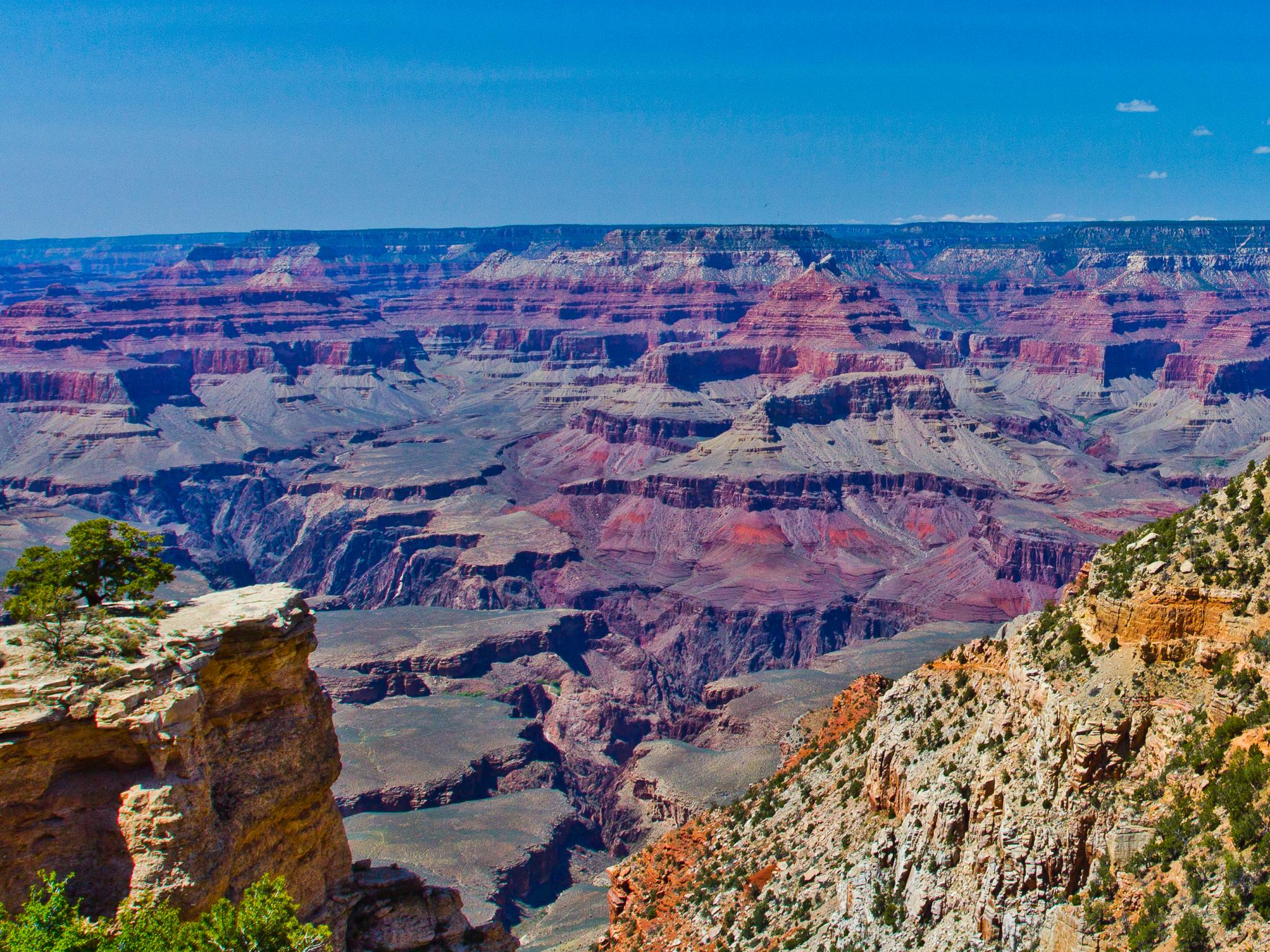
Once you’ve made the journey from Los Angeles, the true magic of the Grand Canyon unfolds. Whether you choose the expansive vistas of the South Rim, the dramatic edge of the West Rim, or the secluded beauty of the North Rim, the experiences are as varied as the canyon itself.
Exploring the South Rim
The South Rim provides unparalleled opportunities for sightseeing and activity.
- Scenic Drives and Viewpoints: Mather Point, Yavapai Point, Grandview Point, and Desert View Watchtower offer stunning panoramic views. The Hermit Road (accessible by shuttle bus for most of the year) provides access to a string of breathtaking viewpoints along the western edge of the South Rim.
- Hiking: Trails range from easy, paved rim trails like the Rim Trail, offering accessible views for all abilities, to more strenuous descents into the canyon, such as the Bright Angel Trail and the South Kaibab Trail. Day hikes into the canyon are possible but require significant preparation and awareness of the strenuous climb back up.
- Ranger Programs: The National Park Service offers a wealth of educational programs, guided walks, and evening talks, providing invaluable insights into the canyon’s geology, history, and ecology.
- Visitor Centers: The main Grand Canyon Visitor Center near Mather Point offers informative exhibits and orientation films.
Experiencing the West Rim
The West Rim offers a more commercially developed and accessible experience.
- The Grand Canyon Skywalk: This iconic glass-bottomed walkway extends out over the canyon, offering a thrilling and unique perspective of the abyss below. Photography on the Skywalk itself is prohibited, but there are designated areas for photos.
- Helicopter and Air Tours: Several operators offer aerial tours, providing a bird’s-eye view of the canyon’s vastness and intricate geological formations, often departing from the West Rim’s helipad.
- Hualapai Ranch and Cultural Demonstrations: Visitors can experience aspects of the Hualapai Tribe’s culture through demonstrations, traditional meals, and opportunities to learn about their history and connection to the land.
- Eagle Point and Guano Point: These are two of the main viewpoints at the West Rim, each offering distinct perspectives. Eagle Point is the location of the Skywalk, while Guano Point offers stunning panoramic views and remnants of an old guano mine.
Embracing the North Rim’s Serenity
The North Rim, with its higher elevation and lush forests, provides a tranquil escape.
- Cape Royal and Point Imperial: These viewpoints offer spectacular vistas, with Point Imperial being the highest point on either rim of the Grand Canyon.
- Hiking: The Transept Trail and the Cape Final Trail are popular options for exploring the rim, offering a more intimate connection with the natural surroundings.
- Kaibab Lodge and Grand Canyon Lodge: These historic lodges provide lodging and dining, set against a backdrop of serene wilderness.
The journey from Los Angeles to the Grand Canyon is more than just a measure of miles; it’s an invitation to explore one of the world’s most magnificent natural wonders. Whether you prioritize proximity, iconic views, or a more secluded experience, understanding the distances, routes, and planning essentials will pave the way for an awe-inspiring adventure.
LifeOutOfTheBox is a participant in the Amazon Services LLC Associates Program, an affiliate advertising program designed to provide a means for sites to earn advertising fees by advertising and linking to Amazon.com. Amazon, the Amazon logo, AmazonSupply, and the AmazonSupply logo are trademarks of Amazon.com, Inc. or its affiliates. As an Amazon Associate we earn affiliate commissions from qualifying purchases.