
The journey from San Jose to Los Angeles is a classic California road trip, traversing a significant portion of the Golden State. While the precise distance can vary slightly depending on the chosen route and starting/ending points within each sprawling metropolitan area, the core objective remains the same: bridging the approximately 350-mile gap between these two iconic cities. This distance is more than just miles on a map; it represents a transition from the tech-centric innovation of Silicon Valley to the entertainment capital of the world, a shift that can be experienced in myriad ways, each offering a unique perspective on the diverse landscapes and cultures of California.
Understanding the Distance: More Than Just Miles
The distance between San Jose and Los Angeles is not a static figure. It’s influenced by the specific path taken. The most common and direct routes generally fall within a narrow range, but the choice of highway significantly impacts the travel time and the sights encountered along the way. Understanding these variations is key to planning an efficient and enjoyable trip.
The Primary Routes and Their Distances
Two main corridors dominate the travel between San Jose and Los Angeles:
-
Interstate 5 (I-5) South: This is the most direct and often the fastest route. It cuts inland, passing through the Central Valley. The distance via I-5 is typically around 350 miles. This highway is known for its efficiency, with fewer curves and generally higher speed limits, making it a favorite for those prioritizing speed. However, it can also be the least scenic, characterized by vast agricultural landscapes and occasional stretches of less engaging terrain. Traffic, especially around major junctions and during peak hours, can be a significant factor impacting travel time.
-
U.S. Route 101 (US-101) South: This route offers a more scenic, coastal-influenced experience, especially as it winds through the Central Coast. While slightly longer, typically ranging from 370 to 400 miles, it provides access to charming towns and stunning ocean vistas. US-101 offers a more relaxed journey, allowing for spontaneous stops in places like Santa Barbara or San Luis Obispo. The trade-off for this beauty is usually a longer travel time due to lower speed limits and more winding sections, particularly along the coast.
Factors Affecting Travel Time
While the mileage is a primary determinant, actual travel time is a complex equation influenced by several variables:
- Traffic Congestion: Both San Jose and Los Angeles are major metropolitan areas, and the corridors connecting them are heavily trafficked. Expect significant delays during weekday rush hours (typically 6-9 AM and 3-7 PM), as well as on weekends and holidays, especially around popular coastal attractions. Los Angeles itself is notorious for its traffic.
- Road Construction and Detours: California is continuously working on its infrastructure. Unforeseen road closures, construction projects, or accidents can add substantial time to your journey. It’s always advisable to check real-time traffic updates before and during your trip.
- Stops and Breaks: The distance is substantial, and most travelers will need to stop for fuel, food, and rest breaks. The number and duration of these stops will directly add to the total elapsed time.
- Time of Day: Traveling overnight or during off-peak hours can significantly reduce transit time, especially on I-5.
- Weather Conditions: While California’s climate is generally favorable, heavy rains can impact visibility and driving conditions, particularly on the winding sections of US-101 or in the mountain passes near I-5.
Planning Your Journey: Choosing the Right Path
The decision of how far San Jose is to Los Angeles is intimately tied to how you wish to travel. This distance offers a spectrum of experiences, from the utilitarian to the picturesque.
The Expedited Approach: Interstate 5 (I-5)
For travelers whose primary goal is to reach Los Angeles as efficiently as possible, I-5 is the undisputed champion.
- Pros:
- Shortest Distance: Approximately 350 miles.
- Fastest Potential Travel Time: Without significant traffic, this route can be completed in 5-6 hours.
- Straightforward Navigation: Largely a straightforward highway drive.
- Cons:
- Limited Scenery: Dominated by agricultural fields and less engaging landscapes.
- Traffic Hotspots: Significant congestion can occur around the Grapevine pass and as you approach the Los Angeles basin.
- Fewer Tourist Attractions: Limited opportunities for spontaneous sightseeing directly off the freeway.
The Scenic Sojourn: U.S. Route 101 (US-101)
If the journey itself is part of the adventure, US-101 offers a more rewarding experience.
- Pros:
- Breathtaking Coastal Views: Particularly along the Central Coast, offering stunning ocean panoramas.
- Charming Towns and Cities: Opportunities to stop in picturesque locations like Solvang, San Luis Obispo, and Santa Barbara.
- Diverse Landscapes: Transitions from rolling hills to coastal bluffs and stretches of vineyard country.
- Cons:
- Longer Distance: Typically 370-400 miles.
- Slower Travel Time: Can take 7-9 hours or more, depending on stops and traffic.
- More Complex Navigation: Involves more towns, lower speed limits, and winding roads.
Hybrid Approaches
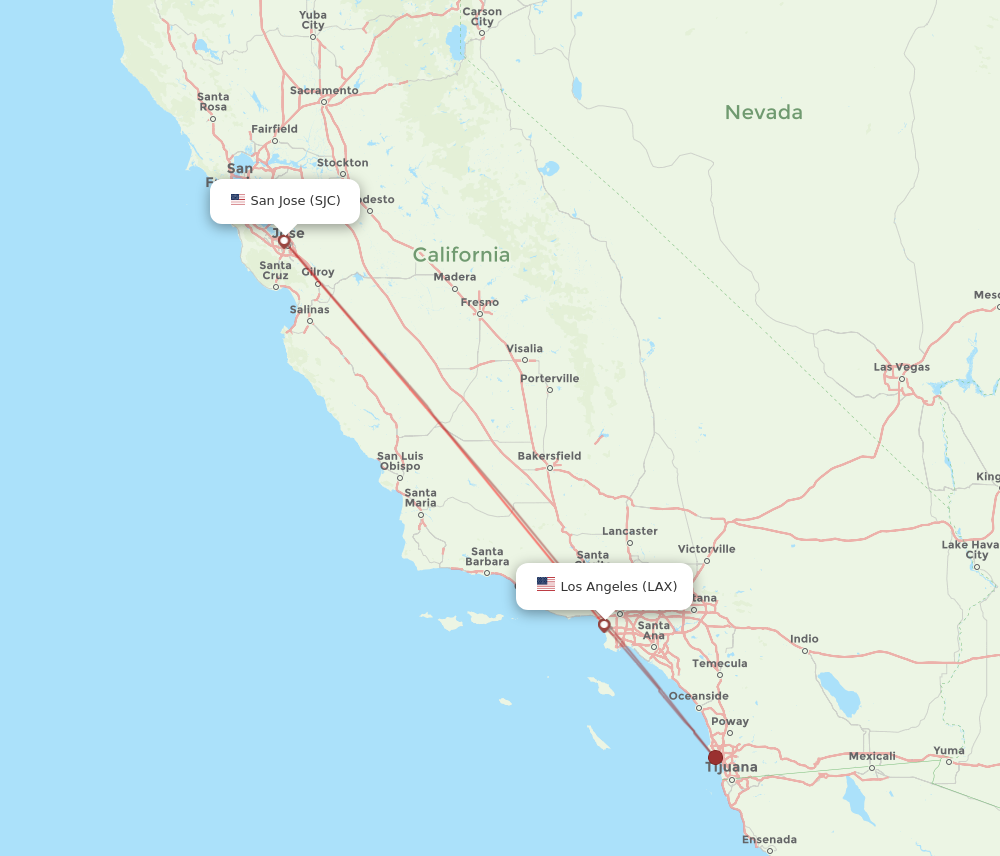
Many travelers opt for a blend of these routes, perhaps taking I-5 south for a portion of the journey and then diverting to US-101 to experience the coast, or vice versa. This allows for a balance between speed and scenic enjoyment. For instance, one might drive down I-5 to a point south of Bakersfield and then cut over to the coast via Highway 166 or Highway 46 to reach US-101.
Essential Considerations for the Drive
Regardless of the chosen route, a successful trip from San Jose to Los Angeles hinges on proper preparation. The distance necessitates more than just a full tank of gas.
Vehicle Maintenance and Safety
Before embarking on any long drive, ensure your vehicle is in optimal condition.
- Tire Pressure: Properly inflated tires are crucial for fuel efficiency and safety, especially on long stretches of highway.
- Fluid Levels: Check engine oil, coolant, brake fluid, and windshield washer fluid.
- Brakes: Ensure your brakes are in good working order.
- Emergency Kit: Pack a basic emergency kit including jumper cables, a first-aid kit, a flashlight, and non-perishable snacks.
Navigation Tools
Modern navigation apps are invaluable for this journey.
- GPS Devices/Apps: Utilize apps like Google Maps or Waze, which provide real-time traffic updates, suggest alternative routes, and estimate arrival times based on current conditions. Download offline maps in case of spotty service, particularly in more remote stretches of I-5.
- Physical Maps: It’s always wise to have a backup, especially if relying solely on GPS in areas with poor reception.
Planning for Stops
The distance requires at least one significant stop, and likely more.
- Service Areas: I-5 has designated rest areas and service plazas, particularly around the Grapevine section.
- Towns and Cities: US-101 offers more numerous and varied options for dining and rest, from small cafes to established restaurants in towns like Paso Robles or Ventura.
- Attractions: If choosing the scenic route, factor in time to explore points of interest such as the Hearst Castle area or the beaches of San Luis Obispo County.
Accommodation Options
For those breaking up the journey, numerous towns along both routes offer a variety of accommodations.
- Mid-point Cities: Bakersfield on I-5 and San Luis Obispo or Santa Maria on US-101 are common stopping points with a wide range of hotels and motels.
- Coastal Charm: Towns like Pismo Beach or Morro Bay offer unique stays along the coast, ideal for those seeking a more leisurely pace.
Experiencing the Transition: From Silicon Valley to Southern California
The drive from San Jose to Los Angeles is more than just a geographical movement; it’s a cultural and sensory shift. The distance represents a transition from the intellectual hub of Northern California to the vibrant, sun-drenched energy of Southern California.
The Northern California Departure
Leaving San Jose means departing from a region known for its technological prowess, picturesque vineyards, and the natural beauty of the Santa Cruz Mountains. The initial leg of the journey, whether on I-5 or US-101, still carries echoes of this landscape before diverging.
The Central Valley or Coastal Interlude
As the miles unfold, the landscape transforms.
- I-5 Corridor: The vast agricultural plains of the Central Valley dominate, with endless fields of crops stretching to the horizon. This section is often characterized by its utilitarian nature, serving primarily as a conduit for efficient travel. Towns like Coalinga and Kettleman City serve as brief respites.
- US-101 Corridor: This route offers a more diverse visual feast. The rolling hills of Salinas Valley, the dramatic coastline near Big Sur (though this requires a slight detour and significant extra time), and the charming Spanish-influenced architecture of coastal towns provide a rich tapestry of scenery.

Arrival in the Southland
The final approach to Los Angeles is marked by an unmistakable shift in atmosphere and urban density. The landscape becomes more developed, the air warmer, and the distinct energy of Southern California begins to permeate. The approach on I-5 often involves navigating through the sprawling suburbs and industrial areas before reaching the heart of the city. US-101 offers a more gradual integration, often passing through iconic beach communities like Santa Monica before entering the urban core.
Understanding “How Far San Jose To Los Angeles?” is not merely about calculating mileage. It’s about appreciating the diverse Californian tapestry that lies between these two major hubs and choosing the path that best suits your travel style, priorities, and desire for exploration. Whether you seek the swiftness of the inland freeway or the allure of the coastal highway, the journey offers a compelling insight into the breadth and beauty of the Golden State.
LifeOutOfTheBox is a participant in the Amazon Services LLC Associates Program, an affiliate advertising program designed to provide a means for sites to earn advertising fees by advertising and linking to Amazon.com. Amazon, the Amazon logo, AmazonSupply, and the AmazonSupply logo are trademarks of Amazon.com, Inc. or its affiliates. As an Amazon Associate we earn affiliate commissions from qualifying purchases.