
The question of “How Many Homeless Los Angeles?” is a complex and multifaceted one, touching upon significant social, economic, and urban planning challenges. While a precise, static number remains elusive, understanding the scale of homelessness in Los Angeles involves delving into official counts, contributing factors, and the multifaceted impact on the city. This inquiry is not merely about statistics; it’s about comprehending a profound human crisis that shapes the lived experience of a significant portion of the population and influences the very fabric of the city.
Understanding the Official Count: Point-in-Time (PIT) Data
The primary method for quantifying homelessness in the United States is the annual Point-in-Time (PIT) count. Conducted on a single night in January, this count aims to provide a snapshot of the number of individuals experiencing homelessness on that specific night. In Los Angeles County, this count is meticulously organized and executed by various agencies, most notably the Los Angeles Homeless Services Authority (LAHSA).
The 2023 PIT Count: A Stark Reality
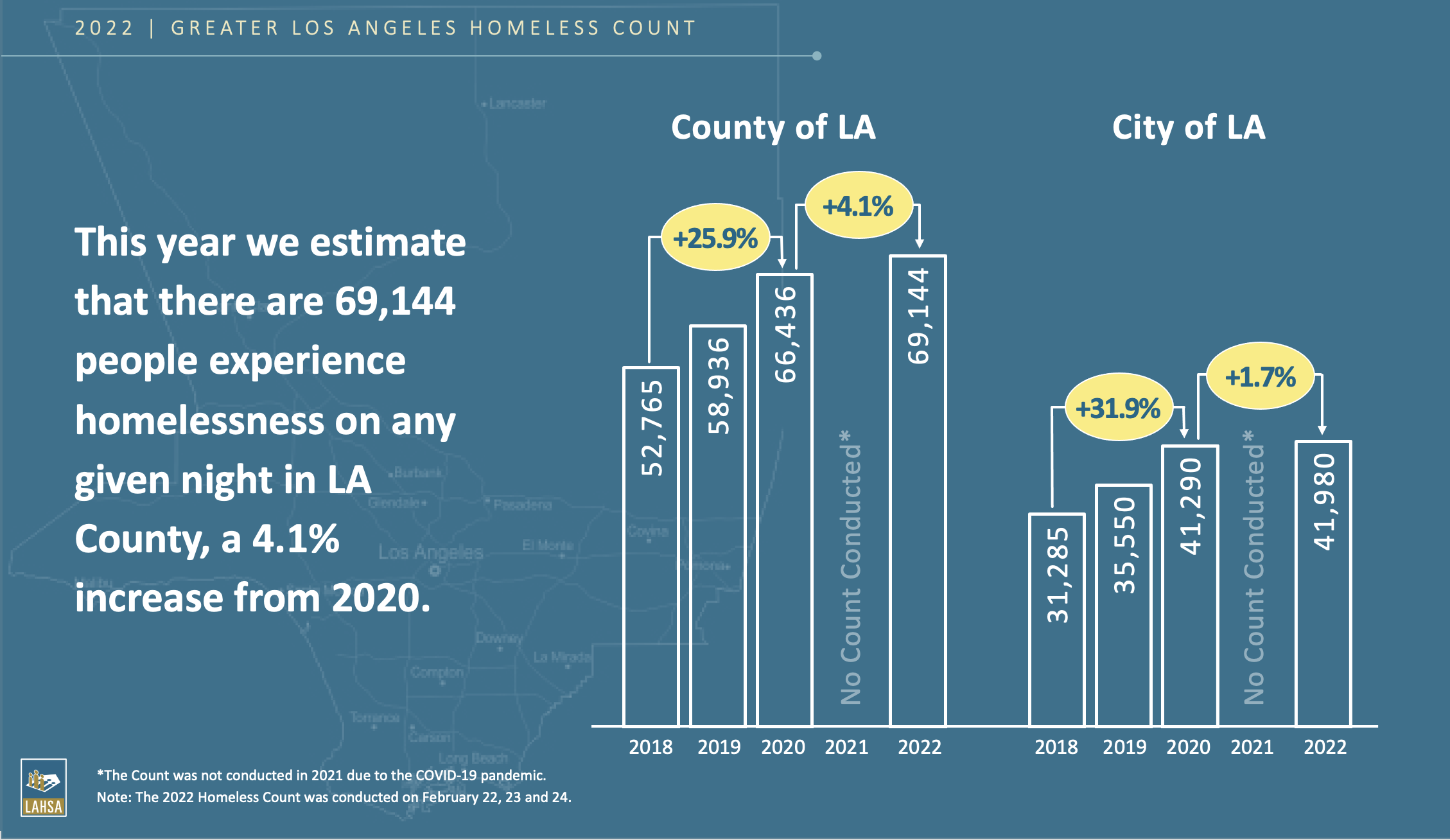
The most recent comprehensive data from the 2023 PIT count revealed a sobering increase in homelessness across Los Angeles County. Officials reported approximately 75,518 individuals experiencing homelessness on that night. This figure represents a significant rise from previous years, underscoring the persistent and escalating nature of the crisis. The count includes individuals living in emergency shelters, transitional housing, safe parking programs, and unsheltered locations such as streets, encampments, vehicles, and abandoned buildings.
Methodology and Limitations of the PIT Count
It is crucial to understand the methodology and inherent limitations of the PIT count. Trained volunteers and outreach workers conduct the count, canvassing the entire county to identify and survey individuals experiencing homelessness. While extensive efforts are made to be thorough, the count is a snapshot in time. It does not capture individuals who might have found temporary shelter on the night of the count, those who are temporarily staying with friends or family, or those who are on the verge of homelessness. Furthermore, reaching all unsheltered individuals, especially those in remote areas or who are transient, presents logistical challenges. Therefore, the PIT count should be viewed as a minimum estimate, indicating the scale of the problem rather than an absolute, definitive number.
Trends and Trajectories
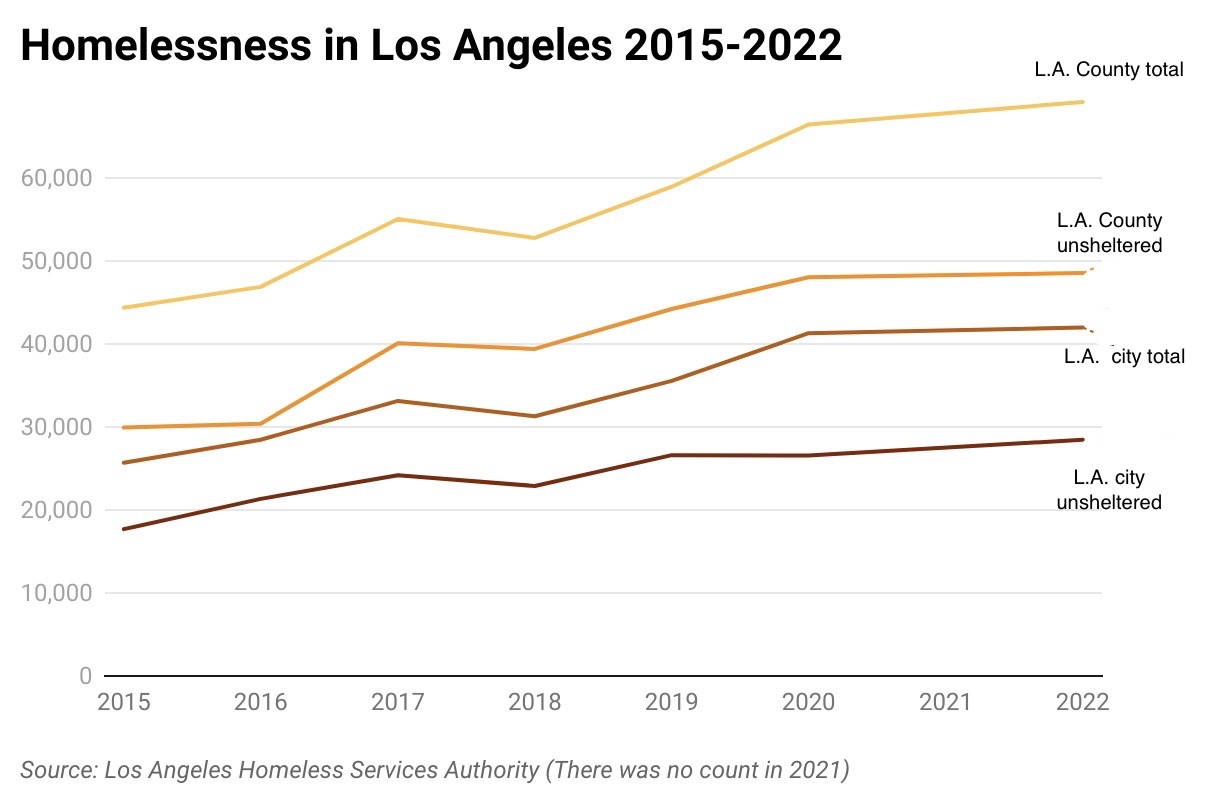
Analyzing trends over several years provides valuable insight into the trajectory of homelessness. In Los Angeles County, the trend has unfortunately been upward for much of the past decade, despite significant efforts and investments in addressing the issue. This persistent increase highlights the systemic nature of the problem and the need for sustained, multifaceted solutions. Understanding these trends is essential for policymakers, service providers, and the public to advocate for effective interventions.
Contributing Factors to Homelessness in Los Angeles
The factors contributing to homelessness in Los Angeles are deeply intertwined and complex, reflecting a confluence of economic, social, and systemic issues. No single cause can fully explain the prevalence of this crisis.
The Affordable Housing Crisis
Perhaps the most significant driver of homelessness in Los Angeles is the severe shortage of affordable housing. The region has one of the most expensive housing markets in the nation, with rapidly escalating rents far outpacing wage growth for many residents. This makes it increasingly difficult for low-income individuals and families to secure and maintain stable housing.
Rent Burden and Evictions
A substantial portion of Los Angeles residents are rent-burdened, meaning they spend more than 30% of their income on rent. For those in the lowest income brackets, this burden can easily exceed 50%. When unexpected expenses arise – such as medical bills, job loss, or vehicle repairs – these households are pushed to the brink, often leading to eviction and subsequent homelessness. The lack of rent control or adequate tenant protections in many parts of the city exacerbates this vulnerability.
Limited Housing Stock
The construction of new housing units, particularly affordable and low-income housing, has not kept pace with population growth and demand. Restrictive zoning laws, lengthy permitting processes, and high construction costs contribute to this chronic undersupply. This imbalance between supply and demand inevitably drives up housing prices, making the dream of stable housing unattainable for a growing segment of the population.
Economic Instability and Poverty
Widespread poverty and economic instability are foundational to the homelessness crisis. Many individuals experiencing homelessness work low-wage jobs that do not provide a living wage, leaving them perpetually struggling to cover basic necessities, let alone rent.
Stagnant Wages vs. Rising Costs
While the cost of living in Los Angeles has soared, wages for many entry-level and service sector jobs have remained relatively stagnant. This widening gap means that even full-time employment can be insufficient to afford basic housing in the region. The increasing reliance on the gig economy and contract work also contributes to income volatility for many.
Job Loss and Underemployment
Unexpected job loss, reduced working hours, or underemployment can quickly plunge individuals and families into financial precarity. Without adequate savings or a robust social safety net, these economic shocks can lead directly to housing loss.
Mental Health and Substance Use Disorders
Mental health challenges and substance use disorders are often cited as significant contributing factors to homelessness, and in many cases, they are. However, it’s crucial to avoid a simplistic causal link. For many, these conditions are exacerbated by the trauma and stress of homelessness itself, rather than being the sole initiating cause.
The Cycle of Trauma and Illness
Individuals experiencing chronic homelessness often suffer from trauma, whether from past abuse, violence, or the daily struggles of life on the streets. This trauma can significantly impact mental well-being, leading to conditions like depression, anxiety, and post-traumatic stress disorder (PTSD). Similarly, the stress and despair associated with homelessness can trigger or worsen substance use as a coping mechanism.
Access to Care
A critical challenge is the lack of accessible and affordable mental health and substance use treatment services. Many individuals struggling with these issues are unable to access the care they need due to cost, availability, or the logistical barriers of seeking treatment while experiencing homelessness. This creates a vicious cycle where untreated conditions make it harder to secure housing, and lack of housing makes it harder to receive treatment.
Systemic Failures and Social Determinants
Beyond individual circumstances, broader systemic issues and social determinants play a crucial role in perpetuating homelessness.
Deinstitutionalization and Lack of Support
Historical shifts, such as the deinstitutionalization of mental health facilities without adequate community-based support systems, have left many vulnerable individuals without the necessary care and housing solutions.
Incarceration and Re-entry Challenges
The criminal justice system can also be a pipeline to homelessness. Individuals exiting incarceration often face significant barriers to employment and housing, particularly if they have a criminal record. Without adequate re-entry programs and support, many find themselves homeless upon release.
Domestic Violence and Family Breakdown
Experiences of domestic violence can force individuals, often women with children, to flee their homes to escape abuse, leading to immediate homelessness. Family disputes or breakdown can also result in young people being forced out of their homes.
The Visible Impact: Living with Homelessness in Los Angeles
The presence of homelessness is a visible and undeniable aspect of the Los Angeles landscape. Encampments along freeways, sidewalks, and public spaces are common sights, impacting both those experiencing homelessness and the broader community. Understanding this visible impact is essential for fostering empathy and driving effective solutions.
Challenges Faced by Individuals Experiencing Homelessness
Life on the streets of Los Angeles is fraught with daily challenges and dangers. Beyond the lack of shelter, individuals face:
- Safety Concerns: Constant vulnerability to crime, harassment, and the elements.
- Health Issues: Difficulty accessing healthcare, sanitation, and nutritious food, leading to a decline in physical and mental health.
- Loss of Dignity and Social Isolation: The stigma associated with homelessness can lead to profound feelings of shame, isolation, and dehumanization.
- Lack of Basic Amenities: Inability to access restrooms, showers, laundry facilities, or safe places to store personal belongings.
- Difficulty in Securing Employment and Services: The lack of a stable address, phone number, or clean appearance often creates insurmountable barriers to finding employment or accessing social services.
Impact on the Urban Environment
The presence of homelessness has a tangible impact on the urban environment of Los Angeles. This includes:
- Strain on Public Services: Increased demand on emergency services, sanitation departments, and law enforcement.
- Public Space Usage: Encampments and individuals sleeping in public spaces can lead to conflicts over the use of parks, sidewalks, and other common areas.
- Economic Concerns: Perceptions of homelessness can sometimes affect tourism and business investment, although many argue that addressing homelessness is ultimately an economic benefit by creating jobs in service provision and housing development.
- Community Relations: The issue can create tension and division within communities, highlighting the need for constructive dialogue and collaborative solutions.
Moving Forward: Addressing the Homelessness Crisis
Addressing the scale of homelessness in Los Angeles requires a multi-pronged approach that tackles both immediate needs and long-term systemic issues.
The “Housing First” Model
A widely recognized and effective strategy is the “Housing First” model. This approach prioritizes providing permanent supportive housing to individuals experiencing homelessness, without preconditions such as sobriety or participation in treatment programs. The philosophy is that stable housing provides the foundation necessary for individuals to address other challenges they may face, such as mental health issues, substance use, or unemployment.
Success Stories and Challenges
Housing First initiatives in Los Angeles have demonstrated significant success in housing individuals and reducing recidivism. However, scaling these programs to meet the immense need is a significant challenge, often hampered by funding limitations, the availability of suitable housing units, and NIMBYism (Not In My Backyard) sentiments in some communities.
Investment in Affordable Housing Development
A critical long-term solution is a substantial and sustained investment in the development of affordable housing units across Los Angeles. This includes:
- Incentivizing Developers: Providing financial incentives, streamlining permitting, and reducing regulatory hurdles for developers building affordable and supportive housing.
- Preserving Existing Affordable Housing: Implementing policies to prevent the loss of existing affordable housing stock through conversion or neglect.
- Expanding Rental Assistance: Increasing funding for rental subsidies and vouchers to help low-income individuals and families afford market-rate housing.
Comprehensive Support Services
Beyond housing, access to comprehensive support services is vital. This includes:
- Mental Health and Substance Use Treatment: Expanding access to affordable, culturally competent mental health care and substance use treatment programs.
- Job Training and Employment Services: Providing skills training, resume assistance, and job placement services tailored to the needs of individuals transitioning out of homelessness.
- Healthcare Access: Ensuring access to primary care, dental care, and specialized medical services.
- Case Management: Offering intensive case management to help individuals navigate complex systems, access resources, and achieve long-term stability.
Public Awareness and Political Will
Ultimately, addressing homelessness in Los Angeles requires sustained public awareness, empathy, and the unwavering political will to implement and fund effective solutions. The question of “How Many Homeless Los Angeles?” is not just a statistical inquiry, but a call to action to build a more equitable and compassionate city for all its residents.
LifeOutOfTheBox is a participant in the Amazon Services LLC Associates Program, an affiliate advertising program designed to provide a means for sites to earn advertising fees by advertising and linking to Amazon.com. Amazon, the Amazon logo, AmazonSupply, and the AmazonSupply logo are trademarks of Amazon.com, Inc. or its affiliates. As an Amazon Associate we earn affiliate commissions from qualifying purchases.