
Ah, Florida—the Sunshine State, a captivating canvas of pristine beaches, vibrant cities, and unparalleled natural beauty. From the enchanting theme parks of Orlando to the historic charm of St. Augustine and the breathtaking coral reefs of the Florida Keys, this diverse destination consistently tops travel wish lists. It’s a haven for families seeking adventure, couples desiring romantic getaways, and solo travelers eager to explore its rich culture and landscapes. However, any conversation about visiting or residing in Florida would be incomplete without addressing an important natural phenomenon: hurricanes. While these powerful storms are an undeniable aspect of the region’s climate, understanding their patterns and preparing for their potential impact can transform uncertainty into informed confidence, ensuring your Florida experience remains as sunny as its reputation.
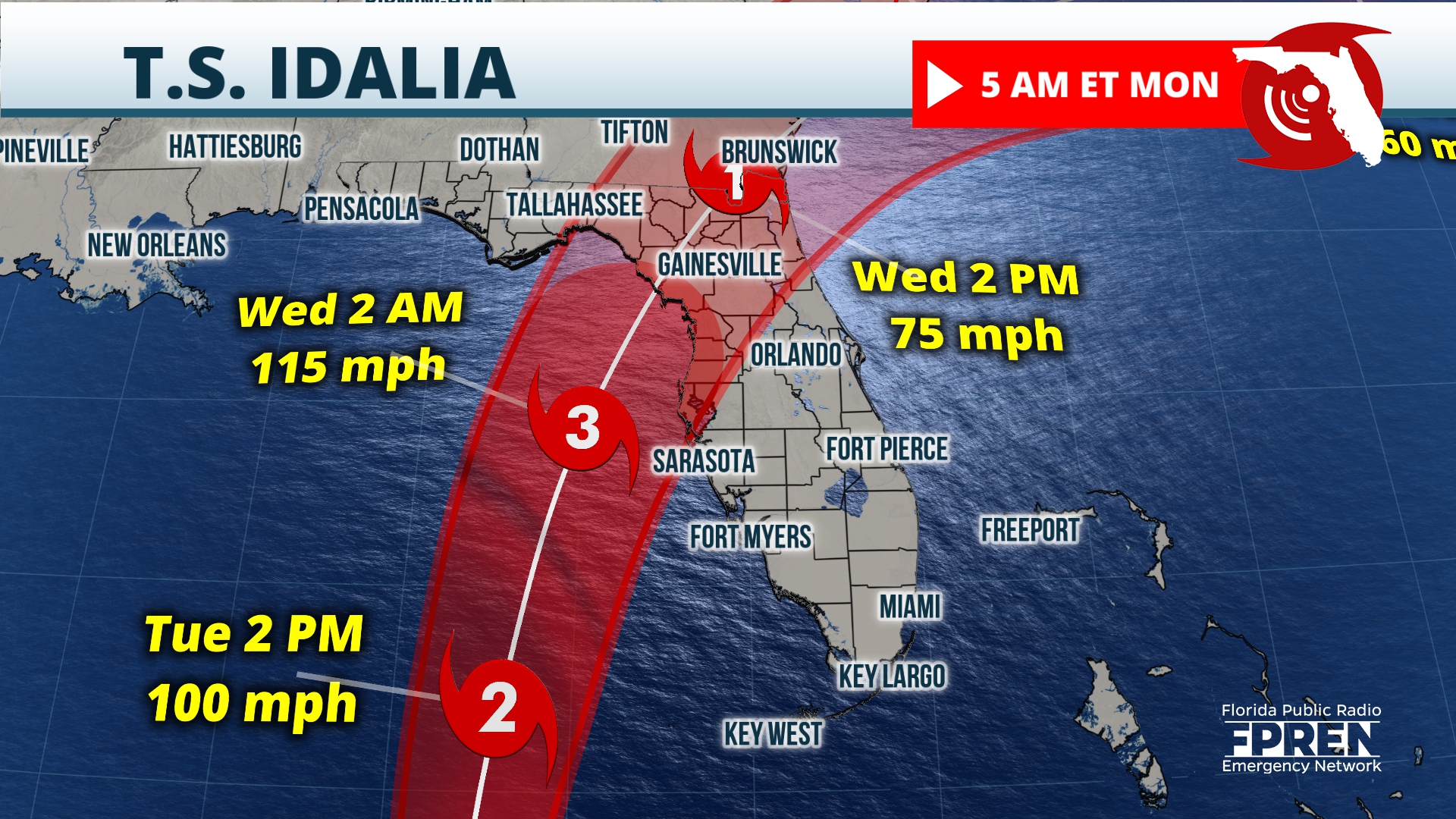
The prospect of a hurricane might seem daunting, especially for those planning a vacation or considering a long-term stay. Yet, millions of people safely visit and live in Florida every year, enjoying its many treasures without incident. The key lies in knowledge, preparation, and knowing when these events are most likely to occur. This comprehensive guide aims to demystify Florida’s hurricane season, offering insights into historical trends, essential preparation tips, and practical advice to help you navigate the weather with peace of mind. Whether you’re dreaming of a luxury resort stay in Miami, an adventurous exploration of the Everglades National Park, or simply relaxing on the white sands of Sarasota, being well-informed is your best travel companion.
Understanding Florida’s Hurricane Season
The first step to navigating the hurricane landscape in Florida is understanding the official season. This knowledge empowers travelers and residents alike to plan accordingly, making informed decisions about when to visit, when to exercise extra caution, and what preparations to undertake.
The Official Window: June 1st to November 30th
The Atlantic hurricane season officially spans from June 1st to November 30th each year. This six-month period is when conditions in the Atlantic Ocean, Caribbean Sea, and the Gulf of Mexico are most conducive to the formation and intensification of tropical storms and hurricanes. While storms can occasionally form outside this window, the vast majority occur within these months.
During this period, warm ocean waters provide the necessary fuel for tropical cyclones, and atmospheric conditions often align to support their development. It’s important to remember that this is a season, not a guarantee of a storm. Many hurricane seasons pass with minimal impact on Florida, while others may see significant activity. The presence of the season simply means that residents and visitors should remain aware and prepared.
The Peak Hurricane Months
While the season covers half the year, historical data clearly indicates a distinct peak in hurricane activity. The months of August, September, and October are statistically the most active for tropical cyclones affecting Florida and the broader United States coastline.
- August: As ocean temperatures continue to rise throughout the summer, the first major increase in storm formation typically occurs in August. These storms often originate from African easterly waves that travel across the Atlantic, gradually strengthening over warm waters.
- September: This is, without a doubt, the historical peak of the hurricane season. September sees the highest number of named storms and major hurricanes. The ocean is at its warmest, and wind shear—a factor that can disrupt storm formation—is often at its lowest, creating an optimal environment for powerful systems to develop and track towards landmasses like Florida.
- October: Activity begins to gradually decrease in October, but this month can still produce very significant hurricanes. Storms forming later in the season sometimes develop closer to the United States mainland or in the Caribbean, meaning they can develop and intensify rapidly, leaving less time for preparation.
Understanding these peak months can help you make informed decisions about your travel plans. While visiting Florida during the peak season is certainly possible and enjoyed by many, it’s also the period when heightened awareness and more thorough preparation are most advisable. Many resorts and attractions continue to operate normally, often with contingency plans in place.
Beyond the Statistics: Early and Late Season Threats
While the mid-season months grab most of the attention, it’s crucial not to overlook the bookends of the hurricane season.
- Early Season (June-July): Storms in June and July are typically less frequent and often form closer to Florida in the Gulf of Mexico or the western Atlantic. While less common, these storms can still be potent and catch people off guard due to the perceived “early” timing. They tend to be smaller in size but can bring significant rainfall and local flooding.
- Late Season (November): As November arrives, the hurricane season is winding down, and ocean temperatures cool. However, strong storms can still develop, particularly in the western Caribbean or Gulf of Mexico. These late-season hurricanes, though rare, can be just as destructive. For instance, Hurricane Eta in 2020 impacted Florida in early November as a tropical storm.
The message is clear: while the peak months demand vigilance, the entire official season warrants a baseline level of awareness.
Major Hurricanes That Have Shaped Florida’s History
Florida has a long and storied history with hurricanes. These powerful natural events have periodically reshaped its landscapes, challenged its communities, and profoundly influenced its development. Examining some of the most impactful storms provides valuable context and underscores the importance of preparedness.
A Glimpse into Florida’s Resilient Past
The state has faced numerous severe hurricanes, each leaving its mark and contributing to the collective experience and resilience of its residents. Here are a few notable examples:
- Hurricane Andrew (1992): This Category 5 monster remains one of the most destructive hurricanes in United States history. It made landfall in South Florida, particularly devastating Miami-Dade County with its extreme winds. While the death toll was relatively low due to effective evacuations, the property damage was astronomical, forever changing the landscape and building codes in the region.
- Hurricane Charley (2004): Charley was a compact but incredibly powerful Category 4 hurricane that underwent rapid intensification just before making landfall in Southwest Florida. Its unexpected track shift and intense winds caused widespread damage, particularly to properties not built to withstand such a strong and sudden impact.
- Hurricane Irma (2017): A truly massive storm, Hurricane Irma impacted nearly the entire state of Florida. After devastating the Florida Keys as a Category 4, it tracked up the peninsula, bringing hurricane-force winds to Miami, Naples, and even inland cities like Orlando. The storm caused widespread power outages and significant flooding, underscoring the vulnerability of different parts of the state.
- Hurricane Ian (2022): One of the most destructive storms to hit Florida in recent memory, Hurricane Ian made landfall as a powerful Category 4 hurricane in Southwest Florida, specifically near Cayo Costa and the Fort Myers area. It brought catastrophic storm surge to coastal communities like Fort Myers Beach, Sanibel Island, and Naples, alongside devastating winds and inland flooding. The recovery efforts in these areas continue to this day, highlighting the long-term impacts of such severe events.
These historical events serve as powerful reminders of the potential dangers of hurricanes but also showcase Florida’s remarkable capacity for recovery and adaptation.
Lessons Learned from Historical Events
Every hurricane that impacts Florida offers invaluable lessons, which the state diligently incorporates into its preparedness and response strategies.
- Improved Building Codes: Post-Andrew, Florida implemented some of the strictest building codes in the United States, particularly in coastal areas. These codes mandate stronger construction materials and methods, making newer homes and commercial properties significantly more resistant to high winds.
- Enhanced Evacuation Procedures: The widespread impact of storms like Irma has refined evacuation plans, emphasizing phased approaches and better communication channels to ensure timely and safe departures from vulnerable areas.
- Technological Advancements in Forecasting: Thanks to the dedicated work of organizations like the National Hurricane Center (NHC) and the National Weather Service (NWS), hurricane forecasting has become incredibly sophisticated. While predicting exact landfall points and intensities remains challenging, the accuracy of track and intensity forecasts has vastly improved over the decades, providing more lead time for preparations.
- Community Resilience: The aftermath of major storms like Ian demonstrates the enduring spirit of Florida’s communities. Neighbors help neighbors, volunteers flock to affected areas, and state and federal agencies like the Federal Emergency Management Agency (FEMA) and the Florida Division of Emergency Management mobilize massive resources for recovery.
These lessons form the bedrock of Florida’s proactive approach to hurricane preparedness, making it one of the most experienced and resilient regions in the world when it comes to managing these powerful storms.
Preparing for a Hurricane: A Traveler’s and Resident’s Guide
Preparation is paramount when it comes to hurricanes. While the state’s infrastructure and emergency services are robust, individual preparedness plays a crucial role in safety and peace of mind. This section offers practical advice for both visitors and long-term residents.
Before You Travel: Research and Insurance
For travelers, pre-trip planning is the first line of defense:
- Timing Your Visit: If the idea of a hurricane causes significant anxiety, consider visiting Florida outside the peak hurricane months (June-November), perhaps during the delightful spring (March-May) or early winter (December-February) seasons when the weather is typically superb and the crowds might be thinner.
- Travel Insurance: This is non-negotiable for travel during hurricane season. Look for policies that specifically cover weather-related disruptions, including trip cancellation, interruption due to mandatory evacuations, and even costs associated with delayed travel. Read the fine print carefully to understand what is and isn’t covered. Some policies require purchase before a storm is named.
- Stay Informed Before Departure: A few days before your trip, check the long-range weather forecast for your destination. Monitor advisories from the National Hurricane Center (NHC). If a storm is developing and projected to impact your travel dates or destination, many airlines and hotels offer waivers to change or cancel your trip without penalty.
- Hotel and Accommodation Policies: Understand your hotel or rental property’s hurricane policy. Do they offer refunds or rebooking options in case of a storm? What are their emergency procedures? Reputable hotels and resorts in Florida, including well-known chains like the Ritz-Carlton or Hyatt Regency properties, generally have robust plans in place and will communicate proactively with guests.
Essential Preparations: Kits and Plans
For residents and those on extended stays, proactive planning is crucial:
- Emergency Kit: Assemble a kit with essentials for at least 3-7 days. This should include:
- Water: One gallon per person per day.
- Non-perishable Food: Canned goods, energy bars, dried fruit.
- First-Aid Kit: Bandages, antiseptic wipes, pain relievers, prescription medications.
- Battery-powered Radio: To receive emergency broadcasts.
- Flashlights and Extra Batteries: Crucial for power outages.
- External Phone Charger/Power Bank: To keep devices charged.
- Whistle: To signal for help.
- Important Documents: Copies of insurance policies, identification, bank information in a waterproof bag.
- Cash: ATMs may not work during power outages.
- Pet Supplies: Food, water, and carriers if you have pets.
- Family Communication Plan: Establish how your family will communicate if separated. Designate an out-of-state contact person.
- Evacuation Plan: Know your evacuation zone. The Florida Division of Emergency Management and local county emergency management websites provide this information. Identify multiple evacuation routes and a safe place to go, whether it’s a friend’s house inland, a designated shelter, or a hotel outside the impact zone.
- Home Hardening: If you own property, consider hurricane shutters, impact-resistant windows, and securing loose outdoor items like patio furniture, grills, and trash cans well in advance of a storm.
Staying Informed: Weather Alerts and Official Channels
Reliable information is your most valuable asset during hurricane season:
- Monitor Official Sources: Regularly check updates from the National Hurricane Center (NHC) and the National Weather Service (NWS). Their websites and apps provide the most accurate and up-to-date information.
- Local Emergency Management: Follow your local county emergency management agency for specific local advisories, evacuation orders, and shelter information.
- Weather Apps and Alerts: Utilize reputable weather apps that provide push notifications for tropical storm and hurricane watches and warnings.
- Social Media (with caution): While social media can spread information quickly, always verify critical updates against official sources to avoid misinformation.
Navigating a Hurricane: Safety First
Should a hurricane threaten Florida during your stay or residence, knowing what to do before, during, and after the storm is vital for your safety.
During the Storm: Shelter and Evacuation Protocols
- Heed Evacuation Orders: If officials issue a mandatory evacuation for your area, leave immediately. Do not delay. Roads can become congested, and bridges may close. Remember, no possession is worth risking your life.
- Shelter in Place: If you are not in an evacuation zone and your home or accommodation is deemed safe by authorities, prepare to shelter in place. Move to an interior room, away from windows and glass.
- Stay Indoors: Once the storm begins, stay inside. The “eye” of a hurricane can be deceptively calm, but winds will pick up rapidly and violently from the opposite direction once the eye passes.
- Disconnect Appliances: If power goes out, unplug sensitive electronics to protect them from surges when power returns.
- Use Caution with Generators: If you use a generator, operate it outdoors in a well-ventilated area, far from windows and doors, to prevent carbon monoxide poisoning.
For visitors staying at hotels or resorts like the Hilton Clearwater Beach Resort & Spa or a vacation rental in Destin, staff will provide specific instructions. Follow their guidance, as they are trained in emergency procedures.
After the Storm: Recovery and Rebuilding
The period immediately following a hurricane can be as dangerous as the storm itself.
- Stay Informed: Continue monitoring official news and emergency broadcasts for updates on conditions, road closures, and utility restoration.
- Assess Damage Safely: Do not re-enter damaged buildings until they have been declared safe. Be wary of downed power lines, standing water (which may be contaminated or hide hazards), and debris.
- Help Others (if safe): If you are able, assist neighbors or others in need, but prioritize your own safety.
- Contact Family/Friends: Let your loved ones know you are safe. Text messages often get through when phone calls do not due to network congestion.
- Report Damage: If you have property damage, contact your insurance company as soon as possible. Take photos or videos for documentation.
- Be Patient: Recovery is a process. Power restoration, debris removal, and rebuilding efforts can take time, especially after a major hurricane.
Is Florida Still a Dream Destination? Absolutely.
Despite the reality of hurricane season, Florida’s allure remains undiminished. The vast majority of the year, and indeed the vast majority of hurricane seasons, pass without significant incident for most of the state.
Enjoying Florida Responsibly: Timing Your Visit
By understanding the hurricane season, you can make an informed decision about your travel timing. Many travelers successfully visit during the peak months, often benefiting from lower hotel rates and fewer crowds for popular attractions like Walt Disney World Resort or Universal Orlando Resort. The key is to:
- Plan Ahead: Book flexible flights and accommodations.
- Secure Travel Insurance: This is your safety net.
- Stay Vigilant: Keep an eye on weather forecasts.
- Have a Backup Plan: Know what you would do if a storm impacts your travel.
With these precautions, a Florida vacation during hurricane season can be just as magical as any other time of year. Consider exploring the cultural experiences in Tampa, the historic sites in Key West, or the vibrant arts scene in Sarasota. The state offers an incredible array of activities that can be enjoyed responsibly.
The Sunshine State’s Enduring Appeal
Florida is more than just a place; it’s an experience. It’s home to world-class attractions, from the thrilling rides of Busch Gardens Tampa Bay to the space exploration wonders of Kennedy Space Center Visitor Complex. Its diverse ecosystems, from the Everglades to the Panhandle’s stunning beaches, offer unparalleled opportunities for nature lovers. The state’s rich history, diverse culinary scene, and lively entertainment options ensure there’s something for every lifestyle and budget.
The resilience of Florida’s communities, coupled with advanced forecasting and robust preparedness systems, means that the risks associated with hurricanes are manageable. By approaching your trip or residency with knowledge and preparation, you can confidently enjoy all the beauty, adventure, and relaxation that the Sunshine State has to offer, making memories that will last a lifetime, rain or shine.
LifeOutOfTheBox is a participant in the Amazon Services LLC Associates Program, an affiliate advertising program designed to provide a means for sites to earn advertising fees by advertising and linking to Amazon.com. Amazon, the Amazon logo, AmazonSupply, and the AmazonSupply logo are trademarks of Amazon.com, Inc. or its affiliates. As an Amazon Associate we earn affiliate commissions from qualifying purchases.