
The city of Los Angeles is synonymous with the glamour and spectacle of the Olympic Games. Its sun-drenched landscapes, vibrant culture, and world-class infrastructure have twice played host to the world’s most prestigious sporting event, cementing its status as an iconic Olympic city. Understanding the history and impact of these Games offers a unique lens through which to appreciate Los Angeles‘s enduring appeal as a global destination.
The Inaugural Games of 1932: A City Embraces the World
The story of the Olympics in Los Angeles begins in 1932. The XXIII Olympiad marked a significant moment for both the United States and the burgeoning city. It was a time of global economic hardship, with the Great Depression casting a long shadow. Yet, Los Angeles, with its characteristic optimism and ambition, rose to the occasion.
A Bold Decision and Remarkable Execution
The selection of Los Angeles as host city was not without its challenges. It was an ambitious choice, given the city’s relative youth and distance from many traditional European Olympic centers. However, the Los Angeles Organizing Committee, led by figures like William May Garland, was determined to showcase the city’s potential and to create an event that would uplift spirits during a difficult era.
The Games were notable for several innovations and impressive feats of organization. The construction of the Los Angeles Memorial Coliseum, a monumental stadium designed by John and Donald Parkinson, was a central achievement. This iconic landmark, still a vital part of the city’s sporting landscape, was built specifically to host the Games and remains one of the largest stadiums in the United States. It was here that athletes from 37 nations competed, a testament to the growing international reach of the Olympic movement.
Economic Impact and Cultural Flourishing
Despite the prevailing economic gloom, the 1932 Games were a resounding success, both athletically and financially. Los Angeles seized the opportunity to present itself as a modern, dynamic metropolis, attracting international attention and showcasing its burgeoning film industry and diverse cultural offerings. The Games spurred infrastructure development, including improvements to transportation networks, which helped to integrate the city and make it more accessible.
The spirit of the 1932 Olympics resonated deeply within Los Angeles. It was a period of economic stimulus, with the Games providing much-needed employment and fostering a sense of community pride. The successful execution of the event laid the groundwork for Los Angeles‘s future aspirations as a global host city. The memories of these early Games are woven into the fabric of the city’s identity, a reminder of its resilience and its capacity for grand achievements.
The Spectacle of 1984: A New Era of Olympic Hosting
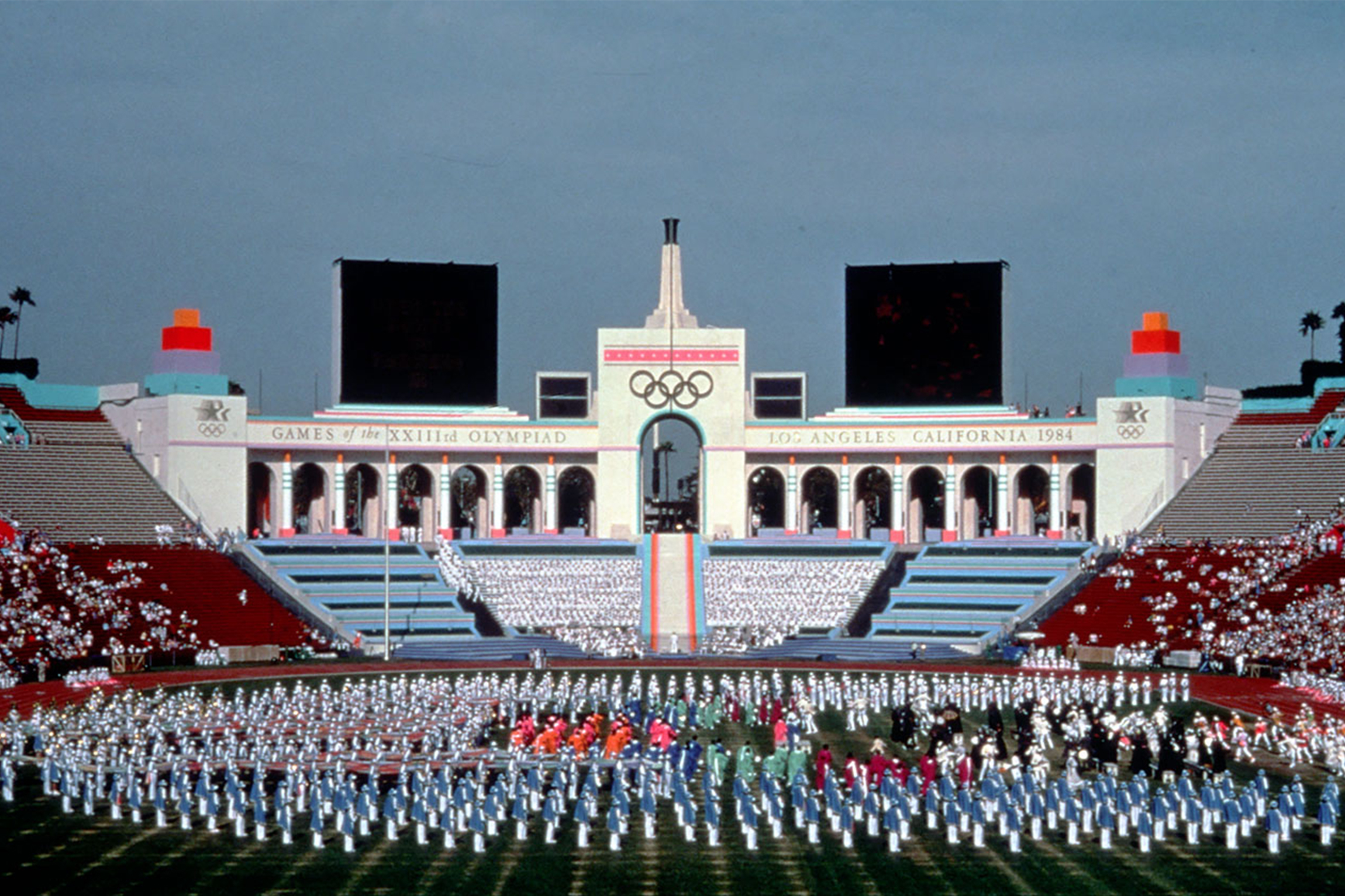
Over five decades later, Los Angeles once again stepped onto the world stage, hosting the XXIII Olympiad in 1984. This iteration of the Games was a triumph of private enterprise and innovative management, setting new standards for Olympic hosting and leaving an indelible mark on the city and the Olympic movement.

A Groundbreaking Financial Model
The 1984 Los Angeles Olympics are often cited as a paradigm shift in Olympic finance. Unlike many previous Games that incurred significant debt, the Los Angeles Organizing Committee, under the leadership of Peter Ueberroth, operated with a surplus. This was achieved through a strategic reliance on corporate sponsorships, innovative marketing, and the efficient use of existing facilities, rather than extensive new construction. This business-savvy approach demonstrated that the Olympic Games could be financially sustainable, a lesson that has influenced subsequent bids and host cities.
The Games benefited from the extensive sporting venues already available in Los Angeles, minimizing the need for costly new infrastructure. The Los Angeles Memorial Coliseum once again served as the primary venue, alongside facilities like Pauley Pavilion at UCLA, the Forum in Inglewood, and the swimming stadium at the University of Southern California (USC). This strategic use of existing assets not only saved money but also showcased the city’s well-developed sporting ecosystem.
Global Reach and Unforgettable Moments
The 1984 Olympics attracted athletes from 140 nations, with 23 nations boycotting the Games in response to a Soviet-led boycott of the 1980 Moscow Games. Despite the geopolitical tensions, the sporting competition was intense and produced many memorable performances. Athletes like Carl Lewis, Mary Lou Retton, and Edwin Moses captured the world’s attention, their achievements becoming synonymous with the spirit of the Los Angeles Games.
The cultural impact of the 1984 Olympics was profound. The Games served as a vibrant celebration of Los Angeles‘s diverse culture, attracting millions of visitors and generating significant economic activity. The city transformed into a global hub, buzzing with energy and excitement. The opening and closing ceremonies, held at the Los Angeles Memorial Coliseum, were spectacular displays of artistic talent and technological innovation, leaving viewers in awe.
Legacy and Future Aspirations
The two Olympic Games hosted by Los Angeles have left an enduring legacy. Athletically, they provided platforms for unparalleled human achievement. Culturally, they fostered a spirit of international camaraderie and showcased the unique appeal of Los Angeles to the world. Economically, they demonstrated the potential for successful, sustainable Olympic hosting models.
Infrastructure and Community Development
The 1932 and 1984 Games spurred significant investment in Los Angeles‘s infrastructure. While the 1932 Games saw the construction of the iconic Los Angeles Memorial Coliseum, the 1984 Games leveraged existing facilities, proving the value of strategic urban planning. Both events contributed to the development of transportation networks, public spaces, and the overall beautification of the city. The long-term impact on tourism and the global perception of Los Angeles as a premier destination for major events cannot be overstated.
Looking Ahead: The 2028 Olympic Games
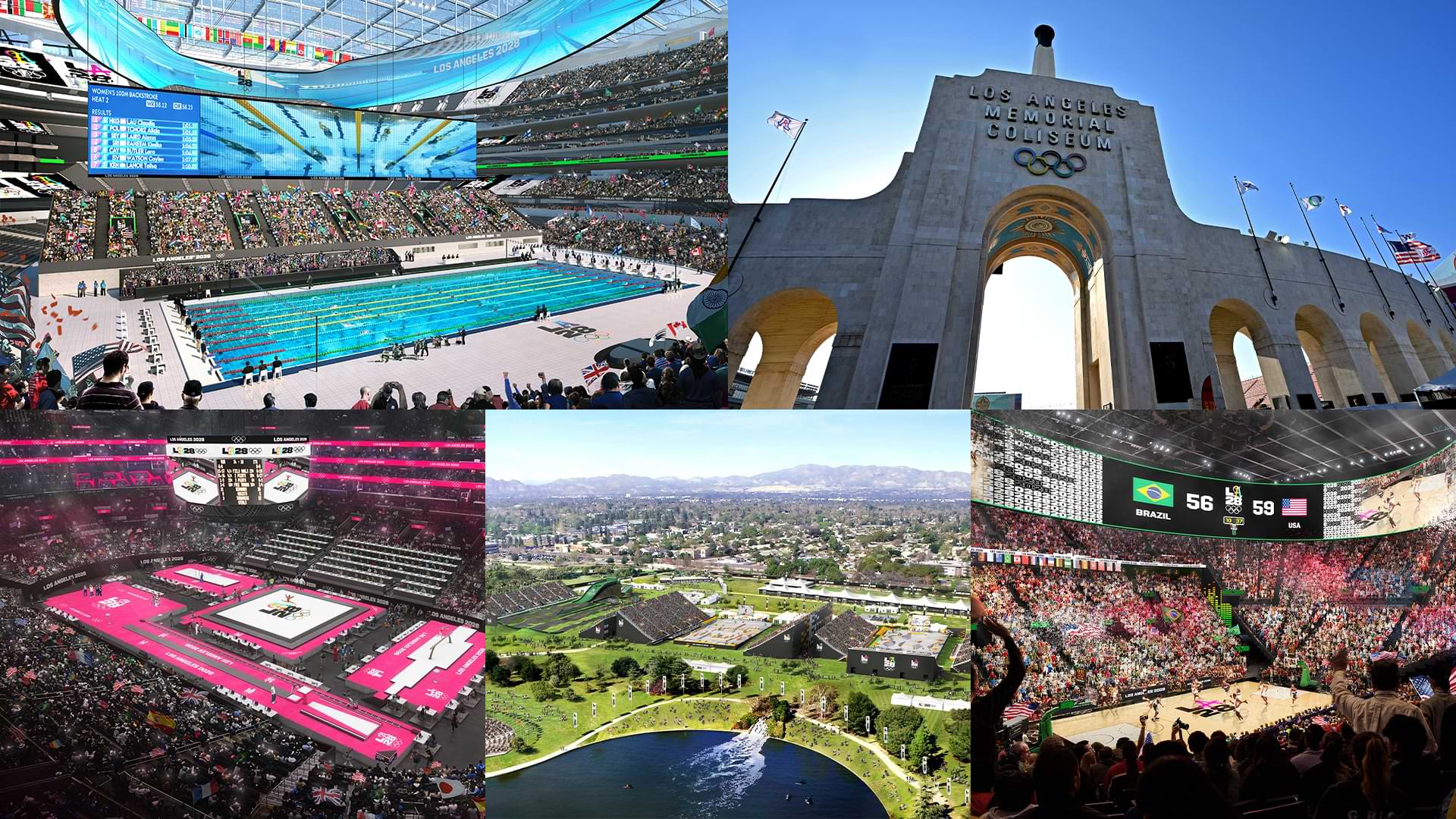
The Olympic flame is set to return to Los Angeles in 2028, marking the city’s third time hosting the Summer Games. This upcoming event promises to be a landmark occasion, building on the successes of its predecessors and embracing innovation for the future. The organizers are committed to delivering a sustainable, inspiring, and unforgettable Olympic experience, utilizing many of the same world-class venues that have defined the city’s Olympic history, including the revamped Los Angeles Memorial Coliseum.
The 2028 Games are poised to further solidify Los Angeles‘s reputation as a leading global host city, showcasing its evolving landscape, its commitment to innovation, and its unparalleled capacity to bring the world together for celebration and competition. The history of the Olympics in Los Angeles is a narrative of ambition, resilience, and a profound connection to the spirit of sport.
LifeOutOfTheBox is a participant in the Amazon Services LLC Associates Program, an affiliate advertising program designed to provide a means for sites to earn advertising fees by advertising and linking to Amazon.com. Amazon, the Amazon logo, AmazonSupply, and the AmazonSupply logo are trademarks of Amazon.com, Inc. or its affiliates. As an Amazon Associate we earn affiliate commissions from qualifying purchases.