
Florida, the Sunshine State, beckons millions of travelers each year with its pristine beaches, vibrant cities, and world-class attractions. From the magical theme parks of Orlando to the historic streets of St. Augustine and the tropical allure of the Florida Keys, it offers an unparalleled array of experiences. However, a key aspect of planning a trip to this popular destination involves understanding its hurricane season. While the vast majority of visits occur without incident, being prepared and informed is crucial for a stress-free vacation. This guide will help you navigate the realities of hurricane season, offering insights into preparation, safety, and enjoying your Florida adventure responsibly.
Understanding Florida’s Hurricane Season
Florida’s unique geographical position makes it particularly susceptible to tropical storms and hurricanes. Situated between the Atlantic Ocean to the east and the Gulf of Mexico to the west, the peninsula acts as a natural target for systems forming in these warm waters. Understanding when these storms are most likely to occur is the first step in smart travel planning.
The Atlantic Hurricane Season Calendar
The official Atlantic Hurricane Season runs from June 1st to November 30th each year. While storms can form outside this window, these six months represent the period of highest activity.
- June: Typically a quiet start, with fewer, weaker storms forming, often in the western Caribbean Sea or Gulf of Mexico. These early-season storms tend to be less intense.
- July: Activity gradually increases, though still generally moderate. Storms often follow similar patterns to June.
- August: The season begins to intensify, with a noticeable increase in both the number and strength of storms. This month marks the transition into the peak.
- September: This is historically the peak month for hurricane activity. The ocean waters are warmest, and atmospheric conditions are often most conducive to cyclogenesis. Travelers planning trips in September should pay particular attention to forecasts.
- October: Activity remains high, especially during the first half of the month. Storms can develop closer to the United States coastline or track up from the Caribbean.
- November: The season gradually winds down. While less frequent, late-season storms can still be powerful and unpredictable.
It’s important to remember that a “season” means the potential for storms. Many hurricane seasons pass with Florida experiencing minimal to no direct impacts. However, vigilance is key, especially during the peak months of August, September, and October.
Why Florida is Prone to Hurricanes
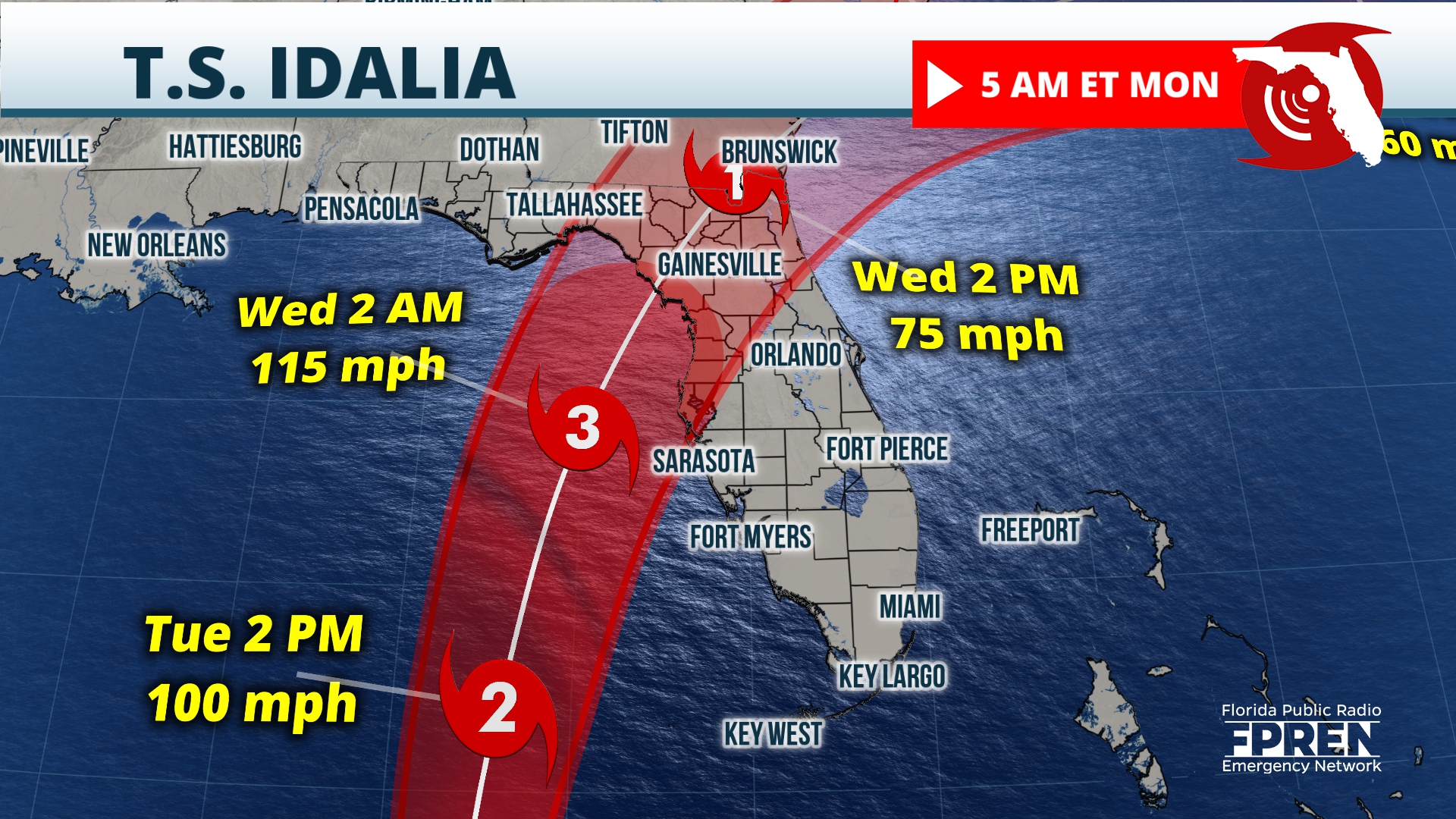
Florida’s long coastline, low elevation, and warm surrounding waters contribute to its vulnerability. The state’s geography also plays a role in how storms impact different regions. South Florida, including Miami and Fort Lauderdale, as well as the Florida Keys, are often the first to feel the effects of systems tracking from the Caribbean. The Panhandle and western Florida can be affected by storms developing in the Gulf of Mexico. Even inland cities like Orlando can experience significant rainfall, flooding, and wind damage from storms that make landfall and move across the state. The widespread impact means that no part of Florida is entirely immune, though coastal areas are always at higher risk.
Preparing for Your Florida Trip During Hurricane Season
Traveling during hurricane season doesn’t mean you should cancel your plans, but it does necessitate a higher degree of planning and awareness. Smart travelers can minimize risks and ensure a smoother trip by taking proactive steps.
Essential Pre-Travel Checks and Insurance
Before you even book your flight or accommodation, consider these crucial checks:
- Travel Insurance: This is perhaps the most important consideration. Look for policies that specifically cover hurricane-related delays, cancellations, or interruptions. Read the fine print carefully to understand what is covered, especially concerning “named storms.” Often, once a storm is named, you cannot purchase new insurance to cover its impact. Companies like Allianz Travel Insurance or World Nomads offer various plans.
- Flexible Booking Policies: Opt for hotels, airlines, and tour operators that offer flexible cancellation or rebooking policies. Many resorts and airlines have specific “hurricane clauses” that allow for penalty-free changes if a storm threatens your destination. Always confirm these policies directly. For example, major theme parks like Walt Disney World Resort and Universal Orlando Resort have well-defined policies for weather-related disruptions.
- “Know Your Zone” and Evacuation Routes: If you’re staying in a coastal area, familiarize yourself with Florida’s evacuation zones and routes. Resources from local emergency management offices or the Florida Division of Emergency Management provide this information. Even if you don’t plan to evacuate, knowing the procedure is crucial.
- Emergency Contact List: Keep a list of important phone numbers, including your hotel, airline, rental car company, travel insurance provider, and local emergency services.

Staying Informed: Reliable Information Sources
During hurricane season, reliable, up-to-the-minute information is your best friend.
- National Hurricane Center (NHC): The official source for hurricane forecasts and advisories in the United States. Their website (nhc.noaa.gov) provides detailed storm tracks, intensity predictions, and watches/warnings.
- Local Weather Stations: Tune into local news channels or radio stations in your Florida destination for localized updates. Weather apps like The Weather Channel or AccuWeather can also provide real-time alerts.
- Hotel/Resort Communications: Pay close attention to communications from your accommodation provider. They will have emergency plans in place and will provide guests with instructions. Luxury resorts such as The Breakers Palm Beach or Ritz-Carlton, Naples are typically very organized in their approach to guest safety during a storm.
- Official Tourism Boards: Websites for destination marketing organizations (e.g., Visit Florida, Visit Orlando, Miami & Beaches) often provide storm-related updates and resources.

During a Hurricane: Safety and Accommodation
Should a hurricane threaten your travel plans while you are already in Florida, knowing what to do is paramount. Your safety and the safety of your loved ones should be your absolute priority.
Hotel and Resort Policies
Most hotels and resorts in Florida have comprehensive hurricane preparedness plans.
- Shelter-in-Place: If authorities advise sheltering in place, your hotel will typically provide instructions. This might involve moving to higher floors, specific designated safe areas, or staying in your room. Facilities like Loews Portofino Bay Hotel at Universal Orlando are designed with robust storm protections and have detailed guest safety protocols.
- Services and Amenities: Expect some amenities to be temporarily unavailable, such as pools, outdoor dining, or even certain indoor facilities. Restaurants might operate on a limited menu or schedule. Power outages are possible, though many larger resorts have backup generators.
- Communication: Staff will be your primary point of contact for information. Follow their instructions closely. They are trained for these situations.
- Alternative Accommodation: If an evacuation is ordered, your hotel may assist with finding alternative accommodation inland, though this is not always guaranteed. Having a plan B in mind, such as identifying inland cities like Gainesville or Lakeland where you might seek refuge, is a good idea.
Evacuation Procedures and Shelters
If an evacuation order is issued for your area, take it seriously and follow it immediately.
- Leave Early: Traffic can become extremely congested during evacuations. The earlier you depart, the safer and smoother your journey will be.
- Designated Routes: Follow official evacuation routes. These are designed to be the safest and most efficient.
- Emergency Shelters: If you cannot travel out of the area, public shelters are opened by local authorities. Information on these can be found on county emergency management websites or through local news. Be aware that shelters are basic facilities; bring essential items like medications, important documents, and comfort items.
- Pet Safety: If traveling with pets, ensure you have a plan for them. Many public shelters do not accept pets, so research pet-friendly shelters or inland hotels beforehand.
After the Storm: Recovery and Resuming Travel
Once a hurricane has passed, the immediate aftermath can still present challenges. Patience and understanding are vital as communities begin the recovery process.
Assessing the Aftermath and Travel Impact
- Infrastructure Damage: Roads may be flooded or blocked, power outages can be widespread, and communication services (cell towers, internet) may be disrupted. Do not attempt to drive through flooded areas.
- Attraction Closures: Major attractions like Busch Gardens Tampa Bay or the Kennedy Space Center Visitor Complex will likely close before a storm and reopen only after thorough safety checks. Check their official websites or social media for the latest status updates.
- Airport Operations: Airports in affected areas, such as Miami International Airport (MIA) or Orlando International Airport (MCO), will suspend operations during a storm. Reopening depends on damage assessment and staffing. Verify your flight status directly with your airline.
- Reopening and Recovery: While cleanup efforts begin immediately, it takes time for affected areas to return to normal. Some landmarks or natural attractions like Everglades National Park might experience longer closures due to ecological damage or infrastructure repair.
Supporting Local Tourism and Community Efforts
When it’s safe to return, tourism can play a crucial role in a community’s recovery.
- Patience and Empathy: Understand that local residents and businesses may be recovering from significant personal and financial hardships. Be patient, kind, and supportive.
- Shop Local: Support local businesses, restaurants, and attractions that have reopened. Your spending helps fuel their recovery. From the quaint shops in Key West to the bustling markets of Tampa, every purchase helps.
- Volunteer (if appropriate): If you are able and if organized opportunities arise, consider volunteering with reputable organizations to assist with cleanup or aid efforts. However, avoid self-deploying to avoid hindering professional responders.
- Consider a Future Visit: If your current trip was severely impacted or canceled, plan to visit Florida again in the future. Sustained tourism is vital for the state’s economic health and morale.
Debunking Hurricane Myths and Best Practices
Misinformation can be as dangerous as the storm itself. Separating fact from fiction and adopting best practices will enhance your safety and enjoyment.
The “Always a Direct Hit” Fallacy
One common misconception is that if a hurricane is forming, it’s guaranteed to hit Florida directly. The reality is far more nuanced. Many storms pass by without making landfall, dissipate at sea, or only bring outer bands of rain and wind. The cone of uncertainty, often shown in forecasts, illustrates the probable track of a storm’s center, not a certainty. It’s crucial to monitor official forecasts and not overreact to initial projections that can change dramatically. Florida’s large size also means that a storm affecting Pensacola might have minimal impact on Miami, or vice-versa.
Tips for a Stress-Free Florida Vacation
Even during hurricane season, a Florida trip can be fantastic. Here are a few final tips for a truly stress-free experience:
- Embrace Flexibility: Be prepared to adjust your itinerary. If a storm is approaching Sarasota, perhaps pivot to a destination further inland or to a less-affected part of the state, if safe to do so.
- Pack Smart: In addition to your usual beach gear, consider packing a small emergency kit with a flashlight, portable charger, basic first-aid supplies, and any necessary medications. Have a waterproof bag for important documents.
- Stay Hydrated and Stocked: Even without a direct hit, heavy rain can keep you indoors. Have some snacks and water available in your room, especially if traveling with family.
- Enjoy the Off-Season Perks: Traveling during hurricane season, particularly in June or November, often means fewer crowds and potentially lower prices for flights, hotels, and attractions. This can be a significant advantage for budget travelers or those seeking a more relaxed lifestyle away from peak season hustle.
- Heed Local Advice: The residents of Florida are accustomed to hurricane season. Trust the advice of locals, emergency services, and your accommodation providers.
While hurricane season is a natural part of Florida’s climate, it doesn’t have to deter your travel plans. With careful planning, comprehensive travel insurance, and a commitment to staying informed, you can enjoy all that the Sunshine State has to offer, even during these months. By prioritizing safety and flexibility, your Florida vacation will be memorable for all the right reasons.
LifeOutOfTheBox is a participant in the Amazon Services LLC Associates Program, an affiliate advertising program designed to provide a means for sites to earn advertising fees by advertising and linking to Amazon.com. Amazon, the Amazon logo, AmazonSupply, and the AmazonSupply logo are trademarks of Amazon.com, Inc. or its affiliates. As an Amazon Associate we earn affiliate commissions from qualifying purchases.