
Understanding the financial landscape of your visit to Los Angeles is crucial for effective budgeting and maximizing your enjoyment of this vibrant metropolis. Central to this understanding is the concept of sales tax, a component that impacts nearly every purchase you’ll make, from a souvenir trinket on Hollywood Boulevard to a gourmet meal in Beverly Hills. This guide delves into the intricacies of Los Angeles sales tax, its components, how it’s applied, and how it contributes to the city’s infrastructure and services, ultimately shaping the experience for tourists and residents alike.
The Components of Los Angeles Sales Tax
The sales tax levied in Los Angeles is not a single, monolithic rate. Instead, it’s a composite of taxes set by various governmental bodies, each with its own jurisdiction and funding priorities. This multi-layered structure is common throughout California.
State Sales Tax
The foundational layer of sales tax comes from the state government of California. This portion of the tax is applied statewide and is essential for funding state-level services such as infrastructure projects, public education, and state-run programs. While the state rate can fluctuate slightly due to legislative changes or voter initiatives, it forms the base rate upon which local additions are made.
Local Sales Tax
Beyond the state’s contribution, Los Angeles benefits from several layers of local taxation. These include taxes imposed by:
- Los Angeles County: The county government levies its own sales tax to fund county-wide services, which can include public transportation, sheriff departments, and county parks.
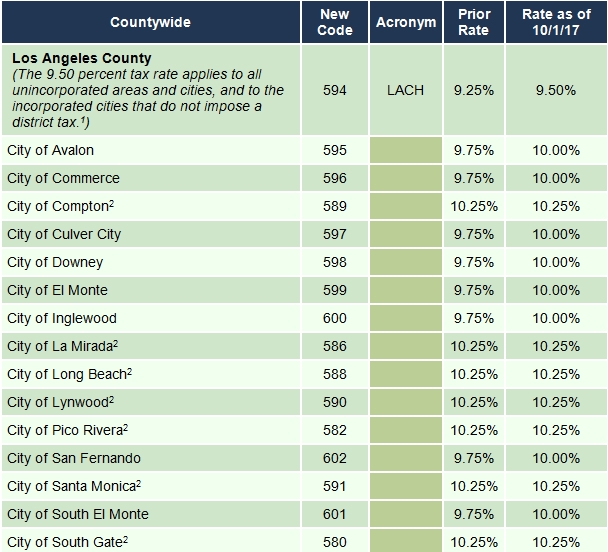
- Specific Cities within Los Angeles County: Individual cities within the larger county can enact their own additional sales taxes. This is a significant factor contributing to variations in the overall sales tax rate even within short geographical distances. For instance, the sales tax in the city of Los Angeles itself will differ from that in nearby cities like Santa Monica or Pasadena. These city-specific taxes are often dedicated to local initiatives, such as improving public safety, funding libraries, or supporting local infrastructure development.
- Special Districts: In some cases, special districts – specific administrative bodies created for particular purposes, like transportation or water management – may also impose a small sales tax component. These are less common but can add to the overall rate in certain areas.
The combined effect of these state and local taxes results in the final sales tax rate that consumers see at the point of purchase. This intricate system ensures that funds are generated to support a wide array of public services at multiple levels of government.
How Los Angeles Sales Tax is Applied
Understanding how sales tax is calculated and applied is key to navigating your spending in Los Angeles. The tax is generally applied to the gross receipts from the sale of tangible personal property and certain services.
Taxable Goods and Services
Most tangible goods purchased within Los Angeles are subject to sales tax. This includes clothing, electronics, souvenirs, furniture, and virtually any physical item you might buy in a retail store or online from a seller with nexus in the state.
The application of sales tax to services can be more nuanced. While many services are not taxed in California, certain specified services are. This can include some repair services, telecommunication services, and certain digital goods. It’s always advisable to confirm the taxability of a service before making a purchase.
Determining the Rate
The sales tax rate applicable to a transaction is determined by the tax situs, which is the location where the sale occurs. For in-person retail transactions, this is the physical location of the store where the purchase is made. For online purchases delivered to a physical address within Los Angeles, the tax rate of the delivery destination typically applies. This means that if you order an item to be shipped to your hotel on the Sunset Strip versus your friend’s house in the San Fernando Valley, the sales tax rate might differ slightly.
Businesses are responsible for collecting and remitting sales tax to the appropriate governmental agencies. They must ensure they are charging the correct rate based on the product or service sold and the location of the sale.
Exemptions
While most purchases are taxed, there are certain exemptions. These are typically established by state law and can include:

- Food for Home Consumption: Most groceries purchased for consumption at home are exempt from sales tax. However, prepared foods, restaurant meals, and items like candy and soda are generally taxable.
- Prescription Drugs: Medications prescribed by a licensed healthcare professional are exempt.
- Certain Agricultural Products: Some raw agricultural products may be exempt.
- Occasional Sales: In some limited circumstances, occasional sales by individuals not engaged in the business of selling may be exempt.
It’s important for consumers to be aware of these exemptions to avoid overpayment of taxes.
The Impact of Sales Tax on Your Los Angeles Experience
The sales tax collected in Los Angeles plays a vital role in funding the city’s extensive infrastructure and public services, which directly contribute to the quality of the tourist experience.
Funding City Services
The revenue generated from sales tax is a significant source of funding for many services that enhance the visitor experience and the overall appeal of Los Angeles. These include:
- Transportation Infrastructure: Sales tax helps fund the maintenance and expansion of roads, highways, and public transportation systems. This is crucial for navigating a sprawling city like Los Angeles, whether you’re driving along the Pacific Coast Highway or utilizing the LA Metro.
- Public Safety: A portion of sales tax revenue supports police, fire, and emergency services, contributing to a safer environment for residents and tourists alike.
- Parks and Recreation: Funding for parks, beaches, and recreational facilities, such as those found in Griffith Park or along the coast, is often derived from sales tax. These amenities are essential for leisure and enjoyment.
- Cultural Institutions: Sales tax can also contribute to the support of museums, libraries, and other cultural institutions that are key attractions in the city.
Budgeting for Your Trip
For visitors, understanding the sales tax rate is a fundamental aspect of trip planning. It allows for accurate budgeting of expenses, ensuring that you can fully enjoy your time without unexpected financial shortfalls. When looking at the price of a hotel room at the Beverly Wilshire, A Four Seasons Hotel, for example, remember that the listed price is usually before taxes and fees, which will include sales tax and possibly occupancy taxes. Similarly, the price tag on a designer handbag in a boutique on Rodeo Drive will be subject to an additional percentage at checkout.
It’s wise to factor in an additional percentage – typically around 9-10% or even higher depending on the specific area within Los Angeles – for sales tax on most purchases. This foresight will help you manage your finances and avoid any surprises during your stay.
Navigating Sales Tax in Different Areas of Los Angeles
The geographical nuances of sales tax rates within Los Angeles county are important for informed decision-making, particularly when planning shopping excursions or considering where to dine.
City of Los Angeles vs. Surrounding Cities
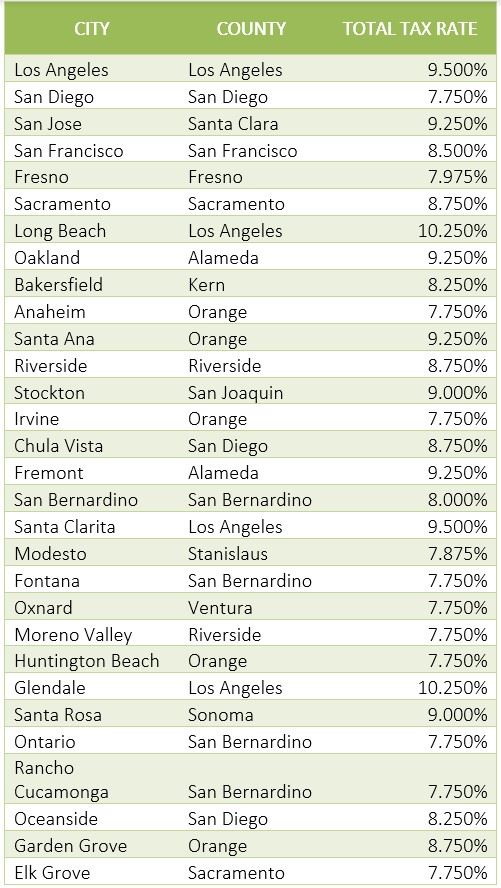
The city of Los Angeles has its own specific sales tax rate, which is a composite of state, county, and city levies. However, neighboring cities, even those adjacent to the main urban core, can have different rates. For example:
- Santa Monica: Known for its beachside charm and vibrant shopping scene, Santa Monica may have a slightly different sales tax rate compared to downtown Los Angeles.
- Pasadena: Home to the Tournament of Roses Parade and historic architecture, Pasadena also has its own unique tax structure.
- Long Beach: A major port city, Long Beach will have a specific sales tax rate applicable within its city limits.
These variations, while sometimes minor, can add up, especially for significant purchases. Tourists looking for specific shopping opportunities might find it beneficial to research the sales tax rates in different areas they plan to visit.
Tourist Hotspots and Tax Rates
Popular tourist destinations within Los Angeles and its surrounding areas are subject to the prevailing sales tax rates of their respective jurisdictions. Whether you’re exploring the theme parks of Anaheim (which is technically in Orange County but a common day trip for LA visitors), visiting the Getty Center, or enjoying a meal in the dining districts of West Hollywood, the sales tax will be applied based on the precise location of the vendor.
It is important to note that the sales tax rate generally applies to the final transaction regardless of whether the vendor is a large retail chain or a small independent shop. The difference lies in the specific local add-ons that vary from one municipality to another within Los Angeles County and the greater Southern California region.
Conclusion: Sales Tax as Part of the Los Angeles Fabric
Sales tax in Los Angeles is more than just a line item on a receipt; it’s an integral part of the city’s financial ecosystem. It represents a shared investment in the public services and infrastructure that make Los Angeles a dynamic and attractive destination. By understanding its components, how it’s applied, and its local variations, visitors can better manage their budgets and appreciate the tangible benefits it provides. From maintaining the iconic beaches to supporting the thriving arts scene and ensuring efficient transportation, sales tax contributes to the overall quality of life and the unforgettable experiences Los Angeles offers.
LifeOutOfTheBox is a participant in the Amazon Services LLC Associates Program, an affiliate advertising program designed to provide a means for sites to earn advertising fees by advertising and linking to Amazon.com. Amazon, the Amazon logo, AmazonSupply, and the AmazonSupply logo are trademarks of Amazon.com, Inc. or its affiliates. As an Amazon Associate we earn affiliate commissions from qualifying purchases.