
Understanding the geographic coordinates of a destination can offer profound insights into its climate, culture, and even its unique character. For a city as sprawling and influential as Los Angeles, pinpointing its latitude is more than just a geographical exercise; it’s a key to unlocking a deeper appreciation of why this Southern California metropolis thrives as it does. Located in the Northern Hemisphere, Los Angeles lies at a latitude that influences everything from its sunny disposition to the types of flora and fauna that flourish in its environs.
The Precise Geographic Position
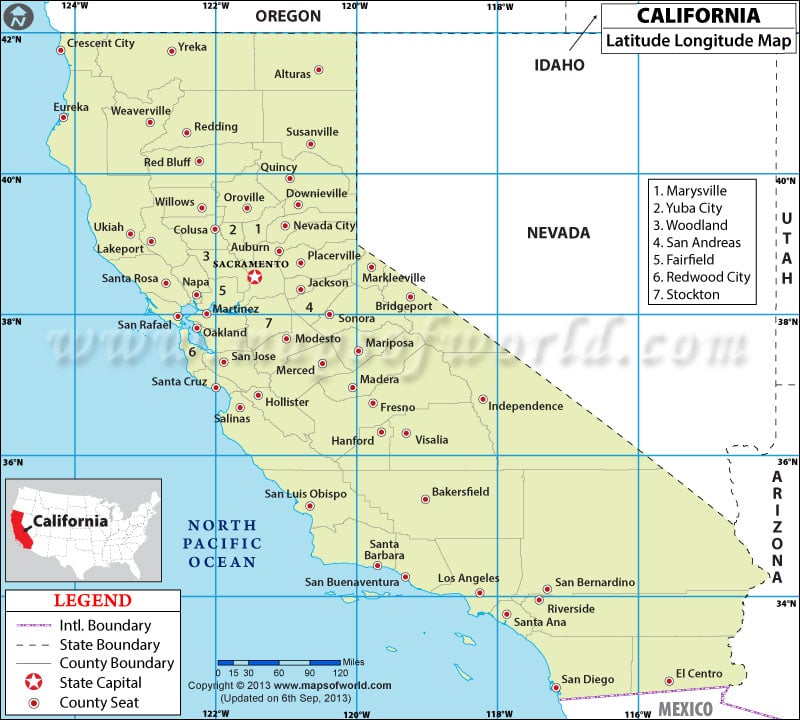
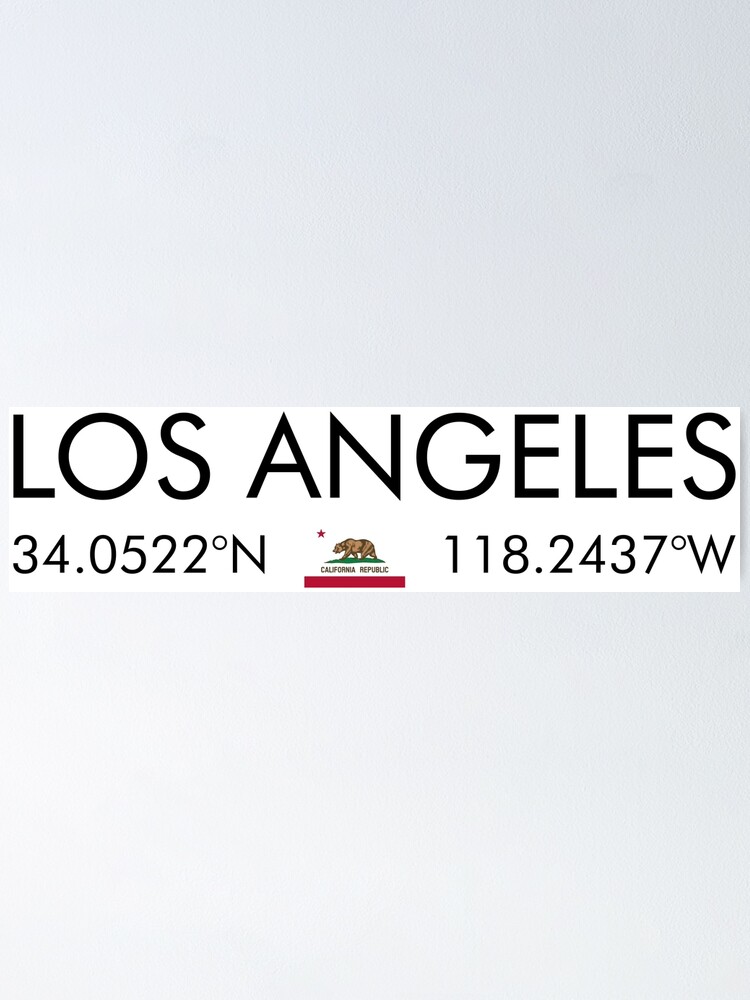
The official latitude of Los Angeles is approximately 34 degrees North. This figure, while seemingly simple, is a crucial determinant of the city’s environmental and lifestyle characteristics. To be more precise, the geographical center of Los Angeles is often cited around 34.0522° N latitude. This places it in the mid-latitudes, a zone known for its generally temperate climate and distinct seasons, albeit mild ones in the case of Southern California.
Understanding Latitude
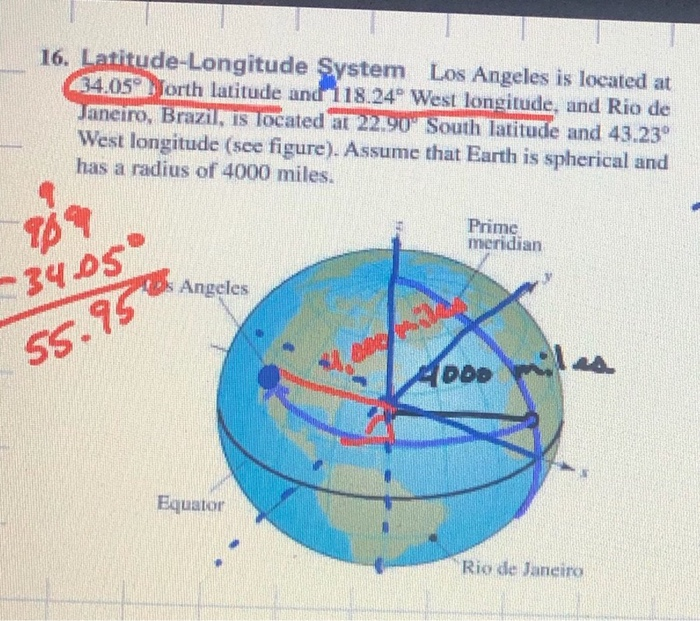
Latitude is a measure of distance, north or south, of the Earth’s equator. It is expressed in degrees, from 0° at the Equator to 90° at the North and South Poles. Lines of latitude, also known as parallels, circle the Earth horizontally. The latitude of a location dictates the angle at which the sun’s rays strike the Earth’s surface.
- Equator (0° Latitude): Receives the most direct sunlight year-round, leading to consistently high temperatures and humidity.
- Mid-Latitudes (e.g., Los Angeles): Experience more variability in the angle of sunlight throughout the year, resulting in more pronounced seasonal changes.
- Polar Regions (90° Latitude): Receive sunlight at a very oblique angle, leading to extreme cold and long periods of darkness or daylight.
The 34° N latitude of Los Angeles positions it comfortably within the temperate zone, avoiding the extreme heat of the tropics and the frigid conditions of the Arctic. This specific band of latitude is responsible for many of the desirable climatic features that draw millions to the city.
Navigating the Specifics
While 34° N is the general latitude, Los Angeles is a vast county and city. Different neighborhoods and landmarks will have slightly varying latitudes. For instance, Griffith Observatory, perched in the Hollywood Hills, will have a slightly different latitude than the Santa Monica Pier on the coast. However, these variations are minor in the grand scheme of global geography and all fall within the defined mid-latitude band. This geographical nuance is important for cartographers and surveyors but generally inconsequential for the average visitor or resident.
Climate and Sunshine: A Latitudinal Advantage
The 34 degrees North latitude of Los Angeles plays a pivotal role in shaping its renowned climate. This latitude is situated in a transition zone between subtropical and temperate climates, resulting in a Mediterranean-like weather pattern.
The Mediterranean Climate Connection
Mediterranean climates are characterized by hot, dry summers and mild, wet winters. This pattern is largely a consequence of seasonal shifts in the prevailing wind belts and atmospheric pressure systems. For Los Angeles, this means:
- Abundant Sunshine: The angle of the sun at 34° N, combined with its position relative to oceanic and continental air masses, contributes to the city’s reputation for sunshine. While the intensity of the sun is highest during summer months, even winter days are often bright and clear. This consistent sunshine is a major draw for tourism and contributes to the outdoor lifestyle that defines Southern California.
- Mild Temperatures: The latitude prevents the extreme temperature swings found in continental climates. Winters are rarely harsh, with average daytime temperatures in the 60s Fahrenheit (15-20°C). Summers are warm to hot but are often moderated by coastal breezes, especially in areas closer to the Pacific Ocean. The inland valleys can experience significantly higher temperatures due to being further from the ocean’s cooling influence.
- Seasonal Rainfall: The majority of Los Angeles’s annual rainfall occurs during the winter months (roughly November to March). This is when Pacific storm systems are more prevalent and can penetrate inland. Summers are typically very dry, making water conservation a critical issue for the region.
Solar Exposure and its Impact
The angle of the sun at 34° N also impacts the length of daylight hours. While there are variations between summer and winter, the extremes are less pronounced than at higher latitudes. Summer days are long and bright, maximizing opportunities for outdoor activities, while winter days, though shorter, are still often bathed in sunlight. This consistent solar exposure is not only a boon for tourism and recreation but also influences local agriculture, contributing to the growth of certain crops and the vibrant floral displays seen throughout the city.
Influence on Flora and Fauna
The latitude of Los Angeles directly influences the types of plant and animal life that can thrive in the region. The Mediterranean climate, facilitated by its 34° N latitude, creates a unique ecosystem.
Native Vegetation
The native vegetation of the Los Angeles basin and surrounding hills is primarily chaparral, coastal sage scrub, and oak woodlands. These plant communities are adapted to the hot, dry summers and mild, wet winters.
- Chaparral: Dense, shrubby vegetation characterized by drought-tolerant plants with small, waxy leaves. Examples include scrub oak, manzanita, and chamise. These plants are adapted to survive long periods without water and are often adapted to burn and regenerate after wildfires, a natural part of the ecosystem.
- Coastal Sage Scrub: Typically found at lower elevations and closer to the coast, this ecosystem features aromatic shrubs like sagebrush, California buckwheat, and various wildflowers. It is less dense than chaparral and plays a crucial role in supporting local wildlife.
- Oak Woodlands: Groves of coast live oak and California black oak are found in canyons and on slopes, providing shade and habitat. These trees are more resilient to drought than many deciduous trees found at higher latitudes.
The latitude ensures that the growing season is extended, allowing for a diverse array of flowering plants and supporting the region’s rich biodiversity.
Wildlife Adaptations
The wildlife in and around Los Angeles has adapted to these conditions. Common sightings include:
- Mammals: Coyotes, raccoons, opossums, various rodents, and the occasional bobcat or mule deer can be found in the urban fringes and open spaces like the Santa Monica Mountains National Recreation Area.
- Birds: The diverse habitats support a wide array of bird species, from common urban dwellers like pigeons and house finches to raptors like red-tailed hawks and owls in more natural areas. Migratory birds also utilize the region as a stopover point.
- Reptiles and Amphibians: Various lizards, snakes, and amphibians inhabit the chaparral and oak woodlands, particularly in areas with access to water during the wetter months.
The 34° N latitude provides a climate that supports a broader range of species compared to more extreme latitudes, allowing for a fascinating interplay between urban development and natural ecosystems.
Cultural and Lifestyle Implications
The latitude of Los Angeles extends its influence beyond the purely environmental, shaping the city’s vibrant culture and unique lifestyle. The consistent sunshine and mild climate fostered by its 34° N position have profoundly impacted how people live, work, and play.
The Outdoor Lifestyle
The defining characteristic of the Los Angeles lifestyle is its emphasis on the outdoors. The near-perpetual sunshine and pleasant temperatures encourage a culture of activity and recreation.
- Beaches and Coastal Activities: With its proximity to the Pacific Ocean, the city’s latitude supports a thriving beach culture. From surfing at Malibu to jogging along the boardwalks of Venice Beach and Santa Monica, coastal activities are a cornerstone of life here.
- Hiking and Nature: The surrounding hills and mountains, such as the Santa Monica Mountains and San Gabriel Mountains, offer numerous trails for hiking and biking, accessible year-round due to the mild climate.
- Outdoor Dining and Entertainment: Restaurants, cafes, and bars frequently feature outdoor seating, allowing patrons to enjoy the pleasant weather. Outdoor concerts, festivals, and movie screenings are popular events throughout the year.
This outdoor orientation influences fashion, social habits, and the overall pace of life, making Los Angeles synonymous with a sun-kissed, active existence.
Economic and Social Impacts
The climate, driven by the latitude, has also had significant economic consequences.
- Tourism: The predictable pleasant weather is a major draw for tourists from across the globe, supporting a robust tourism industry centered around attractions like Hollywood, theme parks, and its beaches.
- Agriculture: While much of the surrounding agricultural land has been developed, the climate still supports diverse crops in regions like the Central Valley and Ojai Valley, and locally grown produce is a staple in the city’s renowned culinary scene.
- Film and Entertainment Industry: The visually appealing landscape and reliable sunshine have historically made Los Angeles the ideal location for the film and television industry. The ability to shoot outdoors without extreme weather disruptions has been a significant factor in its growth.
The moderate climate at 34° N has, in essence, helped to sculpt the very identity of Los Angeles, creating a lifestyle that is both aspirational and deeply ingrained in the fabric of the city. Understanding its latitude provides a foundational appreciation for the unique confluence of geography and human endeavor that defines this iconic global city.
LifeOutOfTheBox is a participant in the Amazon Services LLC Associates Program, an affiliate advertising program designed to provide a means for sites to earn advertising fees by advertising and linking to Amazon.com. Amazon, the Amazon logo, AmazonSupply, and the AmazonSupply logo are trademarks of Amazon.com, Inc. or its affiliates. As an Amazon Associate we earn affiliate commissions from qualifying purchases.