
Understanding the Southern California Climate
When planning a trip to Los Angeles, understanding its distinct climate is paramount to ensuring a comfortable and enjoyable experience. Known for its pleasant, temperate weather year-round, the city boasts a Mediterranean climate characterized by warm, dry summers and mild, wetter winters. This predictable pattern makes Los Angeles an attractive destination for travelers seeking sunshine and outdoor activities throughout the year. The geographical position, nestled between the Pacific Ocean to the west and a range of mountains to the north and east, plays a significant role in shaping its microclimates. The ocean acts as a moderating force, preventing extreme temperature fluctuations, while the mountains can influence air quality and precipitation patterns. This intricate interplay of natural elements creates the signature Los Angeles weather that many have come to associate with the iconic Southern California lifestyle.
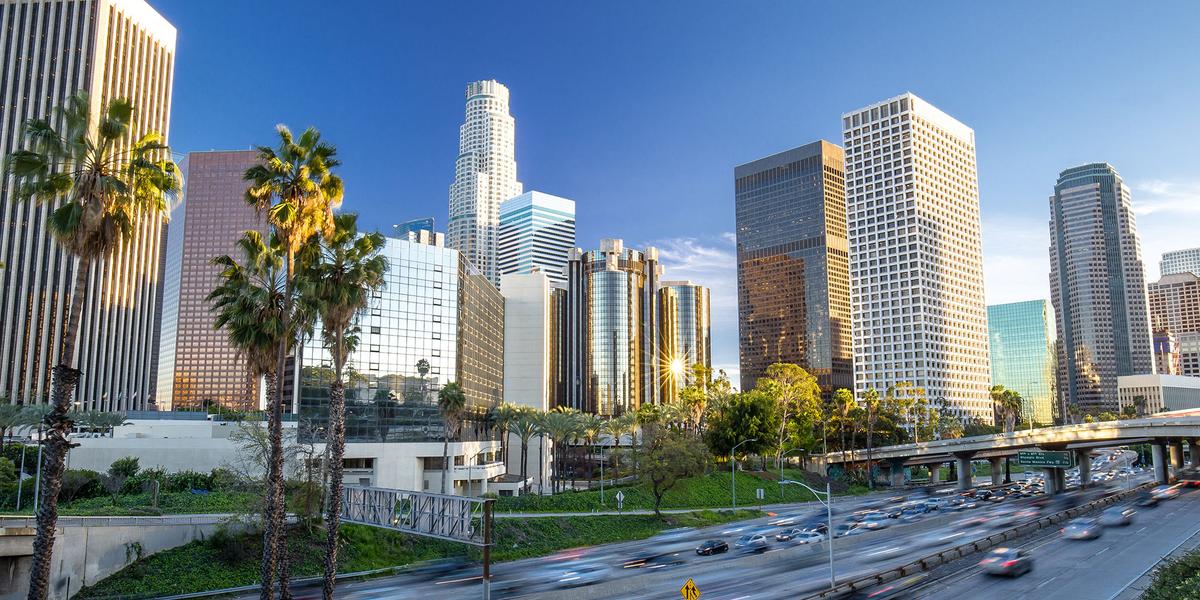
Seasonal Breakdown of Los Angeles Weather
While generally mild, Los Angeles does experience distinct seasonal shifts that impact daily life and travel planning.
Summer (June – August)
Summers in Los Angeles are typically hot and dry, especially inland. Coastal areas benefit from a cooling ocean breeze, often referred to as the “marine layer,” which can keep temperatures more moderate. Average daytime temperatures during summer often range from the high 70s to the mid-80s Fahrenheit (around 25-30°C), but can soar into the 90s and even 100s (°F) in the valleys and inland regions like Pasadena or San Bernardino. Rainfall is virtually nonexistent during these months, making it an ideal time for beach activities and outdoor exploration. Evenings are usually warm and pleasant, perfect for enjoying the city’s vibrant nightlife or dining al fresco. However, it’s important to be prepared for the heat, especially if venturing away from the immediate coast. Sunscreen, hats, and hydration are essential.
Autumn (September – November)
Often considered the most beautiful season in Los Angeles, autumn brings a welcome respite from the summer heat. The marine layer tends to dissipate, leading to clearer skies and warmer afternoons, particularly in September and early October. Temperatures gradually cool, with average highs settling in the low to mid-70s Fahrenheit (around 22-25°C). This period sees a decrease in humidity, and the air often feels crisp and clean. While still largely dry, there’s a slightly increased chance of rain towards the end of November as the winter patterns begin to emerge. The softer light and comfortable temperatures make autumn a fantastic time to explore attractions like Griffith Observatory or wander through the historic streets of Downtown.
Winter (December – February)
Los Angeles winters are mild and are characterized by a greater likelihood of rain, though significant snow is extremely rare within the city limits. Average daytime temperatures hover in the 60s Fahrenheit (around 15-20°C), making it one of the mildest winter climates in the continental United States. The rain, when it arrives, is typically in the form of passing showers rather than prolonged downpours, often bringing much-needed relief and helping to maintain the region’s lush greenery. Despite the occasional rain, there are still plenty of sunny days, allowing for outdoor activities. This is also a great time to visit museums, enjoy the local culinary scene, or even take a day trip to the nearby mountains for skiing, a unique contrast to the city’s usual warmth.
Spring (March – May)
Spring in Los Angeles is a time of transition, with temperatures steadily warming and the landscape coming alive with blooming flowers, particularly in areas like the Descanso Gardens. Average daytime temperatures climb from the low 70s into the mid-70s Fahrenheit (around 21-24°C). The marine layer can still influence coastal areas, bringing morning fog that burns off by midday, offering a refreshing start to the day. Rainfall chances decrease as spring progresses, leading into the dry summer months. This season is perfect for exploring the extensive parks and outdoor spaces, enjoying festivals, or visiting world-renowned theme parks like Disneyland and Universal Studios Hollywood.
Factors Influencing Los Angeles Weather
Several geographical and meteorological factors contribute to the unique weather patterns observed in Los Angeles. Understanding these elements provides deeper insight into why the city enjoys its characteristic climate.
The Pacific Ocean’s Influence
The vast Pacific Ocean is arguably the most significant influencer of Los Angeles weather. Its presence creates a moderating effect on temperatures, preventing the extreme heat and cold often found in inland continental regions at similar latitudes. The cool California Current, flowing south along the coast, brings cooler ocean water, which in turn cools the air above it. This cooler air mass is then carried inland by prevailing westerly winds.
The Marine Layer
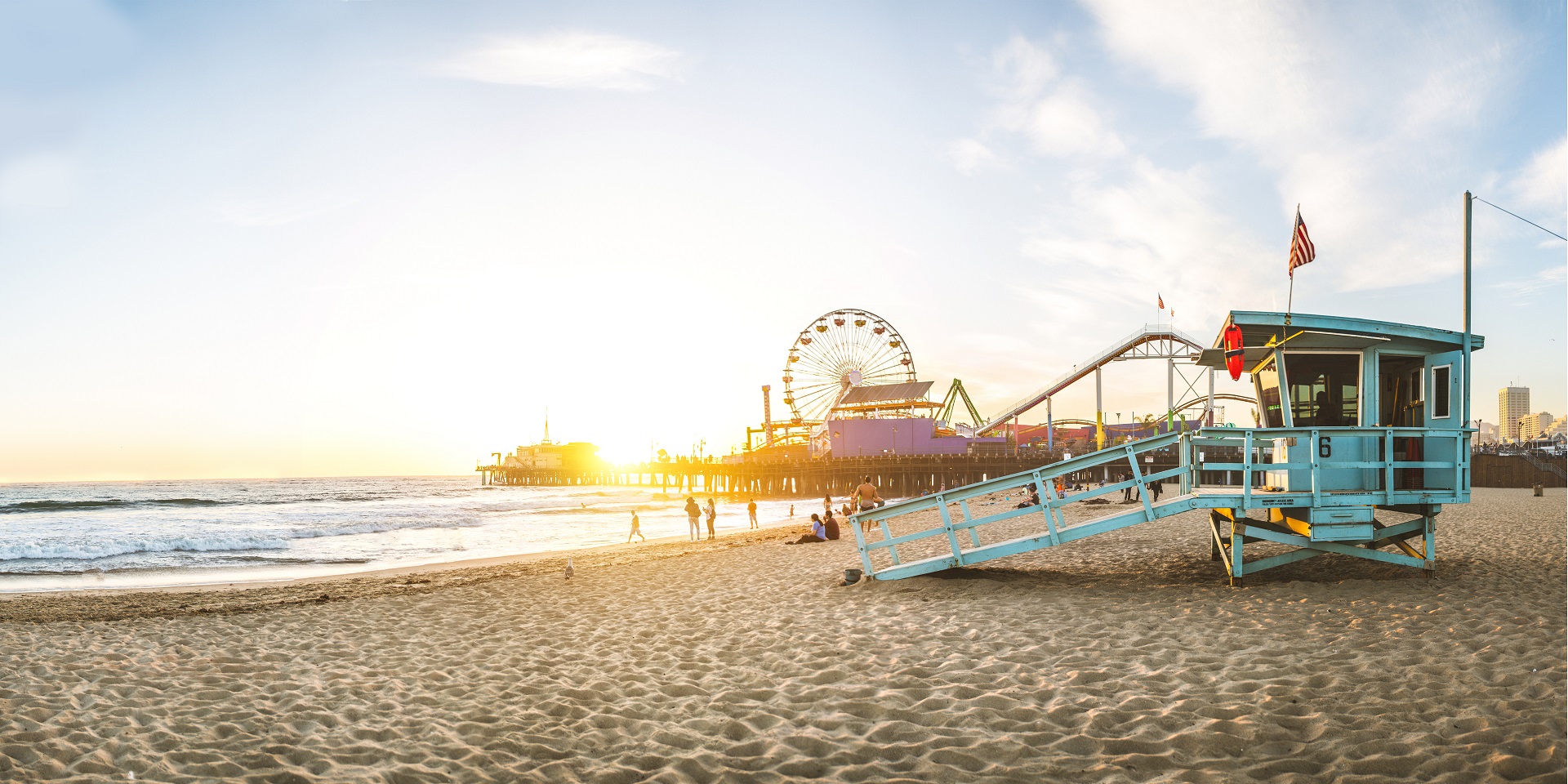
A direct consequence of the ocean’s influence is the phenomenon known as the “marine layer.” This is a shallow layer of cool, moist air that forms over the Pacific Ocean during the night and early morning. As the sun rises and heats the land, the warmer air above rises, causing the marine layer to move inland. This often manifests as coastal fog or low clouds, particularly prevalent during the late spring and early summer months. The marine layer can significantly impact temperatures in coastal cities like Santa Monica and Malibu, keeping them cooler than inland areas. Typically, the fog burns off by late morning or early afternoon, revealing clear skies.
Topography and Microclimates
Los Angeles County is characterized by a diverse topography, ranging from coastal plains and beaches to inland valleys and mountainous regions. This varied landscape creates numerous microclimates within the greater metropolitan area, meaning that weather conditions can differ significantly from one neighborhood to another.
Coastal vs. Inland Temperatures
Areas directly on the coast, such as Venice Beach or Long Beach, generally experience more moderate temperatures due to the constant influence of the ocean breeze. Inland areas, such as the San Fernando Valley or cities further east like Riverside, tend to be hotter in the summer and can experience colder nights in the winter, as they are further removed from the ocean’s moderating influence. The difference in temperature between the coast and the inland valleys can often be 10-20°F (5-11°C) or more on a typical summer day.
Mountainous Regions
The mountain ranges surrounding the Los Angeles Basin, including the San Gabriel Mountains and the Santa Monica Mountains, also play a crucial role. They act as a barrier, influencing air circulation and precipitation patterns. Higher elevations within these mountains can receive significantly more rainfall than the city and often experience cooler temperatures, sometimes even snow in the winter. These mountains also contribute to the phenomenon of “temperature inversions,” where a layer of warm air traps cooler, denser air (and potential pollutants) below it, sometimes leading to hazy conditions.
Santa Ana Winds
A unique weather phenomenon in Los Angeles is the occasional arrival of Santa Ana winds. These are hot, dry, and sometimes strong offshore winds that blow from the desert interior towards the coast, typically during the autumn and winter months. They are a result of high-pressure systems forming over the Great Basin and pushing air downslope towards the Pacific Ocean. Santa Ana winds can drastically increase temperatures, lower humidity, and contribute to poor air quality and an elevated risk of wildfires due to the dry conditions they create. While usually brief, their impact can be substantial.
Preparing for Los Angeles Weather
Knowing what to expect from the weather allows travelers to pack appropriately and plan their activities to make the most of their visit to Los Angeles.
Packing Essentials
The key to packing for Los Angeles is versatility. Layers are your best friend.
- Lightweight Clothing: T-shirts, shorts, skirts, and light trousers are suitable for most of the year, especially during spring, summer, and autumn.
- Layers: Bring a light jacket or sweater, even in summer, as evenings can cool down, especially near the coast. A slightly warmer jacket or fleece might be useful for winter evenings or higher elevations.
- Rain Gear (Winter): If visiting between December and February, a light, packable umbrella or a waterproof jacket is advisable.
- Sun Protection: Sunglasses, a hat, and high-SPF sunscreen are essential year-round, given the strong Southern California sun.
- Comfortable Footwear: You’ll likely be doing a lot of walking, so comfortable shoes are a must, whether exploring Hollywood or hiking in the hills.
- Swimwear: Even if you don’t plan on swimming, visiting the beaches like Santa Monica State Beach or enjoying a hotel pool often calls for swimwear.

Planning Activities Around Weather
While Los Angeles weather is generally favorable, knowing the typical patterns can help optimize your itinerary.
- Beach Days: Summer and early autumn are prime times for beach activities, with long, sunny days. However, be aware of potential marine layer fog in the mornings during late spring and early summer.
- Outdoor Sightseeing: Spring, autumn, and even winter offer excellent conditions for exploring outdoor attractions like the Getty Center, Universal Studios Hollywood, or simply driving along the coast. Summer days can be very hot, so planning indoor activities or early morning/late afternoon excursions is wise.
- Hiking: Spring and autumn provide the most comfortable temperatures for hiking in areas like Runyon Canyon Park or the Santa Monica Mountains. Summer hikes require early starts to avoid extreme heat.
- Winter Activities: While the city remains mild, consider day trips to the nearby mountains for snow activities if visiting during winter. The unique proximity of mountains and beaches is a hallmark of the Los Angeles experience.
By understanding the nuances of Los Angeles’s climate, visitors can better prepare for their trip and fully embrace the diverse experiences the city has to offer, from its sun-drenched beaches to its cool, pleasant evenings.
LifeOutOfTheBox is a participant in the Amazon Services LLC Associates Program, an affiliate advertising program designed to provide a means for sites to earn advertising fees by advertising and linking to Amazon.com. Amazon, the Amazon logo, AmazonSupply, and the AmazonSupply logo are trademarks of Amazon.com, Inc. or its affiliates. As an Amazon Associate we earn affiliate commissions from qualifying purchases.