
The recurring and often devastating wildfires that sweep across Southern California, particularly in and around Los Angeles, are a complex phenomenon, drawing from a confluence of natural conditions and human activities. While the term “wildfire” itself evokes images of untamed nature, understanding the origins of these infernos necessitates a closer examination of the specific factors that ignite and fuel them. These are not spontaneous combustions; they are typically the result of a chain reaction, where a spark meets the perfect, combustible environment.
The Alarming Convergence of Natural Factors
The Californian landscape, particularly the chaparral-covered hillsides and dry brush that characterize much of the region surrounding Los Angeles, is inherently prone to fire. This ecological predisposition is amplified by a persistent climatic pattern.
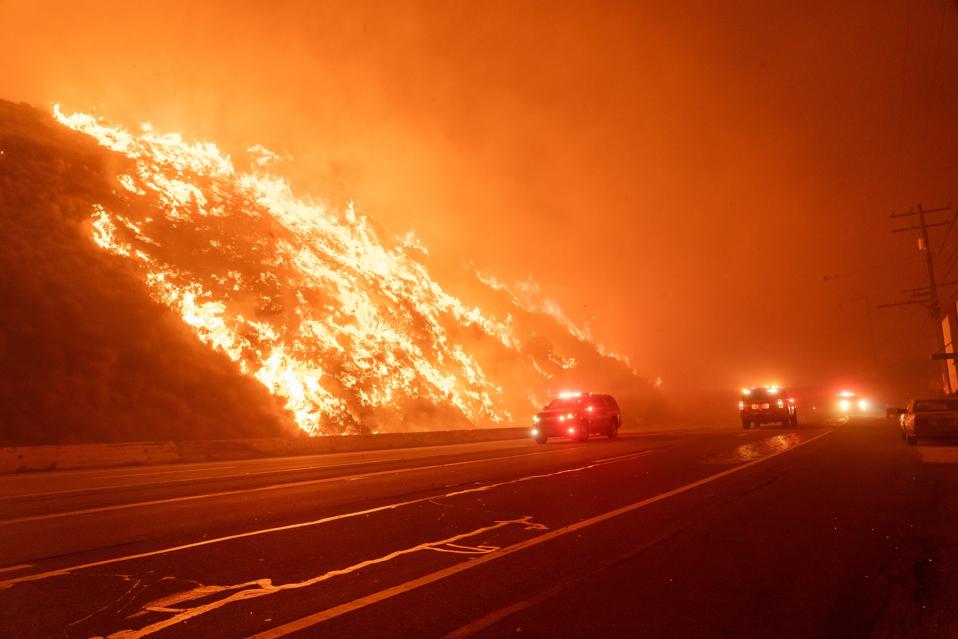
Santa Ana Winds: The Fiery Breath
One of the most significant natural contributors to the intensity and rapid spread of Los Angeles wildfires are the infamous Santa Ana winds. These dry, hot offshore winds originate in the desert interior and sweep down towards the coast, typically during the autumn and winter months. Their arrival signals a dramatic shift in weather conditions:
- Extreme Dryness: The winds are exceptionally dry, stripping moisture from vegetation that may have already been parched by a lack of rainfall. This transforms normally resilient plant life into highly flammable tinder.
- Increased Wind Speed: Gusts can reach speeds of 50 to 70 miles per hour, and sometimes even higher. This fierce wind not only fans existing flames but also carries embers long distances, igniting new fires far from the original source. These embers can travel for miles, creating what firefighters call “spotting,” which significantly complicates containment efforts.
- Lower Humidity: Coupled with the dryness, the relative humidity plummets, often falling into single digits. This makes even slightly damp vegetation susceptible to ignition.
- Temperature Surges: The Santa Ana winds are also associated with sharp increases in temperature, further exacerbating the drying effect on vegetation.
Drought and Fuel Accumulation
California has experienced periods of prolonged drought, a cyclical but increasingly concerning aspect of its climate. Extended dry spells mean less water absorption by the soil and plants, leading to a buildup of dead and dried-out vegetation. This “fuel load” – the cumulative mass of combustible material – becomes a ready feast for any ignition source.
- Dying Vegetation: Drought-stressed plants are more likely to die, leaving behind dry leaves, branches, and grasses.
- Insect Infestations: Drought can also weaken trees and shrubs, making them more vulnerable to insect infestations that further kill off vegetation, adding to the dry fuel.
- Invasive Species: Some invasive plant species, which are common in California, are particularly adapted to dry conditions and can proliferate rapidly, creating dense stands of flammable material.
Topography: The Fire’s Highway
The rugged and often steep terrain of Southern California also plays a crucial role in how wildfires behave.
- Upslope Fire Spread: Fire travels much faster uphill than it does on flat ground. The preheating of fuel above a fire, combined with the rising heat and flame, creates a powerful updraft that pulls the fire upwards with increased intensity.
- Wind Tunnel Effects: Canyons and ravines can act like chimneys or wind tunnels, channeling the Santa Ana winds and intensifying their effect on fire spread.
The Human Element: Ignition Sources
While natural conditions create a tinderbox environment, human actions are overwhelmingly the cause of ignition for Los Angeles wildfires. These ignitions can range from accidental to intentional, and understanding them is critical for prevention.
Electrical Equipment: A Frequent Culprit
A significant number of fires are attributed to issues with electrical infrastructure. The vast network of power lines, substations, and other equipment that crisscrosses the state, often through wildland-urban interface zones, can be a source of ignition.
- Downed Power Lines: Strong winds, like the Santa Ana winds, can cause power lines to sway, touch each other, or fall to the ground. A spark from a downed line or a line arcing against vegetation can easily ignite dry brush. Companies like Southern California Edison are constantly working to mitigate these risks through equipment upgrades and preventative measures like planned power shutoffs during high-wind events.
- Equipment Malfunction: Aging equipment or failures in transformers and other components can also generate sparks or heat that ignites surrounding dry vegetation.
- Maintenance Practices: Inadequate maintenance of vegetation around power lines, allowing branches to grow too close, has also been identified as a contributing factor in past fires.
Arson: A Deliberate Threat
While less common than accidental ignitions, arson remains a serious concern. Individuals intentionally setting fires pose a direct threat and complicate efforts to prevent these disasters. Investigations into the causes of many wildfires include thorough assessments for signs of deliberate ignition.
Everyday Activities: The Unforeseen Spark
Many ignitions stem from seemingly innocuous everyday activities that, in the dry conditions, can have catastrophic consequences.
- Campfires and Bonfires: Unattended or improperly extinguished campfires can easily spread to surrounding dry vegetation. Even small embers can be blown by the wind.
- Discarded Cigarettes: A carelessly tossed cigarette butt, especially in dry grass, can be a potent ignition source.
- Vehicles: Hot exhaust systems or sparks from dragging parts of vehicles, particularly on unpaved roads, can ignite dry roadside vegetation. The friction from tires on dry grass can also generate enough heat.
- Machinery and Tools: Sparks from lawnmowers, chainsaws, welding equipment, or even car repairs can ignite dry fuels.
- Fireworks and Pyrotechnics: The use of fireworks, particularly illegal ones, during dry periods presents an obvious and significant fire risk.

The Wildland-Urban Interface (WUI): A Zone of Conflict
A critical factor exacerbating the impact of Los Angeles wildfires is the increasing development within the Wildland-Urban Interface (WUI). This is the zone where human settlements meet or intermingle with undeveloped wildlands.
Increased Ignition Potential
The WUI inherently increases the likelihood of human-caused ignitions. More homes and infrastructure mean more potential for sparks from electrical equipment, vehicles, and human activities.
Challenging Firefighting Conditions
Fires in the WUI are incredibly difficult to fight. Firefighters must contend with both the natural behavior of wildfires and the complex structure of residential areas.
- Access Issues: Narrow, winding roads in mountainous WUI areas can hinder the rapid deployment of fire engines and equipment.
- Protecting Structures: The primary goal in the WUI often shifts from simply containing the fire to protecting lives and structures, which requires different tactics and resources.
- Evacuation Challenges: Evacuating residents from densely populated WUI areas can be a chaotic and dangerous undertaking, especially when fire spread is rapid.
Home Ignitions
In WUI fires, homes themselves can become ignition sources, not just targets. Burning embers can land on roofs, in gutters, or in vents, igniting structures from within or without. This highlights the importance of fire-resistant building materials and landscaping in these vulnerable areas.
Addressing the Challenge: Prevention and Mitigation
Understanding the multifaceted origins of Los Angeles wildfires is the first step towards effective prevention and mitigation. This requires a coordinated effort involving government agencies, utility companies, communities, and individuals.
Utility Infrastructure Hardening
Power companies are investing heavily in measures to reduce the risk of their equipment igniting fires. This includes undergrounding power lines in high-risk areas, replacing aging infrastructure, and implementing advanced grid monitoring systems. The practice of Public Safety Power Shutoffs (PSPS), where electricity is intentionally de-energized during extreme weather, has become a controversial but sometimes necessary tool for preventing ignitions from downed lines.
Fuel Management
Strategic management of vegetation, or “fuel,” is crucial. This involves:
- Defensible Space: Encouraging and enforcing the creation of defensible space around homes, which involves clearing flammable vegetation within a specified radius.
- Prescribed Burns: Controlled burns conducted under specific weather conditions to reduce fuel loads in a safe and managed manner.
- Mechanical Thinning: Physically removing excess vegetation.
Public Education and Awareness
Educating the public about fire safety practices is paramount. This includes:
- Safe Campfire Use: Proper extinguishing techniques.
- Proper Disposal of Smoking Materials: Never discarding cigarettes in dry areas.
- Vehicle Maintenance: Ensuring vehicles are in good repair and not emitting sparks.
- Restrictions on Outdoor Activities: Adhering to fire bans and restrictions on activities like fireworks.
Building Codes and Land Use Planning
Stricter building codes that mandate the use of fire-resistant materials in WUI areas and thoughtful land-use planning that limits development in the most hazardous zones are essential long-term strategies.

Technological Advancements
New technologies are playing an increasing role, from advanced weather forecasting and early detection systems (like satellite imagery and AI-powered monitoring) to improved firefighting equipment and strategies.
The question of what starts the Los Angeles wildfires is not a simple one. It is a dynamic interplay of natural forces – the dry winds, the thirsty landscape, the challenging topography – and the ever-present influence of human activity, both accidental and intentional. By acknowledging these interconnected factors and committing to comprehensive prevention and mitigation strategies, the region can better prepare for and potentially reduce the devastating impact of these destructive infernos.
LifeOutOfTheBox is a participant in the Amazon Services LLC Associates Program, an affiliate advertising program designed to provide a means for sites to earn advertising fees by advertising and linking to Amazon.com. Amazon, the Amazon logo, AmazonSupply, and the AmazonSupply logo are trademarks of Amazon.com, Inc. or its affiliates. As an Amazon Associate we earn affiliate commissions from qualifying purchases.