
As the vibrant metropolis of Los Angeles continues to beckon travelers with its iconic Hollywood allure, sun-drenched beaches, and world-class entertainment, understanding the local health landscape is a crucial, albeit often overlooked, aspect of a well-planned trip. While the city is renowned for its sprawling attractions and diverse cultural experiences, staying informed about prevalent health concerns ensures a more comfortable and enjoyable visit. This guide focuses on the current health considerations for tourists, providing actionable advice to help you navigate your stay in the City of Angels with peace of mind.
The landscape of viral illnesses is dynamic, with various respiratory and gastrointestinal viruses circulating at different times of the year. While a definitive, real-time “what’s going around” report is best obtained from local public health advisories, this article aims to provide a general overview of commonly circulating viruses in urban environments like Los Angeles and offer practical tips for travelers.
Understanding Common Viral Threats in Urban Destinations
Los Angeles, like any major global city, is a hub for a multitude of travelers, making it a conducive environment for the transmission of various viruses. Understanding the types of illnesses that are more likely to be prevalent can help in preventative measures.
Respiratory Illnesses
Respiratory viruses are perhaps the most common concern for travelers. These include influenza, common colds (caused by rhinoviruses, coronaviruses, etc.), and, in more recent times, COVID-19.
- Influenza (The Flu): The flu season in Southern California typically runs from late fall through early spring, with peak activity often occurring between December and February. Symptoms include fever, cough, sore throat, runny or stuffy nose, body aches, headache, chills, and fatigue. While generally mild for healthy individuals, the flu can lead to serious complications, especially for those with underlying health conditions.
- Common Cold: The common cold is a ubiquitous illness, and Los Angeles is no exception. Symptoms are similar to the flu but generally less severe and usually do not include high fever or severe body aches. Colds can circulate year-round, though they might see an uptick during cooler months.
- COVID-19: While the acute phase of the pandemic has subsided, COVID-19 continues to circulate. Symptoms can vary widely and may include fever, cough, shortness of breath, fatigue, muscle or body aches, headache, new loss of taste or smell, sore throat, congestion, or runny nose, nausea, vomiting, and diarrhea. Staying updated on local guidelines and considering personal risk factors is advisable.
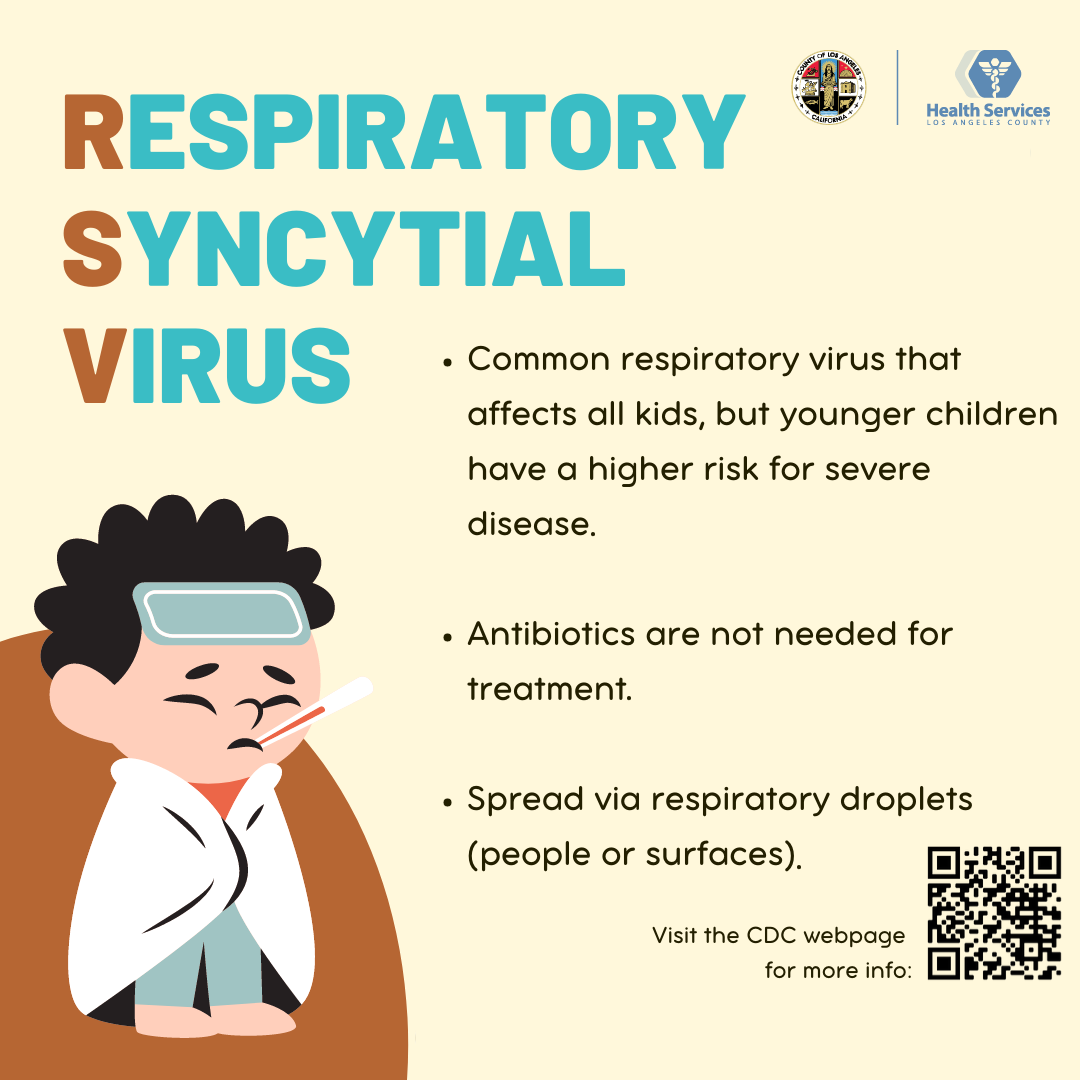
- Respiratory Syncytial Virus (RSV): RSV is a common respiratory virus that usually causes mild, cold-like symptoms. However, it can be serious, especially for infants and older adults. While its prevalence can fluctuate, it’s a virus that medical professionals in Los Angeles monitor.
Gastrointestinal Illnesses
Gastrointestinal viruses, often referred to as “stomach bugs,” can also disrupt travel plans. These are typically caused by norovirus or rotavirus and can lead to vomiting, diarrhea, nausea, and stomach cramps. These viruses are highly contagious and can spread easily in close-contact settings, such as crowded tourist attractions or shared accommodation.
Other Potential Concerns
While less common, other viruses can circulate. Travelers should be aware of general hygiene practices that protect against a broad spectrum of pathogens.
Staying Healthy: Proactive Measures for Travelers
A proactive approach to health is the most effective strategy for enjoying your time in Los Angeles without the unwelcome interruption of illness. Implementing simple yet effective habits can significantly reduce your risk of contracting a virus.
Vaccination and Health Preparations
- Stay Up-to-Date on Recommended Vaccinations: Ensure you are up-to-date on all routine vaccinations, including the annual flu shot and any recommended COVID-19 boosters. Consult with your healthcare provider before your trip to discuss any specific vaccination recommendations based on your health status and travel plans.
- Pack a Travel Health Kit: Include essentials like hand sanitizer (with at least 60% alcohol), disposable masks, over-the-counter medications for fever, pain, and digestive issues, and any personal prescription medications.
- Travel Insurance: Consider purchasing comprehensive travel insurance that covers medical emergencies, including treatment for illness and potential trip interruptions.
Hygiene Practices in Tourist Hotspots
Los Angeles offers countless attractions, from the Griffith Observatory to the Santa Monica Pier, which can draw large crowds. Practicing diligent hygiene is paramount in these environments.
- Frequent Handwashing: Wash your hands thoroughly with soap and water for at least 20 seconds, especially after using public restrooms, before eating, and after touching frequently touched surfaces.
- Use Hand Sanitizer: When soap and water are not readily available, use an alcohol-based hand sanitizer.
- Avoid Touching Your Face: Try to avoid touching your eyes, nose, and mouth, as these are common entry points for viruses.
- Practice Respiratory Etiquette: Cover your mouth and nose with a tissue or your elbow when coughing or sneezing, and dispose of tissues immediately.
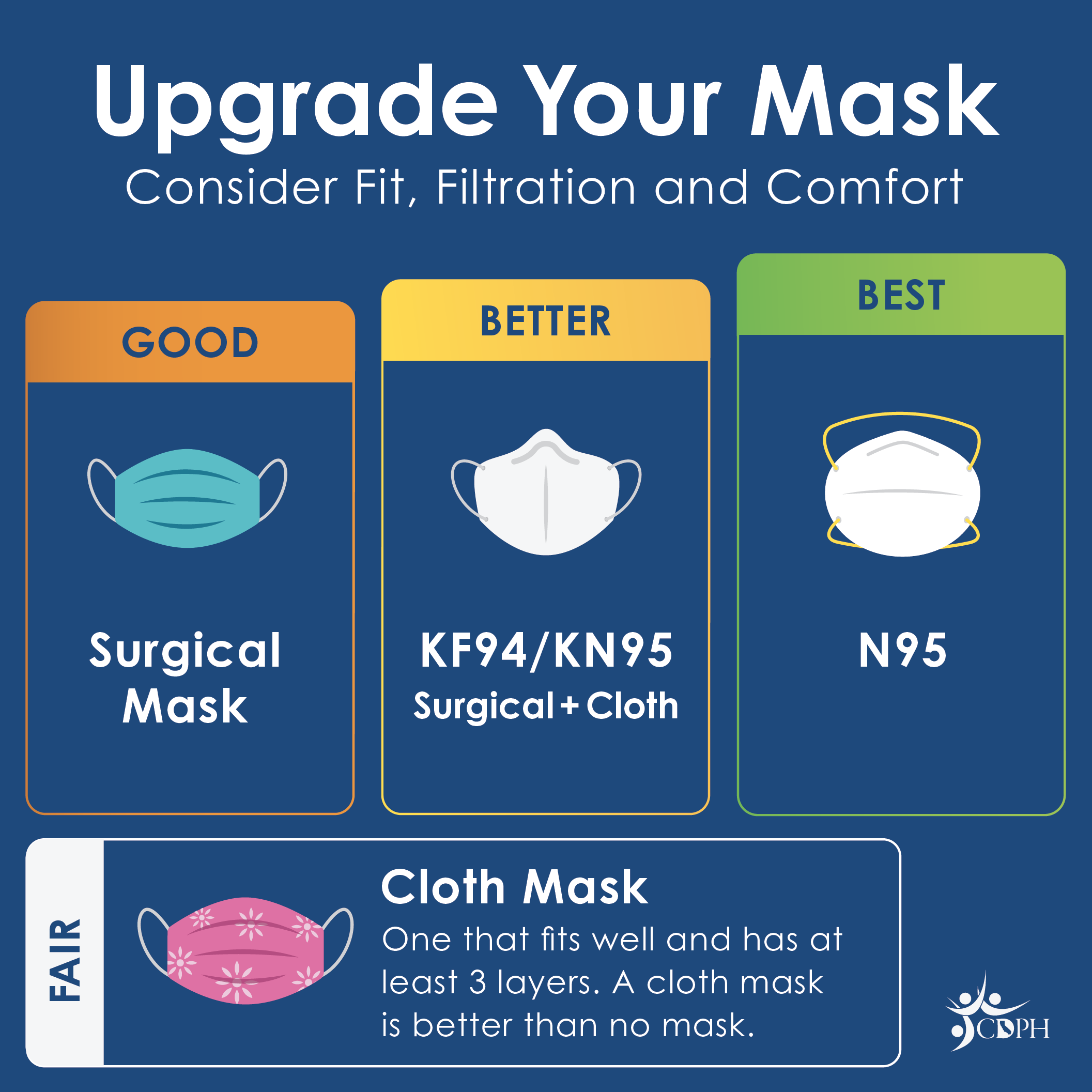
- Consider Masking: In crowded indoor spaces or on public transportation, consider wearing a well-fitting mask, especially if you are at higher risk for severe illness or if local transmission rates are high.
Dining and Accommodation Considerations
The culinary scene in Los Angeles is a major draw, from casual food trucks to Michelin-starred restaurants. Similarly, the city offers a vast array of accommodation options, from luxury hotels on Sunset Boulevard to charming boutique inns.
- Food Safety: Choose reputable restaurants with good hygiene ratings. Be cautious with street food unless you are confident in the vendor’s preparation methods. Ensure that food is cooked thoroughly and served hot.
- Water Safety: Tap water in Los Angeles is generally safe to drink. However, if you have a sensitive stomach, consider drinking bottled water or using a water filter.
- Accommodation Hygiene: Opt for clean and well-maintained accommodations. If you are concerned, bring disinfectant wipes to clean high-touch surfaces in your hotel room, such as doorknobs, light switches, and remote controls.
Recognizing Symptoms and Seeking Care
Even with the best preventative measures, it’s possible to fall ill. Knowing the signs and how to access medical care in Los Angeles is important.
Common Symptoms to Monitor
- Fever and Chills: Elevated body temperature.
- Cough and Sore Throat: Indicative of respiratory irritation.
- Fatigue: Unusual tiredness or lack of energy.
- Digestive Issues: Nausea, vomiting, diarrhea, or stomach cramps.
- Body Aches and Headache: Generalized discomfort.
- Loss of Taste or Smell: A distinctive symptom of certain respiratory viruses.
When to Seek Medical Attention
If you experience severe symptoms such as difficulty breathing, persistent chest pain or pressure, confusion, inability to stay awake, or high fever that does not respond to medication, seek immediate medical attention. For less severe symptoms, assess whether you can manage them with rest and over-the-counter remedies.
- Local Clinics and Urgent Care Centers: Los Angeles has numerous urgent care facilities that can treat common illnesses and injuries without the wait times of an emergency room.
- Emergency Rooms: For life-threatening conditions, proceed directly to the nearest hospital emergency room. Major hospitals include UCLA Medical Center, Cedars-Sinai Medical Center, and Keck Medicine of USC.
- Telehealth Services: Many healthcare providers in Los Angeles offer telehealth consultations, which can be a convenient option for assessing symptoms and receiving initial advice.
Navigating Los Angeles with a Health-Conscious Mindset
A visit to Los Angeles is an opportunity to immerse yourself in a world of entertainment, culture, and natural beauty. By staying informed about potential health concerns and adopting sensible preventative measures, you can ensure that your memories are of the glittering Hollywood sign and the iconic beaches, rather than a bout of illness.
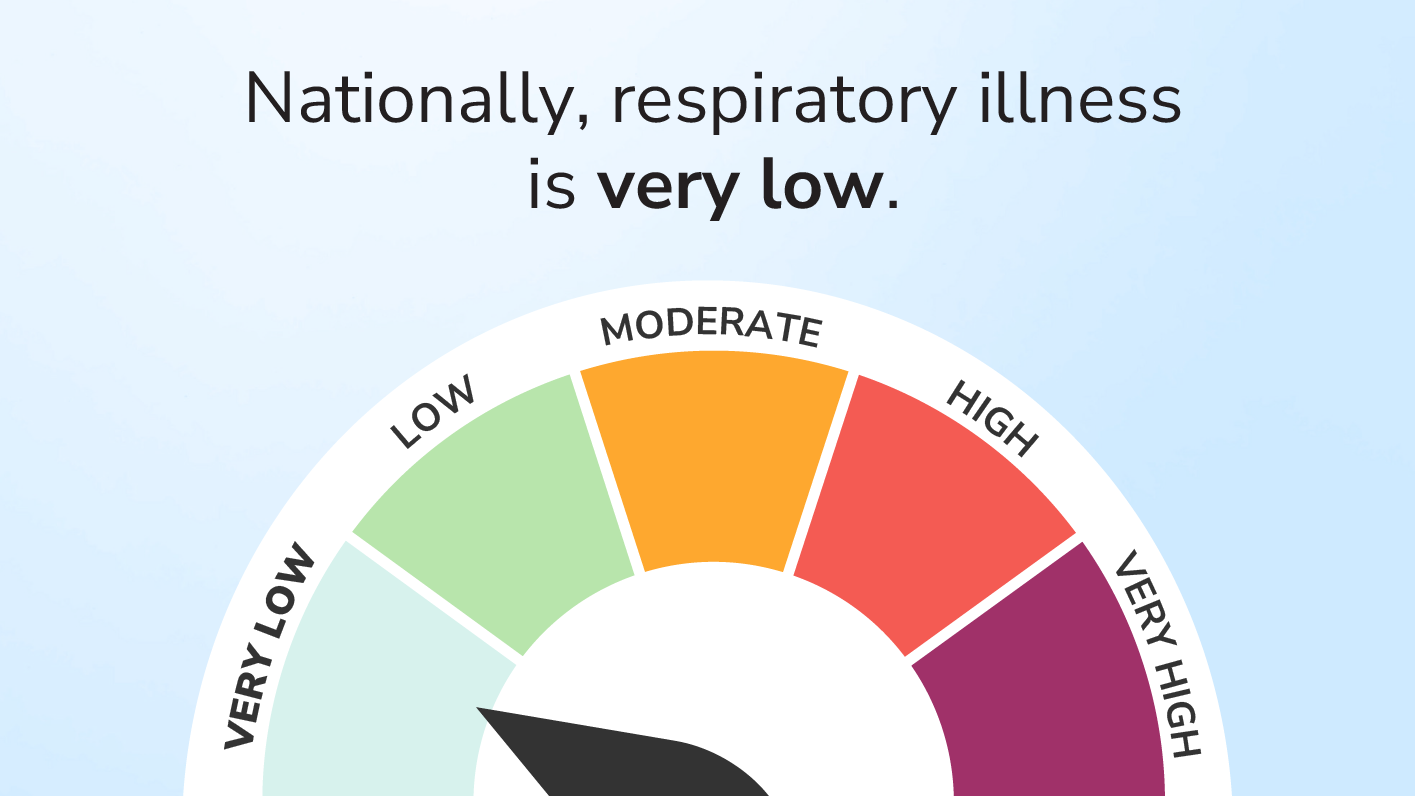
Remember that public health recommendations can change, and it is always wise to consult the official website of the Los Angeles County Department of Public Health for the most current information regarding outbreaks or health advisories. With a little foresight and attention to personal well-being, your adventure in the City of Angels is sure to be a healthy and memorable one. Whether you’re exploring the Getty Center or enjoying a performance at the Walt Disney Concert Hall, prioritizing your health allows you to fully embrace all that Los Angeles has to offer.
LifeOutOfTheBox is a participant in the Amazon Services LLC Associates Program, an affiliate advertising program designed to provide a means for sites to earn advertising fees by advertising and linking to Amazon.com. Amazon, the Amazon logo, AmazonSupply, and the AmazonSupply logo are trademarks of Amazon.com, Inc. or its affiliates. As an Amazon Associate we earn affiliate commissions from qualifying purchases.