
Understanding the civic calendar of a major metropolis like Los Angeles is crucial for residents and anyone with an interest in the city’s future. The mayoral elections are pivotal moments that shape the direction of policy, development, and community initiatives. This guide delves into the electoral cycle, offering insights into when Los Angeles residents can expect to cast their ballots for their next mayor.
The Electoral Landscape of Los Angeles
Los Angeles operates under a system where mayoral elections are held every four years. These elections are a cornerstone of the city’s democratic process, allowing citizens to select the individual who will lead the executive branch of city government. The mayor’s office holds significant sway over a wide range of responsibilities, including public safety, housing, transportation, economic development, and international relations.

Understanding the Four-Year Cycle
The regular schedule for mayoral elections in Los Angeles is a predictable element within the city’s governance. The current Mayor of Los Angeles was elected in 2022. Therefore, the next scheduled mayoral election will take place in 2026. This four-year interval allows for a period of governance to be assessed, and for candidates to emerge and prepare their campaigns.
Primary Elections and General Elections
Like many electoral systems in the United States, Los Angeles mayoral elections typically involve two stages: a primary election and a general election.
- Primary Election: This is where multiple candidates from various political parties, or running as independents, compete for votes. The top two vote-getters from the primary election advance to the general election, regardless of party affiliation. This system ensures that the final contest is between the two most popular candidates, theoretically offering voters a clear choice.
- General Election: The two candidates who won their respective primary contests then face off in the general election. This is the ultimate decision-making stage where the city’s residents will elect their next mayor. The candidate who secures a majority of the votes in the general election wins the office.
The timing of these elections is also important. The primary election is typically held in early spring, often in March or April, with the general election following later in the year, usually in November. This allows ample time for campaigning, debates, and voter engagement between the two electoral phases.
Factors Influencing Mayoral Elections
While the four-year cycle provides a framework, various factors can influence the dynamics and outcomes of Los Angeles mayoral elections. These include the city’s economic health, pressing social issues, the performance of the incumbent mayor, and the emergence of compelling challenger candidates.
Key Issues Shaping the Campaign
The campaigns for Los Angeles mayor are often dominated by critical urban challenges. These can include:
- Homelessness: This persistent issue is a major concern for residents and a central theme in most mayoral races, with candidates proposing diverse strategies for solutions, ranging from increased shelter capacity to affordable housing initiatives.
- Affordable Housing: The rising cost of living and the scarcity of affordable housing options are significant challenges that candidates must address. Proposals often focus on zoning reforms, rent control debates, and incentives for developers.
- Public Safety: Crime rates and the effectiveness of law enforcement are perennial topics. Candidates often present differing approaches to policing, community engagement, and crime prevention.
- Transportation and Infrastructure: With a sprawling urban landscape, improving public transportation, managing traffic congestion, and investing in infrastructure upgrades are vital for the city’s functionality and livability.
- Economic Development: Candidates often outline plans to attract businesses, create jobs, and foster innovation, aiming to boost the city’s economy and provide opportunities for its residents.
The Role of Incumbency
An incumbent mayor often benefits from name recognition and a record to point to, which can be an advantage in an election. However, this can also be a disadvantage if the public is dissatisfied with their performance or the direction the city is heading. Challengers often seek to capitalize on any perceived weaknesses or unpopular policies of the incumbent.
Candidate Platforms and Public Engagement
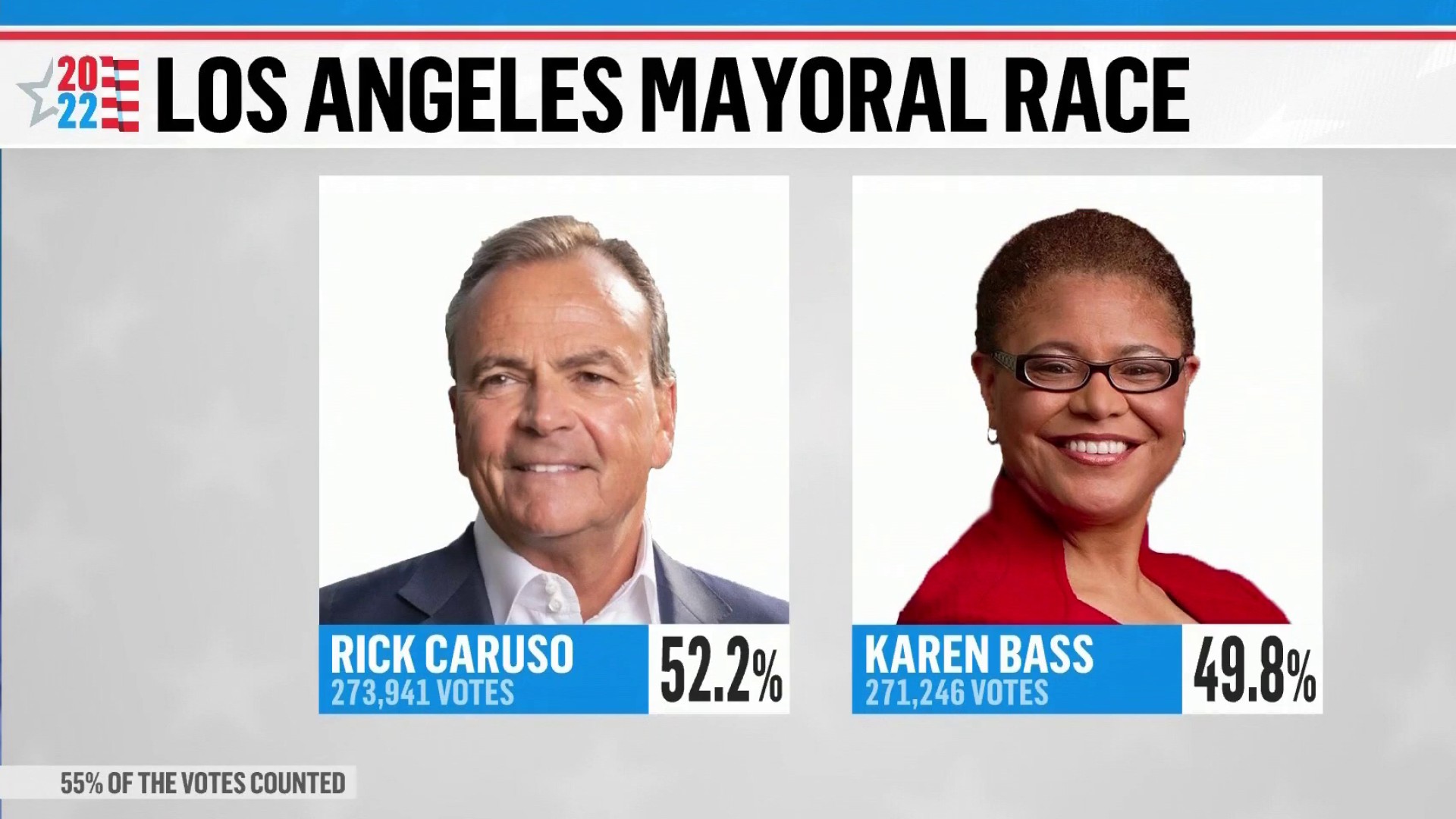
The effectiveness of a candidate’s platform in resonating with the diverse electorate of Los Angeles is paramount. Candidates must articulate clear visions and practical solutions to the city’s problems. Public forums, debates, and town hall meetings play a crucial role in informing voters and shaping public opinion. Media coverage, social media engagement, and grassroots organizing also contribute significantly to a campaign’s success.
Preparing for the Next Election Cycle
For residents of Los Angeles, staying informed about the upcoming mayoral election is an essential part of civic participation. This involves not only knowing the date of the election but also understanding the candidates and their proposed policies.
Voter Registration and Participation
Ensuring that you are registered to vote is the first step. The Los Angeles County Registrar-Recorder/County Clerk provides resources and information on how to register, check your registration status, and find your polling place. Voter turnout is a critical factor in any election, and active participation ensures that the outcome reflects the will of the people.
Researching Candidates and Issues
Prospective voters are encouraged to research each candidate’s background, experience, and policy positions. This can be done through various channels:
- Official Candidate Websites: Most candidates maintain websites detailing their platforms and campaign information.
- News Media: Local newspapers, television stations, and reputable online news outlets provide extensive coverage of candidates and issues.
- Debates and Forums: Attending or watching televised debates and candidate forums offers direct insight into their views and communication styles.
- Non-Partisan Voter Guides: Organizations often publish non-partisan guides that compare candidates’ stances on key issues.
Understanding the Impact of Mayoral Decisions
The decisions made by the mayor and the Los Angeles City Council have a tangible impact on daily life. From the quality of local parks and public services to the economic opportunities available, the elected leadership shapes the city’s present and future. Therefore, engaging in the electoral process is not just a civic duty but a way to influence the direction of this vibrant and complex global city.
Historical Context and Future Outlook
The mayoral elections in Los Angeles have a rich history, with each election cycle reflecting the evolving challenges and aspirations of the city. From the early days of its rapid growth to its current status as a global hub, the leadership chosen by voters has consistently played a crucial role in its development.
Past Mayoral Elections
Looking back at previous elections can provide valuable context. The tenure of mayors like Tom Bradley, who served for over twenty years, or more recent mayors like Eric Garcetti, highlight different eras and approaches to governance. Each mayor has grappled with unique sets of challenges, from managing growth and infrastructure to addressing social equity and economic diversification. The outcomes of these elections have often been shaped by the prevailing social and economic conditions of their time.
The Evolving Role of the Mayor
The office of the Mayor of Los Angeles has evolved significantly. Initially, the role was more ceremonial, but over time, as the city’s population and complexity grew, the mayor’s powers and responsibilities have expanded. Today, the mayor is a key figure in regional and national policy discussions, particularly concerning issues like climate change, technology, and international trade, given Los Angeles’s position as a gateway to the Pacific Rim.

Anticipating Future Trends
As Los Angeles continues to grow and face new challenges, future mayoral elections will likely be influenced by emerging trends. These could include the increasing impact of climate change and the need for sustainable urban development, the ongoing technological revolution and its implications for jobs and infrastructure, and the persistent drive for greater social and economic inclusivity. The candidates who can effectively address these complex, interconnected issues will be best positioned to lead the city in the years to come.
The next mayoral election in Los Angeles is scheduled for 2026. This event will be a critical juncture for the city, offering residents the opportunity to choose the leadership that will guide them through the opportunities and challenges of the coming years. Active and informed participation by voters will be key to shaping a vibrant and prosperous future for this iconic metropolis.
LifeOutOfTheBox is a participant in the Amazon Services LLC Associates Program, an affiliate advertising program designed to provide a means for sites to earn advertising fees by advertising and linking to Amazon.com. Amazon, the Amazon logo, AmazonSupply, and the AmazonSupply logo are trademarks of Amazon.com, Inc. or its affiliates. As an Amazon Associate we earn affiliate commissions from qualifying purchases.