
A Deep Dive into the Ownership Landscape of a Premier NFL Franchise
The Los Angeles Rams are more than just a professional American football team; they are a cultural touchstone in the vibrant tapestry of Los Angeles. Their presence in the league, marked by Super Bowl victories and a passionate fanbase, inevitably sparks curiosity about the individuals and entities behind their success. Understanding who owns the Rams offers a fascinating glimpse into the dynamics of professional sports ownership, a realm where immense capital meets strategic vision and deep-seated passion for the game. This exploration delves into the complex structure of the Rams’ ownership, highlighting the key figures and their contributions to one of the NFL’s most prominent franchises.
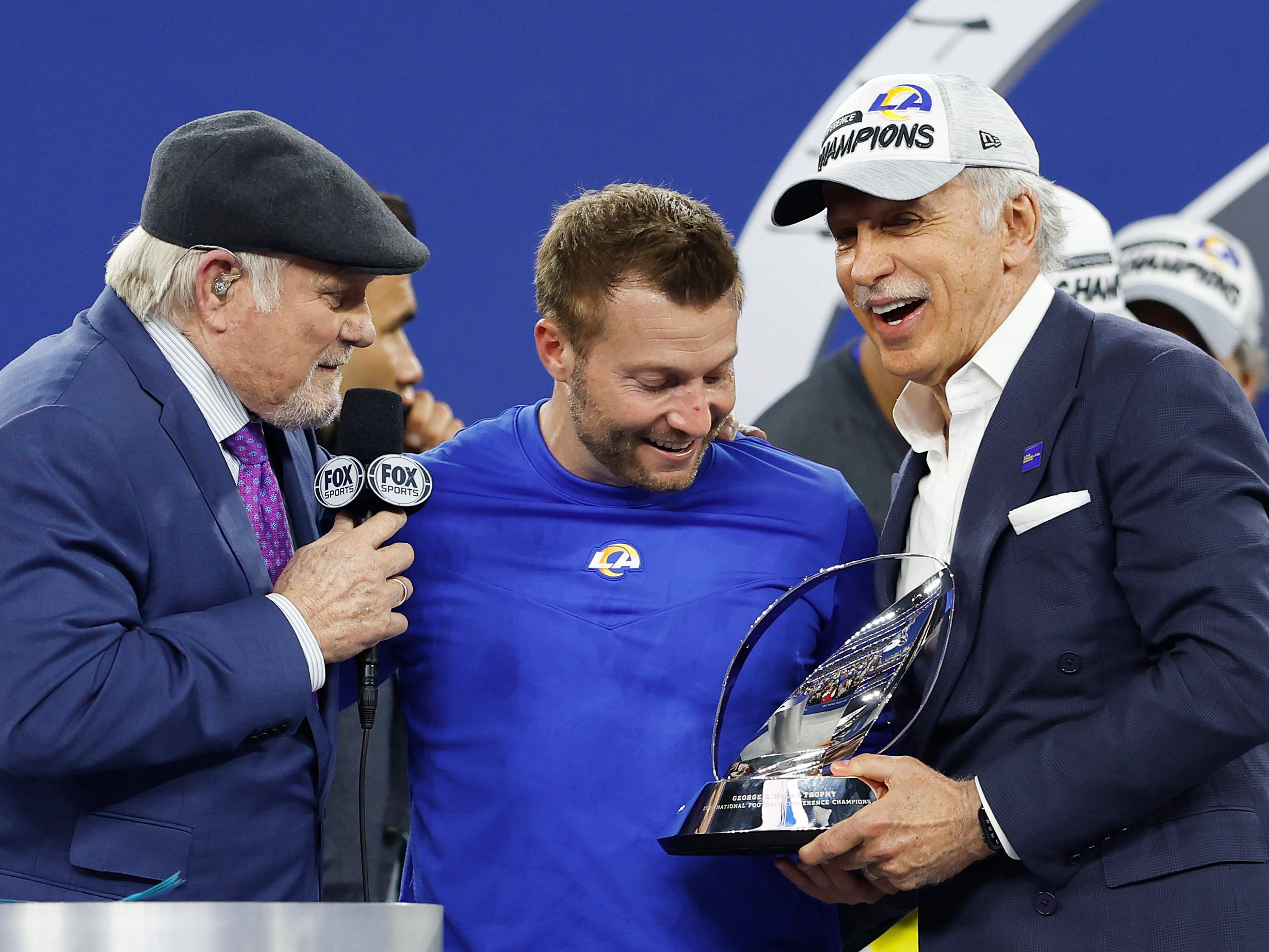
The Principal Owner and Their Vision
At the apex of the Los Angeles Rams ownership pyramid sits Stan Kroenke, a name synonymous with significant sports empire building. Kroenke Sports & Entertainment (KSE), his privately held conglomerate, holds the controlling interest in the Rams. Kroenke, a real estate magnate and investor, has systematically expanded his sports portfolio over the years, and the Rams represent a crown jewel within that collection. His acquisition of a significant stake in the team began in 2000, and by 2010, he had gained full control. This move was pivotal, setting the stage for the team’s eventual return to Los Angeles after a long tenure in St. Louis.
Kroenke’s approach to ownership is characterized by a long-term, capital-intensive strategy. He is known for investing heavily in team facilities, player development, and marketing, aiming to create a sustainable model of success. His vision for the Rams extended beyond just the gridiron; it encompassed the development of a world-class entertainment district. The construction of SoFi Stadium in Inglewood, a state-of-the-art venue that has become the Rams’ home, is a testament to this expansive ambition. This massive undertaking, largely financed by Kroenke himself, not only provides the Rams with a cutting-edge home but also positions it as a premier destination for major sporting events and concerts, further cementing its economic and cultural impact.
The success of the Rams under Kroenke’s ownership, including their Super Bowl LVI victory, underscores his commitment and strategic acumen. While the complexities of sports ownership often involve numerous stakeholders, Kroenke’s primary role as the controlling owner is undeniable. His influence shapes the team’s direction, from player personnel decisions and coaching appointments to the broader business operations and community engagement strategies. His personal wealth, derived from extensive real estate holdings and other diverse investments, provides the financial bedrock necessary to sustain a high-performing NFL franchise in one of the nation’s most competitive markets.
Key Stakeholders and Minority Investors
While Stan Kroenke’s influence is paramount, professional sports franchises, especially those as valuable as the Los Angeles Rams, often operate with a broader ownership group. These minority investors can bring additional capital, diverse expertise, and valuable connections to the table. Although specific details about all minority investors can be proprietary and subject to league regulations, it’s understood that KSE manages a consortium that may include individuals or entities contributing to the team’s financial structure and strategic planning.

The NFL has specific rules regarding ownership percentages and the approval process for any new owners or significant stake changes. These regulations are designed to ensure the financial stability and integrity of the league as a whole. For a franchise as prominent as the Rams, any significant changes in ownership would require the approval of the NFL’s ownership committee and the broader league membership, a testament to the collective oversight within professional football.
The presence of a diversified ownership group can also contribute to a more robust decision-making process. While the ultimate authority rests with the majority owner, insights from experienced business leaders and sports enthusiasts can offer valuable perspectives. These stakeholders are often deeply invested in the success of the team, not just financially but also in terms of brand equity and the fan experience. Their involvement can range from advisory roles to direct contributions in specific operational areas, all under the umbrella of Kroenke Sports & Entertainment.
The Impact of Ownership on Team Performance and Strategy
The ownership structure and philosophy have a direct and profound impact on every facet of the Los Angeles Rams. A hands-on, highly invested owner like Stan Kroenke can foster an environment conducive to success, but it also places significant responsibility on their shoulders. Kroenke’s willingness to spend, evidenced by the substantial investments in player contracts and infrastructure, signals a commitment to fielding a competitive team year after year.
The decision to move the Rams back to Los Angeles was a monumental one, driven by the ownership’s strategic vision to tap into a massive, passionate market and capitalize on the economic opportunities presented by the city. This move was not without its challenges, including the extensive planning and construction of a new stadium and the re-establishment of a fanbase after years away. The success of this relocation, marked by the team’s return to championship contention, highlights the effectiveness of a decisive and well-resourced ownership group.
Furthermore, the ownership’s approach influences the team’s long-term strategic planning. This includes everything from scouting and draft strategies to free agency acquisitions and coaching staff decisions. A clear vision from the top percolates down through the front office and coaching staff, guiding their efforts to build a winning culture. The Rams’ consistent presence in the NFL playoffs and their Super Bowl victory are clear indicators that their ownership’s strategic direction has been largely successful. The investment in talent, both on and off the field, and the commitment to providing the best possible resources for the team are hallmarks of a well-managed franchise.

Understanding the Business of the Rams
Beyond the thrill of game day and the roar of the crowd, the Los Angeles Rams are a significant business enterprise. Understanding who owns the team is key to comprehending its financial operations, market value, and overall business strategy. As a privately held entity under the KSE umbrella, the exact financial valuations and revenue streams are not publicly disclosed in the same way as publicly traded companies. However, the team’s valuation is consistently ranked among the highest in the NFL, a testament to its brand strength, market potential, and the success achieved under its current ownership.
The revenue generated by the Rams is multi-faceted, encompassing ticket sales, broadcast rights, sponsorships, merchandise, and the lucrative operation of SoFi Stadium, which hosts a variety of events beyond NFL games. The strategic decision by Kroenke to build such a monumental venue was not just about providing a home for the Rams but also about creating a new, diversified revenue stream that significantly enhances the team’s overall financial standing. This integrated approach to ownership, where the stadium and team operate in synergy, is a modern trend in professional sports, aimed at maximizing profitability and long-term sustainability.
The ownership’s financial clout allows them to attract and retain top talent, both players and coaches. In the NFL, where the salary cap dictates spending, the ability of an owner to invest in signing bonuses, extensions, and support staff is crucial for building and maintaining a championship-caliber team. Stan Kroenke’s financial capacity enables the Rams to compete at the highest level, making them a formidable force not only on the field but also in the competitive business landscape of professional sports. The ownership’s financial decisions are intricately linked to the team’s on-field performance, creating a cyclical relationship that drives both business success and athletic achievement.
LifeOutOfTheBox is a participant in the Amazon Services LLC Associates Program, an affiliate advertising program designed to provide a means for sites to earn advertising fees by advertising and linking to Amazon.com. Amazon, the Amazon logo, AmazonSupply, and the AmazonSupply logo are trademarks of Amazon.com, Inc. or its affiliates. As an Amazon Associate we earn affiliate commissions from qualifying purchases.