
While the very mention of Louisiana might conjure images of shimmering bayous, vibrant New Orleans jazz, and the rich tapestry of Creole and Cajun culture, the idea of beaches might seem less intuitive. The state is renowned for its wetlands, marshes, and extensive coastline along the Gulf of Mexico. However, this complex delta region, shaped by the mighty Mississippi River, presents a unique coastal landscape. Far from the stereotypical white-sand, palm-fringed paradises of some other destinations, Louisiana’s beaches offer a distinct, often wilder, and ecologically rich experience, waiting to be discovered by the intrepid traveler.
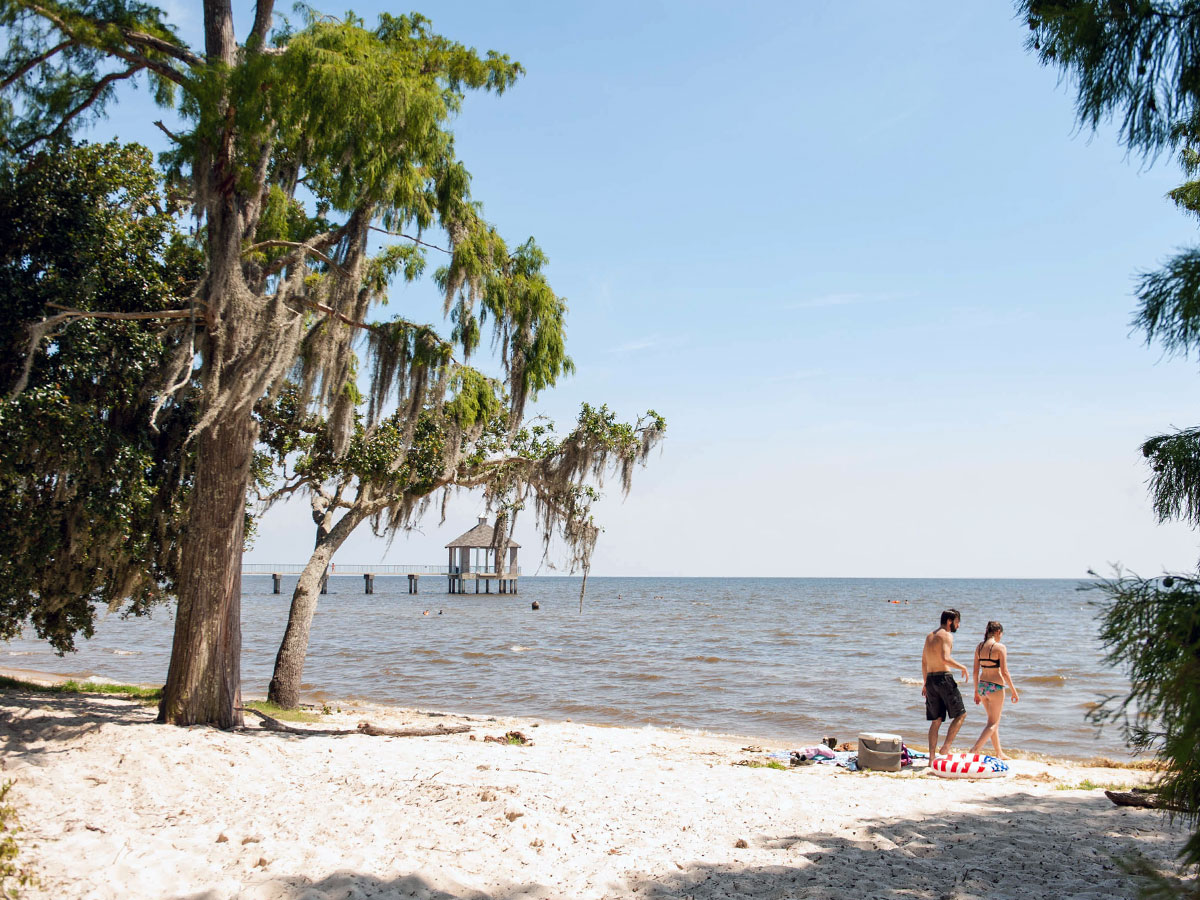
Louisiana’s Coastal Charm: More Than Just Sand
Louisiana’s shoreline is a dynamic interface between land and sea, characterized by barrier islands, estuarine environments, and a constant interplay of sediment deposition and erosion. This means that “beaches” here can manifest in various forms, from developed recreational areas to more remote, natural stretches of coastline. The appeal lies not just in sunbathing, but in the unique ecosystems they support and the recreational opportunities they afford. For those seeking an escape that embraces the natural world, Louisiana’s coastal regions offer an authentic and often overlooked treasure.
The Nature of Louisiana’s Coastline
Understanding the geography of Louisiana is key to appreciating its beaches. The state boasts the largest delta system in the United States, a vast network of wetlands that stretches along the northern coast of the Gulf of Mexico. This delta is constantly being reshaped by the Mississippi River, which carries sediment from the heartland and deposits it along the coast, creating new land.
This continuous process results in a shoreline that is diverse and ever-changing. Unlike the more static coastlines of some neighboring states, Louisiana’s coast is a living, breathing entity. The beaches you find might be composed of shell fragments, coarser sands, or fine silts, depending on their location and the prevailing currents. This natural dynamism also contributes to the rich biodiversity found here, with numerous species of birds, marine life, and coastal vegetation thriving in these environments.
Beyond the Sunbathers: Ecological Significance
The beaches and coastal areas of Louisiana are critical habitats for a multitude of species. They serve as vital nesting grounds for sea turtles, including the endangered Kemp’s Ridley. The shallow waters and marshlands offshore are nurseries for a variety of fish and shellfish, supporting Louisiana’s renowned seafood industry. Birdwatchers flock to these areas, especially during migration seasons, to observe countless species of shorebirds, waders, and migratory fowl.
The ecological importance of these coastal zones also underscores the need for responsible tourism. Preservation efforts are ongoing, and visitors are encouraged to tread lightly and respect the natural environment. This focus on conservation adds another layer to the travel experience, appealing to those who value sustainable and eco-conscious exploration.
Discovering Louisiana’s Coastal Gems
While not boasting the vast, powdery shores of the Caribbean, Louisiana offers several destinations where you can experience the unique charm of its coastal landscape. These locations provide opportunities for relaxation, recreation, and an immersion in the natural beauty of the state.
Grand Isle: The Crown Jewel of Louisiana’s Coast
Grand Isle is perhaps the most well-known and developed beach destination in Louisiana. Located on an eponymous barrier island, it is the state’s only inhabited barrier island and offers a more traditional beach experience, albeit with a distinct Louisiana flair.
Recreational Activities at Grand Isle
- Swimming and Sunbathing: While the waters of the Gulf of Mexico here are typically warmer than those further north, they can also be more turbid due to riverine influence. Nonetheless, the beaches provide ample space for sunbathing and enjoying the coastal breeze.
- Fishing: Grand Isle is a world-renowned fishing destination. Anglers can cast their lines from the shore, the piers, or charter a boat to venture into the rich offshore waters. Popular catches include redfish, speckled trout, and flounder. The annual Grand Isle International Tarpon Rodeo is a major event drawing anglers from across the country.
- Birdwatching: The island’s location makes it a crucial stopover point for migratory birds along the Atlantic Flyway. During spring and fall migration, the island teems with an incredible variety of species, offering unparalleled opportunities for bird enthusiasts. The Grand Isle State Park and nearby refuges are prime locations.
- Shelling: The tides often bring a fascinating array of shells ashore, providing a rewarding activity for beachcombers.
Accommodation and Amenities
Grand Isle offers a range of accommodations, from quaint beach houses and condominiums for rent to RV parks and campgrounds. Several local restaurants serve up fresh, local seafood, allowing visitors to savor the flavors of Louisiana while enjoying the coastal ambiance.
Rockefeller State Wildlife Refuge and Game Preserve
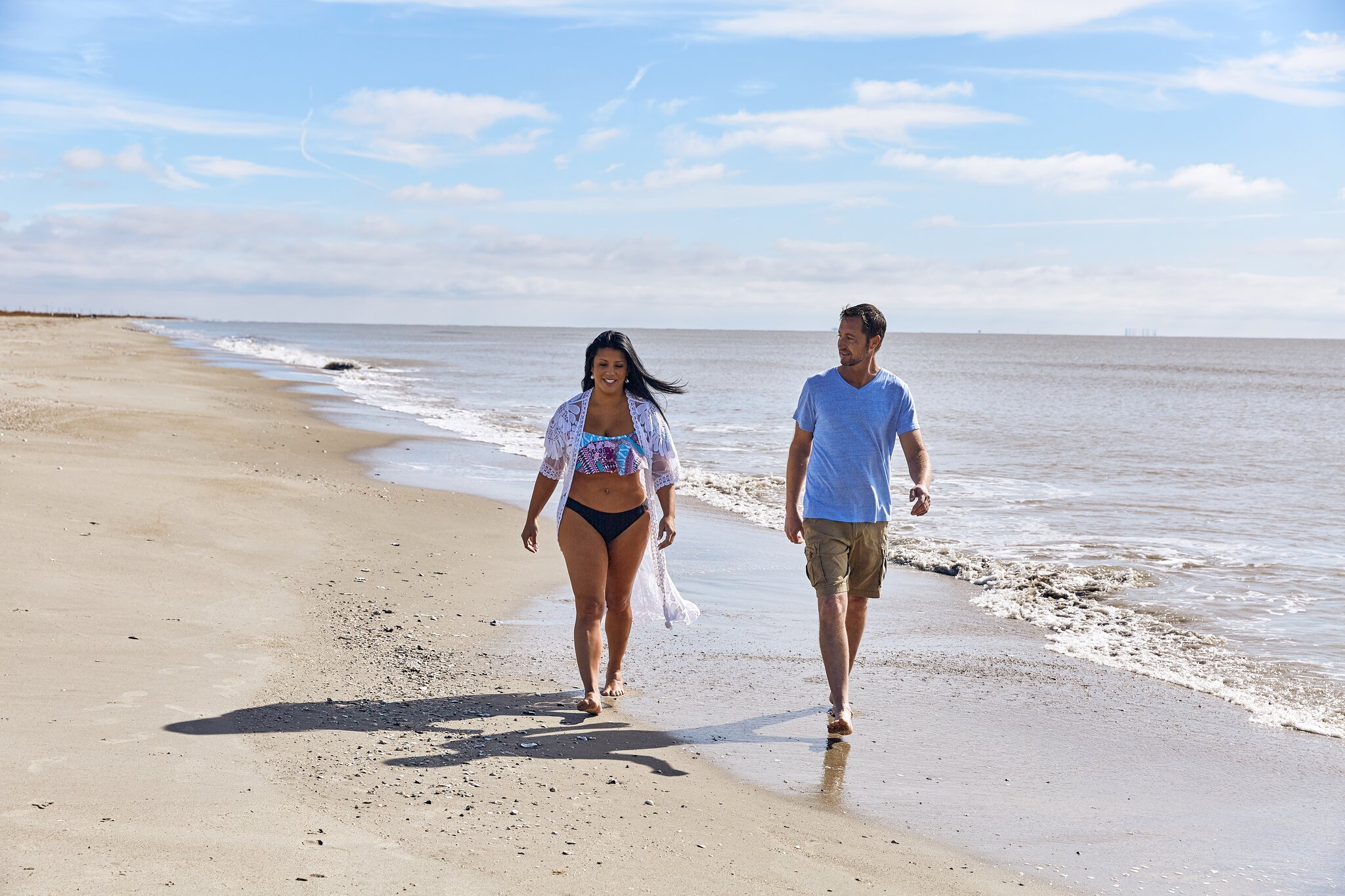
For a more natural and immersive experience, the Rockefeller State Wildlife Refuge and Game Preserve offers miles of undeveloped coastline. While not a traditional “beach” for sunbathing, its vast marshes, mudflats, and sandy fringes are a haven for wildlife and a testament to the untamed beauty of the Louisiana coast.
Wildlife Viewing and Exploration
- Birdwatching: This refuge is a premier destination for birding, particularly during migratory periods. Visitors can spot wading birds like herons and egrets, shorebirds, and various waterfowl.
- Alligator and Mammal Spotting: The brackish marshes are home to American alligators, nutria, and other fascinating mammals.
- Kayaking and Canoeing: Explore the intricate network of bayous and canals by kayak or canoe, offering intimate encounters with the coastal ecosystem. Guided tours are often available.
- Coastal Walks: While trails are limited, the undeveloped nature of the area allows for exploratory walks along the shoreline, offering a sense of solitude and connection with nature.
Visitor Information
The Rockefeller State Wildlife Refuge and Game Preserve is managed for conservation and wildlife observation. Visitor access is primarily for educational and recreational purposes related to nature. Facilities are more limited here, emphasizing the wild nature of the experience.
Cameron Parish Beaches
Cameron Parish in southwestern Louisiana boasts a long stretch of coastline that includes several public beach access points. These areas offer a more laid-back and less crowded experience compared to Grand Isle.
Coastal Activities in Cameron Parish
- Beachcombing and Relaxation: Enjoy the natural beauty of the undeveloped coastline, perfect for leisurely walks, shell collecting, and simply soaking in the coastal atmosphere.
- Fishing: The Gulf waters and numerous lakes and bays in Cameron Parish are excellent for fishing. Surf fishing is popular along the coast.
- Boating and Water Sports: While not as developed for large-scale water sports, the calmer bay waters are ideal for kayaking, paddleboarding, and boating.
Unique Features of Cameron Parish Coastline
The beaches in Cameron Parish are often characterized by a more natural, less manicured appearance. The tides and storm events can significantly alter the shoreline, adding to its dynamic character. The presence of numerous inlets and marsh areas means that the transition from beach to bayou is a prominent feature.
Planning Your Louisiana Beach Getaway
A trip to the Louisiana coast is a unique travel experience that requires a slightly different approach than a typical beach vacation. The emphasis here is on nature, wildlife, and the distinct cultural heritage of the region.
What to Expect and Pack
- Weather: Louisiana experiences a subtropical climate with hot, humid summers and mild winters. Coastal areas can be breezy. Hurricane season runs from June 1 to November 30, so it’s advisable to monitor weather forecasts if traveling during this period.
- Sun Protection: High SPF sunscreen, wide-brimmed hats, and sunglasses are essential, as the sun can be intense, even on cloudy days.
- Insect Repellent: Mosquitoes and other biting insects can be prevalent, especially in marshy areas and during dawn and dusk.
- Footwear: Comfortable walking shoes are recommended for exploring natural areas, along with flip-flops or sandals for the beach. Water shoes can be useful due to shell fragments.
- Binoculars: For birdwatching and wildlife observation, binoculars are a must-have.
- Camera: To capture the unique landscapes and abundant wildlife.
Best Time to Visit
The spring (March to May) and fall (September to November) offer the most pleasant weather for visiting the Louisiana coast. Temperatures are milder, and humidity is generally lower. These seasons also coincide with peak bird migration, making them ideal for birdwatchers. Summer can be very hot and humid, while winter is mild but can be cooler and wetter.
Eco-Tourism and Conservation
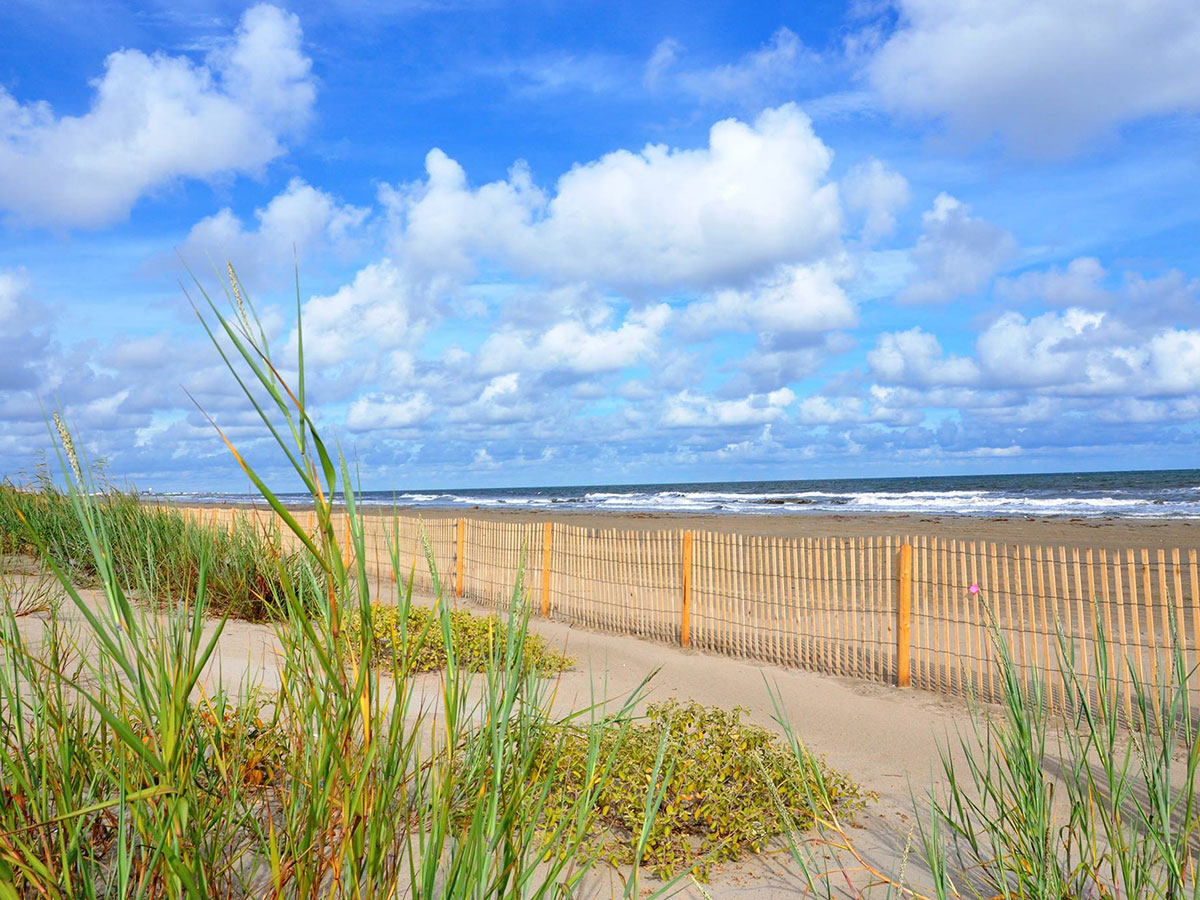
When visiting Louisiana’s beaches and coastal refuges, it’s important to be mindful of the environment. Stick to marked trails, avoid disturbing wildlife, and pack out everything you pack in. Supporting local businesses that prioritize sustainability helps to preserve these fragile ecosystems for future generations. The unique ecological character of these beaches is their greatest asset, and responsible tourism ensures that this character endures.
In conclusion, while Louisiana may not be the first place that comes to mind when thinking of beaches, its coastal regions offer a compelling and unforgettable travel experience. From the developed shores of Grand Isle to the wild expanses of the state’s wildlife refuges, there is a unique form of coastal beauty and abundant wildlife waiting to be discovered by those willing to look beyond the conventional. These are not just places to relax on the sand, but gateways to understanding the intricate relationship between land, water, and life in the Pelican State.
LifeOutOfTheBox is a participant in the Amazon Services LLC Associates Program, an affiliate advertising program designed to provide a means for sites to earn advertising fees by advertising and linking to Amazon.com. Amazon, the Amazon logo, AmazonSupply, and the AmazonSupply logo are trademarks of Amazon.com, Inc. or its affiliates. As an Amazon Associate we earn affiliate commissions from qualifying purchases.