
Understanding Louisiana’s Tornado Risk and Preparedness
The question of whether Louisiana experiences tornadoes is not just a matter of meteorological curiosity; for residents and potential visitors alike, it touches upon safety, preparedness, and a deeper understanding of the state’s dynamic climate. The answer is a resounding yes, Louisiana is indeed susceptible to tornadoes, and at times, these powerful storms can be quite severe. The state’s geographical location and its position within a region known for significant weather activity contribute to this vulnerability. Understanding the patterns, the risks, and the proactive measures that can be taken is paramount for anyone living in or planning a visit to the Pelican State.

The Geography and Climate of Tornado Alley
While the term “Tornado Alley” is most famously associated with the Plains states, its reach is not strictly defined and can extend into the Deep South, including Louisiana. The state’s proximity to the Gulf of Mexico plays a significant role. Warm, moist air from the Gulf frequently collides with cooler, drier air moving in from the north and west. This atmospheric instability, particularly during the spring and fall months, creates the perfect breeding ground for severe thunderstorms, which can, in turn, spawn tornadoes.
The topography of Louisiana, characterized by its extensive network of bayous, swamps, and relatively flat terrain, does not offer the same natural barriers that mountains might in other regions. This allows weather systems to move through with less impedance. The humid subtropical climate of the state further exacerbates conditions, providing ample moisture for storm development.
Tornado Seasons and Activity in Louisiana
Louisiana experiences two primary periods of increased tornado activity:
- Spring (March to May): This is generally the most active period for tornadoes in Louisiana. As the atmosphere warms and the clash of air masses becomes more pronounced, the risk of severe thunderstorms and their attendant tornadoes increases significantly. The months of April and May are often highlighted as peak times.
- Fall (November to December): While less active than the spring, the fall season can also bring a secondary surge of tornado activity. Cooler air masses begin to push southward, and if they encounter lingering warm, moist air from the Gulf, the conditions can be ripe for tornado formation.
It is important to note that tornadoes can occur outside of these peak seasons, and the intensity can vary greatly. From weaker, localized EF0 or EF1 tornadoes that cause minor damage to powerful EF3 or even EF4 storms capable of widespread devastation, Louisiana has experienced a range of tornado events throughout its history. Notable tornado outbreaks have impacted cities like Shreveport, Alexandria, and the greater New Orleans metropolitan area, leaving a significant mark on communities and emphasizing the importance of preparedness.
Preparedness and Safety Measures for Tornadoes in Louisiana
Given the reality of tornado threats, preparedness is not just a recommendation; it’s a necessity for anyone in Louisiana. Understanding official warnings, having a safety plan, and knowing where to seek shelter are crucial components of staying safe.
Understanding Tornado Watches and Warnings
The first line of defense against tornadoes is understanding the difference between a watch and a warning issued by the National Weather Service.
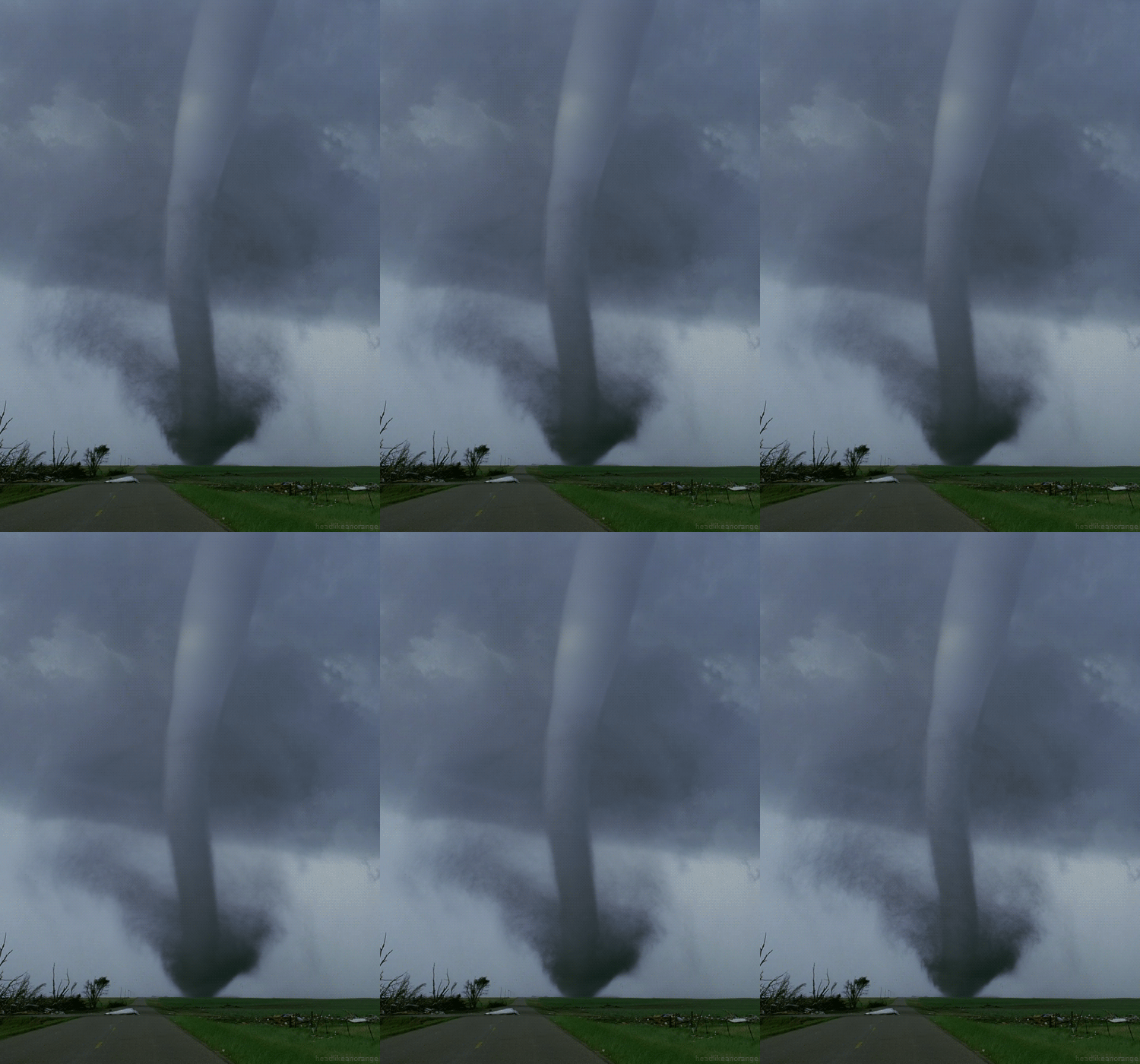
- Tornado Watch: A tornado watch means that conditions are favorable for tornadoes to develop in and near the watch area. This is the time to review your safety plan, ensure your emergency kit is stocked, and stay informed. During a watch, it’s advisable to monitor weather alerts closely and be prepared to act if a warning is issued.
- Tornado Warning: A tornado warning means that a tornado has been sighted or indicated by weather radar. Danger is imminent, and immediate action is required. When a tornado warning is issued for your area, you should seek shelter immediately.
Developing a Family Emergency Plan
A well-thought-out family emergency plan can make a significant difference during a tornado event. This plan should include:
- Designated Shelter Location: Identify the safest place in your home. This is typically a basement, storm cellar, or an interior room on the lowest floor, away from windows. Mobile homes and vehicles are not safe during a tornado.
- Communication Strategy: Establish how family members will contact each other if separated. Cell service can be disrupted, so having alternative methods is wise.
- Emergency Kit: Prepare a kit with essential supplies that can last for at least 72 hours. This should include non-perishable food, water, a first-aid kit, flashlights with extra batteries, a battery-powered or hand-crank radio, medications, sanitation items, important documents, and cash.
- Practice Drills: Regularly practice your tornado safety plan, especially with children, to ensure everyone knows what to do when a warning is issued.
Where to Seek Shelter
The type of shelter needed depends on your location:
- In a House or Other Building: The safest place is a basement or storm cellar. If neither is available, go to an interior room on the lowest floor (such as a closet or bathroom) and stay away from windows. In Louisiana, many homes may not have basements due to the water table. In such cases, interior rooms or designated community shelters are the best options. Many public buildings, including schools and government facilities, have reinforced shelters designed to withstand severe weather.
- In a Mobile Home or Vehicle: These are extremely dangerous during a tornado. You must evacuate immediately and seek sturdy shelter in a building or a designated storm shelter. If no substantial shelter is available, lying flat in a ditch or other low-lying area and covering your head with your arms is a last resort, but it offers very little protection compared to a sturdy structure.
- In a Public Place: Follow the directions of facility staff who will guide you to designated safe areas. These are often interior hallways or reinforced rooms.
Experiencing Louisiana Beyond the Storms
While understanding tornado risks is vital, it is crucial not to let this aspect overshadow the immense beauty, rich culture, and vibrant attractions that Louisiana has to offer. The state’s unique heritage, its captivating landscapes, and its world-renowned culinary scene draw millions of visitors each year.
The Allure of Louisiana’s Landscape and Cities
From the historic charm of New Orleans with its iconic French Quarter and lively music scene to the plantation homes dotting the Great River Road, Louisiana presents a diverse array of experiences. The sprawling wetlands and bayous offer unique ecotourism opportunities, where visitors can explore by airboat or kayak, spotting alligators, diverse bird species, and the resilient flora that defines the region. Cities like Baton Rouge, with its stately capitol building, and the artistic hub of Lafayette in the heart of Cajun Country, provide distinct cultural immersions.
Culinary Delights and Cultural Immersion
Louisiana is a gastronomic paradise, celebrated for its fusion of French, Spanish, African, and American Indian influences. Dishes like gumbo, jambalaya, crawfish étouffée, and beignets are not just meals; they are an integral part of the state’s identity and history. Exploring the local food scene, from fine dining establishments in New Orleans to roadside seafood shacks and lively Cajun dance halls, is an essential part of the visitor experience. The state’s vibrant music heritage, with genres like jazz, blues, and Cajun music, provides a soundtrack to its lively culture, evident in festivals and everyday life.

Planning Your Visit with Awareness
When planning a trip to Louisiana, it is wise to be aware of the potential for severe weather, particularly during the spring and fall. Most reputable tourism websites and visitor bureaus provide up-to-date information on weather patterns and safety tips. Choosing accommodation in areas known for strong construction and designated storm shelters can offer peace of mind. Furthermore, staying informed about local weather forecasts through reliable news sources or weather apps is always a prudent practice, whether you’re visiting a historic landmark like the Oak Alley Plantation or enjoying the natural beauty of the Atchafalaya Basin. By being informed and prepared, travelers can fully embrace the unique wonders of Louisiana while prioritizing their safety.
LifeOutOfTheBox is a participant in the Amazon Services LLC Associates Program, an affiliate advertising program designed to provide a means for sites to earn advertising fees by advertising and linking to Amazon.com. Amazon, the Amazon logo, AmazonSupply, and the AmazonSupply logo are trademarks of Amazon.com, Inc. or its affiliates. As an Amazon Associate we earn affiliate commissions from qualifying purchases.