
Louisiana, a state steeped in a unique blend of Southern charm and untamed wilderness, conjures images of misty bayous, vibrant jazz music, and, of course, formidable reptiles. For many visitors and even some residents, a common question arises when contemplating the state’s diverse ecosystems: are there crocodiles or alligators roaming the wetlands? The definitive answer, for the most part, is alligators, but understanding the nuances of this wildlife population offers a fascinating glimpse into Louisiana’s natural heritage and the opportunities it presents for immersive travel experiences.
The Reign of the American Alligator
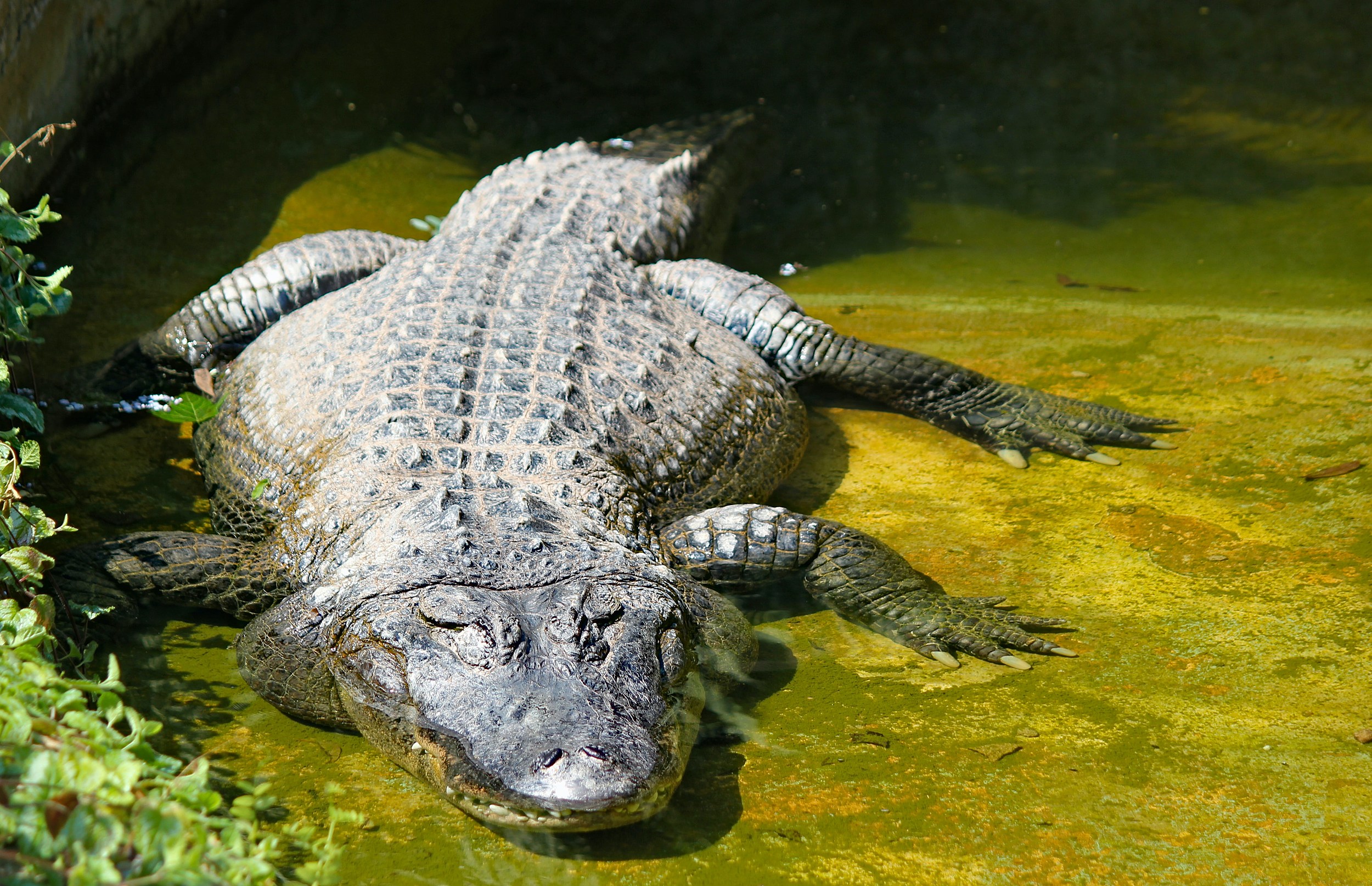
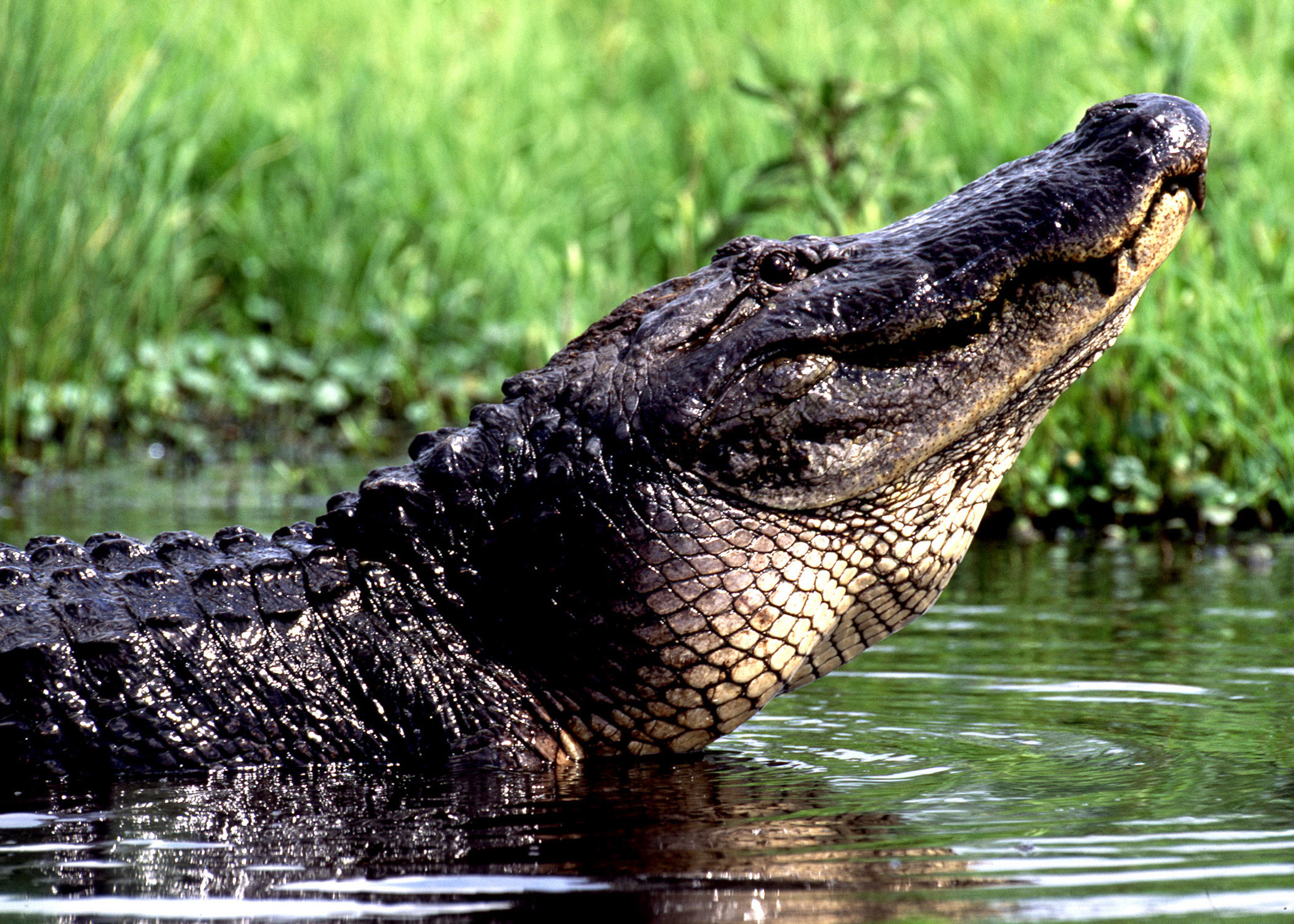
Louisiana is a veritable paradise for the American alligator (Alligator mississippiensis). These magnificent, ancient creatures are an integral part of the state’s ecological fabric, thriving in its extensive network of freshwater swamps, marshes, and rivers. The sheer abundance of suitable habitat, coupled with successful conservation efforts, has led to a robust alligator population that can be observed and appreciated by those venturing into its natural domains.
Where to Find Alligators
The most iconic locations for encountering alligators are the vast expanses of wetlands that characterize southern Louisiana. These areas provide the perfect environment for these reptiles, offering ample food sources and protected breeding grounds.
-
The Atchafalaya Basin: As the largest swamp in the United States, the Atchafalaya Basin is a prime alligator habitat. This immense wetland is a labyrinth of bayous, cypress swamps, and navigable waterways, teeming with wildlife. Exploring the basin by boat, whether a guided tour or a personal kayak, offers unparalleled opportunities to spot alligators basking on logs, cruising through the water, or nesting along the banks. The sheer scale of this natural wonder makes it a must-visit for any nature enthusiast.
-
Jean Lafitte National Historical Park and Preserve: This protected area, encompassing several units across southern Louisiana, offers accessible ways to experience the state’s swamp ecosystems. The Barataria Preserve unit, near New Orleans, features boardwalks and trails that wind through cypress-tupelo swamps, providing safe viewing platforms for alligator sightings. Guided canoe tours are also available, allowing for a more intimate exploration of the bayous and their inhabitants.
-
Private Alligator Farms and Educational Centers: For a guaranteed and educational experience, several private alligator farms and wildlife centers operate across Louisiana. These facilities often offer guided tours that delve into the life cycle, behavior, and conservation of alligators. They provide a chance to see these animals up close in a controlled environment, learn about their importance to the ecosystem, and often witness feeding demonstrations.
Alligator Safety and Responsible Viewing
While encountering alligators is a highlight of visiting Louisiana, it is crucial to do so responsibly and safely. Alligators are wild animals, and respecting their space is paramount.
-
Maintain a Safe Distance: Never approach an alligator, feed it, or attempt to touch it. The general rule of thumb is to keep at least 30 feet of distance, and ideally more. They can move surprisingly quickly over short distances, and an agitated alligator can be dangerous.
-
Heed Warning Signs: Always pay attention to posted signs in parks and wildlife areas. These signs are there to inform visitors about potential hazards and advise on safe practices.
-
Supervise Children and Pets: Keep children and pets under close supervision at all times when near waterways. Pets, in particular, can be mistaken for prey by an alligator.
-
Avoid Nighttime Encounters: While alligators are active at night, it is best to avoid viewing them after dark for safety reasons. Their eyes reflect light, which can be an indicator of their presence, but this is not a reliable method for safe observation.
The Crocodilian Question: Are There Crocodiles?
The question of crocodiles in Louisiana is more nuanced. While the American alligator is the dominant and overwhelmingly prevalent species, there is a distant relative that historically inhabited the coastal areas of the United States: the American crocodile (Crocodylus acutus).
Historical Presence and Current Status
Historically, the American crocodile’s range extended into the southernmost tip of Florida and, to a very limited extent, the saltwater marshes of southwestern Louisiana. However, these sightings in Louisiana were rare and often attributed to vagrant individuals rather than a established breeding population.
Unlike their close relatives, American crocodiles have a higher tolerance for saltwater and are typically found in brackish or saltwater environments, such as mangrove swamps and coastal lagoons. Alligators, on the other hand, primarily favor freshwater habitats.
Why Crocodiles Are Scarce in Louisiana
Several factors contribute to the near absence of crocodiles in Louisiana today:
- Habitat Preference: Louisiana’s vast wetlands are predominantly freshwater, which is not the preferred habitat for American crocodiles. While some coastal marshes are brackish, they are not as extensive or suitable as those found in south Florida.
-
Climate: Crocodiles are more sensitive to cold temperatures than alligators. Louisiana experiences colder winters than the southernmost parts of Florida, which can be a limiting factor for crocodile survival and reproduction.
-
Competition: The American alligator is a highly successful and dominant species in Louisiana’s ecosystems. It is possible that competition for resources and territory with the more numerous alligators has further suppressed any potential crocodile presence.
While dedicated herpetologists might occasionally document a rare sighting, it is highly improbable for the average traveler to encounter a crocodile in Louisiana. The state’s iconic crocodilian is, without question, the alligator.
Beyond Sightings: Experiencing Louisiana’s Reptilian Wildlife
Louisiana offers a wealth of travel experiences centered around its fascinating wildlife, particularly its alligators. These opportunities go beyond simple observation and delve into education, conservation, and the unique culture that has developed around these creatures.
Bayou Tours and Swamp Excursions
The most popular way to experience Louisiana’s alligator population is through a bayou tour. Many operators offer excursions ranging from small airboat rides that skim across the water’s surface, providing thrilling rides and quick sightings, to tranquil canoe or kayak trips that allow for quiet observation and a deeper immersion into the swamp environment.
-
Airboat Tours: These high-speed tours are an exhilarating way to cover a lot of ground and often get close to wildlife. The distinctive roar of the airboat is a quintessential part of the Louisiana swamp experience. Many tours depart from towns like Houma and Lafitte.
-
Kayak and Canoe Tours: For a more peaceful and intimate encounter, paddling through the bayous offers a chance to observe alligators and other swamp dwellers at their own pace. Many guided tours are available, led by knowledgeable naturalists who can point out wildlife and share insights into the ecosystem.
-
Houseboat Rentals: For an extended immersion, consider renting a houseboat and navigating the waterways of the Atchafalaya Basin or other navigable bayous. This allows for a truly unique experience, waking up surrounded by the sounds of the swamp and having prime viewing opportunities right from your deck.
Educational Encounters and Conservation Efforts
Several organizations and facilities in Louisiana are dedicated to the study and conservation of alligators. Visiting these sites provides a deeper understanding of these animals and the importance of preserving their habitats.
-
Louisiana Department of Wildlife and Fisheries: This state agency plays a crucial role in managing alligator populations and their habitats. They often provide educational resources and information on responsible wildlife viewing.
-
Alligator Education Centers: Facilities like the Gator Swamp Tours in Slidell or the Audubon Aquarium of the Americas in New Orleans offer exhibits and programs that educate the public about alligators and other Louisiana wildlife.
-
Swamp Festivals and Events: Throughout the year, Louisiana celebrates its unique culture and natural heritage with various festivals, many of which feature educational components about alligators and swamp life.
The Alligator’s Cultural Significance
The American alligator is more than just a tourist attraction in Louisiana; it is a symbol deeply woven into the state’s cultural tapestry. From folklore and traditional cuisine to its role in conservation and economic activities, the alligator holds a significant place in the hearts and lives of Louisianans.
Culinary Traditions
Alligator meat is a delicacy in Louisiana, often prepared in dishes like fried alligator bites, alligator sausage, or in stews and gumbos. This culinary tradition reflects the historical reliance of Louisianans on the natural resources available in their environment. Many restaurants across the state offer alligator on their menus, providing visitors with an opportunity to sample this unique local flavor.
Folklore and Legends
The mysterious and powerful nature of the alligator has inspired countless stories, myths, and legends throughout Louisiana’s history. These tales often speak of the respect and caution with which the reptiles are regarded by local communities. The imagery of the alligator is frequently found in art, music, and literature inspired by the state.
Conservation Success Story
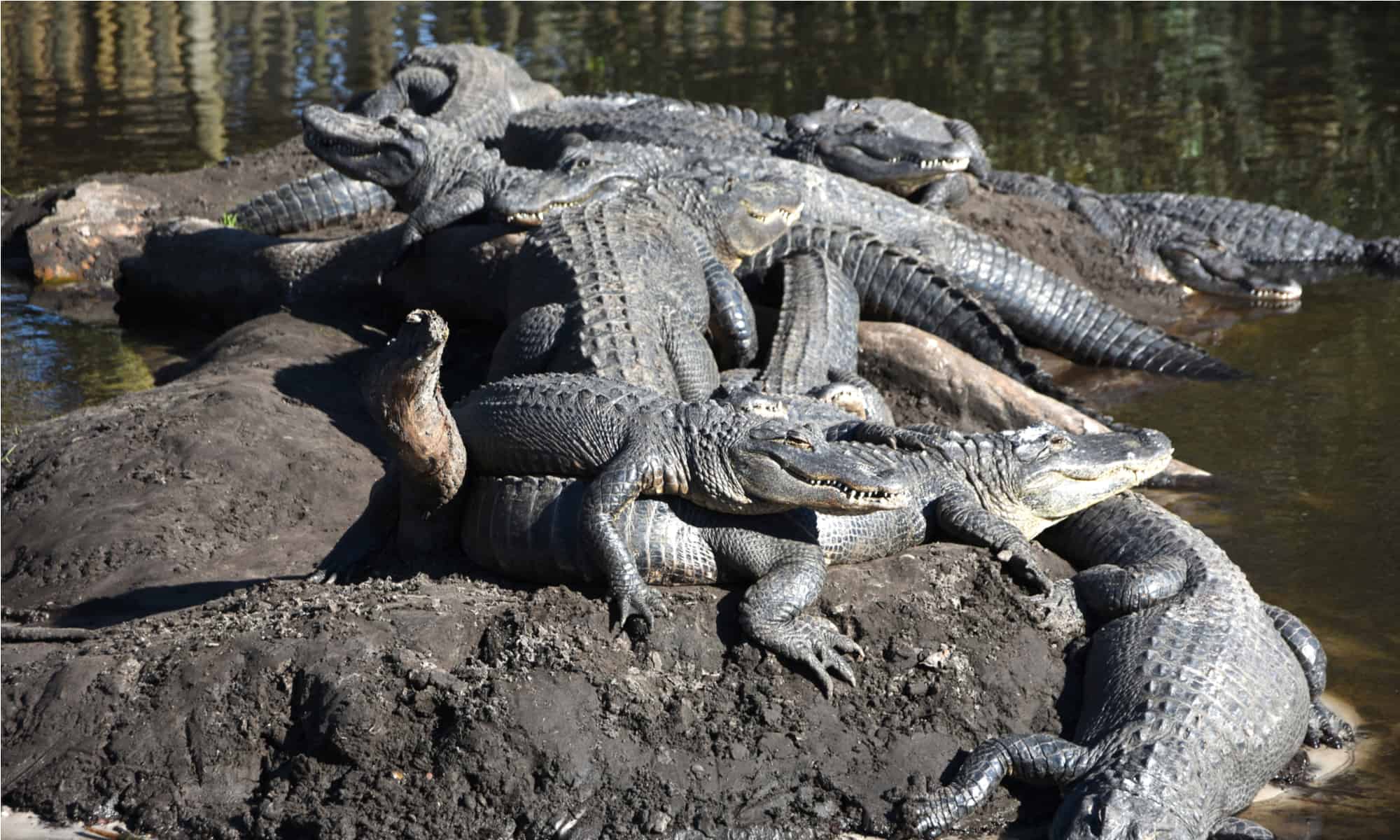
The American alligator is often cited as a remarkable conservation success story. Once endangered due to overhunting and habitat loss, rigorous protection measures and sustainable management practices have allowed populations to rebound significantly. This resurgence is a testament to the effectiveness of conservation efforts and ensures that future generations can continue to marvel at these impressive creatures in their natural habitat.
In conclusion, while the question of crocodiles in Louisiana yields a largely negative answer, the state’s abundance of American alligators offers an unparalleled opportunity for travelers to connect with nature. From the vast, untamed beauty of the Atchafalaya Basin to the more accessible wildlife preserves, Louisiana invites visitors to explore its unique bayou landscapes and witness the awe-inspiring presence of its most famous reptilian resident. Whether by airboat, kayak, or simply from a safe viewing platform, an encounter with a Louisiana alligator is an unforgettable travel experience, steeped in natural wonder and cultural significance.
LifeOutOfTheBox is a participant in the Amazon Services LLC Associates Program, an affiliate advertising program designed to provide a means for sites to earn advertising fees by advertising and linking to Amazon.com. Amazon, the Amazon logo, AmazonSupply, and the AmazonSupply logo are trademarks of Amazon.com, Inc. or its affiliates. As an Amazon Associate we earn affiliate commissions from qualifying purchases.