
When considering a trip from the sprawling metropolis of Houston to the vibrant and culturally rich state of Louisiana, understanding the distances and travel times is paramount to crafting an enjoyable itinerary. Whether your objective is a leisurely exploration of Louisiana’s unique charm or a quick excursion for business or pleasure, the proximity between these two significant Southern hubs offers a variety of travel options. This guide will delve into the various routes and considerations for traversing the miles, ensuring your journey is as smooth and efficient as possible.
Navigating the Distance: Houston to Key Louisiana Destinations
The vastness of Louisiana means that “how far” depends significantly on your specific destination within the state. From the bustling cityscape of Houston, the nearest major population centers in Louisiana are within a few hours’ drive, making day trips or weekend getaways entirely feasible.

To the Bayou State’s Capital: Houston to Baton Rouge
The most direct and common route from Houston to Louisiana often leads to its capital city, Baton Rouge. Situated approximately 250-260 miles east of Houston, the drive typically takes around 3.5 to 4 hours, depending on traffic conditions and adherence to speed limits. The primary artery for this journey is Interstate 10 (I-10) East. This interstate offers a relatively straightforward and well-maintained path, passing through the southeastern Texan landscape before entering Louisiana near Lake Charles.
The I-10 Corridor: A Straightforward Drive
The I-10 route is favored for its directness and the availability of services along the way. As you leave Houston, you’ll generally head east, encountering cities like Beaumont and Port Arthur in Texas. Upon crossing the Sabine River into Louisiana, the landscape begins to subtly shift, hinting at the unique charm of the Bayou State.
- Travel Time: Expect approximately 3.5 to 4 hours without significant stops or traffic delays.
- Distance: Around 250-260 miles.
- Road Conditions: Generally excellent, with multiple lanes for most of the journey.
- Points of Interest: While primarily a transit route, occasional exits offer opportunities to experience small-town Texas and Louisiana life, or to stop for refreshments.
Alternative Routes to Baton Rouge
While I-10 is the most common, depending on your starting point in Houston and desired experience, slight variations might be considered, though they often add time. For instance, routes utilizing US highways such as US-90 could offer a more scenic, albeit slower, experience. However, for efficiency, I-10 remains the undisputed champion.
To the Heart of Cajun Country: Houston to Lafayette
For those drawn to the rich culture and distinct flavors of Cajun Country, the city of Lafayette serves as a prime destination. Located further east from Baton Rouge, Lafayette is roughly 300-310 miles from Houston. The drive typically spans 4.5 to 5 hours, again contingent on traffic and stops. This journey also primarily utilizes I-10 East.
The Extended I-10 Journey
Continuing on I-10 beyond Baton Rouge will bring you directly to Lafayette. This route allows for a convenient exploration of both the capital and the heart of Cajun culture in a single trip, or as separate excursions. The scenery on this stretch becomes more quintessentially Louisiana, with wider skies and the characteristic flora.
- Travel Time: Approximately 4.5 to 5 hours without significant stops or traffic delays.
- Distance: Around 300-310 miles.
- Road Conditions: Consistent with the I-10 corridor – excellent for driving.
- Attractions Along the Way: Consider a stop in Baton Rouge to visit the Old Louisiana State Capitol or the LSU Rural Life Museum, or break for authentic Cajun cuisine in a town like Breaux Bridge.
To the Enchanting Crescent City: Houston to New Orleans
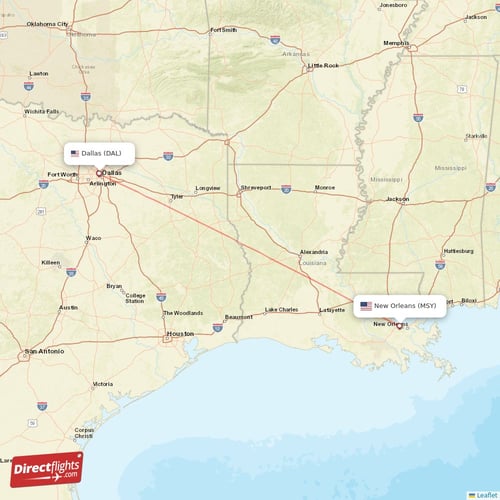
Perhaps the most iconic destination in Louisiana, New Orleans, is a more significant undertaking from Houston, but certainly within reach for a dedicated road trip. The distance is approximately 350-360 miles, and the driving time can range from 5 to 6 hours, depending heavily on traffic as you approach and navigate the city. The primary route remains I-10 East.
The Long Haul to the Big Easy
The journey to New Orleans on I-10 is a substantial drive that warrants an early start. The route traverses Baton Rouge and Lafayette, taking you through diverse Louisiana landscapes. As you near New Orleans, the terrain becomes more marshy, and you’ll cross impressive bridges, including the Lake Pontchartrain Causeway if choosing a slightly different approach, though the main I-10 route is direct.
- Travel Time: Expect 5 to 6 hours, with potential for delays entering New Orleans.
- Distance: Approximately 350-360 miles.
- Navigational Considerations: Traffic can be a significant factor, especially during peak hours or weekends. Plan accordingly.
- Recommended Stops: Consider a midpoint stop in Lafayette for lunch, or break the journey into two days by staying overnight in a city like Baton Rouge or Lafayette if you prefer a more relaxed pace.
Factors Influencing Travel Time
While the distances and estimated driving times provide a solid framework, several variables can impact your actual travel duration from Houston to Louisiana. Understanding these can help you plan more effectively and avoid unexpected delays.
Traffic Conditions
Houston is a major metropolitan area, and traffic can be notoriously heavy, particularly during morning and evening commutes. Likewise, New Orleans and Baton Rouge experience significant traffic congestion. It is highly advisable to check real-time traffic updates using navigation apps before departing and during your journey, especially when approaching urban centers.
Time of Day and Day of Week
Traveling during peak hours (weekdays, 7-9 AM and 4-6 PM) will invariably lead to longer travel times within and around Houston, and potentially as you enter your Louisiana destination. Weekend travel can also see increased volume, especially on Friday afternoons and Sunday evenings. Mid-day weekday travel often offers the smoothest transit.
Road Construction and Detours
As with any major highway system, construction projects are common on I-10 and other routes. These can cause lane closures, speed reductions, and significant delays. Keeping an eye on local traffic advisories or using navigation apps that incorporate real-time construction data can help mitigate these issues.
Weather
The Gulf Coast region is susceptible to various weather patterns, including heavy rain, thunderstorms, and fog, particularly during certain seasons. Adverse weather conditions can significantly slow down travel, reduce visibility, and make driving conditions hazardous. It’s prudent to check the weather forecast for both your departure and arrival locations, as well as for the entire route, before embarking on your journey.
Alternative Modes of Transportation
While driving is the most common and flexible way to travel between Houston and Louisiana, other options exist, each with its own set of advantages and disadvantages.
Air Travel
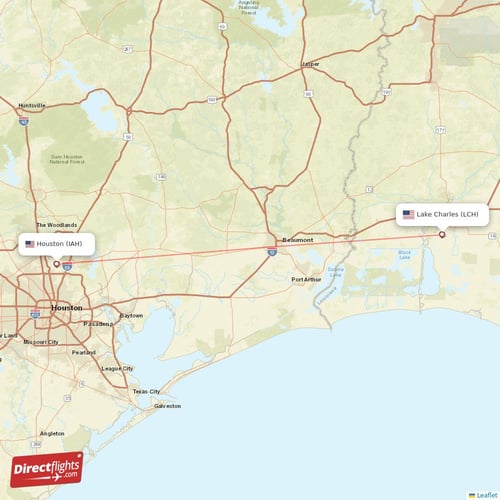
For those prioritizing speed and convenience, air travel is an option. George Bush Intercontinental Airport (IAH) and William P. Hobby Airport in Houston offer flights to Louisianas major airports, including Louis Armstrong New Orleans International Airport (MSY), Baton Rouge Metropolitan Airport (BTR), and Lafayette Regional Airport (LFT). Flight times are typically around 1 hour, but when factoring in travel to and from airports, security, and boarding, the total travel time can often rival or exceed driving for shorter distances to cities like Baton Rouge or Lafayette.
Bus Services
Intercity bus services, such as Greyhound, provide a more budget-friendly transportation option. Buses depart from Houston and travel to various cities across Louisiana. Travel times on buses are generally longer than driving due to multiple stops and route variations, but they offer a chance to relax and avoid the stress of navigating.
Train Travel
While Amtrak does not offer direct routes between Houston and many Louisiana cities, it is possible to piece together a journey, often involving transfers. For instance, one could travel from Houston to a hub like New Orleans via a connecting route, though this is typically a slower and less direct method compared to driving or flying.
In conclusion, the distance from Houston to Louisiana is a manageable one, offering convenient access to a state brimming with unique culture, history, and natural beauty. Whether you are planning a quick weekend getaway or an extended exploration, understanding the travel times and factors involved will ensure your journey is both enjoyable and efficient.
LifeOutOfTheBox is a participant in the Amazon Services LLC Associates Program, an affiliate advertising program designed to provide a means for sites to earn advertising fees by advertising and linking to Amazon.com. Amazon, the Amazon logo, AmazonSupply, and the AmazonSupply logo are trademarks of Amazon.com, Inc. or its affiliates. As an Amazon Associate we earn affiliate commissions from qualifying purchases.