
Planning a trip that seamlessly blends the vibrant energy of New Orleans with the unique charm of Acadiana often leads travelers to ask about the proximity between these two quintessential Louisiana hubs. Understanding the distance between Lafayette, Louisiana and its famous eastern neighbor is crucial for optimizing travel itineraries, whether you’re seeking a day trip adventure or a multi-day exploration of the state’s rich cultural tapestry. This guide delves into the geographical relationship between these cities, offering practical insights for any traveler looking to experience the best of both worlds.
The journey between Lafayette and New Orleans is more than just a matter of miles; it’s a passage through distinct yet interconnected cultural landscapes. Lafayette, often hailed as the heart of Acadiana, offers a distinct flavor of Cajun culture, renowned for its music, cuisine, and welcoming spirit. In contrast, New Orleans, a city steeped in history and diverse influences, buzzes with a unique blend of French, Spanish, African, and Caribbean heritage. Knowing the distance helps in planning how to best immerse yourself in each city’s unique offerings.

The Direct Route: Distance and Driving Time
The most common way to travel between Lafayette, Louisiana and New Orleans, Louisiana is by car. The direct driving distance is approximately 130 to 140 miles, depending on the specific starting and ending points within each city. This relatively short distance makes the journey accessible for a variety of travel plans.
Navigating the Highways
The primary route connecting Lafayette and New Orleans is via Interstate 10 East. This major interstate highway offers a straightforward and generally well-maintained path.
- I-10 East from Lafayette: Travelers departing from Lafayette will typically merge onto I-10 East. The highway will guide you directly towards New Orleans, passing through various towns and landscapes.
- Estimated Driving Time: Under normal traffic conditions, the drive from Lafayette to New Orleans takes approximately 2 to 2.5 hours. This estimation can fluctuate significantly based on factors such as time of day, day of the week, and any road construction or accidents. Driving during peak hours, particularly when entering or exiting New Orleans, can add considerable time.
- Key Cities Along the Route: As you travel east on I-10, you will pass by or near several notable locations. Some of these include Baton Rouge, the state capital, which is roughly midway between the two cities and a potential stopover point for those wishing to break up the journey. You will also pass through the vast bayou country, offering glimpses of the unique Louisiana swampland.
It’s always advisable to check real-time traffic conditions before and during your drive using GPS navigation apps to ensure the most efficient travel.
Exploring Beyond the Car: Alternative Travel Options
While driving is the most popular method, other transportation options exist for traveling between Lafayette, Louisiana and New Orleans, Louisiana, catering to different preferences and budgets.
Bus Services
Intercity bus services offer a budget-friendly alternative for those who prefer not to drive. Several companies operate routes connecting Lafayette and New Orleans.
- Providers: Companies like Greyhound often provide direct services, with pick-up and drop-off points conveniently located in both cities.
- Travel Duration: Bus journeys typically take longer than driving due to scheduled stops. Expect the travel time to be around 3 to 4 hours, depending on the specific route and number of stops.
- Advantages: This option is ideal for solo travelers or those looking to relax and avoid the stress of navigating. It also allows passengers to enjoy the scenery without focusing on the road.
Train Travel
While not as frequent as bus services, train travel offers a scenic and comfortable way to journey between the two cities.
- Amtrak: Amtrak operates routes that can connect Lafayette and New Orleans, though direct routes might require connections. Travelers should check the Amtrak schedule for the most current service offerings and routes.
- Experience: Train travel provides a unique perspective on the Louisiana landscape, allowing passengers to unwind and enjoy the journey. It’s a more leisurely option compared to driving or bus travel.
- Booking: It is recommended to book train tickets in advance, especially during peak travel seasons, to secure the best fares and availability.
Flights
Direct flights between Lafayette and New Orleans are not typically available due to the short distance. However, both cities have regional airports.
- Lafayette Regional Airport (LFT): Serves Lafayette with connections to various hubs.
- Louis Armstrong New Orleans International Airport (MSY): Serves New Orleans.
For most travelers, the time and cost associated with flying (including travel to/from airports, check-in, and flight time) would make driving or bus travel significantly more practical and economical for this specific route.
The Cultural Divide: What Lies Between Lafayette and New Orleans?
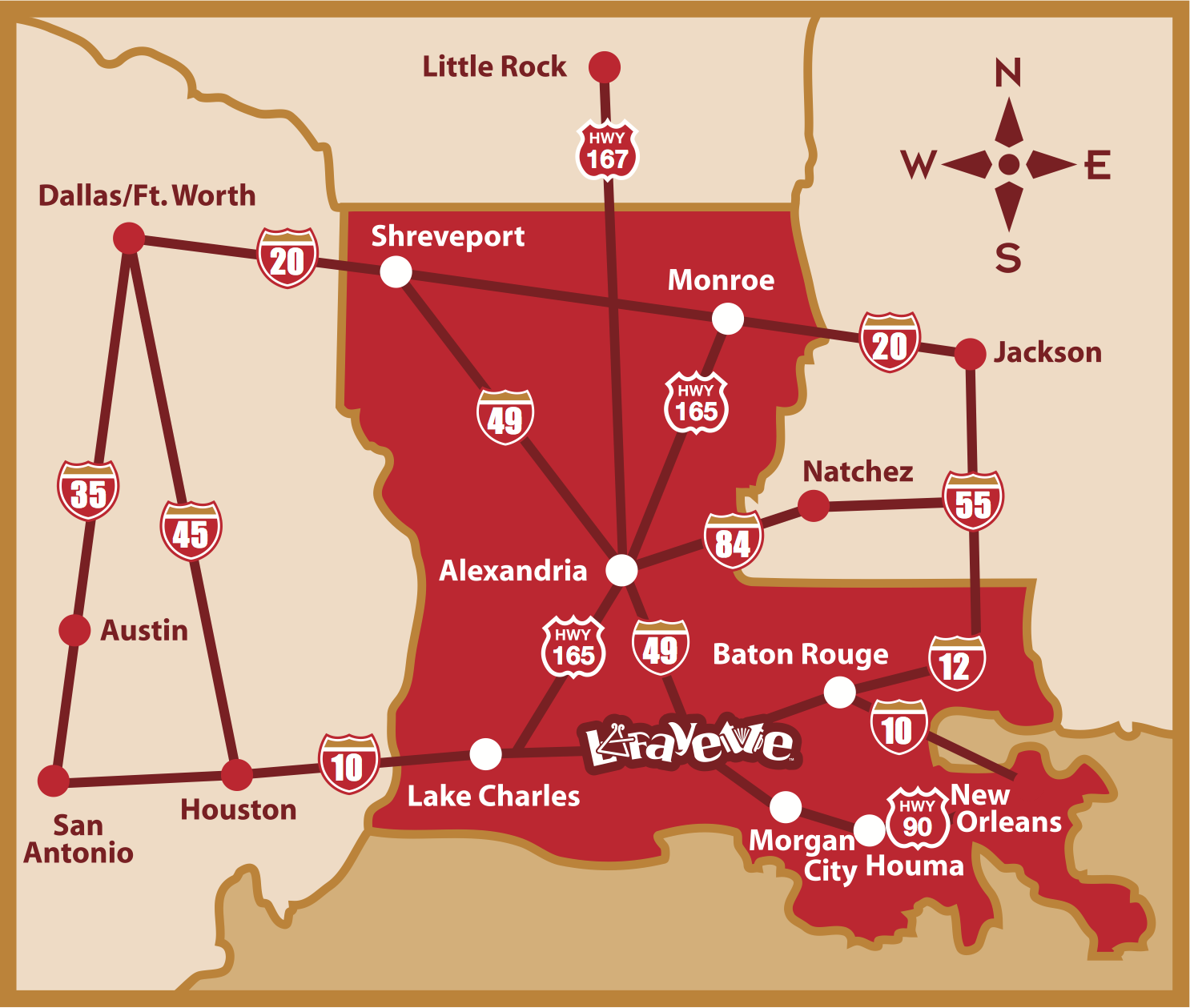
The journey between Lafayette, Louisiana and New Orleans, Louisiana is a fascinating transition through different facets of Louisiana’s rich cultural heritage. While geographically close, these cities and the regions between them offer distinct experiences.
Acadiana: The Heart of Cajun Country
Lafayette is the undisputed cultural capital of Acadiana, the area in South Louisiana settled by the exiled Acadians. This region is characterized by:
- Cajun Culture: A unique blend of French heritage, Spanish influences, and the realities of life in the bayou.
- Cuisine: Famous for its hearty and flavorful dishes like gumbo, jambalaya, crawfish étouffée, and boudin. Festivals celebrating these culinary traditions are common.
- Music: Cajun music is vibrant and infectious, featuring the accordion, fiddle, and triangle. Dance halls are central to the social fabric.
- Language: While English is widely spoken, many residents also speak Cajun French, a distinct dialect that reflects the region’s linguistic history.
The Bayou Landscape
Between Lafayette and New Orleans, the landscape transitions into the iconic Louisiana bayous. This region is known for its:
- Swamps and Marshes: Extensive wetlands teeming with unique flora and fauna.
- Wildlife: Alligators, various bird species, and other aquatic life are abundant.
- Unique Communities: Small towns and villages are often accessible by water, reflecting a traditional way of life tied to the natural environment.
- Activities: Swamp tours, fishing, and kayaking offer immersive experiences in this distinctive ecosystem.
New Orleans: The Crescent City’s Allure
As you approach New Orleans, the landscape begins to hint at the urban energy and historical grandeur that awaits. New Orleans is celebrated for:
- History and Architecture: Influenced by its French, Spanish, and Creole past, evident in the French Quarter and other historic districts.
- Music Scene: The birthplace of jazz and a hub for diverse musical genres, with live performances available every night.
- Festivals and Celebrations: Renowned for its elaborate Mardi Gras celebrations and numerous other festivals throughout the year.
- Culinary Diversity: A melting pot of flavors, from classic Creole dishes to modern culinary innovations.
Understanding the distance is not just about mileage; it’s about appreciating the cultural journey that connects the distinct yet complementary spirits of Lafayette and New Orleans.
Planning Your Journey: Tips for Travelers
When planning a trip that involves traveling between Lafayette, Louisiana and New Orleans, Louisiana, several practical considerations can enhance your experience.
Optimizing Your Itinerary
The relatively short distance of about 130-140 miles allows for flexible travel plans.
- Day Trips: A day trip from New Orleans to Lafayette (or vice versa) is feasible, though it would be a long day with limited exploration time. It’s more conducive for experiencing one key aspect, such as a Cajun dinner and music in Lafayette, or a specific New Orleans attraction.
- Overnight Stays: For a richer experience of both cities, an overnight stay (or more) in each is highly recommended. This allows ample time to delve into the local culture, explore attractions, and savor the distinct cuisines.
- Multi-City Itinerary: Many travelers choose to combine a visit to New Orleans with a stay in Lafayette to experience the full spectrum of Louisiana’s offerings, from the urban excitement of the city to the rural charm of Acadiana.
Road Trip Considerations
If you opt for driving, remember these tips:
- Vehicle Maintenance: Ensure your vehicle is in good condition for the drive.
- Fuel: While there are gas stations along I-10, it’s wise to fill up before leaving major cities.
- Rest Stops: Plan for brief stops to stretch your legs, especially if you have a longer drive ahead or are traveling with children.
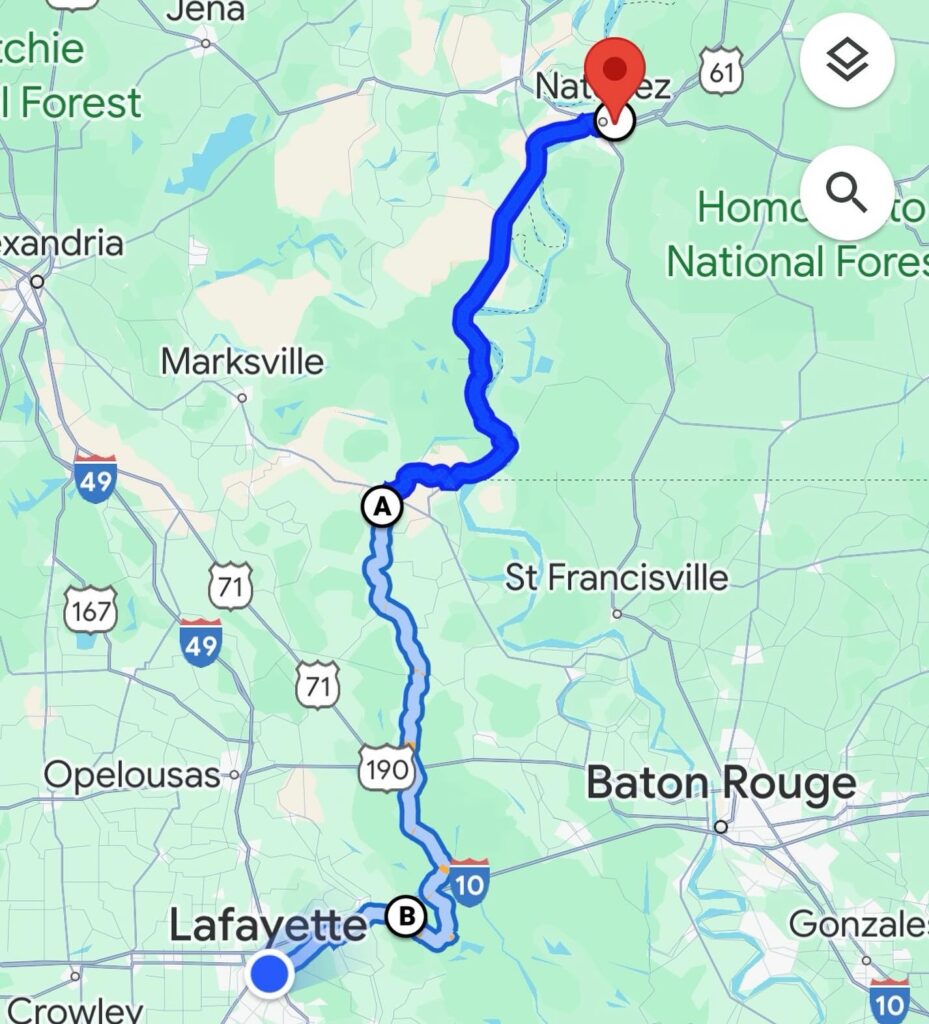
- Navigation: Utilize GPS or a reliable map app to navigate, particularly when entering and exiting New Orleans, which can have complex road systems.
Embracing Local Culture
To make the most of your travel between these two unique destinations:
- Learn a Few Phrases: While not essential, knowing a few basic French or Cajun French phrases can be appreciated in Acadiana.
- Engage with Locals: Louisianans are known for their hospitality. Strike up conversations, ask for recommendations, and immerse yourself in their stories.
- Attend Local Events: Check local calendars for festivals, live music performances, and cultural events happening in both Lafayette and New Orleans during your visit.
- Food Exploration: Make a point to try signature dishes in both cities. In Lafayette, seek out authentic Cajun cuisine. In New Orleans, explore Creole restaurants and unique local eateries.
By understanding the distance and factoring in these planning tips, travelers can craft a memorable and enriching journey through the heart of Louisiana, experiencing the distinct rhythms of both Lafayette and New Orleans.
LifeOutOfTheBox is a participant in the Amazon Services LLC Associates Program, an affiliate advertising program designed to provide a means for sites to earn advertising fees by advertising and linking to Amazon.com. Amazon, the Amazon logo, AmazonSupply, and the AmazonSupply logo are trademarks of Amazon.com, Inc. or its affiliates. As an Amazon Associate we earn affiliate commissions from qualifying purchases.