
The vast expanse of the United States is home to a diverse array of states, each with its own unique charm and appeal. Among these, Louisiana and Texas stand as adjacent neighbors, sharing a significant border and a rich tapestry of culture, history, and natural beauty. For travelers, understanding the geographical proximity between these two dynamic states is crucial for planning road trips, understanding logistical considerations, and appreciating the seamless transition of landscapes and experiences. The question of “how far” is not merely a measure of miles, but a gateway to exploring the intricate connections and distinct identities that define this compelling region.

Geographical Proximity and Borderlands
The physical distance between Louisiana and Texas is not a singular, fixed number. Instead, it is a spectrum determined by the specific starting and ending points within each state. These two states share a substantial border, primarily defined by the Sabine River for a significant portion. This shared boundary means that many cities and towns in western Louisiana are in close proximity to their eastern Texas counterparts, making cross-state travel a common and convenient undertaking.
Major Border Crossings and Travel Times
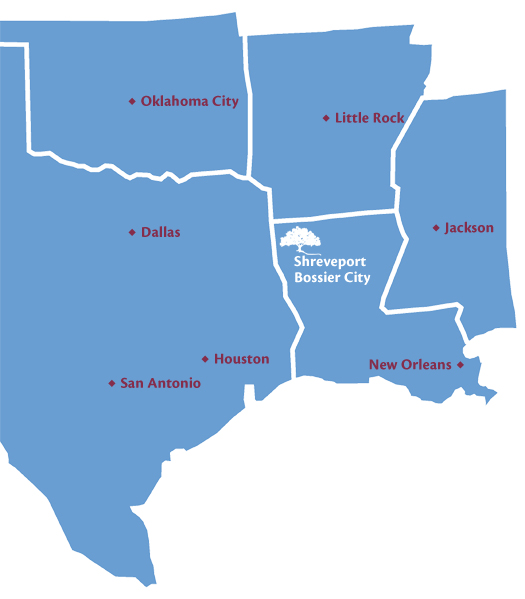
The most direct routes between Louisiana and Texas are facilitated by major interstate highways. For instance, the journey from Shreveport, Louisiana, to Dallas, Texas, a prominent inland route, typically covers around 180-200 miles and can take approximately 3 to 3.5 hours of driving, depending on traffic conditions and the specific route taken.
Conversely, if one considers the southern regions, the distance between Lake Charles, Louisiana, and Houston, Texas, is approximately 150-170 miles, with a driving time of around 2.5 to 3 hours. These are just illustrative examples; the vastness of Texas means that reaching the western or northern parts of the state from Louisiana can significantly increase travel distances and times. For example, driving from New Orleans, Louisiana, to the Panhandle city of Amarillo, Texas, is a journey of over 800 miles and can take upwards of 12-14 hours of continuous driving.
The Significance of the Border
The border region itself is a fascinating area where the cultures of Louisiana and Texas often intertwine. Communities along the Sabine River may exhibit a blend of Cajun and Texan influences, reflected in their cuisine, music, and dialect. Understanding this geographical nexus is key to appreciating the fluidity of regional identity in the American South.
Planning Your Journey: Routes and Considerations
When planning a trip that spans from Louisiana to Texas, or vice versa, several factors come into play beyond just the mileage. The choice of route can significantly impact the overall travel experience, offering different scenic vistas, points of interest, and logistical challenges.
Major Transportation Corridors
The primary arteries connecting these two states are well-established highways. Interstate 10 (I-10) is a crucial east-west route that traverses southern Louisiana and continues through southern Texas, connecting major cities like New Orleans, Baton Rouge, Houston, and San Antonio.
In the northern part of the states, Interstate 20 (I-20) serves as another vital link, connecting Shreveport in Louisiana to Dallas and beyond in Texas. These interstates are generally well-maintained and offer efficient travel, though they can experience heavy traffic, particularly around major metropolitan areas.
Alternative Scenic Routes
For travelers seeking a more leisurely pace and a deeper immersion into the regional landscape, alternative routes can be explored. U.S. Highways, such as U.S. 90 along the Gulf Coast or U.S. 79 and U.S. 84 in the northern regions, offer a more intimate glimpse into the small towns, natural beauty, and local culture. These routes may take longer but provide opportunities to discover charming roadside attractions, local eateries, and picturesque scenery that might be missed on the high-speed interstates.
Factors Influencing Travel Time
Several elements can influence the actual travel time between Louisiana and Texas:
- Traffic Congestion: Major cities like Houston, Dallas, Baton Rouge, and New Orleans are prone to significant traffic delays, especially during peak commuting hours.
- Road Conditions and Construction: While interstates are generally well-maintained, ongoing construction projects or temporary road closures can impact travel times. Checking local traffic reports before and during your journey is advisable.
- Weather: The Gulf Coast region is susceptible to severe weather, including hurricanes and heavy rainfall, which can cause significant travel disruptions. It’s wise to monitor weather forecasts, especially during hurricane season.
- Stops and Detours: The time taken for rest stops, meals, and spontaneous detours to explore local attractions will naturally extend the overall duration of the trip.
Exploring the States: From Bayou to Big Sky
The question of “how far” is intrinsically linked to the destinations one intends to visit within Louisiana and Texas. These states offer a vast array of experiences, from the unique cultural heritage of the Louisiana bayous to the expansive plains and vibrant cities of Texas.
Louisiana: A Symphony of Culture and Cuisine
Louisiana is a state defined by its rich history, vibrant music, and distinctive cuisine. Traveling from the eastern edge of the state to the western border with Texas means traversing through diverse landscapes and cultural enclaves. Starting in New Orleans, one can experience the unparalleled jazz heritage of the French Quarter, the historic beauty of the Garden District, and the culinary delights of Creole and Cajun cooking. As one moves westward towards Baton Rouge, the state capital, the influence of the Mississippi River becomes more pronounced. Further west, towns like Lafayette and Lake Charles offer authentic Cajun experiences, with lively music venues, traditional zydeco bands, and hearty, flavorful dishes. The proximity of these hubs to the Texas border makes it easy to transition between these distinct regional flavors.
Texas: The Lone Star State’s Diverse Offerings
Texas, the second-largest state in the United States by both area and population, presents an immense diversity of landscapes and experiences. From the piney woods of East Texas, bordering Louisiana, to the rolling hills of the Hill Country and the arid West Texas deserts, the state offers a remarkable range of environments.
- East Texas: This region, characterized by its dense forests and rolling hills, shares a strong cultural kinship with neighboring Louisiana. Cities like Shreveport (just across the border in Louisiana) and Tyler, Texas, offer a blend of Southern hospitality and Texan spirit.
- Central Texas: Home to the state capital, Austin, known for its live music scene and vibrant cultural life, as well as San Antonio, steeped in history with its iconic missions and the Alamo, this area is a major hub for tourism and entertainment.
- North Texas: Dominated by the Dallas-Fort Worth metroplex, this region is a powerhouse of commerce, culture, and sports. The distance from the Louisiana border to Dallas is manageable for a day trip or a short drive.
- South Texas: This area, including cities like Corpus Christi on the Gulf Coast and the border cities of Laredo and Brownsville, boasts a unique blend of Texan and Mexican cultures, distinct natural beauty, and proximity to the Gulf of Mexico.
- West Texas: Far from the border with Louisiana, West Texas is a region of vast open spaces, rugged landscapes, and unique geological formations. The Big Bend National Park is a prime example of the natural wonders found in this expansive territory.
Navigating the Interconnectedness
The proximity of Louisiana and Texas fosters a unique form of interconnectedness, influencing everything from economic ties to cultural exchanges. Understanding the distances involved is essential for anyone planning to traverse this dynamic region, whether for business, leisure, or an exploration of the American South.
Economic and Cultural Exchange
The border between Louisiana and Texas is more than just a geographical line; it’s a conduit for economic and cultural exchange. Businesses in both states often operate across state lines, and residents frequently travel for work, shopping, or recreation. This proximity has also led to a blending of culinary traditions, musical genres, and even local dialects in the border towns. The ease of travel allows for a continuous flow of people and ideas, contributing to the unique identity of the region.
Planning for Day Trips and Extended Stays
For those residing in one state and wishing to explore the other, the distances are often manageable for day trips or short excursions. For example, a resident of Houston, Texas, could easily take a day trip to visit the casinos and vibrant nightlife of Lake Charles, Louisiana. Similarly, someone in Baton Rouge, Louisiana, might consider a weekend getaway to explore the cultural offerings of Austin, Texas.
For extended stays or cross-state road trips, it is advisable to map out specific routes, factor in potential delays, and identify points of interest along the way. The vastness of Texas in particular means that reaching certain destinations may require significant travel time, potentially necessitating overnight stops. Utilizing mapping services and checking real-time traffic information is paramount for a smooth and efficient journey.

The Continuous Journey
Ultimately, the question of “how far is Louisiana to Texas?” is an invitation to explore a region of immense diversity and captivating contrasts. The geographical proximity is a starting point for understanding the intricate relationships between these two influential states, offering a rich canvas for travel, discovery, and cultural immersion. Whether one is drawn to the soulful melodies of the bayou or the sprawling landscapes of the Lone Star State, the journey between them promises an unforgettable experience.
LifeOutOfTheBox is a participant in the Amazon Services LLC Associates Program, an affiliate advertising program designed to provide a means for sites to earn advertising fees by advertising and linking to Amazon.com. Amazon, the Amazon logo, AmazonSupply, and the AmazonSupply logo are trademarks of Amazon.com, Inc. or its affiliates. As an Amazon Associate we earn affiliate commissions from qualifying purchases.