
Understanding the electoral landscape of a state is crucial for any visitor or resident seeking to engage with the political and cultural fabric of the United States. The number of electors a state possesses is directly tied to its representation in the Electoral College, a fundamental component of the presidential election process. For Louisiana, this number has a significant impact on national politics and, by extension, on the broader narrative of American governance that often shapes domestic and international perceptions of the nation. While the question of Louisiana’s electoral count might seem purely procedural, it delves into the heart of how power is distributed and how individual states contribute to the collective voice of the nation. This understanding is particularly relevant for travelers who wish to grasp the intricacies of the United States political system, a system that influences everything from federal policies affecting national parks to the economic drivers that shape regional tourism.
The Foundation of Electoral Representation
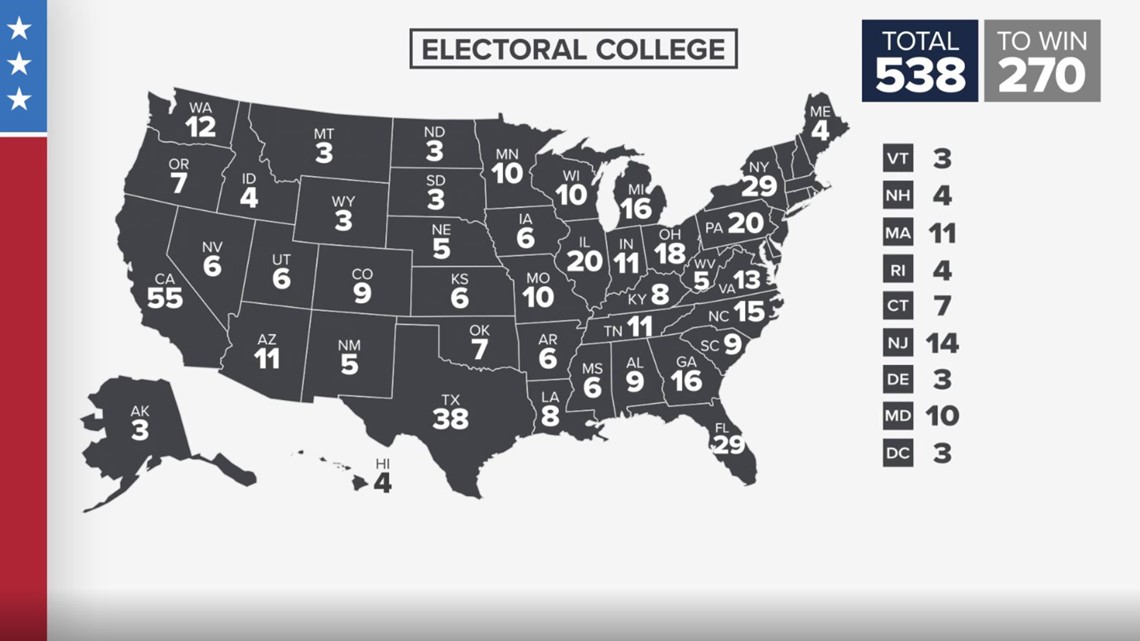
The number of electors each state is allocated is not arbitrary. It is determined by a formula enshrined in the U.S. Constitution. Specifically, each state receives a number of electors equal to the sum of its representation in Congress: its number of Representatives in the House of Representatives plus its two Senators. This formula ensures that states with larger populations, and thus more Representatives, have a greater proportional say in the Electoral College, while also guaranteeing a baseline level of representation for all states, regardless of population size, through the Senate component.
Congressional Representation: A State’s Voice
The number of Representatives a state has in the House is reapportioned every ten years following the decennial census. The census provides an official count of the population, which is then used to determine how many seats each state will occupy in the House. States that have grown significantly in population may gain Representatives, while those with declining populations might lose them. This dynamic apportionment process means that a state’s electoral count can, and does, change over time, reflecting shifts in demographics across the nation.
For Louisiana, its allocation of Representatives is directly influenced by its population relative to other states. Historically, Louisiana has maintained a consistent presence in the House, though the exact number has varied over its statehood. Each Representative is elected from a specific congressional district within the state.
The Senate, on the other hand, provides equal representation. Every state, regardless of its population size, is entitled to two Senators. These Senators are elected statewide. Therefore, the two Senators from Louisiana contribute two electors to the state’s total.
Louisiana’s Electoral College Count
As of the most recent reapportionment following the 2020 Census, Louisiana is allocated six Representatives in the House of Representatives. Coupled with its two Senators, this brings Louisiana to a total of eight electoral votes in the Electoral College. This number is crucial for presidential candidates seeking to win the election, as they must secure a majority of the total electoral votes nationwide (currently 270 out of 538).
Historical Trends and Population Shifts
Understanding Louisiana’s electoral count also necessitates a look at its historical trajectory. The state’s population has experienced periods of growth and stagnation, influenced by economic factors, natural disasters like Hurricane Katrina, and migration patterns. These demographic shifts directly impact the state’s representation in Congress and, consequently, its electoral vote count. For instance, after the 2000 Census, Louisiana had seven Representatives, resulting in nine electoral votes. Following the 2010 Census, its representation was reduced to six Representatives, leading to the current total of eight electoral votes. This fluctuation underscores the dynamic nature of political representation and the importance of census data in shaping a state’s influence in national elections.
The Impact on National Politics
The eight electoral votes held by Louisiana make it a significant player in presidential elections, particularly in close races. While not as populous as states like California or Texas, its eight votes can be decisive. Presidential campaigns often allocate resources and attention to states with competitive electoral landscapes, and Louisiana, with its distinct political leanings and demographic makeup, often falls into this category. Understanding the state’s electoral count provides insight into the strategic decisions made by candidates and their campaigns as they navigate the path to the presidency. This engagement with the electoral process also influences how federal policies are crafted and implemented, affecting various aspects of life for residents and visitors alike, from infrastructure projects in cities like New Orleans to agricultural policies impacting the Louisiana delta.
Beyond the Numbers: The Electoral Process in Louisiana
While the number of electors is a fixed figure between censuses, the process by which those electors are chosen and how they cast their votes is equally important. In Louisiana, as in most states, the electors are pledged to a particular presidential candidate. Typically, the slate of electors corresponding to the candidate who wins the popular vote in the state is the one that is officially recognized. This is known as the “winner-take-all” system, although Louisiana technically has a unique nuance in its methodology due to its congressional district structure, though its outcome generally mirrors a winner-take-all approach for the presidential race.
Winner-Take-All and its Implications
The winner-take-all system means that the candidate who receives the most popular votes in Louisiana receives all eight of the state’s electoral votes. This can lead to situations where a candidate wins the national popular vote but loses the election if they do not secure enough electoral votes. For Louisiana, this system incentivizes candidates to focus their efforts on winning the state’s popular vote, often tailoring their campaign messages and policy proposals to appeal to the specific concerns and interests of the state’s diverse population, from the bayous of southern Louisiana to the more urban centers.
The Role of Electors
The electors themselves are typically chosen by the political parties within the state. They are often party loyalists, former elected officials, or prominent party activists. On a designated date after the general election, these electors meet in their respective state capitals to formally cast their ballots for President and Vice President. For Louisiana, this meeting would take place in Baton Rouge, the state capital. While rare, there have been instances of “faithless electors” who vote against their state’s popular vote winner, though these instances have never altered the outcome of a presidential election.
Understanding the Electoral College and its Significance for Travelers
For visitors and residents interested in the political tapestry of the United States, understanding the Electoral College and, by extension, the number of electors each state holds, is fundamental. This knowledge offers a deeper appreciation for the nuances of American democracy, the balance of power between states, and the strategic considerations that shape national discourse and policy.
Engaging with Local Politics and Culture
When visiting Louisiana, whether to explore the vibrant music scene of New Orleans, delve into the rich history of the Plantation Country, or experience the unique Cajun and Creole cultures, an awareness of the state’s political standing adds another layer to the experience. The electoral process is intertwined with the state’s identity and its relationship with the federal government. Campaign rallies, political discussions in local establishments, and even the types of businesses and industries that thrive in Louisiana are often influenced by federal policies shaped by national elections.

Travel and Policy Connections
The decisions made by elected officials, influenced by the electoral outcomes, can have a tangible impact on travel experiences. For example, federal funding for infrastructure can affect road conditions and airport accessibility in destinations like Shreveport. Environmental policies, often debated during election cycles, can influence the preservation of natural attractions like the Atchafalaya Basin. Therefore, understanding the number of electoral votes a state possesses is not just about numbers; it’s about recognizing a state’s weight in the national conversation and how that weight translates into policies that shape the very places we visit and the experiences we have. As Louisiana continues to evolve, its electoral count remains a key indicator of its ongoing role in the grand narrative of the United States.
LifeOutOfTheBox is a participant in the Amazon Services LLC Associates Program, an affiliate advertising program designed to provide a means for sites to earn advertising fees by advertising and linking to Amazon.com. Amazon, the Amazon logo, AmazonSupply, and the AmazonSupply logo are trademarks of Amazon.com, Inc. or its affiliates. As an Amazon Associate we earn affiliate commissions from qualifying purchases.