
Navigating the legal landscape of divorce in any jurisdiction can be a complex and emotionally taxing experience. Louisiana, with its unique civil law heritage, presents a distinct set of procedures and requirements for dissolving a marriage. Understanding these nuances is crucial for a smoother process, whether you are seeking a divorce based on mutual agreement or due to irreconcilable differences. This guide aims to demystify the divorce process in the Pelican State, offering insights into the legal pathways, necessary steps, and considerations for residents.
Understanding Louisiana Divorce Grounds
Louisiana law recognizes several grounds for divorce, primarily categorized into fault-based and no-fault divorces. The evolution of divorce law has leaned towards more accessible no-fault options, simplifying the process for many couples.
No-Fault Divorce: The Irreconcilable Differences Route
The most common and often simplest path to divorce in Louisiana is through a “no-fault” divorce, specifically citing irreconcilable differences between the spouses. This means neither party needs to prove wrongdoing or blame the other for the marriage’s breakdown.
Separation as a Prerequisite
Under Louisiana law, a period of separation is typically required before a no-fault divorce can be finalized. The length of this separation period depends on whether the spouses lived together during the separation.
- One Year Separation: If the spouses have lived separate and apart continuously for one year before filing the divorce petition, this can serve as grounds for divorce. This is the standard period for most no-fault divorces.
- Six Months Separation with Specific Circumstances: In certain situations, the separation period can be reduced to six months. This applies if the spouses have entered into a valid Community Property Partition Agreement or if there has been a finding of Domestic Violence or abuse against the petitioner by the respondent spouse, and the petitioner has already filed a petition for separation or divorce based on this ground.
The Importance of Domicile
To file for divorce in Louisiana, at least one of the spouses must have been domiciled in the state for at least one year immediately preceding the filing of the petition. Domicile signifies a person’s permanent home, where they intend to return.
Fault-Based Divorce Grounds
While no-fault divorce is prevalent, Louisiana law still allows for fault-based divorces. These grounds require proof of specific misconduct by one of the spouses.
- Adultery: If one spouse has committed adultery, the innocent spouse can seek a divorce on this ground. Proof of adultery is necessary.
- Mental Cruelty: This ground involves behavior by one spouse that causes significant mental anguish or distress to the other, making the continuation of the marital relationship insupportable. This requires demonstrating a pattern of behavior, not just isolated incidents.
- Abandonment: Desertion or abandonment of the marital home by one spouse for a continuous period of one year can also serve as grounds for divorce.
- Felony Conviction and Imprisonment: If a spouse has been convicted of a felony and sentenced to imprisonment for at least one year, the other spouse can seek a divorce.
- Habitual Drunkenness or Drug Addiction: Persistent and excessive use of alcohol or drugs that harms the marital relationship can be grounds for divorce.
- Physical Cruelty: Acts of physical violence or abuse by one spouse against the other.
It is important to note that fault-based divorces can sometimes lead to more complex litigation and may impact decisions regarding spousal support or child custody, depending on the specific circumstances and state laws.
The Divorce Process in Louisiana: Step-by-Step
The procedural aspects of obtaining a divorce in Louisiana involve several key stages, from initiating the legal action to finalizing the decree.
Filing the Petition for Divorce
The divorce process officially begins when one spouse, known as the petitioner, files a “Petition for Divorce” with the appropriate court in the parish where either spouse resides. The petition outlines the grounds for divorce, requests specific relief (such as division of community property, child custody, and spousal support), and provides necessary information about the marriage and children.
Service of Process
Once the petition is filed, the other spouse, known as the respondent, must be formally notified of the lawsuit. This is accomplished through a legal process called “service of process.” Typically, a sheriff’s deputy or a private process server will hand-deliver a copy of the petition and a summons to the respondent. This ensures the respondent is aware of the legal action and has an opportunity to respond.
The Respondent’s Answer
After being served, the respondent has a specific period, usually 15 days in Louisiana, to file a formal “Answer” with the court. In the Answer, the respondent can agree with or dispute the claims made in the petition, or raise their own counterclaims. If the respondent fails to file an Answer within the allotted time, the petitioner may be able to proceed with a “default judgment.”
Temporary Orders (If Necessary)
During the pendency of a divorce, especially if there are disagreements regarding immediate issues, either party can request “Temporary Orders” from the court. These orders can address critical matters such as:
- Temporary Child Custody and Visitation: Establishing who has physical and legal custody of the children and outlining a visitation schedule.
- Temporary Child Support: Determining the amount of financial support to be paid for the children.
- Temporary Spousal Support: Deciding if one spouse will provide financial support to the other during the divorce proceedings.
- Use of Community Property: Specifying who will have the use of the marital home or vehicles.
- Restraining Orders: Preventing actions like selling community property or harassing the other spouse.
Discovery and Negotiation
In cases where issues are contested, the parties may engage in “discovery,” a formal process of exchanging information and evidence relevant to the divorce. This can include interrogatories (written questions), requests for production of documents, and depositions ( sworn testimony taken outside of court).
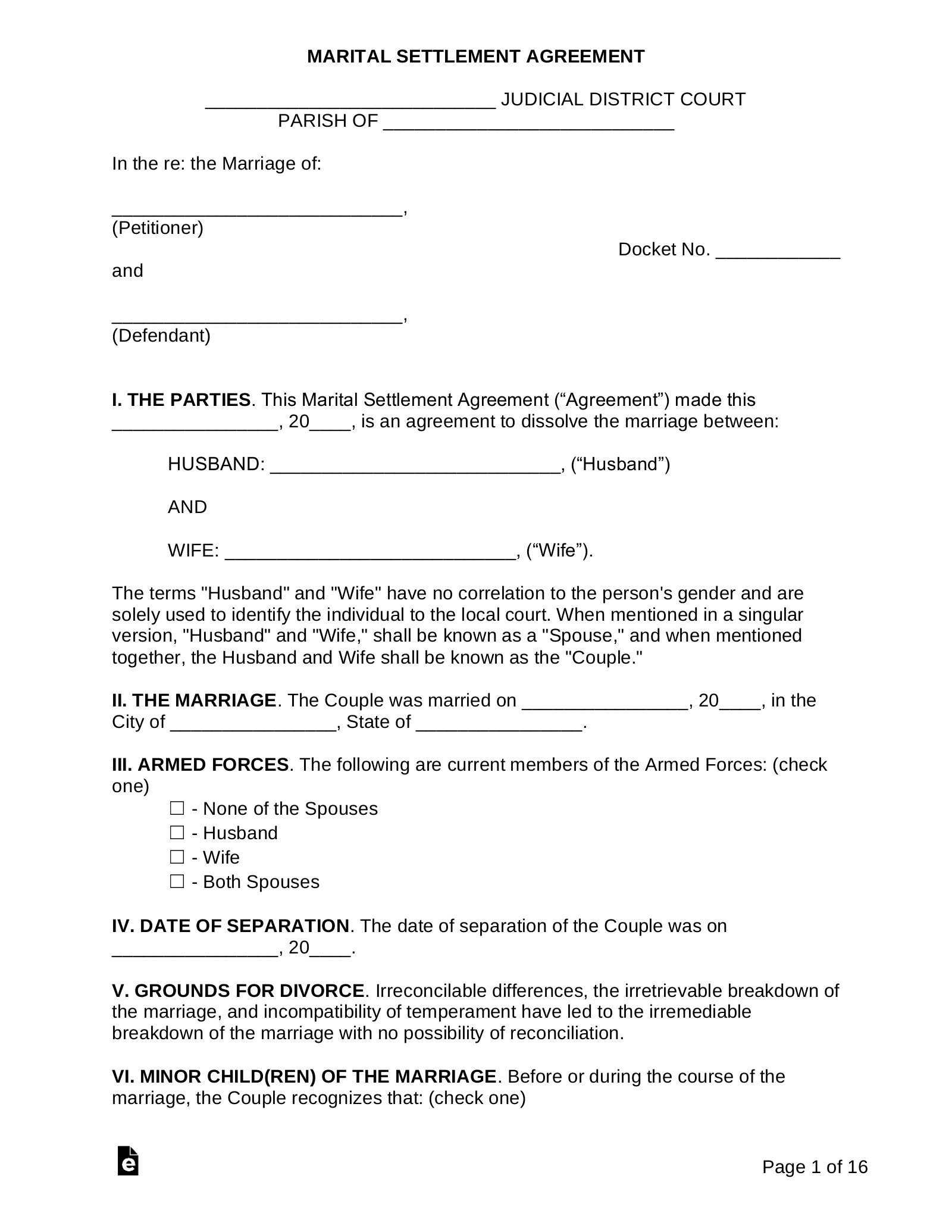
Following discovery, parties and their attorneys often attempt to negotiate a settlement agreement. This agreement, often called a “Stipulated Judgment” or “Community Property Settlement Agreement,” addresses all aspects of the divorce, including property division, child custody, child support, and spousal support. Reaching an agreement outside of court can save time, money, and emotional distress.
Court Hearings and Trial
If a settlement cannot be reached, the case will proceed to court. This may involve several hearings to resolve specific issues or a full trial where a judge will hear evidence from both sides and make final decisions on all aspects of the divorce.
Finalizing the Divorce Decree
Once all issues are resolved, either through settlement or a court judgment, the judge will sign a “Divorce Decree” (also known as a Judgment of Divorce). This legal document formally terminates the marriage. The decree will outline the terms of the divorce, including the division of assets and debts, child custody arrangements, and any spousal support obligations.
Key Considerations in Louisiana Divorce
Beyond the procedural steps, several critical factors require careful consideration during a Louisiana divorce.
Division of Community Property
Louisiana is a community property state. This means that any assets or debts acquired by either spouse during the marriage are generally considered jointly owned and are subject to equal division upon divorce. This includes real estate, bank accounts, investments, vehicles, and retirement funds. Separate property, which includes assets owned before the marriage or received as a gift or inheritance during the marriage, is typically not subject to division. A clear understanding of what constitutes community property and separate property is essential.
Child Custody and Support
When minor children are involved, determining child custody and child support is paramount. Louisiana courts prioritize the best interests of the child when making custody decisions. This can involve awarding sole legal and physical custody to one parent, or implementing joint legal and/or joint physical custody arrangements. Child support is calculated based on statutory guidelines, considering the income of both parents and the amount of time each parent spends with the children.
Spousal Support (Alimony)
Spousal support, often referred to as alimony, is financial assistance paid by one spouse to the other after divorce. In Louisiana, spousal support is not automatic and is awarded based on need and ability to pay, as well as factors such as the length of the marriage, the standard of living during the marriage, and the earning capacity of each spouse. There are two types: interim spousal support (paid during divorce proceedings) and final periodic spousal support (paid after the divorce is finalized).
The Role of Legal Counsel
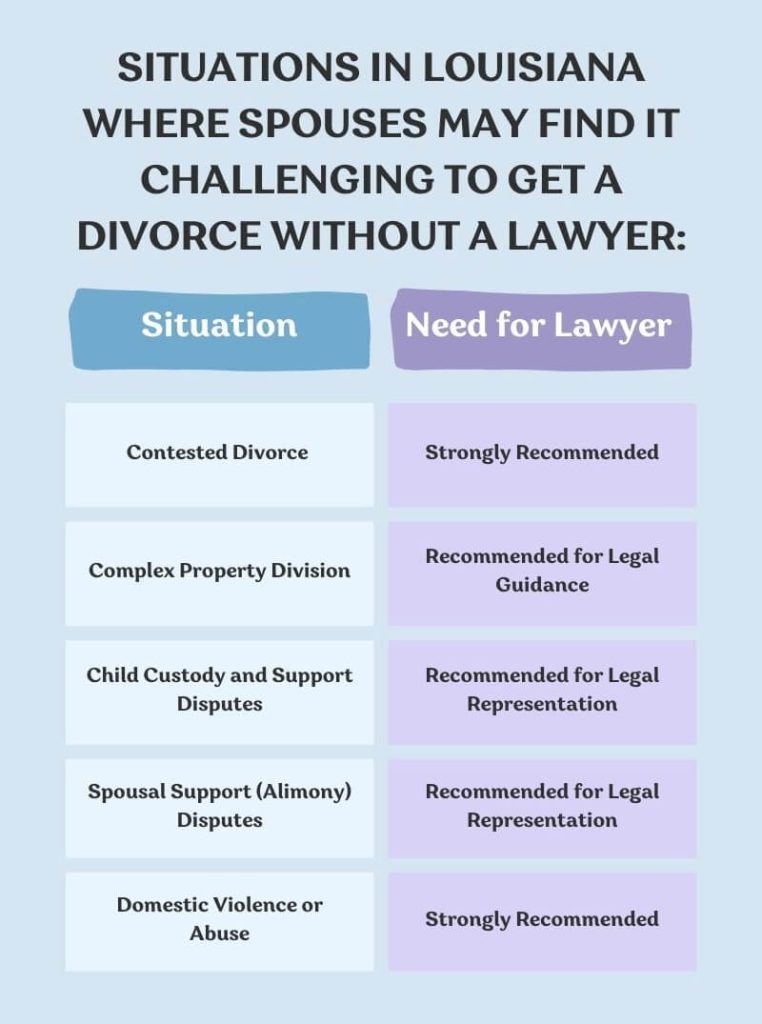
Given the complexities of Louisiana divorce law, seeking legal advice from a qualified family law attorney is highly recommended. An attorney can explain your rights and obligations, guide you through the legal process, help negotiate settlements, and represent your interests in court. They can ensure that all legal requirements are met and that your divorce decree accurately reflects your agreements or the court’s decisions.
Navigating divorce in Louisiana requires a thorough understanding of its legal framework. By familiarizing yourself with the grounds for divorce, the procedural steps, and key considerations like community property division, child custody, and spousal support, you can approach this life transition with greater clarity and confidence.
LifeOutOfTheBox is a participant in the Amazon Services LLC Associates Program, an affiliate advertising program designed to provide a means for sites to earn advertising fees by advertising and linking to Amazon.com. Amazon, the Amazon logo, AmazonSupply, and the AmazonSupply logo are trademarks of Amazon.com, Inc. or its affiliates. As an Amazon Associate we earn affiliate commissions from qualifying purchases.