
Navigating the process of obtaining a driver’s license in Louisiana is a significant step for many residents and newcomers. Whether you are a teenager embarking on your driving journey, a seasoned driver relocating from another state, or an individual new to the country seeking mobility, understanding the specific requirements and procedures set forth by the Louisiana Office of Motor Vehicles (OMV) is crucial. This guide aims to demystify the process, offering a clear and comprehensive roadmap to help you successfully acquire your Louisiana driver’s license, ensuring you can confidently and legally operate a vehicle on the state’s roads, from the vibrant streets of New Orleans to the charming bayous of the south.
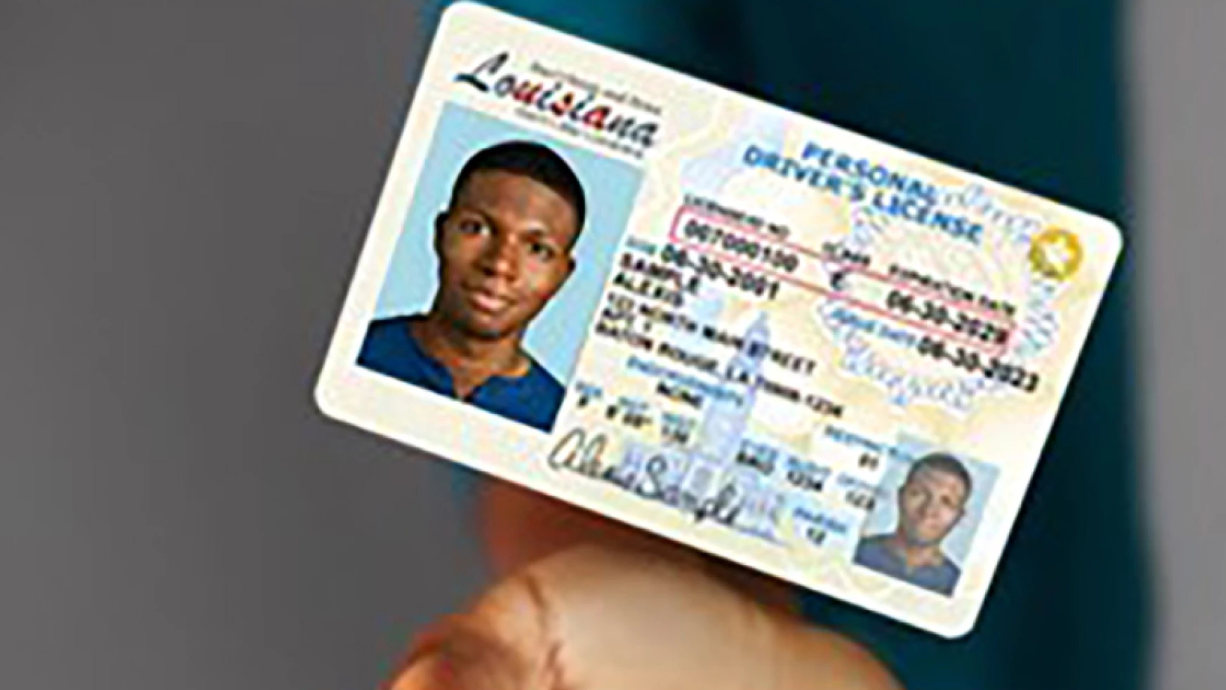
Understanding the Louisiana Driver’s License System
The Louisiana driver’s license system is structured to ensure that all drivers possess the necessary knowledge and skills to operate a motor vehicle safely. The OMV oversees the issuance of various types of licenses, each tailored to different age groups and driving privileges. For young drivers, a graduated driver’s license (GDL) program is in place, designed to gradually introduce driving privileges and responsibilities. For adults and those transferring from other states, the process is more direct but still requires adherence to specific documentation and testing protocols. It’s important to familiarize yourself with the different license classifications and endorsements if your driving needs extend beyond standard passenger vehicles.
The Graduated Driver’s License (GDL) Program
For Louisiana’s aspiring young drivers, the Graduated Driver’s License (GDL) program is a mandatory pathway to obtaining a full driver’s license. This multi-stage system is designed to provide new drivers with supervised experience and build their confidence and skills in a controlled manner.
Learner’s Permit
The first step for any applicant under the age of 18 is to obtain a learner’s permit. To be eligible, applicants must be at least 15 years old and have completed a state-approved driver’s education course or be currently enrolled in one. The learner’s permit stage requires applicants to pass a vision test and a written knowledge test administered by the OMV.
- Documentation: Applicants must present proof of identity, residency, and Social Security number. Acceptable documents often include a birth certificate, school records, or utility bills. Specific requirements can be found on the Louisiana OMV website.
- Supervised Driving: Once the learner’s permit is issued, the permit holder must log a minimum of 50 hours of supervised driving practice, with at least 10 of those hours occurring at night. This practice must be supervised by a licensed driver who is at least 21 years old and has held a valid driver’s license for at least four years.
- Minimum Holding Period: The learner’s permit must be held for a minimum of six months before an applicant can apply for the next stage of the GDL program.
Intermediate Driver’s License
After successfully holding a learner’s permit for the required period and completing the supervised driving hours, applicants who are at least 16 years old can apply for an intermediate driver’s license. This stage also requires passing a road skills test.
- Road Skills Test: The road test assesses the applicant’s ability to safely operate a vehicle in various real-world driving scenarios. This includes demonstrating proficiency in maneuvers such as parallel parking, changing lanes, yielding, and obeying traffic signals.
- Restrictions: The intermediate license still carries certain restrictions. Typically, these include limitations on the number of passengers under the age of 21 who can be in the vehicle without a licensed adult, and restrictions on driving during certain late-night hours (e.g., between 11 p.m. and 5 a.m.), unless accompanied by a licensed adult. These restrictions are in place to minimize risks for young drivers.
Full Driver’s License
Upon reaching the age of 17 and a half, and after holding an intermediate license for at least a year without any traffic violations, individuals are eligible to apply for a full, unrestricted driver’s license. This marks the completion of the GDL program, granting the driver the same privileges as any adult driver in Louisiana.
Obtaining a Driver’s License for Adults and New Residents
For individuals aged 18 and older, the process of obtaining a driver’s license in Louisiana is more straightforward, though it still involves essential steps to ensure competency and compliance with state laws. This also applies to those moving to Louisiana from another state or country.
New Drivers (Age 18 and Over)
Applicants who are 18 years of age or older and have never been licensed will typically follow a similar path to the GDL program’s later stages, but without the initial learner’s permit restrictions for a specific duration.
- Learner’s Permit: An initial learner’s permit is still required. Applicants must pass a vision test and a written knowledge test. This permit allows for supervised practice, though the formal hour logging and specific restrictions may differ slightly from the GDL program.
- Road Skills Test: A road skills test is mandatory to demonstrate driving proficiency. This test evaluates the applicant’s ability to operate a vehicle safely and responsibly.
- Required Documentation: Similar to younger applicants, adults will need to provide proof of identity, residency, and Social Security number. It is advisable to check the official Louisiana OMV website for the most current list of acceptable documents.
Transferring an Out-of-State Driver’s License
Individuals moving to Louisiana from another U.S. state or territory generally have an easier transition. The state recognizes licenses issued by other jurisdictions, but you are required to transfer your license within a specified timeframe after establishing residency.
- Residency Requirements: You must prove that you are a resident of Louisiana. This can be done through utility bills, lease agreements, or other official documents.
- Surrendering Your Old License: You will typically need to surrender your valid out-of-state driver’s license.
- Vision Test: A vision test is usually required for all applicants, regardless of whether they are transferring a license.
- Knowledge and Road Tests: In most cases, if your out-of-state license is valid and you are within the grace period for transferring, you may not need to retake the written knowledge test or the road skills test. However, the OMV reserves the right to require these tests if deemed necessary. Always verify the current policy with the Louisiana OMV.
- Required Documentation: You will need your current driver’s license, proof of identity, proof of Social Security number, and proof of residency in Louisiana.
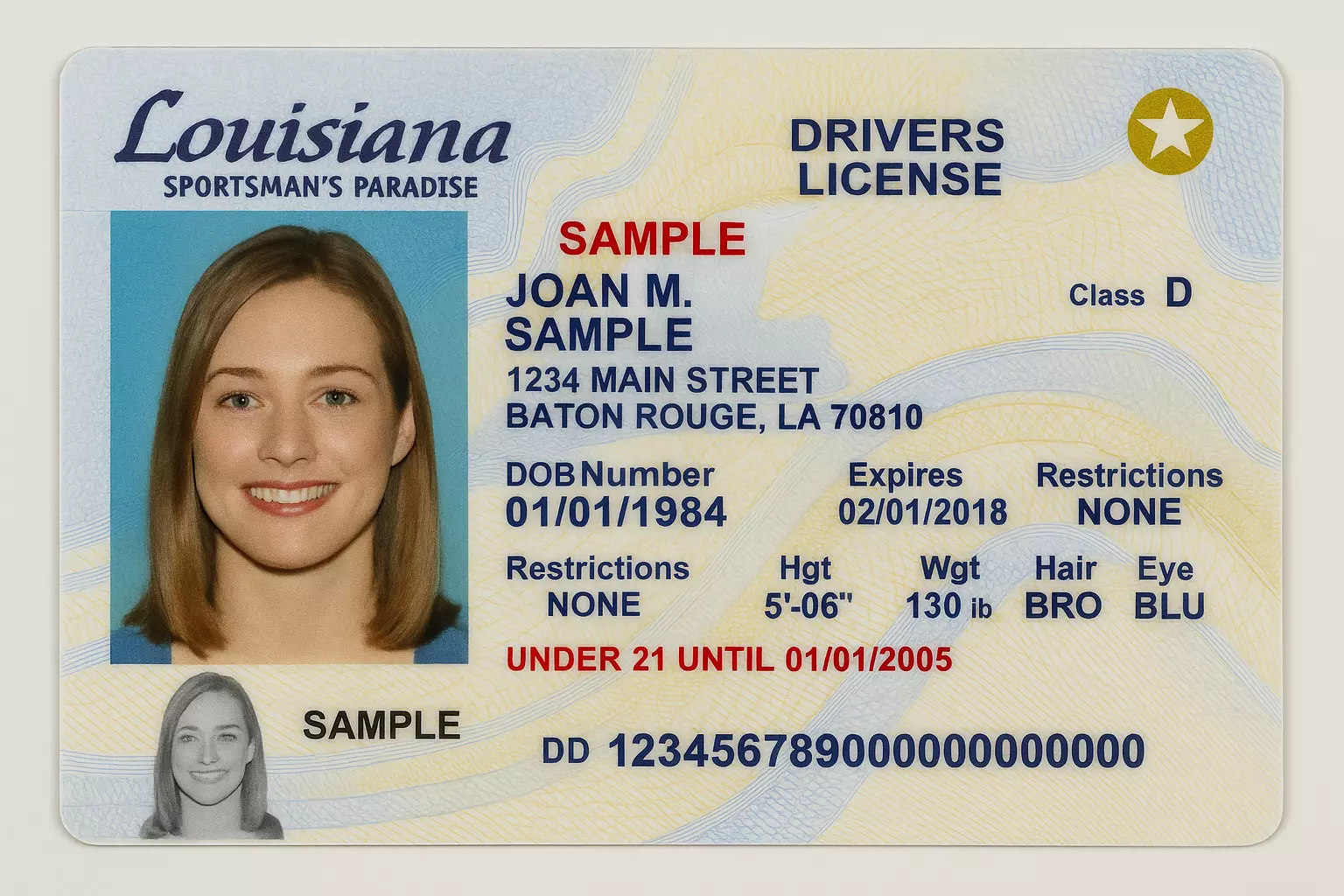
International Drivers
For individuals who hold a valid driver’s license from a foreign country, the process can vary depending on reciprocity agreements between Louisiana and the issuing country.
- Valid Foreign License: If you hold a valid, unexpired driver’s license from your home country and are legally present in the U.S., you may be able to drive for a limited period using that license.
- Translation: If your foreign license is not in English, you may need an official translation.
- Obtaining a Louisiana License: To obtain a Louisiana driver’s license, international drivers will generally need to pass the vision test, written knowledge test, and road skills test. Proof of legal presence in the United States is also a critical requirement. This often includes documentation such as a visa, passport, and potentially an Employment Authorization Document (EAD).
- International Driving Permits (IDP): An International Driving Permit is typically a supplement to, not a replacement for, your foreign driver’s license and may not be sufficient for establishing residency and obtaining a Louisiana license on its own.
Essential Steps and Documentation
Regardless of your age or driving history, there are fundamental steps and documents required by the Louisiana Office of Motor Vehicles (OMV) to process your driver’s license application. Thorough preparation can significantly streamline the process.
What to Bring to the OMV
It is imperative to bring the correct documentation to your appointment or visit to the OMV. Failure to do so will result in your application being delayed or rejected.
- Proof of Identity: This typically includes original documents such as a U.S. birth certificate, a valid U.S. passport, or a Certificate of Citizenship.
- Proof of Social Security Number: Your Social Security card is the most common form of verification. If you do not have your card, other official documents listing your SSN may be accepted.
- Proof of Louisiana Residency: You will need at least two proofs of residency. Acceptable documents include utility bills (gas, water, electricity), bank statements, mortgage statements, or a lease agreement. The documents must be recent, typically dated within the last 60 days.
- Proof of Citizenship or Lawful Presence: For those not born in the U.S., documentation proving legal status in the country is required. This can include a passport, visa, or permanent resident card.
- Completed Application Form: While you can often fill out the application at the OMV office, it is sometimes possible to download it in advance from the Louisiana OMV website.
The Testing Process
The OMV employs a series of tests to ensure that all drivers are competent and knowledgeable.
- Vision Test: This test assesses your ability to see clearly at various distances, a critical component of safe driving. If you wear corrective lenses, you must wear them during the test.
- Written Knowledge Test: This multiple-choice exam covers traffic laws, road signs, and safe driving practices specific to Louisiana. The OMV provides a driver’s manual that is an excellent resource for studying.
- Road Skills Test: This practical test evaluates your ability to operate a vehicle safely in traffic. You will need to provide a properly registered and insured vehicle for the test. The examiner will assess your driving skills, including maneuvers, adherence to traffic laws, and overall control of the vehicle.
Fees and Payment
There are fees associated with obtaining a driver’s license, including application fees, testing fees, and the cost of the license itself. The specific amounts can vary and are subject to change. It is advisable to check the Louisiana OMV website for the most current fee schedule. Payment methods accepted may also vary by location, so it is wise to confirm in advance.
Maintaining Your Driver’s License and Important Considerations
Once you have successfully obtained your driver’s license, there are ongoing responsibilities and considerations to ensure you remain a legal and safe driver in Louisiana.
License Renewal
Driver’s licenses in Louisiana are typically valid for a set period, after which they must be renewed. The renewal process usually involves a vision test and payment of a renewal fee. In some cases, depending on your age and renewal history, you may not be required to retake the written knowledge test. The OMV will usually send a renewal notice by mail or email prior to your license’s expiration date. It is crucial to keep your contact information updated with the OMV to receive these important notifications.
Real ID Compliance
Many states, including Louisiana, are implementing REAL ID-compliant driver’s licenses. A REAL ID-compliant license will be required for boarding federally regulated commercial aircraft and accessing certain federal facilities starting May 7, 2025. If you plan to fly domestically or access such facilities, you will need to ensure your license meets REAL ID standards. This typically requires presenting additional documentation beyond what is needed for a standard license, such as proof of your Social Security number and two proofs of residency. The OMV website provides detailed information on the specific documents required for a REAL ID.
Traffic Laws and Safe Driving Practices
Operating a vehicle comes with significant responsibility. Adhering to all traffic laws, maintaining your vehicle, and practicing safe driving habits are paramount. This includes respecting speed limits, always wearing your seatbelt, refraining from distracted driving (e.g., using your phone), and never driving under the influence of alcohol or drugs. Familiarizing yourself with Louisiana’s specific traffic laws, such as those concerning seatbelt use, cell phone restrictions, and impaired driving penalties, is essential for avoiding citations and ensuring the safety of yourself and others on the road. Regular vehicle maintenance, including checking tire pressure, brakes, and lights, also contributes to safe operation.
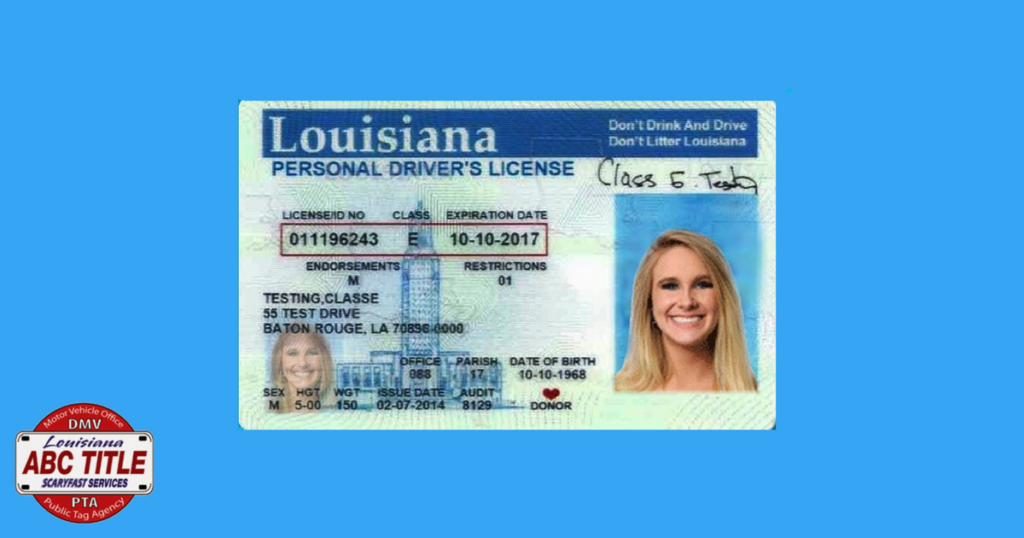
Special Licenses and Endorsements
Beyond the standard driver’s license, Louisiana offers various endorsements and special licenses for specific driving needs. These may include motorcycle endorsements, commercial driver’s licenses (CDL) for operating heavy vehicles, or licenses for transporting hazardous materials. Each of these requires additional testing and specific qualifications. If your driving requirements extend beyond typical passenger vehicle use, it is important to research and pursue the appropriate endorsements or classifications to ensure you are legally permitted to operate those types of vehicles. The Louisiana OMV provides comprehensive information on these specialized licensing options.
LifeOutOfTheBox is a participant in the Amazon Services LLC Associates Program, an affiliate advertising program designed to provide a means for sites to earn advertising fees by advertising and linking to Amazon.com. Amazon, the Amazon logo, AmazonSupply, and the AmazonSupply logo are trademarks of Amazon.com, Inc. or its affiliates. As an Amazon Associate we earn affiliate commissions from qualifying purchases.