
Louisiana, a state renowned for its sweltering summers, lush bayous, and vibrant cultural tapestry, might not be the first place that comes to mind when contemplating snowfall. Yet, the unexpected can indeed happen, and understanding these rare meteorological events offers a unique perspective on the diverse climate of the American South. This exploration delves into the conditions that might lead to snow in Louisiana, the historical occurrences, and what it means for the state’s tourism and local experiences.
The Nuances of Louisiana’s Climate
Louisiana experiences a humid subtropical climate, characterized by hot, humid summers and mild winters. The state’s southern latitude and proximity to the Gulf of Mexico significantly influence its weather patterns. However, the geography of Louisiana, particularly its inland areas, can occasionally become susceptible to cold air intrusions from the north.

Factors Conducive to Snowfall
While snow is a rarity, it’s not an impossibility. The confluence of specific atmospheric conditions is required for precipitation to fall as snow rather than rain or sleet.
- Cold Air Mass: The most critical factor is the presence of a sufficiently cold air mass originating from the north or northwest. These cold fronts typically sweep across the United States during the winter months, and when they reach Louisiana with temperatures at or below freezing from the surface to the upper atmosphere, the stage is set.
- Moisture Availability: A cold air mass alone is insufficient. There must be a source of moisture, usually in the form of a weather system like a low-pressure area or a trough of low pressure moving through the region. This moisture interacts with the cold air, leading to cloud formation and precipitation.
- Temperature Profile: For snow to accumulate, the temperature must be at or below freezing throughout the entire atmospheric column from the clouds down to the ground. If the temperature near the surface is slightly above freezing, even if the upper levels are cold enough, the snowflakes can melt before reaching the ground, resulting in rain or a wintry mix.
Coastal vs. Inland Louisiana
Snowfall is significantly more likely in the northern and western parts of Louisiana, which are further from the moderating influence of the Gulf of Mexico. Coastal areas, such as those around New Orleans, tend to have milder winters, and the warmer ocean air can often prevent temperatures from dropping low enough for snow, even when cold fronts arrive. However, exceptionally strong cold snaps can bring snow even to the coast, though it is a far rarer occurrence.
Historical Snowfall Events in Louisiana
While the memory of a snowy Louisiana day might be fleeting for many residents, there have been notable instances where winter precipitation has transformed the landscape. These events, though infrequent, are often etched into the collective memory and become topics of conversation for years.
Significant Snowfall Occurrences
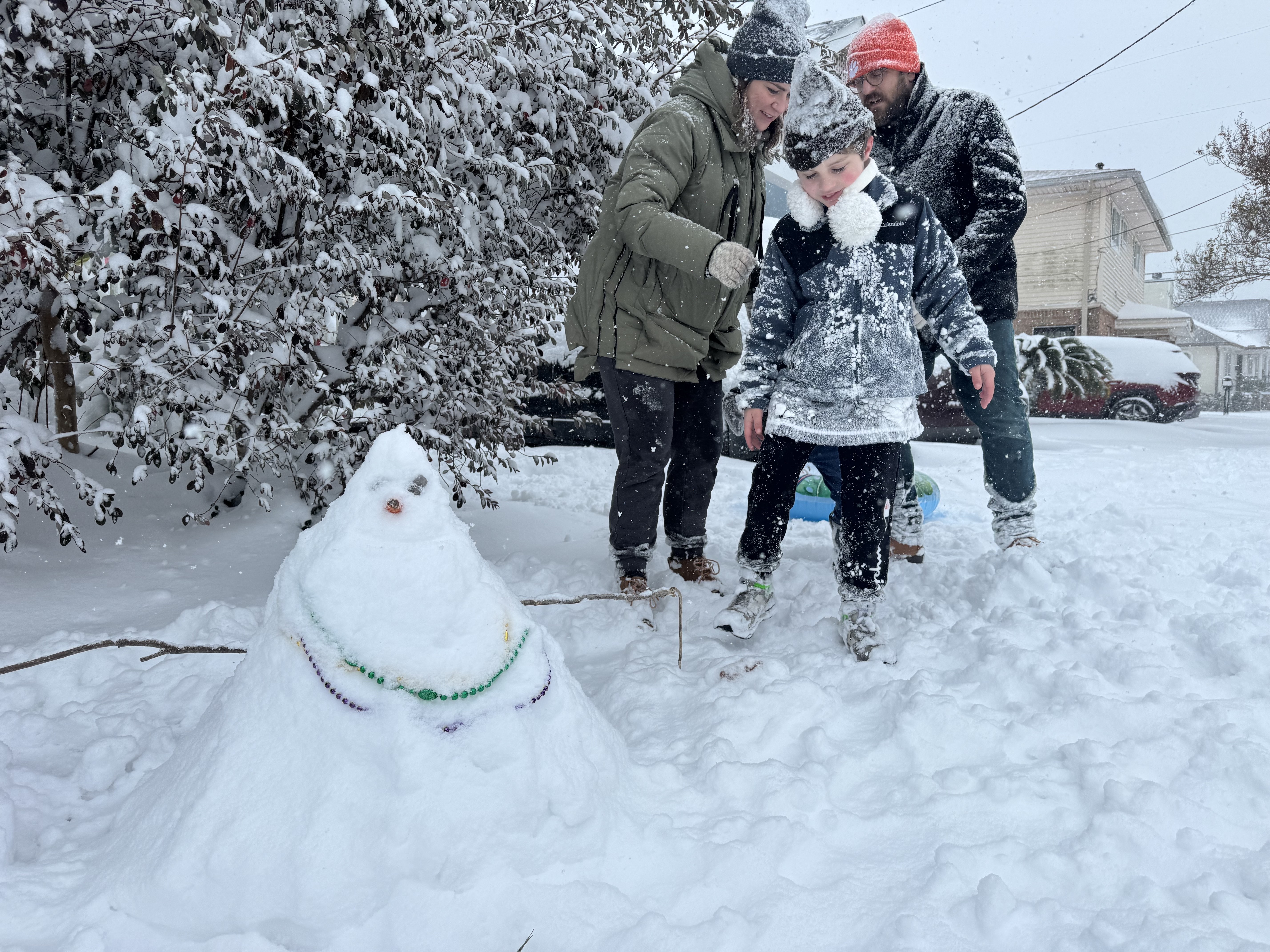
- The 2018 Winter Storm: Perhaps one of the most significant recent events occurred in early January 2018. This storm brought snow and sleet across much of Louisiana, from Shreveport in the north to parts of the Baton Rouge and even New Orleans metropolitan areas. The event caused widespread disruption, with school closures, traffic accidents, and a general sense of awe as residents experienced a winter wonderland. Snowfall accumulations varied, with some northern parishes reporting several inches.
- The 1960s and 1970s: Historical records indicate a few notable snow events during these decades. A significant snowstorm in February 1960 blanketed much of the state, with accumulations of over 8 inches reported in some areas. Another event in February 1973 also brought snow to central and northern Louisiana.
- The 2000s and Beyond: While not as widespread or heavy as some historical events, there have been intermittent occurrences of light snow flurries or very minor accumulations in various parts of the state throughout the early 2000s. These often melt quickly but still provide a brief visual spectacle.
The Impact of Rare Snow

When snow does fall in Louisiana, its impact extends beyond the visual novelty.
- Infrastructure Challenges: Louisiana’s infrastructure is not designed for snow and ice. Roads can become hazardous, leading to traffic disruptions and accidents. Many vehicles are not equipped with snow tires, and the state often lacks the extensive snowplow fleets found in northern regions.
- Community Excitement and Disruption: For many, particularly children, a snow day is a cause for excitement and a rare opportunity for snow-based activities like building snowmen or having snowball fights. However, the disruption to daily life, including school and business closures, is also a significant consequence.
- Environmental Effects: While the duration of snow cover is typically short, it can provide a temporary change to the local ecosystem, affecting plant life and wildlife accustomed to warmer conditions.
Experiencing Louisiana’s Winter Wonders
Even without consistent snowfall, Louisiana offers unique winter experiences that showcase its distinct charm. The mildness of its winters allows for a different kind of seasonal exploration, one that focuses on natural beauty and cultural festivities.
Exploring Louisiana’s Natural Landscapes in Winter
The cooler months in Louisiana present an ideal time to explore its diverse natural environments without the oppressive summer heat and humidity.
- The Atchafalaya Basin: This vast wetland, the largest in the continental United States, is a haven for wildlife. In winter, birdwatching is particularly rewarding as migratory birds arrive. The cooler temperatures make kayaking or boat tours through the Atchafalaya Basin more comfortable. The muted greens and browns of the cypress trees create a serene, atmospheric landscape.
- State Parks and Forests: Louisiana boasts numerous state parks and forests, such as Kisatchie National Forest in central Louisiana and Chicot State Park in the Evangeline Parish. These areas offer hiking trails and opportunities for wildlife observation. The crisp winter air enhances the sensory experience of walking through pine forests and along scenic waterways.
- Coastal Areas: While snow is unlikely on the coast, winter can bring clear, crisp days perfect for visiting the beaches or exploring the unique coastal ecosystems. The skies are often a brilliant blue, and the coastal breezes are invigorating rather than stifling.
Cultural and Culinary Delights in Cooler Months
Louisiana’s vibrant culture and world-renowned cuisine are year-round attractions, but the cooler winter months offer a particularly pleasant ambiance for experiencing them.
- Mardi Gras Season: For many, winter in Louisiana is synonymous with the anticipation and celebration of Mardi Gras. While the peak of the season falls in late winter, preparations and early parades begin in January, offering a vibrant cultural immersion. Cities like New Orleans, Mobile (though in Alabama, it’s a key regional event), and Baton Rouge come alive with music, costumes, and parades.
- Festivals and Events: Beyond Mardi Gras, Louisiana hosts numerous festivals throughout the winter, celebrating everything from food and music to local traditions. The cooler weather makes attending outdoor events more enjoyable.
- Cajun and Creole Cuisine: Winter is the perfect time to indulge in the rich, comforting flavors of Cajun and Creole cuisine. Think hearty gumbos, flavorful etouffees, and decadent bread puddings. Many restaurants offer special winter menus that highlight these warming dishes. Exploring the culinary landscape of cities like Lafayette or New Iberia is a must for any food lover.
Planning Your Visit During the “Cool” Season
For travelers considering a visit to Louisiana during the winter months, especially if hoping for the slim chance of snow or simply to enjoy milder weather, a few tips can enhance the experience.
- Check Local Weather Forecasts: If the prospect of witnessing snow is a draw, stay updated on the weather forecasts. Even a slight chance of wintry precipitation can add an element of excitement to a trip.
- Pack Layers: Winter temperatures in Louisiana can be unpredictable. Packing layers is advisable, allowing visitors to adapt to temperature fluctuations, from cool mornings to milder afternoons. A light jacket or sweater is usually sufficient, but a heavier coat might be needed for colder snaps, especially in northern parishes.
- Embrace the Unexpected: Whether it’s an unexpected dusting of snow or a particularly crisp and clear winter day, embracing the unique conditions of Louisiana’s winter can lead to memorable experiences. The state’s charm lies in its resilience and adaptability, much like its ability to surprise with a touch of winter frost.
While the question “Is it snowing in Louisiana?” often elicits a knowing smile and a probable “no,” the reality is more nuanced. The possibility, however remote, adds a unique layer to the understanding of this captivating state. More importantly, Louisiana’s winter offers a distinct set of attractions and experiences that are well worth exploring, snow or no snow.
LifeOutOfTheBox is a participant in the Amazon Services LLC Associates Program, an affiliate advertising program designed to provide a means for sites to earn advertising fees by advertising and linking to Amazon.com. Amazon, the Amazon logo, AmazonSupply, and the AmazonSupply logo are trademarks of Amazon.com, Inc. or its affiliates. As an Amazon Associate we earn affiliate commissions from qualifying purchases.