
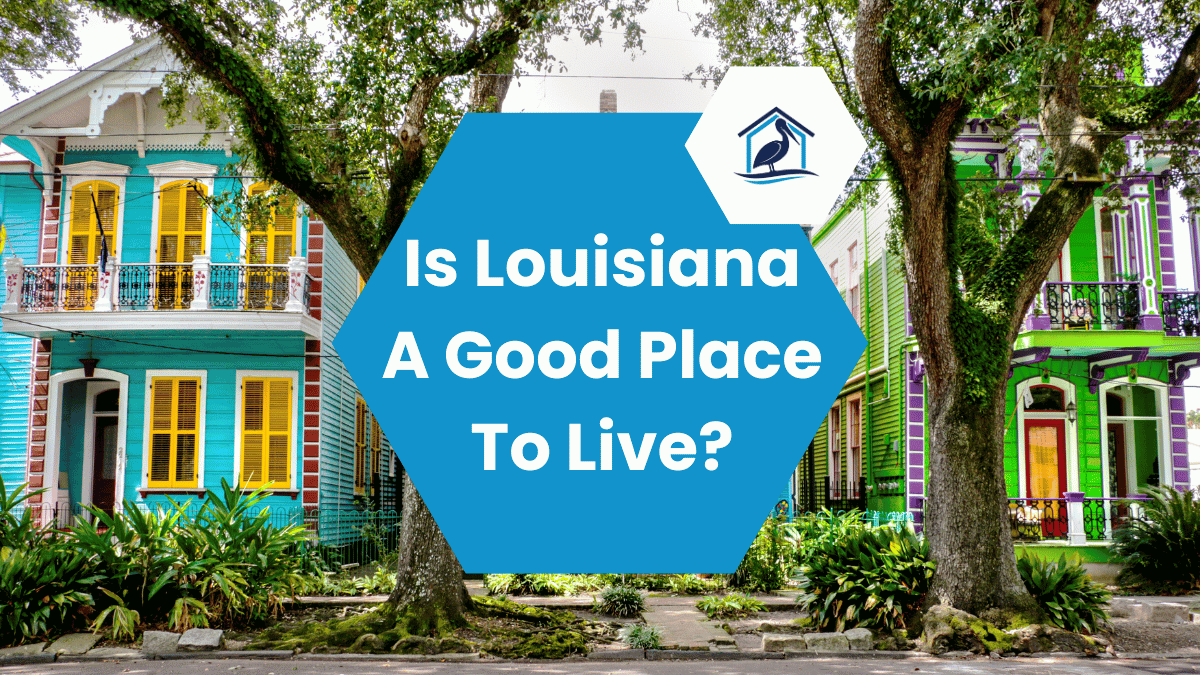
Louisiana, a state steeped in a rich tapestry of history, culture, and natural beauty, presents a unique proposition for those considering a move. Often characterized by its vibrant New Orleans , its soulful music scene, and its distinct Cajun and Creole heritage, the Pelican State offers an experience unlike any other in the United States. But beyond the alluring façade of Mardi Gras parades and jazz festivals, what truly makes Louisiana a nice place to live? This exploration delves into the various facets that contribute to the quality of life in this fascinating southern state, examining its cultural heartbeat, economic landscape, natural environment, and the everyday realities of its residents.
The Soul of Louisiana: Culture and Community
At the heart of Louisiana’s appeal lies its unparalleled cultural richness. This is a state where traditions are not just preserved; they are actively lived and celebrated. The influences of French, Spanish, African, and Caribbean peoples have coalesced to create a distinct identity that permeates every aspect of life, from the language spoken to the food savored.
A Symphony of Flavors: Culinary Delights
Louisiana is a world-renowned culinary destination, and its food is inextricably linked to its identity and the quality of life it offers. The state boasts two iconic culinary traditions: Cajun and Creole. Cajun cuisine, originating from the displaced Acadians who settled in the southwestern part of the state, is known for its rustic, hearty, and often spicy dishes like gumbo, jambalaya, and crawfish étouffée. Creole cuisine, primarily found in New Orleans, is more refined, incorporating European techniques with local ingredients, evident in dishes like shrimp remoulade and oysters Rockefeller.
Living in Louisiana means having access to these incredible flavors on a daily basis. From bustling farmers’ markets overflowing with fresh produce to roadside stands serving up piping hot boudin, the culinary scene is vibrant and accessible. Beyond the famous dishes, the emphasis on fresh, local ingredients and the communal aspect of cooking and eating contribute to a deep sense of satisfaction and connection. Whether it’s a family gathering centered around a seafood boil or a casual lunch at a local diner, food in Louisiana is more than sustenance; it’s a celebration of heritage and community.
The Rhythms of Life: Music and Festivities
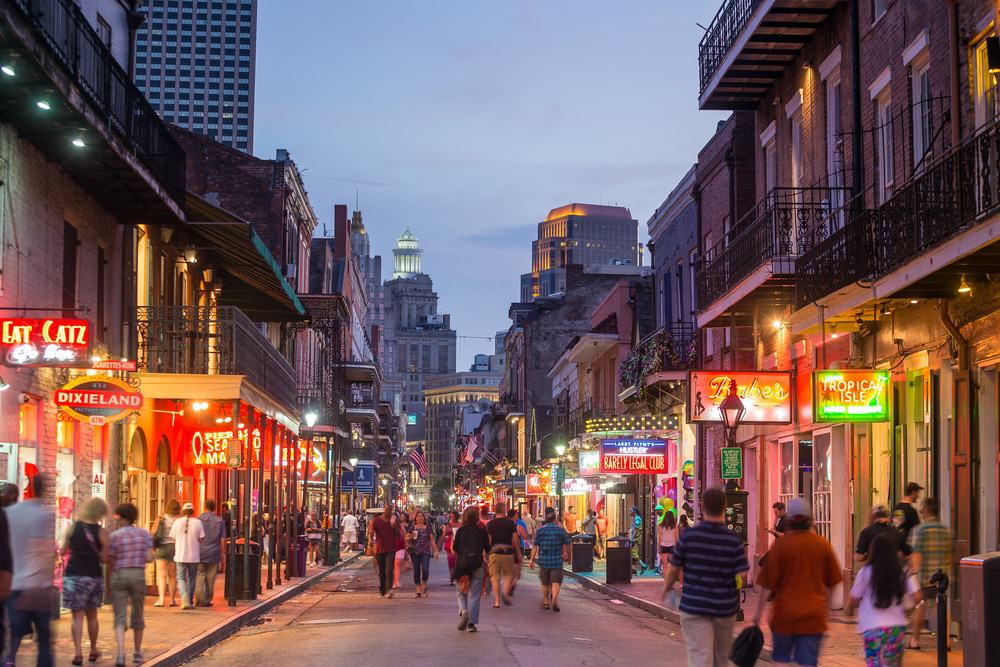
Louisiana’s musical legacy is as profound as its cuisine. The birthplace of jazz, the state continues to be a fertile ground for diverse musical genres, including blues, zydeco, and swamp pop. Music is not confined to concert halls or clubs; it spills out onto the streets, accompanying festivals, parades, and everyday life. The iconic Mardi Gras celebrations in New Orleans, Mobile, Alabama, and other cities are a testament to this vibrant culture, drawing hundreds of thousands of visitors each year.
Beyond Mardi Gras, Louisiana hosts an array of festivals throughout the year, celebrating everything from crawfish and music to its rich agricultural heritage. These events serve as crucial community gatherings, fostering a sense of belonging and shared identity. For residents, this means a year-round calendar filled with opportunities to immerse themselves in local culture, enjoy live music, and connect with their neighbors. This constant celebration of life and heritage contributes significantly to a fulfilling lifestyle.
A Mosaic of Communities: Diversity and Inclusivity
Louisiana is a melting pot of cultures and traditions, a characteristic that enriches its social fabric. The distinct ethnic and cultural groups that have shaped the state, including French, Spanish, African, Irish, German, and Italian communities, have contributed to a unique blend of customs, languages, and perspectives. This diversity is most palpable in the various regions of the state, each with its own subtle nuances and traditions.
This inherent diversity fosters a culture of acceptance and celebration of differences. While like any region, Louisiana faces its own societal challenges, the prevailing spirit of hospitality and warmth, particularly evident in the Cajun and Creole cultures, makes it a welcoming place for newcomers. The strong sense of community, often built around shared traditions and a mutual appreciation for the state’s unique heritage, can be incredibly appealing to those seeking a place to put down roots.
The Natural Allure: Environment and Geography
Louisiana’s geography is as distinctive as its culture, defined by its extensive wetlands, bayous, and the mighty Mississippi River. This unique environment offers a different pace of life and a connection to nature that many find appealing.
The Mystique of the Bayou: Wetlands and Wildlife
The vast expanse of Louisiana’s bayous and wetlands is a defining feature of the state. These intricate waterways and marshes are not just scenic landscapes; they are vital ecosystems teeming with wildlife. Residents can enjoy activities such as fishing, hunting, kayaking, and birdwatching in these pristine natural settings. The opportunity to connect with nature, whether it’s spotting an alligator on a swamp tour or observing migratory birds, provides a sense of tranquility and escape from the bustle of urban life.
The iconic imagery of cypress trees draped with Spanish moss, dotted with egrets and herons, is a familiar and cherished sight for Louisianans. This natural beauty provides a backdrop for a lifestyle that can be deeply intertwined with the outdoors. For those who appreciate the slower pace and the inherent beauty of aquatic landscapes, Louisiana’s bayous offer an unparalleled living experience.
The Power of the River: Economic and Cultural Lifeline
The Mississippi River is more than just a geographical feature; it is a lifeline that has shaped Louisiana’s history, economy, and culture. The major port cities, such as New Orleans and Baton Rouge, owe their existence and prosperity to the river’s trade routes. Living along the Mississippi River can offer a unique perspective, with the constant flow of commerce and the majestic presence of massive cargo ships.
The river also plays a significant role in recreational activities, from boating and fishing to simply enjoying the scenic views it offers. The ebb and flow of the river mirror the rhythm of life in many Louisiana communities, creating a constant reminder of the state’s connection to its natural resources.
The Economic Landscape: Opportunities and Challenges
Like any state, Louisiana presents a mixed economic picture. Understanding the job market, cost of living, and economic development trends is crucial for anyone considering a move.
Industry and Innovation: Key Sectors
Louisiana’s economy is significantly influenced by its natural resources. The oil and gas industry has historically been a major employer, particularly along the Gulf Coast. However, the state is actively diversifying its economic base, with growing sectors in advanced manufacturing, aerospace, agriculture, and petrochemicals. The Port of New Orleans, a vital hub for international trade, also supports a robust logistics and transportation sector.
For professionals and entrepreneurs, Louisiana offers opportunities in these burgeoning fields. Cities like Baton Rouge and Lafayette are experiencing economic growth, attracting businesses and talent. The presence of major universities and research institutions also contributes to innovation and workforce development.
The Cost of Living: Affordability and Value
One of the significant draws of living in Louisiana is its relatively affordable cost of living compared to many other states, particularly in housing. While New Orleans can be more expensive, especially in popular neighborhoods, many other cities and towns offer a much lower cost of entry for homeowners and renters. This affordability can translate into a higher disposable income and a better quality of life for many individuals and families.
Groceries, utilities, and transportation are also generally more affordable, further contributing to the state’s economic appeal. This financial advantage allows residents to enjoy more of Louisiana’s rich cultural offerings and recreational opportunities without the same financial strain they might experience elsewhere.
Navigating Daily Life: Education, Healthcare, and Infrastructure
Beyond the cultural and environmental allure, practical considerations such as education, healthcare, and infrastructure play a vital role in determining the quality of life.
Educational Opportunities: From K-12 to Higher Learning
Louisiana boasts a diverse range of educational institutions, from public and private K-12 schools to renowned universities and colleges. The Louisiana State University System and the University of Louisiana System offer a broad spectrum of programs across the state. Cities like Baton Rouge, Lafayette, and Shreveport are home to significant academic centers.
While educational quality can vary, there are many excellent schools and districts, and the presence of strong higher education institutions provides opportunities for advanced learning and research. For families, choosing a community with good schools is a significant factor, and Louisiana offers a range of options to consider.
Healthcare Access: A Network of Care
Louisiana has a well-established healthcare system, with major medical centers and numerous hospitals and clinics spread across the state. Leading institutions include Ochsner Health in New Orleans, Our Lady of the Lake Regional Medical Center in Baton Rouge, and Christus Health facilities. These centers offer comprehensive medical services, from specialized treatments to routine care.
Access to quality healthcare is a critical component of a good quality of life, and Louisiana’s network of healthcare providers aims to serve the needs of its residents. As with any state, the availability and quality of specific services can vary by region, but a strong foundation of medical care is present.
Infrastructure and Transportation: Connecting the State
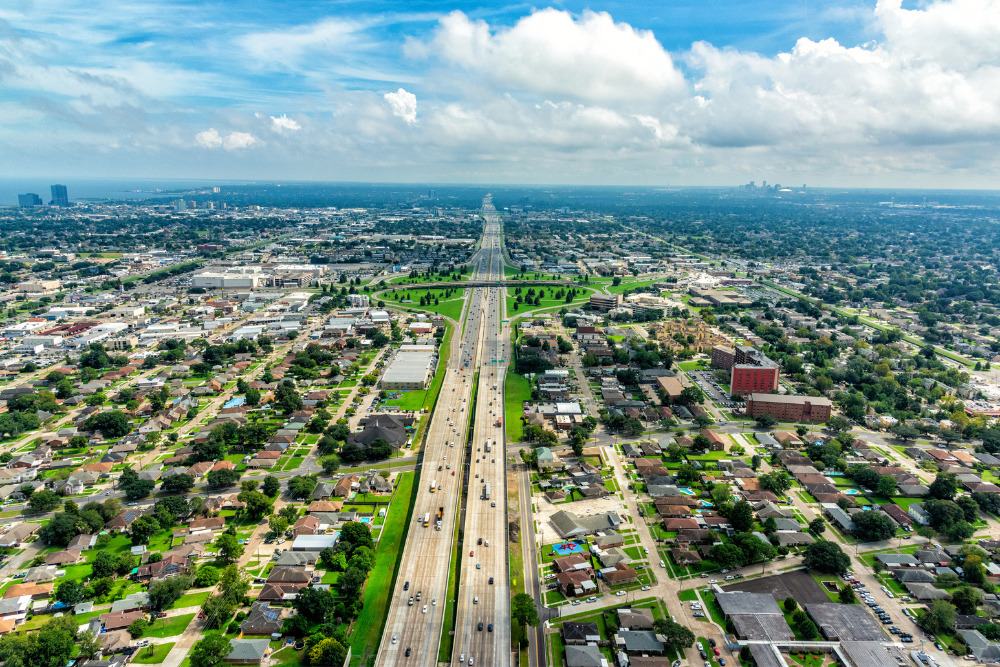
Louisiana’s infrastructure includes a comprehensive network of highways, waterways, and airports that facilitate transportation and commerce. Major interstate highways, such as I-10 and I-49, connect the state’s major cities. The extensive network of bayous and canals also supports waterborne transportation, a historical cornerstone of the state’s economy.
While infrastructure development is an ongoing process, and challenges like hurricane preparedness are paramount, the existing systems generally support daily life and economic activity. Public transportation options are more limited outside of the major metropolitan areas, meaning personal vehicles are often the primary mode of transport for many Louisianans.
In conclusion, whether Louisiana is a nice place to live is a deeply personal question with a multifaceted answer. For those drawn to its vibrant culture, delectable cuisine, soulful music, stunning natural landscapes, and a more affordable cost of living, the Pelican State offers an undeniably rich and rewarding lifestyle. While challenges exist, the unique charm and enduring spirit of Louisiana continue to captivate those who seek a life lived with passion, flavor, and a profound connection to heritage and community.
LifeOutOfTheBox is a participant in the Amazon Services LLC Associates Program, an affiliate advertising program designed to provide a means for sites to earn advertising fees by advertising and linking to Amazon.com. Amazon, the Amazon logo, AmazonSupply, and the AmazonSupply logo are trademarks of Amazon.com, Inc. or its affiliates. As an Amazon Associate we earn affiliate commissions from qualifying purchases.