
Louisiana, a state celebrated for its vibrant culture, distinctive cuisine, and captivating natural beauty, holds a unique geographical distinction: a significant portion of its landmass lies below mean sea level. This peculiar reality is not merely a matter of geographic trivia; it shapes the very identity of the state and profoundly influences its tourism landscape, its architectural endeavors, and the daily lives of its inhabitants. Understanding this geological phenomenon is key to appreciating the resilience and ingenuity that define the spirit of Louisiana.
The Sinking Land: A Geological Narrative
The perception of Louisiana as being “below sea level” is largely accurate, though the extent and nuances of this are complex. This phenomenon is a result of a confluence of natural geological processes and human intervention.

Natural Subsidence and Mississippi River Delta Formation
The Mississippi River Delta, a vast and fertile region formed over millennia by the deposition of sediment from the mighty Mississippi River, is inherently prone to sinking. As the river carries sediment downstream and deposits it at its mouth, the accumulating weight compresses the underlying sediment layers. This natural compaction, known as deltaic subsidence, causes the land to gradually settle.
Moreover, the geological history of the Gulf Coast region involves the slow settling of sedimentary basins. The vast quantities of sediment laid down by ancient river systems, combined with the natural compaction of organic matter, contribute to a general downward trend of the land surface over geological timescales. This ongoing process means that even without human influence, much of the Louisiana delta would be experiencing subsidence.
Human Impact on Land Subsidence
Human activities have unfortunately exacerbated the natural rate of land subsidence in Louisiana. Historically, extensive levee systems were constructed along the Mississippi River to control flooding and protect burgeoning cities and agricultural lands. While these levees have been instrumental in managing water resources and facilitating development, they have inadvertently cut off the natural replenishment of sediment to the delta.
Without the regular deposition of nutrient-rich sediment, the deltaic soils can no longer adequately rebuild themselves to counteract the natural compaction and subsidence. This disruption in the sediment cycle has led to significant land loss. Furthermore, the extensive withdrawal of groundwater and oil and gas from beneath the state has also contributed to land subsidence, as the removal of subsurface fluids can lead to the settling of the overlying geological strata.
Implications for Louisiana’s Tourism Landscape
The precarious elevation of much of Louisiana has profound implications for its tourism sector, influencing everything from the types of attractions available to the infrastructure that supports visitor experiences.
Coastal Attractions and Ecotourism
The unique wetland ecosystems of Louisiana, including its vast marshes and bayous, are a significant draw for ecotourists. Visitors flock to experience the rich biodiversity, from abundant birdlife to unique aquatic species. Destinations like the Atchafalaya Basin, the largest swamp in the United States, offer unparalleled opportunities for boat tours, kayaking, and wildlife observation.
However, the encroaching sea level and land loss pose a direct threat to these fragile ecosystems. Coastal erosion is steadily consuming valuable marshland, altering habitats and diminishing the very landscapes that attract visitors. This necessitates a focus on sustainable tourism practices that aim to preserve these natural wonders for future generations. The development of elevated boardwalks and strategically placed observation points in areas like the Jean Lafitte National Historical Park and Preserve allows visitors to experience the bayou without further impacting the sensitive environment.
Resilient Infrastructure and Urban Tourism
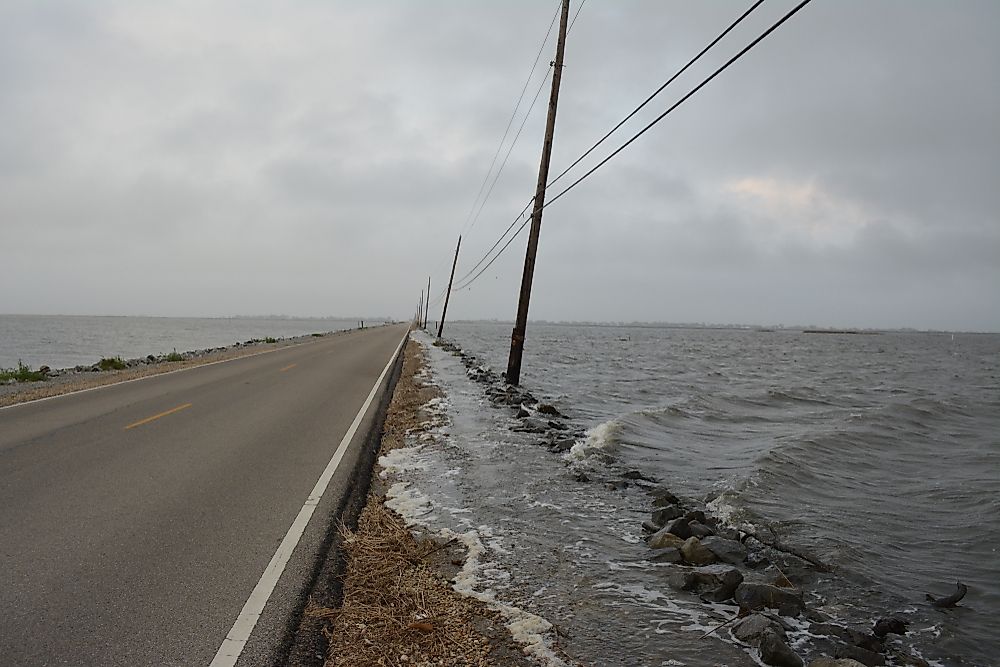
Louisiana’s major urban centers, such as New Orleans, Baton Rouge, and Shreveport, have adapted to the challenges of living with water. The iconic architecture and rich history of New Orleans, for example, are intrinsically linked to its low-lying geography. The city’s famous elevated homes, known as “raised houses,” and its intricate network of canals and levees are testaments to centuries of adaptation.
Tourists visiting these cities can explore landmarks like the French Quarter, stroll along the Mississippi Riverfront, and experience world-renowned music venues and restaurants. The tourism infrastructure in these areas has been developed with flood mitigation in mind, with many hotels, such as the historic Hotel Monteleone, and attractions built on higher ground or incorporating flood-resistant designs. Guided tours often highlight the city’s unique relationship with water, including the history of its levee systems and the challenges of maintaining its elevation.
Adapting to the Water: Innovation and Resilience
The ongoing challenge of living below sea level has spurred remarkable innovation and fostered a deep sense of resilience among the people of Louisiana. This adaptability is itself a compelling aspect of the state’s tourism appeal.
Engineering Marvels and Coastal Restoration Efforts
The ongoing battle against land loss and rising sea levels has led to ambitious engineering projects and a renewed focus on coastal restoration. The Louisiana Coastal Wetlands Conservation and Restoration Task Force and the Coastal Protection and Restoration Authority are at the forefront of these efforts, implementing projects such as barrier island restoration, sediment diversions, and the construction of new levees and floodgates.
These large-scale initiatives, while primarily aimed at protecting communities and ecosystems, also offer a unique perspective for visitors interested in environmental science and engineering. Understanding the immense effort being made to preserve this delicate region adds another layer of appreciation for the destination. Tourists can learn about these efforts through educational centers and interpretative displays located in vulnerable coastal areas.
Cultural Adaptations and Community Spirit
Beyond engineering, the culture of Louisiana is deeply intertwined with its watery landscape. The traditional way of life in the bayous, characterized by a close relationship with the environment and a strong sense of community, continues to captivate visitors. Experiences like exploring the charming fishing villages, sampling fresh seafood, and learning about Cajun and Creole heritage offer an authentic glimpse into a lifestyle shaped by the ebb and flow of the tides.
The resilience demonstrated by Louisiana’s communities in the face of environmental challenges is a powerful narrative that resonates with travelers seeking meaningful experiences. This spirit of adaptation and perseverance is a hallmark of the region and contributes to its enduring allure. Visitors often find themselves inspired by the strength and ingenuity of the people who call this unique, often challenging, landscape home.
Planning Your Visit to Louisiana
For travelers planning a trip to Louisiana, understanding its unique geography can enhance the overall experience. Being aware of the potential for water-related phenomena, such as tidal influences in coastal areas or the need for flood preparedness in certain regions, can lead to a more informed and enjoyable visit.
Navigating Louisiana’s Waterways
Exploring Louisiana’s extensive network of waterways is a quintessential part of the travel experience. Whether embarking on a guided airboat tour through the swamps near Lafitte or taking a scenic ferry ride across the Mississippi River in New Orleans, embracing the water is key.
It is advisable to book tours with reputable operators who are knowledgeable about local conditions and prioritize safety. Many tours are designed to be environmentally sensitive, offering educational insights into the delta’s ecology and the challenges it faces. Consider visiting during seasons with milder weather, as the humid summers can be intense.

Embracing the Unique Landscape
The fact that parts of Louisiana lie below sea level is not a deterrent but rather a defining characteristic that contributes to its extraordinary charm and unique identity. It is a testament to human adaptability and the enduring power of nature. From the historic grandeur of New Orleans to the wild beauty of its coastal marshes, Louisiana offers a travel experience unlike any other, shaped by its intimate relationship with the water. A journey here is an exploration of a land constantly in dialogue with the sea, a story of resilience, beauty, and an unforgettable spirit.
LifeOutOfTheBox is a participant in the Amazon Services LLC Associates Program, an affiliate advertising program designed to provide a means for sites to earn advertising fees by advertising and linking to Amazon.com. Amazon, the Amazon logo, AmazonSupply, and the AmazonSupply logo are trademarks of Amazon.com, Inc. or its affiliates. As an Amazon Associate we earn affiliate commissions from qualifying purchases.