
Understanding the nomenclature used to refer to the inhabitants of a particular region is often a fascinating window into its history, culture, and identity. When it comes to the vibrant state of Louisiana, the term most commonly and proudly used is “Louisianan.” This simple yet encompassing word reflects a unique blend of influences that have shaped the state’s distinctive character. However, the story behind this label is far richer than a single word, involving historical layers, regional pride, and the diverse ethnic tapestry that defines Louisiana.
The primary identifier, “Louisianan,” is straightforward and universally understood. It signifies anyone who resides in, has roots in, or feels a strong connection to the U.S. state of Louisiana. This term embraces the full spectrum of the state’s population, from the bustling urban centers like New Orleans and Baton Rouge to the quiet bayous and agricultural heartlands.

The Roots of Identity: Historical Influences
The etymology and usage of “Louisianan” are deeply intertwined with the state’s complex history, marked by periods of French, Spanish, and American rule. This colonial past has left an indelible mark on the culture, language, and demographics, all of which contribute to how its people are known.
Colonial Legacy and the French Connection
The very name “Louisiana” owes its existence to French explorers. In 1682, René-Robert Cavelier, Sieur de La Salle, claimed the vast Mississippi River basin for France and named it in honor of King Louis XIV. This foundational French connection is a significant reason why many in Louisiana feel a special affinity with French heritage and language. While not everyone in Louisiana speaks French, the influence is palpable in place names, cuisine, music, and a certain joie de vivre that permeates the culture.
This historical association also led to the specific term Cajun. The Cajuns, or Acadians, were French settlers who were expelled from their homeland in the Canadian Maritimes (present-day Nova Scotia and New Brunswick) by the British in the mid-18th century. Many eventually found refuge in the southwestern part of Louisiana, bringing with them their unique dialect of French, distinct culinary traditions, and a rich cultural heritage. Today, “Cajun” is a widely recognized and celebrated identity within Louisiana, often associated with the rural, bayou country, and a specific style of music and cooking.
The Spanish Interlude
Following French rule, Louisiana was ceded to Spain in 1762. The Spanish administration brought its own cultural influences, particularly in the architecture of cities like New Orleans (seen in areas like the French Quarter), and in certain aspects of the legal system and customs. While “Spanish” is not a common term for the general populace, the Spanish heritage is a vital thread in the state’s multicultural fabric.
The American Era and Diverse Migrations
The Louisiana Purchase in 1803 brought Louisiana under United States control. This transition ushered in a new wave of American settlers and further diversified the population. Over time, Louisiana became a destination for various immigrant groups, each contributing to the state’s unique identity:
- Creoles: Often confused with Cajuns, Creole culture in Louisiana refers to descendants of European settlers (primarily French and Spanish) who were born in the colony, as well as descendants of free people of color and enslaved Africans. Creole culture is particularly strong in New Orleans and is known for its sophisticated cuisine, distinct music (like early jazz), and literary traditions. The term “Creole” itself signifies a complex heritage rooted in the soil of Louisiana rather than a specific European origin.
- African Americans: The history of slavery and subsequent emancipation has made African Americans a fundamental part of Louisiana’s identity. Their cultural contributions are immense, evident in the music (jazz, blues, gospel), foodways, religious practices, and the vibrant social fabric of the state, particularly in the southern parishes.
- Other European Immigrants: Beyond the French and Spanish, Louisiana attracted other European groups, including Germans, Italians, and Irish, who settled in various regions and added their own flavors to the state’s cultural mosaic. For instance, many Italians settled in the sugar cane parishes, contributing to agricultural practices and introducing new culinary elements.
- Native Americans: Indigenous tribes have inhabited the lands that now constitute Louisiana for millennia. While their populations were significantly impacted by colonization, their ancestral connections and cultural traditions remain an integral part of the state’s history and identity. Tribes such as the Chitimacha and the Coushatta continue to have a presence and influence in Louisiana.
Regional Identifiers and Local Pride
While “Louisianan” is the overarching term, within the state, people often identify with more specific regional labels that reflect their unique local cultures and geographical areas. These terms are not mutually exclusive and often highlight a deep sense of place and community.
The Bayou Country and Cajun Identity
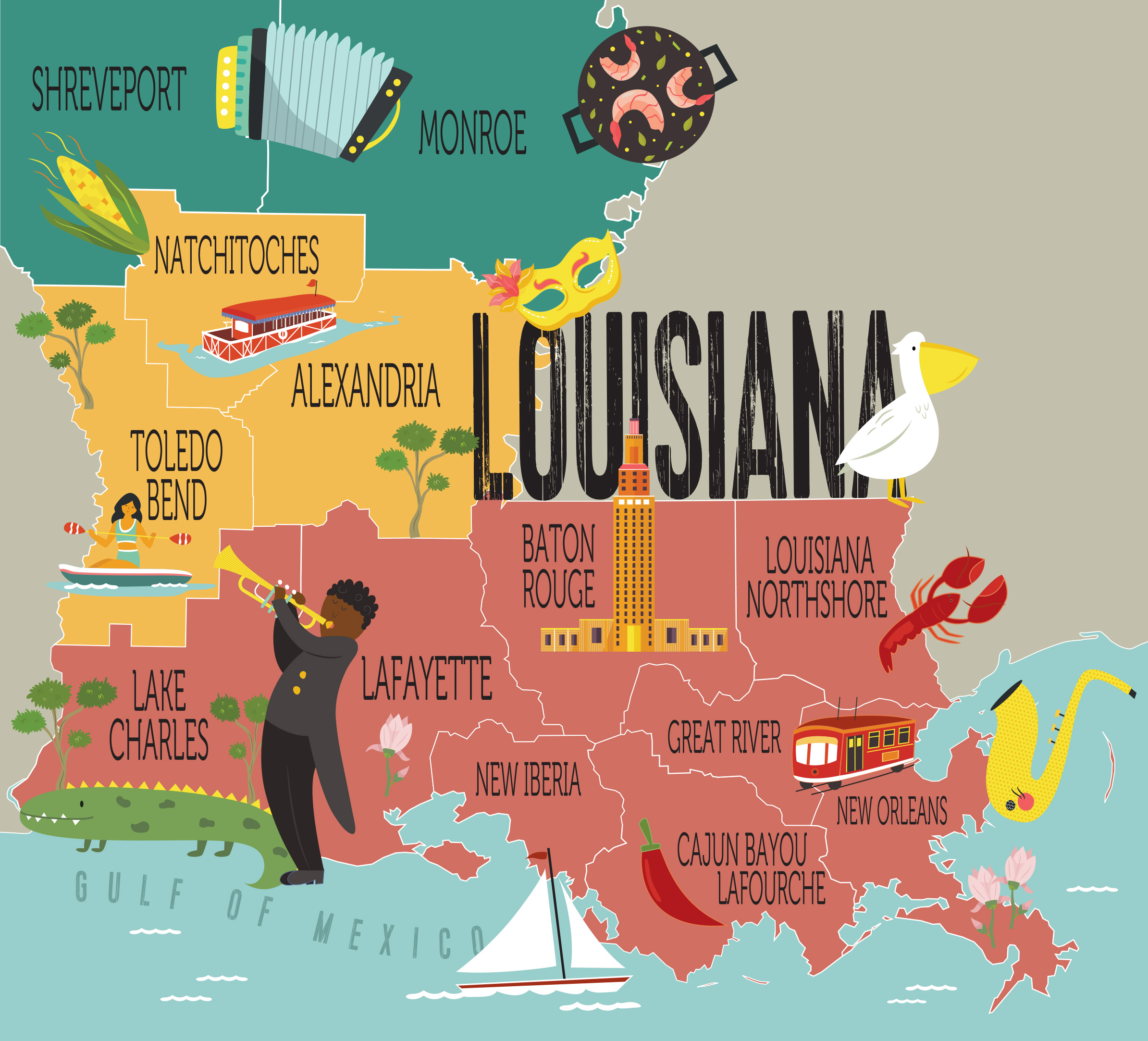
The vast, watery landscape of southwestern Louisiana is famously known as the Bayou Teche region, though the term “bayou” broadly refers to any slow-moving stream or marshy area in the state. Residents of these areas are often referred to as “Bayoumen” or, more broadly, as Cajuns. This identity is strongly tied to a specific dialect, a love for hearty, flavorful food (like gumbo and crawfish étouffée), lively accordion music, and a deep respect for the natural environment.
Cajun vs. Creole: A Nuance in Identity
It is crucial to distinguish between Cajun and Creole, as these terms represent distinct cultural groups within Louisiana, particularly in the context of New Orleans and its environs.
- Cajuns are primarily descendants of the Acadian exiles who settled in the prairies and bayous of southwestern Louisiana. Their culture is often perceived as more rural, with a strong connection to French folk traditions.
- Creoles, on the other hand, emerged from a more diverse mix of European, African, and Caribbean heritage, often concentrated in urban centers like New Orleans. Creole culture is known for its refined cuisine, influenced by French and Spanish haute cuisine, and its role in the development of jazz music.
While these distinctions are historically significant, modern Louisiana sees considerable cultural crossover and intermingling between these groups. Many individuals identify as both Cajun and Creole, or simply as Louisianans proud of their multifaceted heritage.
Other Regional Designations
- Uptowners and Downtowners (New Orleans): In New Orleans, social and cultural distinctions have historically been drawn between “Uptowners” (often associated with wealthier, established families and grander neighborhoods) and “Downtowners” (historically referring to the working-class neighborhoods and the more bohemian elements). These are more social identifiers than ethnic ones but contribute to the unique character of the city.
- “Rednecks” and “Country Folk”: In more rural parts of Louisiana, terms like “redneck” or “country folk” might be used, often with a sense of self-deprecating pride or as a descriptor for a lifestyle closely tied to agriculture and outdoor activities. These terms are more colloquial and can carry varying connotations depending on the speaker and context.
The Essence of Being a Louisianan
Beyond the labels, what defines a “Louisianan” is a shared spirit of resilience, a profound connection to history and tradition, and an embrace of life’s pleasures. This manifests in several key aspects:
Culinary Heritage
Louisiana’s food is legendary, and its culinary traditions are a powerful unifier. The state is famous for its unique Creole and Cajun cuisines, which are celebrated worldwide. Whether it’s a bowl of rich gumbo, a spicy plate of crawfish étouffée, or the sweet delight of a beignet from Café Du Monde, food is central to the identity and social gatherings of Louisianans. The emphasis on fresh, local ingredients and the communal joy of sharing a meal is a defining characteristic.
Music and Festivities
The soundscape of Louisiana is as vibrant as its people. From the birthplace of jazz in New Orleans to the lively Cajun two-step, music is woven into the fabric of daily life. Festivals, parades, and second-line marches are not just events but expressions of community spirit and cultural pride. The state is renowned for its numerous celebrations, including the world-famous Mardi Gras in New Orleans, the Jazz Fest, and countless smaller, local events that highlight specific cultural traditions.
Resilience and Adaptation
Living in a state frequently impacted by natural phenomena like hurricanes and floods has fostered a remarkable sense of resilience among Louisianans. This spirit of bouncing back, helping neighbors, and rebuilding communities is a testament to the strength and character of its people. Their ability to adapt to their environment, whether it’s the wetlands or the urban landscape, shapes a pragmatic yet spirited outlook.
A Sense of Place
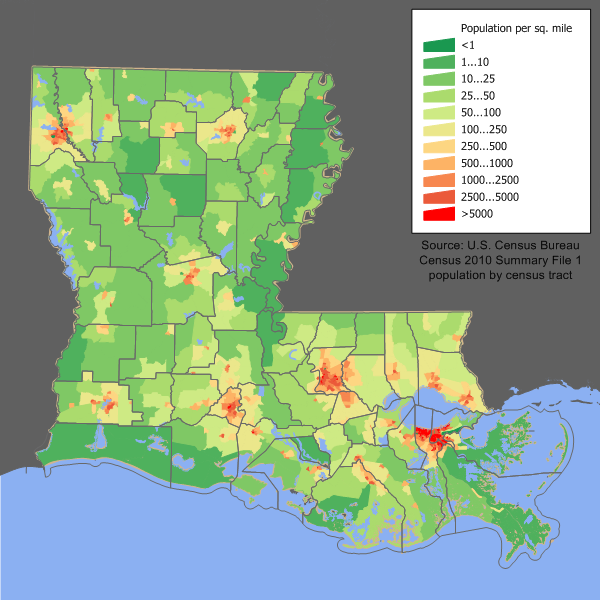
Perhaps more than anything, being a Louisianan is about a profound connection to the state itself. This includes its unique geography – the swamps, bayous, prairies, and coastlines – its distinctive architecture, its complex history, and its captivating blend of cultures. There is a deep-seated pride in what makes Louisiana different, a feeling of belonging to a place that is unlike any other in the United States.
In conclusion, while the simple answer to “What are people in Louisiana called?” is “Louisianans,” the reality is a rich tapestry of identities. “Louisianan” encompasses the descendants of French, Spanish, African, and Native American peoples, as well as later immigrants. It includes the distinct cultures of Cajuns and Creoles, and the myriad regional identities that flourish across the state. It is a term that signifies not just residence, but a shared heritage, a love for life’s sensory pleasures, and an enduring spirit of community.
LifeOutOfTheBox is a participant in the Amazon Services LLC Associates Program, an affiliate advertising program designed to provide a means for sites to earn advertising fees by advertising and linking to Amazon.com. Amazon, the Amazon logo, AmazonSupply, and the AmazonSupply logo are trademarks of Amazon.com, Inc. or its affiliates. As an Amazon Associate we earn affiliate commissions from qualifying purchases.