
Understanding the time zone in Louisiana is a fundamental aspect of planning any trip to this vibrant Southern state. Whether you’re coordinating flights into New Orleans or scheduling a leisurely drive through the Cajun Country, knowing the local time ensures smooth transitions and avoids any missed reservations or tours. This guide will demystify Louisiana’s time zone, its implications for travelers, and practical tips for navigating time differences.
The Central Time Zone: Louisiana’s Temporal Anchor
The entirety of the state of Louisiana observes the Central Time Zone. This encompasses two distinct standard times throughout the year: Central Standard Time (CST) and Central Daylight Time (CDT).
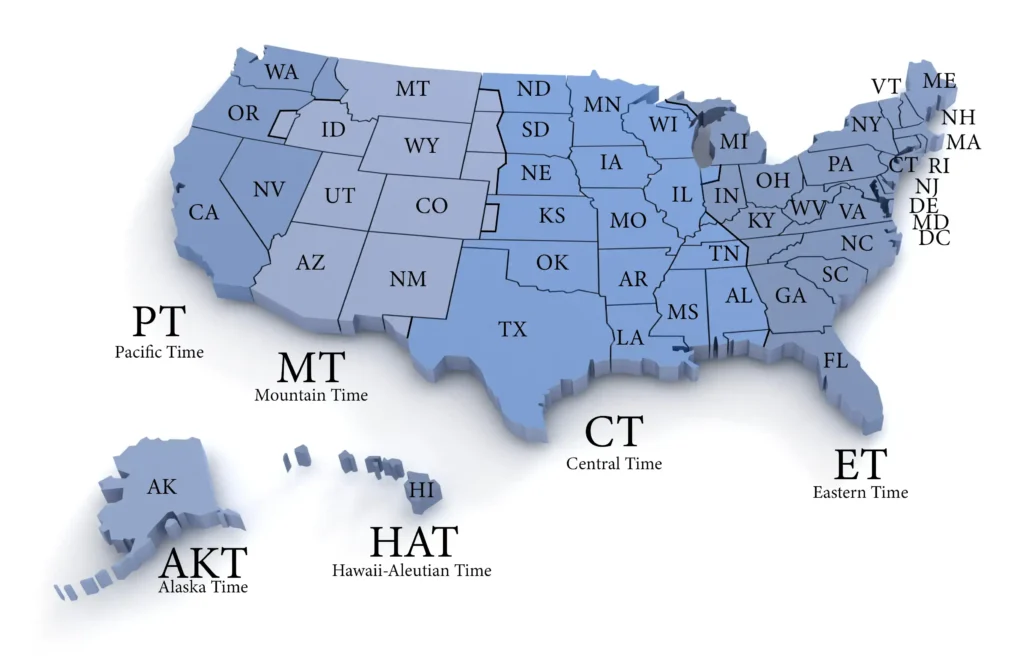
Central Standard Time (CST)
During the fall and winter months, Louisiana operates on Central Standard Time (CST). This is the baseline time for the region. CST is UTC-6, meaning it is six hours behind Coordinated Universal Time. For travelers originating from Europe or Africa, this will mean a significant jump forward in hours. For instance, when it is noon CST, it is 6 PM UTC. For those traveling from the West Coast of the United States, such as California, CST is three hours ahead. A traveler departing Los Angeles at 10 AM PST would arrive in New Orleans at approximately 4 PM CST, assuming a direct flight duration and accounting for the time difference.
Central Daylight Time (CDT)
Like most of the United States, Louisiana observes Daylight Saving Time. From the second Sunday in March to the first Sunday in November, the state switches to Central Daylight Time (CDT). CDT is UTC-5, effectively shifting the clock forward by one hour. This means that during these months, Louisiana is five hours behind Coordinated Universal Time. For someone in New York observing Eastern Daylight Time (EDT), which is also UTC-5, Louisiana will be in the same time zone. However, when Louisiana is on CST and New York is on EST (UTC-5), Louisiana is one hour behind.
The switch to and from Daylight Saving Time can sometimes cause minor confusion, especially if you are traveling across state lines that have different DST practices (though this is rare within the contiguous United States). However, for the traveler in Louisiana, the transition is generally seamless within the state itself.
Navigating Time Differences for Travelers
Understanding Louisiana’s time zone is crucial for seamless travel arrangements. This involves considering your departure point and the duration of your journey.
International Travel Considerations
For international travelers, the adjustment to the Central Time Zone can be significant.
- From Europe: Travelers from the United Kingdom (which observes GMT/BST) will find Louisiana to be 6 hours ahead during CST and 5 hours ahead during CDT. For example, a 9 AM flight departure from London would mean arriving in New Orleans around mid-afternoon local time.
- From Asia: The time difference from most Asian countries is even more pronounced. From Tokyo (JST, UTC+9), Louisiana is 15 hours behind during CST and 14 hours behind during CDT. This means a departure on Tuesday evening from Tokyo might see you arriving in Louisiana on the same day, Tuesday, in the afternoon or evening.
- From Australia: Similarly, travelers from Sydney (AEST, UTC+10) will be facing a substantial time difference, with Louisiana being 16 hours behind during CST and 15 hours behind during CDT.
These significant time differences necessitate careful planning to combat jet lag. Upon arrival, it’s often recommended to immediately adopt the local time for meals and sleep to help your body adjust more quickly.
Domestic Travel Within the United States
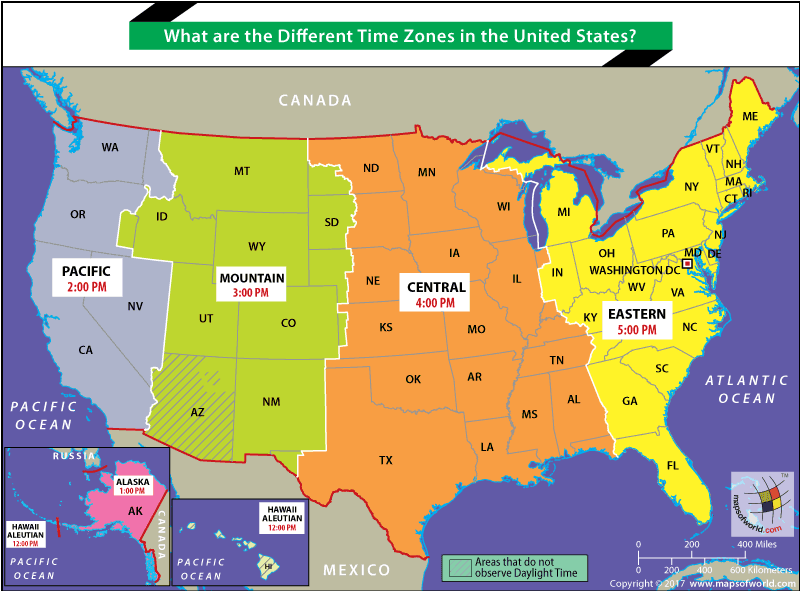
Within the United States, the primary consideration is the difference between time zones.
- Eastern Time Zone (ET): States in the Eastern Time Zone, such as New York and Florida, are one hour ahead of Louisiana during CST (ET is UTC-5, CST is UTC-6). When Louisiana is on CDT (UTC-5), it aligns with EDT (UTC-5). This means a 10 AM flight from Miami would arrive in Baton Rouge at roughly 11 AM local time, assuming a direct flight and during the period when both observe DST.
- Mountain Time Zone (MT): States in the Mountain Time Zone, such as Colorado, are one hour behind Louisiana during CST (MT is UTC-7, CST is UTC-6). During CDT, the difference becomes two hours (MT is UTC-7, CDT is UTC-5). A 1 PM flight from Denver would arrive in Shreveport around 3 PM local time, accounting for the two-hour difference if both states are observing Daylight Saving Time.
- Pacific Time Zone (PT): The Pacific Time Zone, encompassing California and Washington, is three hours behind Louisiana during CST (PT is UTC-8, CST is UTC-6). During CDT, the difference is two hours (PT is UTC-8, CDT is UTC-5). This makes for a more significant time adjustment when flying from the West Coast.
Practical Travel Tips
To ensure your travel plans run smoothly, consider these practical tips related to Louisiana’s time zone:
- Confirm Flight Times: Always double-check flight schedules and confirm arrival and departure times in local Louisiana time. Airlines typically display this clearly, but it’s wise to verify.
- Bookings and Reservations: When making hotel reservations at establishments like the Windsor Court Hotel in New Orleans or booking tours of the French Quarter, ensure you are using local Louisiana time for check-in, tour start times, and dining reservations.
- Communication: Inform friends and family of your arrival time in Louisiana and the local time zone to avoid missed calls or inconvenient communication times.
- Device Synchronization: Most smartphones and smartwatches automatically update to the local time zone when you connect to cellular service or Wi-Fi. However, it’s good practice to ensure this is enabled before your trip.
- Daylight Saving Time Awareness: Be mindful of the dates for the start and end of Daylight Saving Time. If your travel spans these transition periods, ensure you are aware of the time change.
The Impact on Local Activities and Attractions
Understanding the time zone in Louisiana is not just about coordinating travel; it also affects how you experience the state’s rich culture and attractions.
Morning, Afternoon, and Evening Experiences
Louisiana’s allure extends from sun-drenched mornings exploring the Garden District to vibrant evenings enjoying jazz in Frenchmen Street.
- Morning Activities: Many historical tours, swamp tours, and plantation visits in areas like the Mississippi River Delta begin in the morning. Knowing the local time ensures you are ready at the designated departure point, whether it’s a historical walking tour of St. Augustine Catholic Church in New Orleans or an early morning fishing trip on Lake Pontchartrain.
- Afternoon Explorations: The afternoon is often ideal for exploring museums like The National WWII Museum or enjoying a leisurely lunch at a renowned restaurant such as Commander’s Palace. The Central Time Zone dictates when these establishments open and close, and when specific events or exhibits are accessible.
- Evening Entertainment: Louisiana truly comes alive after dark. From live music venues to culinary experiences, understanding local time is key. For instance, booking a dinner reservation at 7 PM in the French Quarter means enjoying your meal while the rest of the country might still be in its late afternoon. This temporal alignment (or misalignment) with other parts of the country is part of what gives Louisiana’s atmosphere its unique rhythm.

Sunrise and Sunset Times
The timing of sunrise and sunset directly impacts outdoor activities and scenic viewing opportunities.
- Summer Solstice: During the summer months when Louisiana is on CDT, days are longest. Sunrise can occur as early as 5:30 AM CDT, and sunset not until after 8:00 PM CDT. This provides ample daylight for exploring the bayous or enjoying a sunset cruise on the Mississippi River.
- Winter Solstice: Conversely, during the winter months on CST, days are shortest. Sunrise might be closer to 7:00 AM CST, and sunset around 5:00 PM CST. This means that popular attractions might close earlier, and evening activities need to be scheduled accordingly. Planning to visit a historic plantation like Oak Alley Plantation requires an awareness of the earlier sunset times to make the most of the daylight hours for photography and exploration.
By grasping the nuances of the Central Time Zone as it applies to Louisiana, travelers can fully immerse themselves in the state’s rich tapestry of experiences, from its historic landmarks to its unparalleled culinary scene, ensuring every moment is timed perfectly for enjoyment and discovery.
LifeOutOfTheBox is a participant in the Amazon Services LLC Associates Program, an affiliate advertising program designed to provide a means for sites to earn advertising fees by advertising and linking to Amazon.com. Amazon, the Amazon logo, AmazonSupply, and the AmazonSupply logo are trademarks of Amazon.com, Inc. or its affiliates. As an Amazon Associate we earn affiliate commissions from qualifying purchases.