
Understanding the demographic landscape of Louisiana is crucial for appreciating the rich tapestry of its local culture, vibrant food, and diverse activities. The state’s history, deeply intertwined with the legacy of slavery and the Civil Rights Movement, has shaped a significant African American presence that continues to influence its identity today. This demographic reality is not merely a statistic; it’s a living, breathing element that informs the music, art, cuisine, and social fabric of the Pelican State.
The demographic composition of Louisiana reflects a complex history of migration, settlement, and societal evolution. The African American population in Louisiana is one of the largest and most historically significant in the United States. This enduring presence has created unique cultural expressions that are celebrated throughout the state, from the jazz clubs of New Orleans to the Creole communities along the coast. Exploring Louisiana through the lens of its demographics offers a deeper understanding of the forces that have shaped its distinctive character and continue to drive its cultural development.
Historical Roots and Demographic Significance
The African American population in Louisiana is a direct result of the transatlantic slave trade and the subsequent history of the state. Enslaved Africans were brought to the region to work on sugar and cotton plantations, laying the foundation for a large and distinct African American community. Over centuries, these communities developed unique linguistic traditions, religious practices, and culinary heritage, often blending African traditions with those of the French and Spanish colonizers, as well as Native American influences.
The Enduring Legacy of Slavery
The institution of slavery in Louisiana was particularly brutal, especially on the sugar plantations where the mortality rates were exceedingly high. Despite these harsh conditions, enslaved people developed resilient communities and cultural practices that have endured to this day. The unique Creole culture, with its distinct language, music, and cuisine, is a testament to the creative spirit and cultural preservation efforts of these early African American settlers. The impact of this history is palpable in the architecture, the music, and the very spirit of Louisiana.
Post-Emancipation and the Great Migration
Following the Civil War and emancipation, African Americans in Louisiana faced new challenges, including systemic discrimination and Jim Crow laws. However, they also began to build institutions, establish businesses, and engage in political activism. The Great Migration saw many African Americans leave the rural South for urban centers in the North and West, seeking better economic opportunities and escaping racial oppression. Yet, a significant portion remained in Louisiana, continuing to shape the state’s social and cultural landscape.
The Civil Rights Movement in Louisiana
Louisiana was a crucial battleground during the Civil Rights Movement. African Americans, alongside allies, fought against segregation and disenfranchisement through nonviolent protests, boycotts, and legal challenges. Figures like A. P. Ture (Stokely Carmichael) and the efforts in cities like New Orleans were instrumental in pushing for federal civil rights legislation. The ongoing struggle for equality has left an indelible mark on the state, fostering a strong sense of community and a continued commitment to social justice.
Understanding Current Demographics: Numbers and Nuances
While historical context is vital, understanding the current demographic composition of Louisiana provides insight into the present-day social dynamics and cultural vibrancy. The percentage of Black or African American individuals in Louisiana is notably higher than the national average, contributing to the state’s unique identity.
The Percentage Breakdown
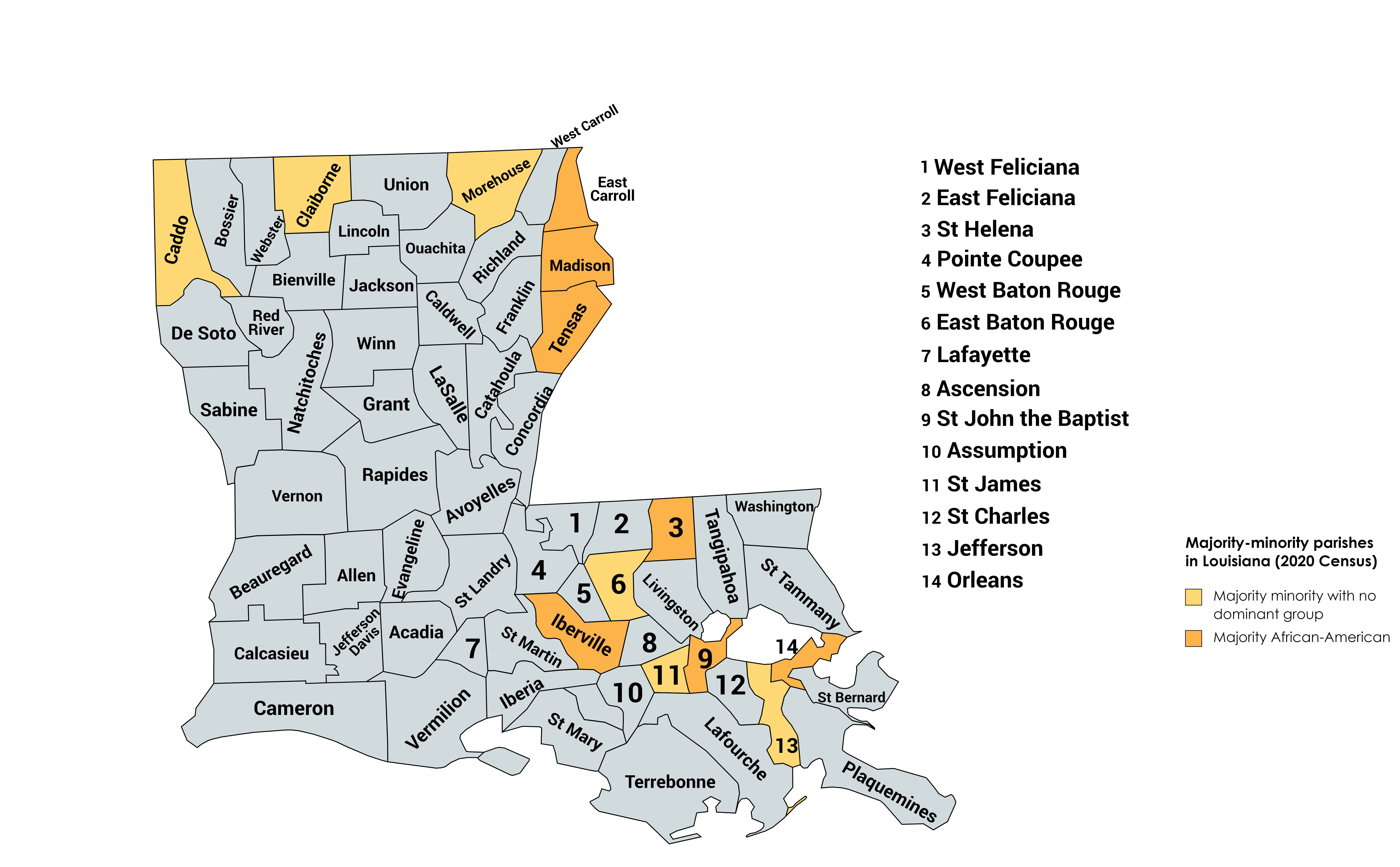
According to recent census data, the Black or African American population constitutes a significant portion of Louisiana’s residents. While exact figures can fluctuate slightly with each new census and survey, consistently, African Americans represent a substantial minority within the state. This demographic reality is a defining characteristic of Louisiana, influencing everything from political representation to cultural trends.
Geographic Distribution
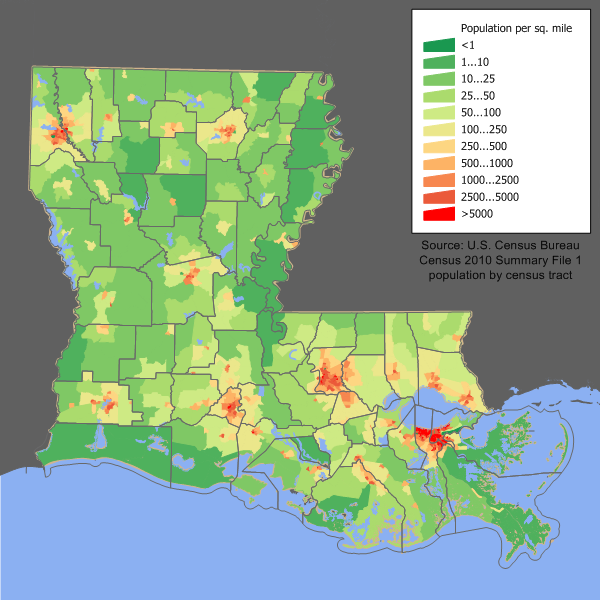
The Black population in Louisiana is not evenly distributed. Historically, large Black communities have been concentrated in areas with a history of plantation agriculture, particularly along the Mississippi River Delta and in the northern part of the state. Cities like New Orleans, Baton Rouge, and Shreveport have substantial African American populations, forming vibrant urban centers of culture and commerce. Rural parishes also maintain significant Black populations, preserving distinct traditions and ways of life.
Socioeconomic Factors and Trends
Understanding the demographic percentage also necessitates acknowledging the socioeconomic factors that affect the African American community in Louisiana. Like many other states, Louisiana grapples with issues of economic inequality, educational disparities, and healthcare access that disproportionately impact its Black residents. However, there are also significant ongoing efforts in entrepreneurship, community development, and education aimed at improving these conditions and fostering greater prosperity.
The Cultural Resonance of Louisiana’s Black Population
The significant presence of African Americans in Louisiana is not just a demographic fact; it is the very lifeblood of the state’s renowned cultural offerings. The influence is so pervasive that it’s impossible to discuss Louisiana without acknowledging the contributions of its Black citizens.
Music: The Birthplace of Jazz and Beyond
Louisiana, particularly New Orleans, is globally recognized as the birthplace of jazz. This revolutionary musical genre, with its improvisational nature and rhythmic complexity, emerged from the unique cultural milieu of Congo Square and the vibrant Black communities of the city. From the early pioneers like Buddy Bolden to the iconic sounds of Louis Armstrong, the legacy of Black musicians is undeniable. Beyond jazz, the influence extends to blues, R&B, gospel, and modern hip-hop, all deeply rooted in the African American experience in Louisiana.
Cuisine: A Flavorful Fusion
Louisiana’s celebrated cuisine is a delicious testament to the culinary artistry of its African American and Creole populations. Dishes like gumbo, jambalaya, étouffée, and beignets are staples that showcase a rich fusion of West African, French, Spanish, and Native American culinary traditions. The use of indigenous ingredients, coupled with sophisticated cooking techniques, has created a gastronomic landscape that draws visitors from around the world. Exploring the food scene in Louisiana is an immersion into the history and culture of its Black communities.
Art, Literature, and Storytelling
The artistic expressions of African Americans in Louisiana are diverse and profound. From the vibrant folk art and crafts to the powerful literary voices that have emerged from the state, there is a rich tradition of storytelling and creative expression. Writers like Dorothy Dix and poets have captured the experiences, struggles, and triumphs of Black life in Louisiana. The visual arts also reflect this heritage, with artists drawing inspiration from history, spirituality, and the unique landscapes of the region.
Festivals and Celebrations
The cultural calendar of Louisiana is punctuated by numerous festivals and celebrations that highlight its African American heritage. These events, such as Mardi Gras in New Orleans with its Black Indian traditions, Black History Month events, and various music festivals, offer visitors an opportunity to experience the community’s vibrant spirit firsthand. These gatherings are not just entertainment; they are living embodiments of cultural resilience, pride, and continuity.
Experiencing Louisiana Through its Demographic Lens
For travelers seeking an authentic and enriching experience of Louisiana, understanding and engaging with its demographic makeup is essential. This perspective opens doors to a deeper appreciation of the state’s history, culture, and people.
Exploring Cultural Hotspots
To truly grasp the impact of the Black population on Louisiana, consider visiting key cultural hubs. New Orleans offers a wealth of experiences, from the historic Tremé neighborhood, known for its jazz heritage, to the New Orleans Museum of Art and its extensive collection of African American art. In Baton Rouge, the Old State Capitol and the Louisiana State Museum provide insights into the state’s history, including its significant Black contributions. Exploring smaller towns and rural communities can reveal unique traditions and a more intimate glimpse into local life.
Engaging with Local Culture
Participating in local activities and events is a prime way to connect with the diverse communities of Louisiana. Seek out live music venues featuring local jazz and blues artists, particularly in neighborhoods with a strong Black heritage. Attend food festivals that celebrate Creole and Southern cuisine, and sample dishes from local chefs and home cooks. Engaging with community leaders and cultural organizations can offer guided tours and historical narratives that provide invaluable context.

Understanding the Nuances of Travel
When planning a trip to Louisiana, understanding the demographic composition enriches the travel experience by providing a framework for interpreting the cultural landscape. It encourages a more thoughtful approach to tourism, moving beyond superficial attractions to explore the historical narratives and living traditions that have shaped the state. By acknowledging and celebrating the significant percentage of Black residents, visitors can gain a more profound and authentic appreciation for the unique allure of Louisiana.
In conclusion, the question “What Percentage Of Louisiana Is Black?” opens a portal into the state’s rich history, vibrant culture, and complex social fabric. It is a number that signifies a profound and enduring presence, shaping the unique identity of Louisiana and offering visitors an unparalleled journey into its soul.
LifeOutOfTheBox is a participant in the Amazon Services LLC Associates Program, an affiliate advertising program designed to provide a means for sites to earn advertising fees by advertising and linking to Amazon.com. Amazon, the Amazon logo, AmazonSupply, and the AmazonSupply logo are trademarks of Amazon.com, Inc. or its affiliates. As an Amazon Associate we earn affiliate commissions from qualifying purchases.