
Louisiana’s unique climate and geography create a gardening environment unlike any other in the United States. Understanding the state’s planting zones is fundamental for anyone looking to cultivate a successful garden, whether for ornamental beauty, a bountiful harvest, or an immersive experience in the state’s rich agricultural heritage. This guide delves into the specific planting zones that define Louisiana, offering insights into how these classifications impact everything from the selection of vibrant flowers to the cultivation of staple crops that are integral to Louisiana’s culinary identity.
The concept of planting zones, formally known as Hardiness Zones, was developed by the United States Department of Agriculture (USDA) to help gardeners and growers determine which perennial plants are most likely to survive the winter in a particular location. These zones are based on the average annual extreme minimum winter temperature. For Louisiana, this translates into a primarily warm climate, but with subtle variations that can influence gardening choices across the state.
Understanding USDA Plant Hardiness Zones in Louisiana
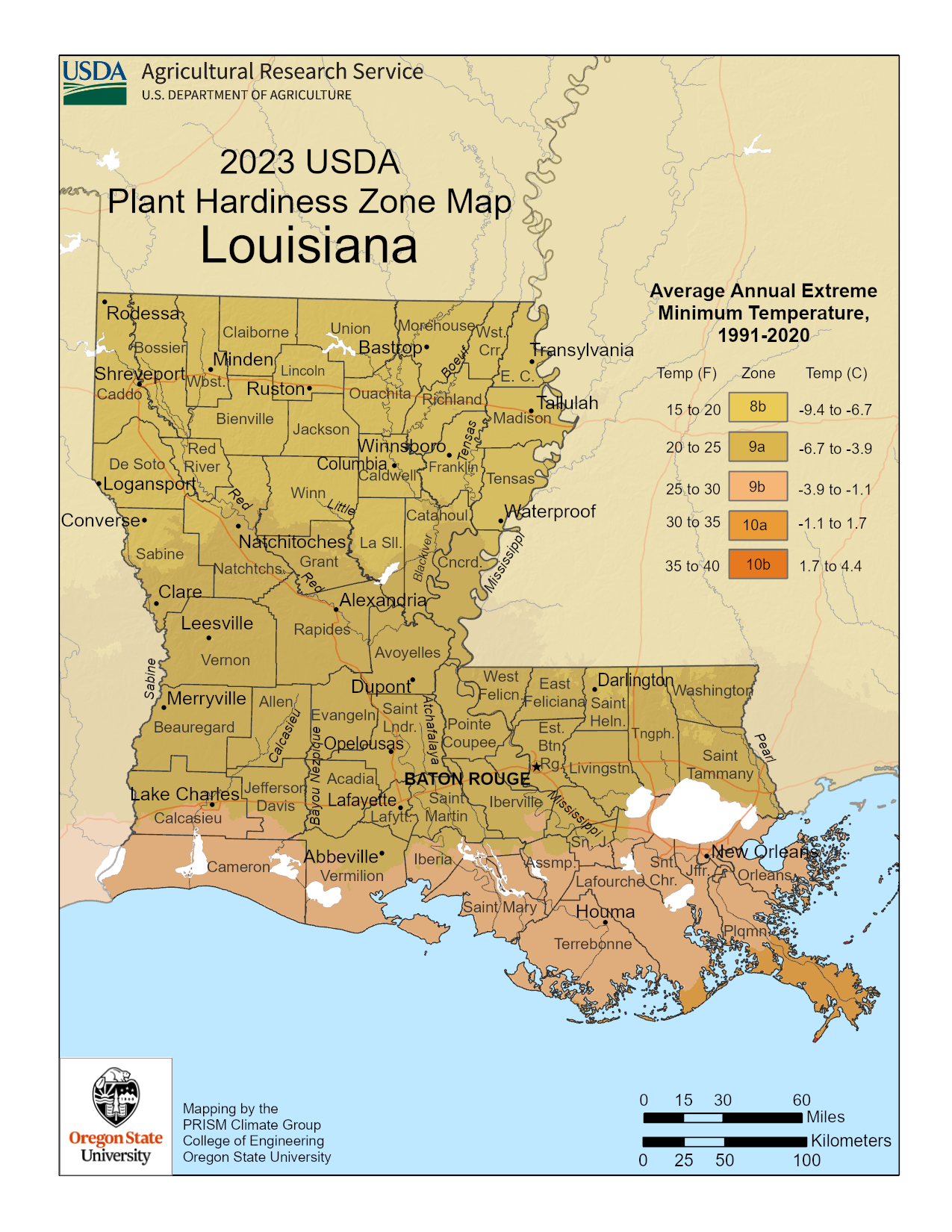
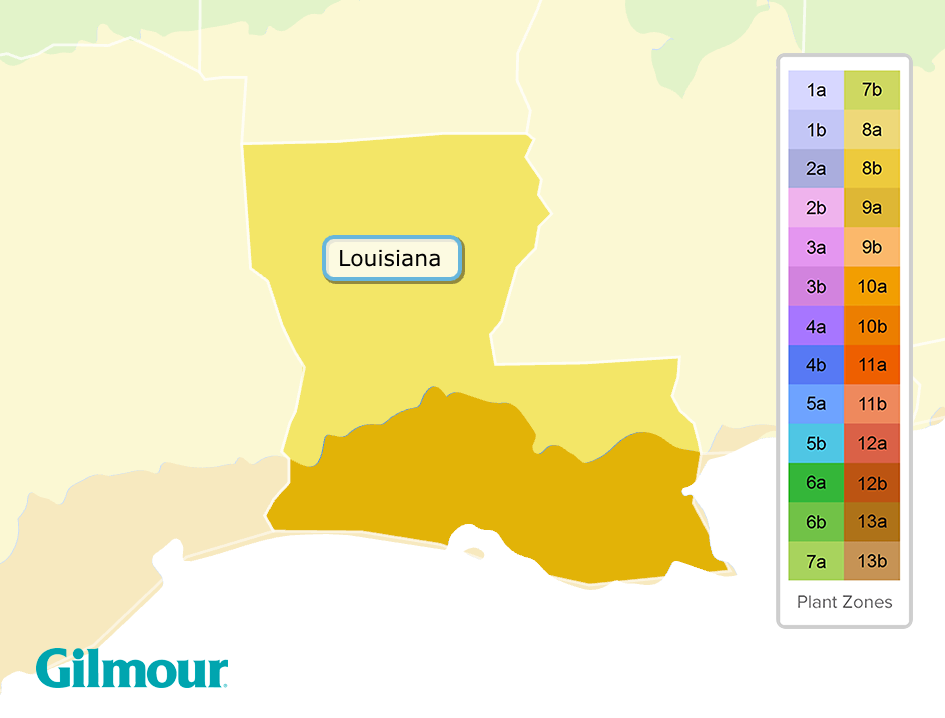
Louisiana falls predominantly within two USDA Hardiness Zones: Zone 8 and Zone 9, with a small portion extending into Zone 7 in the northernmost areas. This classification is crucial because it directly correlates to the lowest average winter temperatures a plant will encounter.
Zone 7: The Northern Edge
The northern parishes of Louisiana, including areas around Shreveport and Monroe, are largely situated in USDA Zone 7. This zone experiences average annual minimum winter temperatures ranging from 0°F to 10°F (-18°C to -12°C). While still considered a warm zone compared to much of the northern United States, this cooler edge allows for a wider variety of cold-hardy plants that might struggle in the more southerly regions. Gardeners in Zone 7 can experiment with plants that require a slightly cooler winter dormancy period.
Zone 8: The Central Belt
The majority of Louisiana resides within USDA Zone 8, characterized by average annual minimum winter temperatures between 10°F and 20°F (-12°C to -7°C). This zone encompasses major cities like Baton Rouge, Lafayette, and stretches across the central part of the state. Zone 8 is ideal for a vast array of subtropical plants, ornamental shrubs, and a wide selection of vegetables that thrive in milder winters. Many popular Louisiana flora and fauna are well-suited to this zone.
Zone 9: The Coastal South
The southernmost regions of Louisiana, particularly along the Gulf Coast and the delta areas near New Orleans, fall into USDA Zone 9. This zone has average annual minimum winter temperatures ranging from 20°F to 30°F (-7°C to -1°C). The presence of warm waters from the Gulf of Mexico significantly moderates the temperatures, making Zone 9 the warmest hardiness zone in the state. This allows for the cultivation of a broader range of heat-loving and frost-sensitive plants, including many tropical varieties and citrus fruits.
Implications for Gardening and Local Culture
The specific planting zone in Louisiana profoundly influences the types of plants that can be successfully grown, thereby shaping local gardening practices, landscape designs, and even the state’s renowned cuisine. Understanding these zones allows residents and visitors alike to engage more deeply with the natural beauty and agricultural richness of the state.
Ornamental Gardens and Landscape Design
The planting zones dictate the palette of ornamental plants available to gardeners. In Zone 7, while still mild, gardeners might opt for varieties of roses, hydrangeas, and deciduous trees that benefit from a distinct seasonal change. As one moves south into Zone 8, the focus shifts towards plants that can tolerate warmer winters and longer growing seasons. Think of vibrant azaleas, camellias, and ornamental grasses that provide year-round interest.
In Zone 9, the subtropical influence truly shines. Here, gardeners can explore tropical hibiscus, palms, and anthuriums, which would likely not survive the colder nights in the northern parts of the state. This zone also supports the cultivation of citrus trees like oranges, lemons, and grapefruit, adding a unique Mediterranean flair to Louisiana landscapes. The abundance of flowering plants in these warmer zones contributes to the picturesque beauty of historic districts in cities like New Orleans and the charming garden estates found throughout the state.
Vegetable Cultivation and Culinary Traditions
Louisiana’s culinary landscape is deeply intertwined with its agricultural output. The planting zones directly impact what vegetables can be grown and when, influencing the availability of fresh produce that forms the basis of iconic dishes.
In the cooler Zone 7, early spring vegetables like peas and lettuces can be planted earlier, while fall gardens might include broccoli and cabbage. Zone 8 offers a longer growing season for a wide variety of produce. Tomatoes, peppers, squash, and beans thrive here. The ability to grow a continuous supply of certain vegetables extends the harvest season, which is vital for home gardens and local farmers’ markets.
Zone 9, with its mild winters, allows for year-round vegetable gardening for many crops. Root vegetables like carrots and radishes can be planted in the fall and winter. It’s also the prime zone for growing crops that are sensitive to frost, such as sweet potatoes, okra, and the various types of peppers that are essential to Cajun and Creole cooking. The extended season also supports the growth of crops like sugarcane, a vital commodity in the state’s history and economy. The famous Louisiana strawberry season, for instance, benefits from the mild winters of zones 8 and 9, with harvests often beginning in late fall or early winter in the warmest areas.
Fruit Trees and Backyard Orchards
The ability to grow specific fruit trees is heavily dependent on the planting zone. While apples and pears might be more challenging in the warmer southern zones, they can often be successfully grown in the slightly cooler Zone 7 with appropriate cultivar selection.
Zones 8 and 9 are ideal for a much broader range of fruit-bearing trees. Peaches, plums, and figs flourish across these zones, providing delicious seasonal fruits. As mentioned earlier, citrus trees are a hallmark of Zone 9, allowing residents to enjoy homegrown oranges, lemons, and kumquats. Pecans, a native Louisiana nut tree, are also well-adapted to the state’s climate and are grown across all zones, with particularly strong production in the northern and central regions. The cultivation of these fruits and nuts not only provides fresh food but also contributes to the state’s agricultural identity and the bounty available at local markets and festivals like the Tangipahoa Parish Strawberry Festival.
Adapting Gardening Practices to Louisiana’s Zones
While the USDA zones provide a foundational understanding, successful gardening in Louisiana also requires an awareness of microclimates, soil types, and the state’s humid subtropical climate.
Microclimates and Site Selection
Even within a specific zone, variations in microclimate can significantly impact plant survival and growth. Proximity to large bodies of water, such as the Mississippi River or the Gulf of Mexico, can moderate temperatures, creating warmer pockets. Urban areas, with their “heat island” effect, can also be a few degrees warmer than surrounding rural landscapes. Conversely, low-lying areas or those prone to frost pockets might experience colder temperatures than indicated by the general zone. Careful observation of your specific garden site is key.
Soil and Water Management
Louisiana’s soils vary considerably, from the alluvial soils of the Mississippi River delta to the sandy loams of the Florida Parishes. Many areas also have heavy clay soils that can become waterlogged. Understanding your soil type and amending it appropriately is crucial for successful planting. Good drainage is particularly important in a region that experiences significant rainfall, especially during hurricane season.
Water management is another critical consideration. While Louisiana receives ample rainfall, extended dry spells can occur. The hot, humid summers can also increase the risk of fungal diseases, making appropriate watering practices essential. Mulching helps retain soil moisture and suppress weeds, which are abundant in the warm climate.

Choosing the Right Plants
When selecting plants, it’s always best to look for varieties specifically recommended for your USDA zone and for the humid conditions prevalent in Louisiana. Native plants are often an excellent choice as they are naturally adapted to the local climate, soil, and environmental conditions, requiring less maintenance and providing habitat for local wildlife. For example, the Louisiana Iris is a group of native irises perfectly suited to the state’s wet, warm conditions.
Local nurseries and agricultural extension offices are invaluable resources for determining which specific cultivars will perform best in your area. They can provide tailored advice on everything from perennial flowers and shrubs to vegetable varieties and fruit trees. Engaging with local gardening communities can also offer practical insights and shared experiences, fostering a deeper connection to the unique horticultural landscape of Louisiana. By understanding the planting zones and adapting practices accordingly, gardeners in the Pelican State can create thriving, beautiful, and productive outdoor spaces that celebrate the state’s distinct natural heritage.
LifeOutOfTheBox is a participant in the Amazon Services LLC Associates Program, an affiliate advertising program designed to provide a means for sites to earn advertising fees by advertising and linking to Amazon.com. Amazon, the Amazon logo, AmazonSupply, and the AmazonSupply logo are trademarks of Amazon.com, Inc. or its affiliates. As an Amazon Associate we earn affiliate commissions from qualifying purchases.