
Understanding the current time in New Orleans, Louisiana, is more than just a simple numerical answer; it’s a fundamental piece of information for any traveler planning their adventure in this vibrant Southern metropolis. Whether you’re coordinating flights, booking tours, or simply trying to catch a jazz performance at the right hour, knowing the local time is essential for a seamless experience. New Orleans observes the Central Time Zone, which is subject to Daylight Saving Time.
Navigating Time Zones and Daylight Saving in New Orleans
The temporal landscape of New Orleans is governed by the Central Time Zone (CT). This zone encompasses a significant portion of the central United States, stretching from Texas eastward through parts of the Midwest and South. During standard time, Central Standard Time (CST) is UTC-6, meaning it is six hours behind Coordinated Universal Time (UTC).

However, like most of the United States, New Orleans participates in Daylight Saving Time (DST). This annual shift typically begins on the second Sunday in March, when clocks are moved forward by one hour, transitioning to Central Daylight Time (CDT). CDT is UTC-5. The switch back to CST occurs on the first Sunday in November. These changes are crucial for travelers to be aware of, as they can impact flight schedules, meeting times, and the perceived duration of daylight for sightseeing.
Standard Time vs. Daylight Time: When Clocks Change
The implementation of Daylight Saving Time in the United States, including in New Orleans, is a well-established practice designed to make better use of natural daylight.
-
Central Standard Time (CST): This is the time observed from early November to mid-March. During CST, New Orleans is six hours behind Coordinated Universal Time (UTC-6). This period offers longer daylight hours in the mornings.
-
Central Daylight Time (CDT): This is the time observed from mid-March to early November. During CDT, clocks are advanced by one hour, making New Orleans five hours behind Coordinated Universal Time (UTC-5). This shift is intended to provide more daylight in the evenings, beneficial for recreational activities after work or school.
Travelers should always verify the current date and time relative to their departure point and their intended arrival in New Orleans to account for any time zone differences and the potential impact of Daylight Saving Time. Many online tools and device settings automatically adjust for these changes, but vigilance is still recommended when planning critical travel arrangements.
The Impact of Time on Your New Orleans Itinerary
Understanding the time in New Orleans directly influences how you experience the city’s diverse offerings.
-
Flights and Travel: Booking flights requires precise knowledge of arrival and departure times, especially when crossing multiple time zones. A seemingly short flight can involve significant time differences, impacting your first day’s schedule.
-
Attractions and Tours: Many of New Orleans’s iconic attractions, such as the French Quarter tours, plantation visits, and swamp excursions, operate on fixed schedules. Knowing the local time ensures you don’t miss a pre-booked tour or find yourself arriving at a landmark after closing. For instance, ghost tours in the French Quarter are typically evening affairs, and their start times are dictated by CDT or CST.
-
Dining Experiences: New Orleans is renowned for its culinary scene. From brunch spots to late-night jazz clubs, reservation times are paramount. The vibrant nightlife often kicks off later in the evening, and understanding when that “later” actually is in the local time zone is key.
-
Cultural Events and Performances: Live music is the heartbeat of New Orleans. Jazz clubs on Frenchmen Street, performances at the New Orleans Jazz & Heritage Festival (Jazz Fest), and Mardi Gras parades all operate on strict schedules. Being punctual for these events allows for a more immersive cultural experience.
Coordinating Your New Orleans Adventure
When planning a trip to the Crescent City, proactive time management is your best ally. It’s not just about knowing the current hour, but anticipating the flow of your day and the city’s rhythm.
Pre-Trip Planning and Time Zone Calculations
Before you even depart, take the time to calculate the time difference between your origin and New Orleans. Many travel websites and booking platforms will display times in local New Orleans time, but it’s always wise to confirm.
-
Flight Booking: When selecting flights, pay close attention to the scheduled departure and arrival times. A flight departing at 2:00 PM CST from Chicago will arrive in New Orleans at 3:50 PM CST (assuming a 1 hour 50 minute flight time and no time zone shift within CT, though in reality, both are in CT). However, if you were flying from New York, which is in the Eastern Time Zone (ET), a 2:00 PM ET flight would arrive in New Orleans at 3:00 PM CST (a 1-hour time difference).
-
Accommodation Check-in: Hotel check-in times are usually in the afternoon, typically between 3:00 PM and 4:00 PM local time. Knowing the exact time will help you plan your arrival so you don’t have to wait around with luggage.
-
Activity Bookings: For tours and activities, confirm the exact start times and recommended arrival times. Some tour operators in the French Quarter may require you to be at the meeting point 15-30 minutes prior to departure.
On-the-Ground Navigation
Once you’ve arrived, your smartphone will likely keep pace with the local time automatically. However, it’s still beneficial to have a general understanding.

-
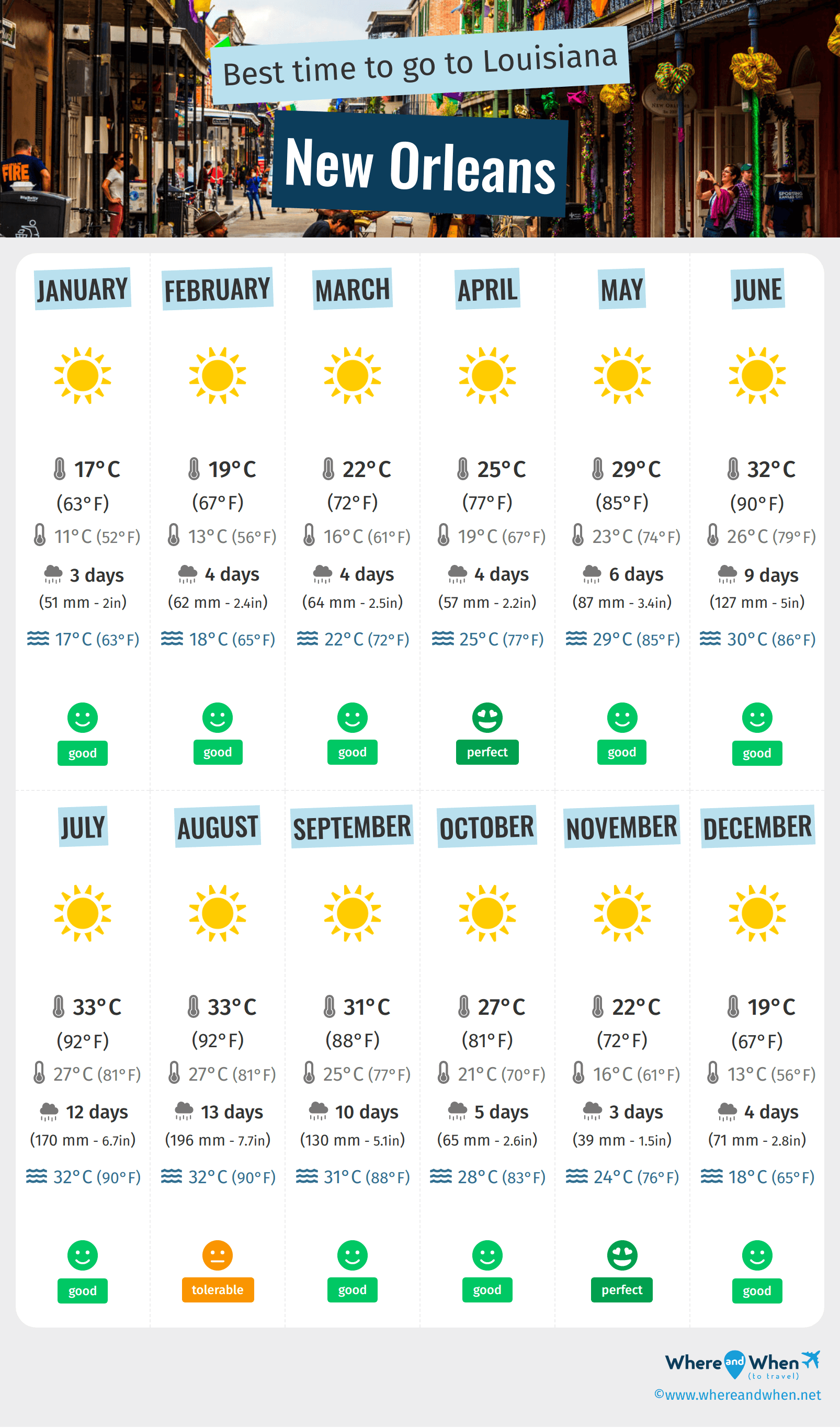
Sunrise and Sunset: The length of daylight in New Orleans varies significantly throughout the year. In the summer months (during CDT), you’ll have longer evenings, perfect for exploring the vibrant streets after dark. In the winter months (during CST), days are shorter, making it wise to plan outdoor activities during daylight hours. This is especially relevant if you plan to visit natural attractions like the Jean Lafitte National Historical Park and Preserve.
-
Public Transportation: Bus and streetcar schedules operate on local time. Consulting a timetable, whether digital or physical, will ensure you catch your ride without delay.
-
Business Hours: Most shops, museums, and restaurants adhere to standard business hours, with many opening around 9:00 AM or 10:00 AM and closing in the evening. Weekend hours can sometimes differ, so it’s always prudent to check in advance, especially for smaller, independent establishments.
Embracing the Local Pace of Life
Beyond the practicalities of time, understanding the local tempo of New Orleans adds another layer to your travel experience. The city has a unique rhythm, often described as unhurried and vibrant.
The Art of “Lagniappe” in Time Management
The concept of “lagniappe,” meaning “a little something extra,” can be metaphorically applied to how time is perceived in New Orleans. While precision is important for travel logistics, there’s also a cultural appreciation for slowing down and savoring moments.
-
Leisurely Meals: Dining in New Orleans is often an event in itself. Lunches can be extended affairs, and dinners are savored. While you should be mindful of reservation times, don’t be surprised if your meal unfolds at a more relaxed pace than you might be accustomed to.
-
Spontaneity and Serendipity: While planning is key, leave room for spontaneous discoveries. Sometimes, the best experiences in New Orleans are stumbled upon when you’re not rigidly adhering to a schedule. Perhaps you’ll decide to linger longer at a street performance or follow the sounds of music down a captivating alleyway in the French Quarter.
-
Embracing the Evening: As the sun sets, New Orleans truly comes alive. Understanding CDT in the summer months means you have ample daylight to enjoy the city before the evening’s festivities begin. Whether it’s enjoying a cocktail on a balcony overlooking Bourbon Street or listening to live jazz, the evenings are an integral part of the New Orleans experience.
Time and Key Attractions
Consider how time impacts visits to specific landmarks and attractions.
-
Audubon Aquarium of the Americas: Typically opens around 10:00 AM and closes in the late afternoon. Visiting earlier in the day can help you avoid crowds.
-
The National WWII Museum: This comprehensive museum can easily take several hours to explore. Plan for at least half a day, and check their closing hours, as they often extend into the early evening during peak seasons.
-
Plantation Tours: These day trips from New Orleans often depart in the morning and return in the afternoon. You’ll need to factor in travel time to and from the plantations, such as Oak Alley Plantation.
Staying Current: Tools and Tips
Ensuring you always have the correct time in New Orleans is straightforward with the right tools and a bit of foresight.
Digital Convenience
-
Smartphones and Smart Devices: Most modern smartphones, tablets, and smartwatches automatically update their time based on your location and network. When you land in New Orleans, your device should sync to the local Central Time.
-
Online Time Converters: Numerous websites offer real-time time zone conversions. Simply search for “current time in New Orleans” or use a dedicated time zone converter tool to see the time in New Orleans relative to your home time.
Practical Advice for Travelers
-
Double-Check Reservations: Before any important booking or appointment, reconfirm the time in New Orleans and ensure your understanding aligns with the provider’s.
-
Set Multiple Alarms: If you have an early morning flight or a crucial tour, set multiple alarms on your phone and perhaps a backup device.
-
Be Aware of DST Shifts: If your trip coincides with the Daylight Saving Time change, make a note of the exact dates and how the clocks will shift. Missing this can lead to significant scheduling errors.
By understanding the nuances of the Central Time Zone and the impact of Daylight Saving Time, you can confidently navigate your travels in New Orleans, ensuring that you are always on time for every captivating experience this unique city has to offer. The rhythm of New Orleans is best enjoyed when you’re in sync with its delightful, and always punctual, clock.
LifeOutOfTheBox is a participant in the Amazon Services LLC Associates Program, an affiliate advertising program designed to provide a means for sites to earn advertising fees by advertising and linking to Amazon.com. Amazon, the Amazon logo, AmazonSupply, and the AmazonSupply logo are trademarks of Amazon.com, Inc. or its affiliates. As an Amazon Associate we earn affiliate commissions from qualifying purchases.