
The French Connection: A Royal Legacy
The story of Louisiana is deeply intertwined with the history of exploration and colonization by European powers. While many might associate the state’s name with a particular individual, its origins are firmly rooted in the French monarchy. The vast territory, stretching from the Mississippi River to the Rocky Mountains and south to the Gulf of Mexico, was claimed for France in the late 17th century by the intrepid explorer René-Robert Cavelier, Sieur de La Salle.
Sieur de La Salle’s Grand Proclamation
In 1682, after an arduous journey down the Mississippi River, La Salle reached its mouth and planted a French flag, proclaiming dominion over the land. In a gesture of profound loyalty and homage to his sovereign, he christened this immense territory “La Louisiane” in honor of King Louis XIV. The name translates literally to “Land of Louis,” a fitting tribute to the Sun King who presided over France during a period of significant expansion and cultural flourishing.
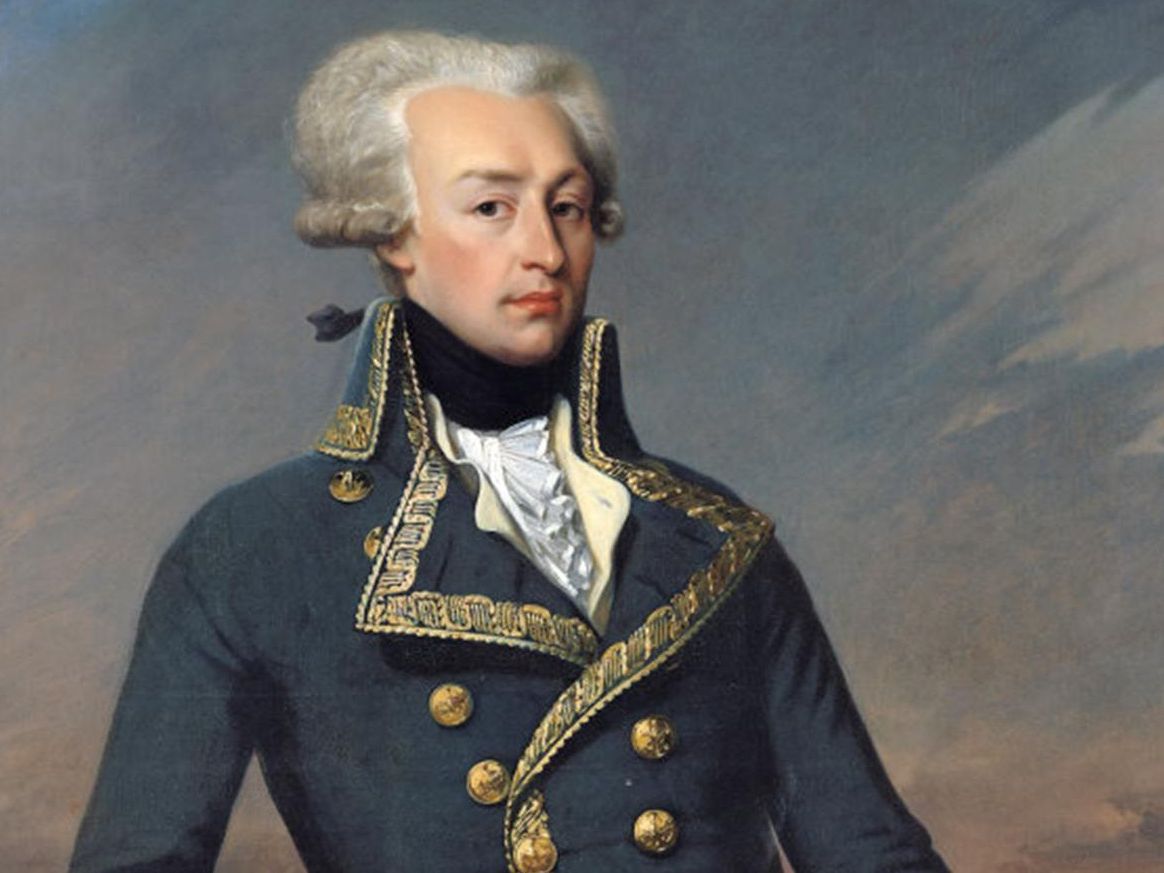
King Louis XIV: The Sun King’s Influence
King Louis XIV, who reigned from 1643 to 1715, was one of the longest-reigning monarchs in European history. His era, known as the Grand Siècle, was characterized by absolute rule, military might, and a dazzling display of French power and culture. His patronage of the arts and sciences, as well as his ambition for territorial expansion, left an indelible mark on the world. The naming of Louisiana was a direct reflection of this imperial ambition and the king’s pervasive influence, even across the vast oceans. The French Crown saw this new territory as a crucial component in its colonial strategy, a potential source of wealth and a strategic buffer against rival powers like Spain and England.
The Journey of a Name: From French Claim to American State
The name “Louisiana” has witnessed a remarkable transformation, mirroring the geopolitical shifts that have shaped North America. From its inception as a French royal province, it has passed through different hands and has ultimately become a part of the United States.
French Colonial Administration
Initially, Louisiana was administered as a French colony, with varying degrees of success and stability. The French established key settlements, most notably in the southern part of the territory, around the mouth of the Mississippi. New Orleans, founded in 1718 by Jean-Baptiste Le Moyne de Bienville, quickly became the capital and a vital port city, strategically positioned to control trade along the river. Despite its strategic importance, the French struggled to fully develop and populate the vast expanse of Louisiana, facing numerous challenges including disease, indigenous resistance, and the sheer logistical difficulties of governing such a large area.
The Spanish Interlude
The fortunes of Louisiana shifted significantly in 1762 when, as part of the Treaty of Fontainebleau, France secretly ceded its claim to the western part of the territory to Spain following its defeat in the Seven Years’ War. The Spanish administration, which officially took over in 1769, introduced new laws, customs, and architectural styles, particularly in New Orleans. While the Spanish flag flew over the colony, the name “Louisiana” persisted in common usage, a testament to the enduring legacy of its French origins. The Spanish period, though sometimes turbulent, also saw economic development and a strengthening of defenses.
The Louisiana Purchase: A Transformative Deal
Perhaps the most pivotal moment in Louisiana’s history, and certainly in its naming context, was the Louisiana Purchase of 1803. In a stroke of diplomatic genius, President Thomas Jefferson, seeking to secure access to the Mississippi River and New Orleans for American trade, negotiated the purchase of the entire Louisiana territory from Napoleon Bonaparte’s France. This monumental transaction, for the sum of $15 million, effectively doubled the size of the United States and solidified the name “Louisiana” as part of the American lexicon, even as the territory was eventually divided into numerous states and territories. The purchase was a bold move that dramatically expanded the nation’s reach and set the stage for westward expansion.
Louisiana Today: A Tapestry of History and Culture
The legacy of King Louis XIV and the French colonial past continues to resonate throughout Louisiana today, shaping its unique identity and drawing visitors from around the globe. The state’s name serves as a constant reminder of its rich and complex history, a blend of European influences and indigenous traditions.
Echoes of French Heritage
The French influence is palpable in Louisiana’s language, with many residents speaking Cajun French and its distinctive dialect, a linguistic relic of early French settlers. The architecture, particularly in the French Quarter of New Orleans, with its colorful balconies and wrought-iron details, is a direct echo of its colonial past. The legal system in Louisiana also retains elements of the French civil law tradition, distinct from the common law systems of other U.S. states. This enduring heritage makes Louisiana a fascinating study in cultural preservation and adaptation.
Culinary Delights and Celebratory Spirit
Louisiana’s culinary landscape is world-renowned, a vibrant fusion of French, Spanish, African, and Native American flavors. Dishes like gumbo, jambalaya, and étouffée are staples, showcasing the state’s rich gastronomic heritage. The spirit of celebration is also deeply ingrained in Louisiana culture, most famously expressed through the vibrant Mardi Gras festivals in New Orleans and other towns. These festivities, with their elaborate parades, music, and revelry, are a testament to the joy and resilience of the people, a spirit that has been nurtured over centuries.

A Journey Through Time
Exploring Louisiana is akin to embarking on a journey through time. From the historic plantations along the Great River Road to the charming bayous and the bustling streets of its cities, the state offers a captivating glimpse into its past and present. The name “Louisiana” itself is more than just a geographical marker; it is a historical narrative, a testament to the ambition of a king, the daring of explorers, and the enduring power of culture. Visitors can immerse themselves in this rich tapestry by visiting historical sites, experiencing the local music and arts scene, and, of course, savoring the unforgettable flavors of Louisiana. The state’s unique character, born from a confluence of historical events and cultural exchanges, continues to captivate and inspire, making it a destination unlike any other.
LifeOutOfTheBox is a participant in the Amazon Services LLC Associates Program, an affiliate advertising program designed to provide a means for sites to earn advertising fees by advertising and linking to Amazon.com. Amazon, the Amazon logo, AmazonSupply, and the AmazonSupply logo are trademarks of Amazon.com, Inc. or its affiliates. As an Amazon Associate we earn affiliate commissions from qualifying purchases.