
The question of whether starlings grace the skies and landscapes of Maine is not merely a point of ornithological curiosity; it speaks to the broader tapestry of avian life that contributes to the state’s rich natural heritage. For visitors and residents alike, understanding the presence of various bird species enhances the appreciation of Maine’s diverse ecosystems, from its rugged coastline to its vast inland forests. The European Starling, Sturnus vulgaris, is an introduced species in North America, and its status in any given region is a fascinating indicator of ecological conditions and human impact.
The Ubiquitous European Starling: An Overview
The European Starling, often simply called the starling, is a medium-sized passerine bird. Originally native to Eurasia, it was intentionally introduced to North America in the 19th century. This introduction, largely driven by a desire to see all birds mentioned in Shakespeare’s works in Central Park, has had profound and widespread ecological consequences. Starlings are known for their adaptability, intelligence, and gregarious nature, often forming large flocks, especially outside the breeding season. Their diet is omnivorous, encompassing insects, seeds, fruits, and even human food scraps, which contributes to their ability to thrive in a variety of habitats, including urban, suburban, and agricultural areas. Their vocalizations are a complex mix of whistles, clicks, and mimicry, making them a noticeable presence wherever they are found.
Identification and Behavior
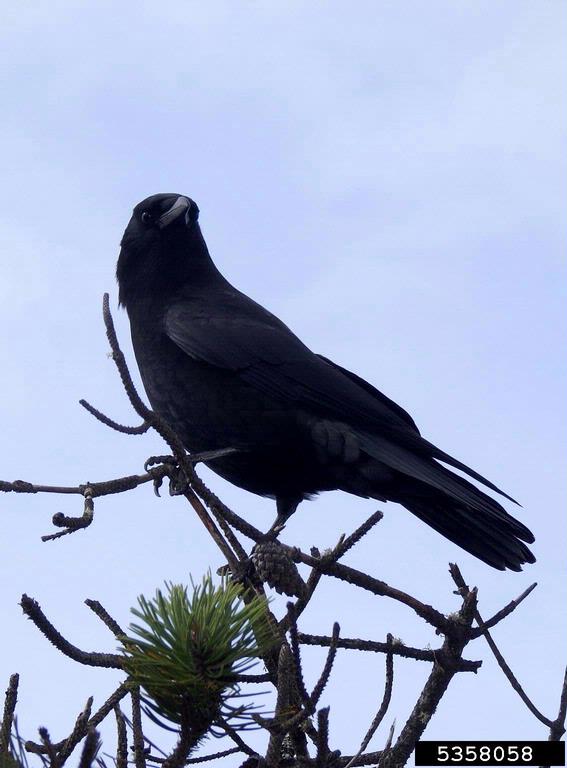
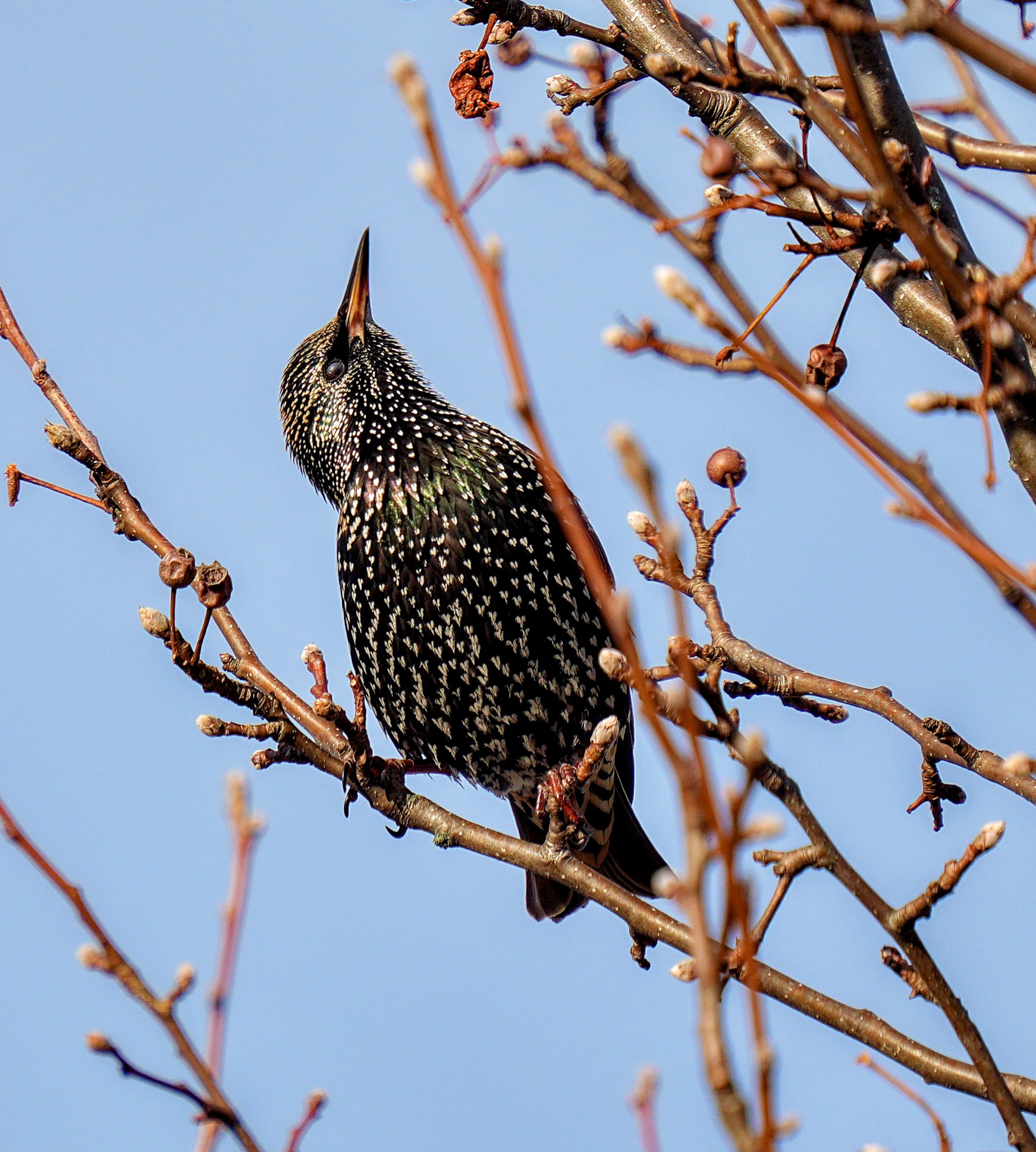
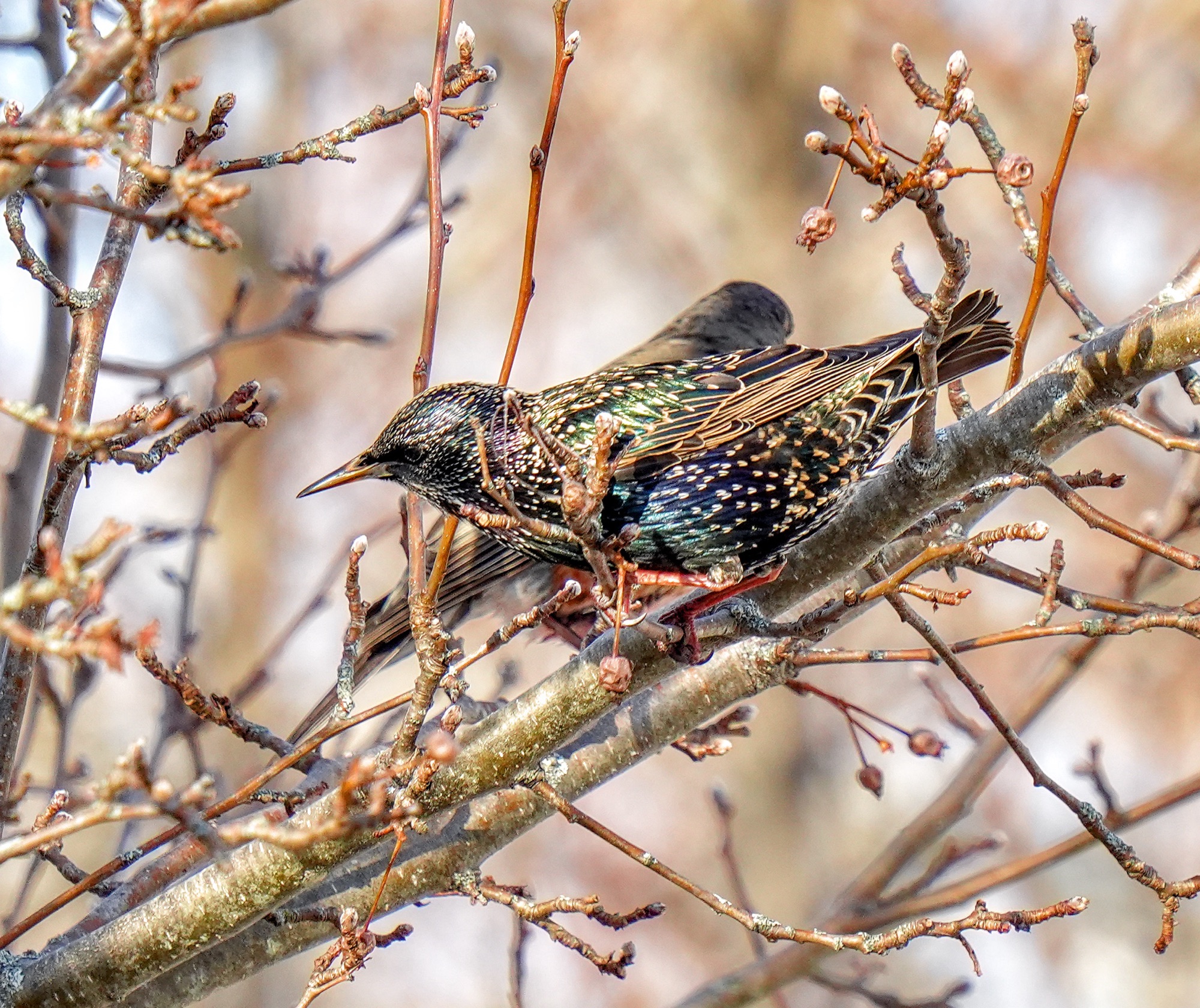
Distinguishing starlings from native bird species is crucial for accurate observation. Adult European Starlings are glossy black with iridescent green and purple sheens, especially visible in sunlight. They have a stout body, a relatively short tail, and a long, pointed bill that is dark in non-breeding plumage and yellow in breeding plumage. Juvenile starlings are duller, more uniformly grayish-brown. Their behavior is often characterized by their association with humans and their tendency to forage in open areas. They are ground feeders, probing the soil for invertebrates. Their flocks can be immense, creating spectacular aerial displays known as murmurations, particularly at roosting sites during the fall and winter.
Global Distribution and Introduction to North America
The European Starling’s native range spans across Europe and western Asia. Following their introduction into New York City in 1890 and 1891, they experienced a remarkable population explosion and range expansion. By the mid-20th century, they had spread across the continent, becoming one of the most abundant bird species in many parts of North America. This rapid colonization is a testament to their adaptability and reproductive success.
Starlings in the Northeast: A Familiar Sight
The northeastern United States, with its varied landscapes and proximity to established starling populations, is a region where these birds are widely distributed. States like New York, Pennsylvania, and Massachusetts have long been home to significant numbers of starlings. Their presence is often noted in agricultural fields, suburban gardens, and urban centers, where they exploit readily available food sources and nesting opportunities. This established presence naturally leads to the question of their occurrence further north, in the distinct ecological zones of Maine.
Ecological Niche and Habitat Preference
While European Starlings are known for their generalist tendencies, they do exhibit preferences that influence their distribution. In Maine, as elsewhere, they are drawn to open habitats such as grasslands, meadows, agricultural lands, and disturbed areas. They can also be found in wooded edges and suburban environments, particularly near human settlements where food is abundant. Their ability to utilize cavities for nesting, such as those in trees or man-made structures, further contributes to their success in diverse settings.
Impact on Native Avifauna
The introduction of the European Starling has not been without ecological consequence. As a highly competitive species, they can outcompete native cavity-nesting birds, such as bluebirds and woodpeckers, for nesting sites. Their aggressive nature and tendency to gather in large numbers can also influence local food availability for other species. Understanding the presence and population dynamics of starlings is therefore important for conservation efforts aimed at protecting native Maine bird populations.
Confirming Starlings in Maine
Yes, European Starlings are indeed present in Maine. While perhaps not as overwhelmingly abundant as in some midwestern or southern states, they are a well-established part of the state’s avifauna. Ornithological records, birdwatching observations, and wildlife surveys consistently confirm their presence across various regions of Maine, from the coast to inland areas.
Historical Records and Current Status
Early records of European Starlings in Maine date back to the mid-20th century, reflecting their ongoing continental expansion. Since then, their populations have fluctuated but remained a consistent feature of the Maine bird community. They are now considered a common, albeit introduced, species throughout the state. Birders often report seeing starlings, particularly during the fall and winter months when they may congregate in larger numbers, sometimes mixing with flocks of blackbirds and grackles.
Where to Observe Starlings in Maine
Observing starlings in Maine is often a matter of knowing where to look. Their preference for open, human-modified landscapes means they are frequently encountered in agricultural areas, around farms, and in suburban neighborhoods. Coastal regions, particularly those with salt marshes or open fields, can also attract them. Parks and even urban areas like Portland can host starling populations, especially where there are open spaces and food sources available. While they breed and overwinter in Maine, their numbers may increase with migrants from further north during the non-breeding season.
Contributing to Maine’s Avian Diversity
While European Starlings are an introduced species, their presence adds to the overall avian diversity of Maine. From the perspective of a visitor interested in wildlife, understanding which species are native and which are introduced provides a more nuanced appreciation of the ecological landscape. For those interested in birdwatching, starlings are a common and accessible species to observe, offering opportunities to study their behaviors, vocalizations, and social dynamics. Their iridescent plumage, especially in good light, can be quite striking, and their large murmurations, though less common in Maine than in some other parts of their range, can be a breathtaking spectacle if witnessed.
Birdwatching Opportunities
For birdwatchers in Maine, the presence of starlings is a given. They are readily identifiable and can be seen year-round. While they may not be the focus of many birding trips, they are a constant companion to more sought-after native species. Learning to differentiate them from similar-looking native birds, such as the Common Grackle or the Red-winged Blackbird, is a valuable skill for any budding birder. Areas like the fields around Kennebec Valley or the open spaces near Acadia National Park (though starlings are more common in the developed areas surrounding it than within the park itself) can provide opportunities for observation.
Educational Significance
The story of the European Starling in Maine serves as a living lesson in ecology, biogeography, and the unintended consequences of species introductions. For educational purposes, particularly for younger visitors or school groups exploring Maine’s natural wonders, discussing the starling offers a tangible example of how species interactions can shape an ecosystem. It highlights the importance of conservation efforts and the delicate balance of native wildlife.
In conclusion, to answer the initial question directly: Yes, starlings are in Maine. They are a non-native but well-established species that contributes to the state’s dynamic birdlife, offering opportunities for observation and reflection on the complex interplay between introduced and native species within a vibrant natural setting.
LifeOutOfTheBox is a participant in the Amazon Services LLC Associates Program, an affiliate advertising program designed to provide a means for sites to earn advertising fees by advertising and linking to Amazon.com. Amazon, the Amazon logo, AmazonSupply, and the AmazonSupply logo are trademarks of Amazon.com, Inc. or its affiliates. As an Amazon Associate we earn affiliate commissions from qualifying purchases.