
Maine, the “Pine Tree State,” is a captivating destination renowned for its rugged coastline, picturesque lighthouses, vibrant arts scene, and, of course, its abundance of charming towns. For travelers planning a visit, understanding the sheer number and variety of these communities can paint a richer picture of what the state has to offer. While a precise, universally agreed-upon number can be elusive due to differing definitions of “town,” exploring Maine’s populated places reveals a tapestry of unique destinations, each with its own character and appeal.
Defining a “Town” in Maine
The concept of a “town” can vary significantly across the United States, and Maine is no exception. In Maine, the primary form of local government is the municipality, which can be organized as either a town or a city. Generally, towns in Maine operate under a town meeting form of government, where citizens directly participate in decision-making. Cities, on the other hand, typically have a more representative form of government with elected officials like a mayor and city council.

Beyond these official designations, the term “town” is often used more colloquially to describe any distinct, inhabited community, which might include villages, hamlets, or unincorporated areas that possess a recognizable identity and often a central gathering point. For the purposes of travel and exploration, it’s most useful to consider all these types of populated places that contribute to Maine’s distinctive character. This broader interpretation allows us to appreciate the full spectrum of Maine’s settlement patterns, from bustling urban centers to sleepy coastal hamlets.
Maine’s Municipal Landscape: Cities and Towns
Maine boasts a significant number of incorporated municipalities. According to the Maine State Legislature and other official sources, there are 484 cities and towns in Maine. This figure represents the official count of incorporated local governments. Each of these municipalities is a distinct entity with its own governance, services, and often, a unique history and identity.
These 484 entities range dramatically in size and character. At one end of the spectrum are larger cities like Portland, the state’s largest city, known for its thriving culinary scene, historic waterfront, and vibrant arts district. Other significant cities include Lewiston, Bangor, and Auburn, each serving as regional hubs with their own unique attractions and amenities.
The vast majority of Maine’s incorporated municipalities, however, are towns. These towns are the backbone of Maine’s rural and coastal identity. They range from well-known tourist destinations like Kennebunkport and Bar Harbor, gateways to the stunning Acadia National Park, to smaller, more secluded communities that offer a true escape from the everyday.
Coastal Gems
Maine’s coastline is dotted with an incredible array of towns, each offering a distinct maritime flavor. From the sandy beaches of southern Maine to the rocky shores of the midcoast and the wild beauty of the Down East region, these towns are central to the state’s identity and a major draw for visitors.
- Southern Maine: Towns like Ogunquit, with its famous Marginal Way scenic cliff walk, and York, with its historic Nubble Lighthouse, offer classic New England beach town experiences. Further north, Camden and Rockland are celebrated for their picturesque harbors, sailing opportunities, and burgeoning arts communities.
- Midcoast Maine: This region is particularly rich in charming coastal towns. Boothbay Harbor is a bustling hub for whale watching and boat tours. Damariscotta is known for its oyster farms and quaint downtown.
- Down East: As one ventures further east, the landscape becomes more dramatic, and the towns more remote. Stonington, a working fishing village on the island of Deer Isle, offers an authentic glimpse into Maine’s maritime heritage. Eastport, the easternmost city in the United States, boasts stunning sunrises and a rich history.
Inland Treasures

While the coast often takes center stage, Maine’s inland regions are equally compelling, offering a different kind of beauty and a unique set of attractions.
- The Lakes and Mountains Region: This area is characterized by pristine lakes, rolling hills, and the majestic Appalachian Mountains. Towns like Bethel, surrounded by outdoor recreation opportunities, and Rangeley, a popular destination for fishing and hiking, are prime examples.
- The Katahdin Region: Home to Maine’s highest peak, Mount Katahdin, this region is an adventurer’s paradise. The gateway town of Millinocket serves as a starting point for expeditions into the wilderness.
- River Valleys: Many towns are situated along Maine’s numerous rivers, which have historically been vital for industry and transportation. Towns along the Kennebec River and the Penobscot River offer insights into Maine’s industrial past and present.
Beyond Incorporated Municipalities: Villages and Unincorporated Areas
The official count of 484 cities and towns doesn’t fully capture the complexity of Maine’s inhabited places. Maine has a significant number of organized and unorganized territories, and within these, numerous villages and hamlets exist that are recognized by residents and visitors alike, even if they lack formal municipal status.
Organized Places
Within larger organized towns, distinct villages often emerge with their own unique identities and a central commercial or social hub. For instance, within the town of Falmouth, one might speak of the village of Falmouth Foreside. These distinctions add layers of local color and historical context to a traveler’s exploration.
Unorganized Territories (UTs) and Plantations
Maine is unique in its system of unorganized territories (UTs) and plantations. Plantations are a form of local government with fewer powers than towns, often serving sparsely populated areas. Unorganized territories, on the other hand, have no local government and are administered directly by the state.
Despite the lack of formal town status, many unorganized territories and plantations contain communities that function much like towns, with a cluster of homes, businesses, and a shared sense of place. For example, The Forks, a popular hub for whitewater rafting and outdoor adventures, is located in an unorganized territory. Similarly, areas like Big Moose Township and Allagash Plantation are known to locals and visitors for their remote beauty and recreational opportunities.
The number of these smaller communities, villages, and populated areas within unorganized territories is difficult to quantify precisely, as it relies on local recognition rather than official administrative boundaries. However, it’s safe to say that when considering the true scope of Maine’s inhabited locales, the number extends well beyond the official municipal count.
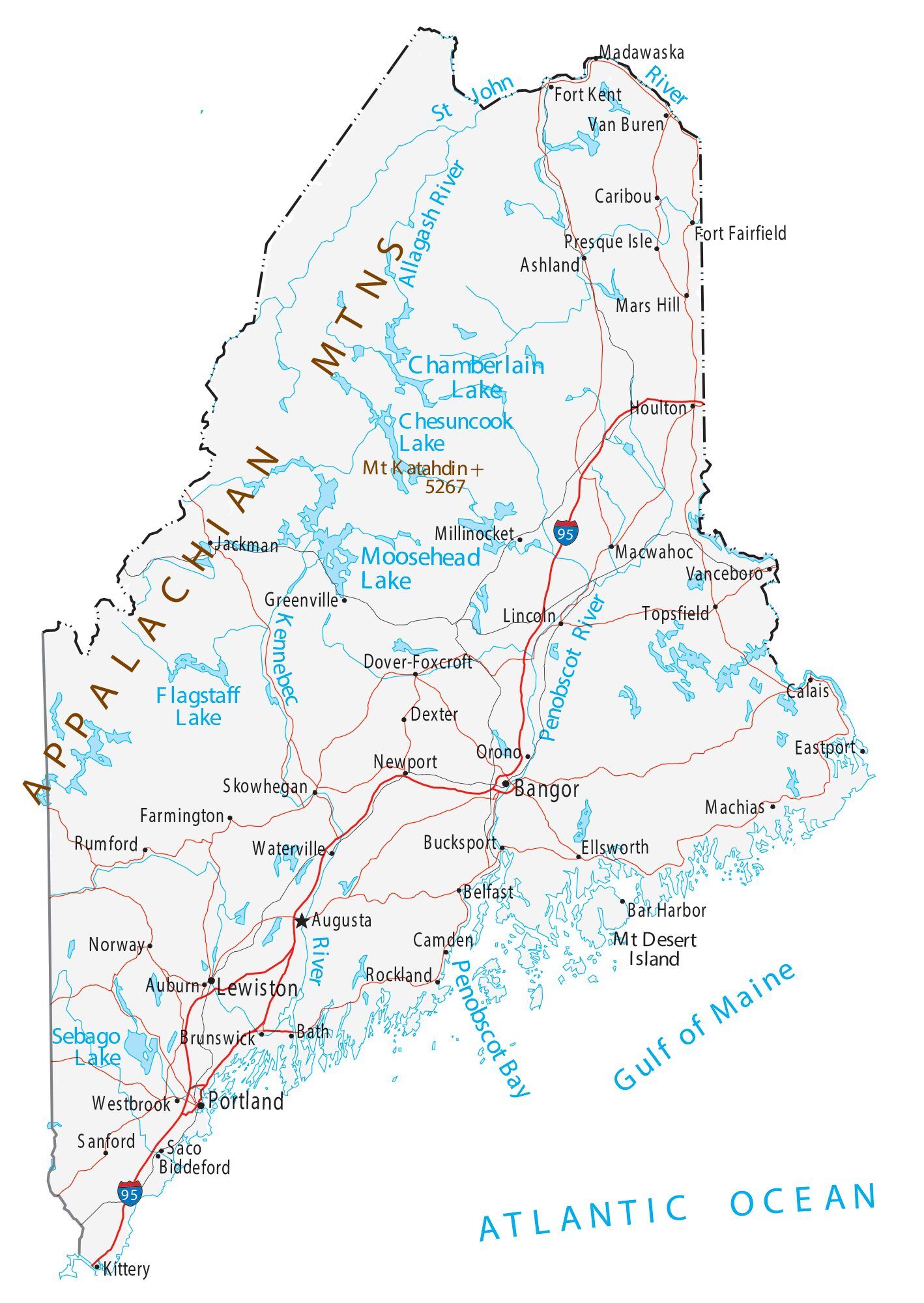
Exploring Maine’s Diverse Communities
The sheer number of towns and villages in Maine underscores the state’s incredible diversity. Whether you’re seeking the lively atmosphere of a coastal city, the quiet charm of a lakeside village, or the rugged adventure of a mountain settlement, Maine offers an option for every traveler.
Each of Maine’s approximately 484 cities and towns, along with its countless villages and hamlets, contributes to the unique character and allure of the Pine Tree State. Planning a trip involves not just knowing the number, but appreciating the distinctiveness of each place. From the iconic lighthouses of Pemaquid Point to the bustling farmers’ markets in towns like Skowhegan, Maine’s communities beckon exploration.
When embarking on your Maine adventure, consider delving into the specifics of the regions that pique your interest. Researching the history, local attractions, and cultural nuances of individual towns will undoubtedly enrich your travel experience. Maine’s towns are more than just dots on a map; they are living, breathing communities with stories to tell and experiences to share. The journey to discover them is as rewarding as the destinations themselves, offering a genuine taste of the Pine Tree State’s enduring appeal.
LifeOutOfTheBox is a participant in the Amazon Services LLC Associates Program, an affiliate advertising program designed to provide a means for sites to earn advertising fees by advertising and linking to Amazon.com. Amazon, the Amazon logo, AmazonSupply, and the AmazonSupply logo are trademarks of Amazon.com, Inc. or its affiliates. As an Amazon Associate we earn affiliate commissions from qualifying purchases.