
As one of the oldest natural breeds in North America, the Maine Coon cat is renowned for its impressive size, luxurious coat, and gentle demeanor. These magnificent felines, often affectionately called “gentle giants,” make wonderful companions for families and individuals alike. When embarking on the journey of bringing a Maine Coon kitten into your home, it’s essential to know what to look for to ensure you are welcoming a genuine representative of this majestic breed. Identifying a Maine Coon kitten involves observing a combination of physical characteristics and understanding some inherent breed traits. This guide will walk you through the key indicators to help you confidently identify a Maine Coon kitten.

Distinctive Physical Characteristics of a Maine Coon Kitten
From their very first days, Maine Coon kittens exhibit traits that set them apart from other breeds. While they will continue to grow and develop, these early signs are crucial for identification.
Size and Build
One of the most striking features of the Maine Coon breed is its substantial size. Even as kittens, they tend to be larger and more robust than kittens of many other breeds. Look for a kitten that feels solid and well-muscled for its age. They often have a rectangular body shape, even at a young age, with a broad chest and substantial bone structure. While you won’t see the full adult size for some time, a Maine Coon kitten will often feel heavier and more substantial than its littermates of other breeds. Don’t mistake this for just being a large kitten; it’s the underlying robust build that is characteristic.
Head and Facial Features
The head of a Maine Coon is one of its most recognizable features. Even in a kitten, you can observe the beginnings of these distinctive traits.
Muzzle and Chin
A Maine Coon kitten will typically have a squarish muzzle and a strong chin. This gives them a somewhat boxy appearance to their face. The chin should be well-developed, aligning with the nose and upper lip, creating a subtle “dish” or profile. Avoid kittens with very fine, pointed muzzles, as this is not characteristic of the breed.
Ears
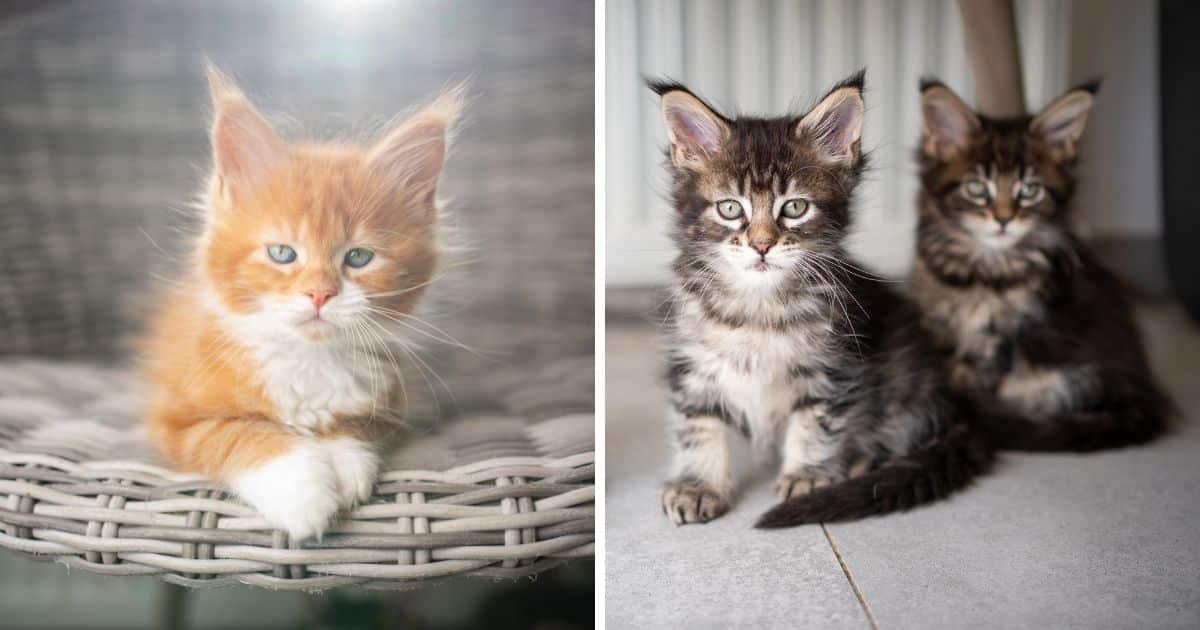
The ears of a Maine Coon kitten are often quite large in proportion to their head and set high on the head. Crucially, they should have noticeable ear tufts, often called “lynx tips,” which are long, wispy hairs extending from the tips of the ears. These tufts are a hallmark of the breed and are usually present even in young kittens, though they become more pronounced as the cat matures. The ears may also have a slight outward tilt.
Eyes
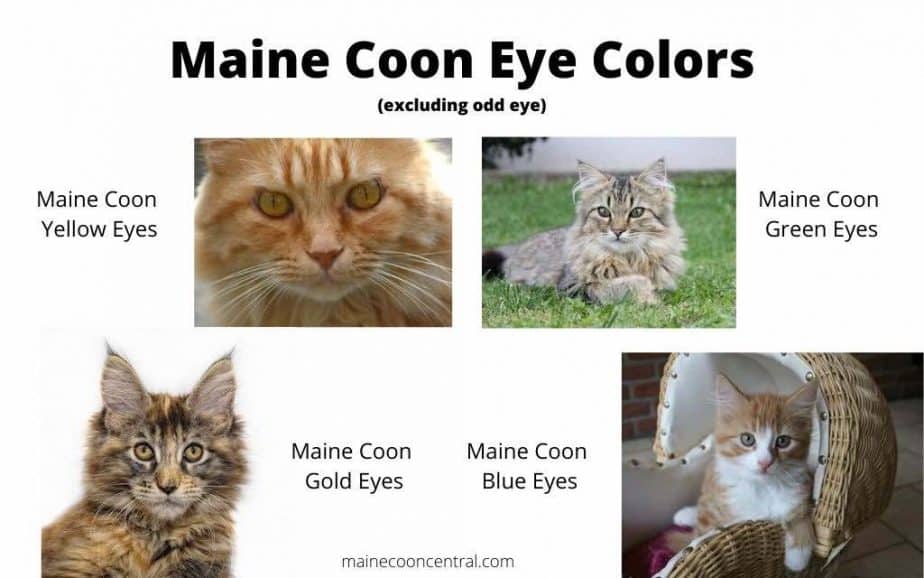
Maine Coon kittens usually have large, expressive eyes that can be any color, with green, gold, and copper being common. A slight tilt to the eyes, giving them an almond-like appearance, is also characteristic. Some kittens might have blue eyes, especially if they carry the gene for white spotting, but this is less common in solid or tabby Maine Coons.
Coat and Tail
The luxurious coat and impressive tail are definitive traits of the Maine Coon breed.
Coat Texture and Length
While a kitten’s coat won’t be as long or dense as an adult’s, it should still exhibit some key characteristics. The fur is typically soft and silky, with a slight wave or “shimmer” to it, especially along the back. It’s a water-repellent coat, designed for harsh climates, and often has less undercoat than other long-haired breeds, making it less prone to matting. Look for a kitten where the fur on the body is shorter, gradually becoming longer towards the ruff, britches (hindquarters), and tail. Avoid kittens with very short, uniformly dense fur or a cottony texture, which might indicate a mix.
Tail
The tail is a signature feature of the Maine Coon. Even as kittens, their tails are long and bushy, often described as looking like a plume or a fox’s tail. It should be well-furred from base to tip and quite substantial in appearance. When the kitten is alert, the tail is often carried high.
Behavioral Indicators in Maine Coon Kittens
Beyond physical attributes, the temperament and behavior of a Maine Coon kitten can also provide clues about its breed. Maine Coons are known for their sociable, playful, and intelligent nature.
Sociability and Playfulness
Maine Coon kittens are typically very outgoing and curious. They are often among the first to approach new people and are eager to explore their surroundings. They tend to be quite playful and enjoy interactive toys. Unlike some breeds that might be shy or reserved, Maine Coon kittens usually exhibit a confident and friendly disposition from an early age. They often interact well with children and other pets.
Vocalizations
While not all Maine Coons are highly vocal, they do have a distinctive vocal repertoire. They are known for their soft, chirping, trilling, and meowing sounds, rather than loud, demanding meows. A kitten that communicates with a variety of gentle vocalizations, often used when seeking attention or expressing happiness, might be exhibiting typical Maine Coon behavior.
Intelligence and Trainability
Maine Coons are intelligent cats and can often be trained to do tricks, walk on a leash, or even play fetch. While this trait is more apparent in adult cats, a kitten that shows a keen interest in learning and problem-solving, such as figuring out how to open a door or a cabinet, might be indicative of the breed’s intelligence.
Where to Find and Verify Your Maine Coon Kitten
Purchasing a kitten from a reputable source is paramount to ensuring you are getting a healthy, well-socialized, and true-to-breed Maine Coon.
Reputable Breeders
The best way to acquire a purebred Maine Coon kitten is from a responsible breeder. A good breeder will be knowledgeable about the breed, prioritize the health and temperament of their cats, and be able to provide you with information about the kitten’s lineage, health clearances of the parents (e.g., for Hypertrophic Cardiomyopathy or Hip Dysplasia), and vaccination records. They will also be happy to answer all your questions and allow you to see the kittens with their mother.
Pedigree and Registration
A reputable breeder will often provide a pedigree certificate for their kittens, which documents their lineage. While registration is not always a requirement for a pet, it can be a strong indicator of breed purity. Many Maine Coon breeders are registered with cat fancy organizations such as The Cat Fanciers’ Association (CFA) or The International Cat Association (TICA).
Shelters and Rescues
While finding purebred Maine Coon kittens in shelters can be challenging, it’s not impossible. Breed-specific rescues are an excellent resource. If you adopt from a shelter or rescue, staff members or volunteers may have a good understanding of the cat’s breed, though they may not always be able to provide definitive proof of lineage. However, even if a cat is a mix, a [Maine Coon](https://lifeoutofthebox.com/maine- Coon) mix can still make a wonderful pet, often inheriting some of the breed’s desirable traits.
What to Avoid When Identifying a Maine Coon Kitten
Being aware of red flags can help you avoid purchasing a kitten that is not a true [Maine Coon](https://lifeoutofthebox.com/maine- Coon) or one that has underlying health or behavioral issues.
Unrealistic Promises and Poor Conditions
Be wary of sellers who make unrealistic claims about the kitten’s qualities or who seem hesitant to answer questions about the parents or the kitten’s health. Overly low prices can also be a warning sign, potentially indicating a kitten from a kitten mill or a pet store that sources from irresponsible breeders. Always visit the location where the kittens are raised and ensure it is clean and hygienic.
Absence of Key Traits
If a kitten lacks several of the distinctive physical characteristics discussed earlier – such as a small size for its age, a very fine muzzle, small ears without tufts, or a short, sparse tail – it is unlikely to be a purebred [Maine Coon](https://lifeoutofthebox.com/maine- Coon). While crossbreeds can be wonderful pets, it’s important to have accurate expectations.
Health Concerns
A healthy kitten should be alert, active, and have clear eyes and ears. Any signs of lethargy, discharge, or excessive sneezing should be a cause for concern. Responsible breeders will always provide veterinary records and health guarantees for their kittens.
In conclusion, identifying a [Maine Coon](https://lifeoutofthebox.com/maine- Coon) kitten involves a careful assessment of its physical features, including its size, head shape, ear tufts, coat, and tail. Observing its temperament and behavior—such as its sociability and vocalizations—can further support identification. By sourcing your kitten from reputable breeders or rescues and being aware of potential red flags, you can increase your chances of bringing home a true gentle giant that will bring years of joy and companionship. The journey of finding your [Maine Coon](https://lifeoutofthebox.com/maine- Coon) kitten is an exciting prelude to the wonderful life you will share with this magnificent breed.
LifeOutOfTheBox is a participant in the Amazon Services LLC Associates Program, an affiliate advertising program designed to provide a means for sites to earn advertising fees by advertising and linking to Amazon.com. Amazon, the Amazon logo, AmazonSupply, and the AmazonSupply logo are trademarks of Amazon.com, Inc. or its affiliates. As an Amazon Associate we earn affiliate commissions from qualifying purchases.