
The allure of the Maine Coon breed is undeniable. Often hailed as the “gentle giants” of the feline world, their majestic appearance, robust build, and amiable disposition have captivated cat enthusiasts for generations. For those considering adding a Maine Coon to their family, or simply admiring these magnificent creatures from afar, discerning whether a particular feline possesses the hallmark traits of this esteemed breed is a common point of curiosity. While definitive identification often rests with responsible breeders and pedigree documentation, understanding the key physical and behavioral indicators can provide valuable insights. This guide delves into the distinctive characteristics that set the Maine Coon apart, offering a comprehensive approach to identifying this beloved breed.
Physical Attributes: The Majestic Form
The Maine Coon’s imposing stature and striking features are its most immediate giveaways. From their impressive size to their dense, water-repellent coats, each physical attribute is an adaptation that speaks to their heritage as working cats from the rugged terrains of Maine.
Size and Build
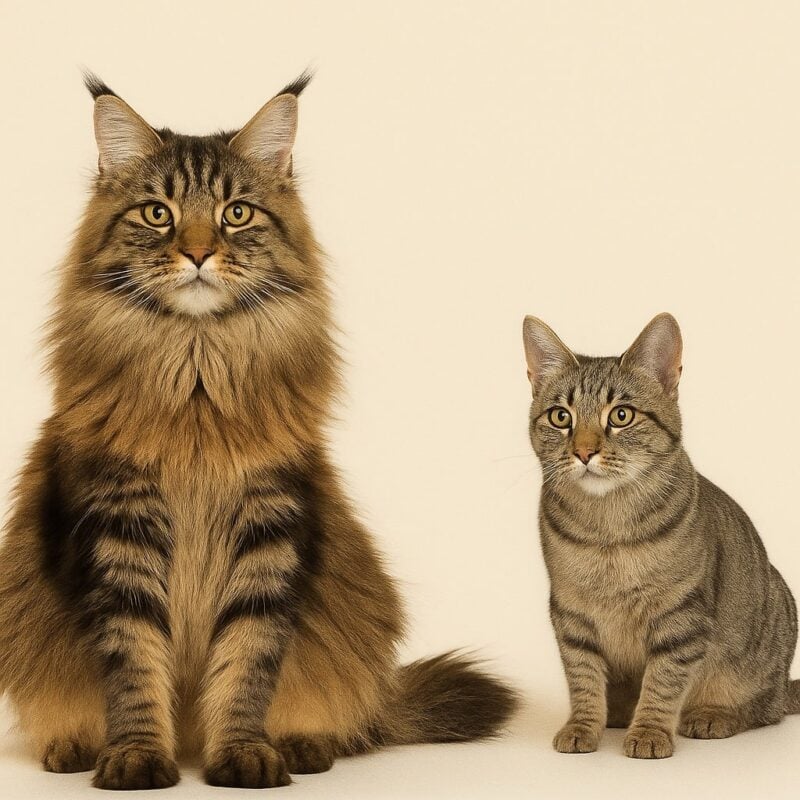
Maine Coons are renowned for their substantial size, making them one of the largest domesticated cat breeds. Adult males, in particular, can reach weights of 15 to 25 pounds or more, with females typically weighing between 10 to 15 pounds. This considerable size is not merely a matter of weight; it is accompanied by a long, rectangular body, a broad chest, and muscular legs. Their frame is solid and substantial, projecting an image of strength and endurance. When observing a cat, look for this impressive, elongated physique that suggests a larger-than-average feline.
Head and Facial Features
The head of a Maine Coon is a key distinguishing feature, often described as a “modified wedge” shape. It is medium in width with high cheekbones, contributing to their distinctive facial structure.
Muzzle and Chin
A well-defined muzzle and a strong, square chin are characteristic. The muzzle should not be pointed or too short. When viewed from the side, the nose should be of medium length with a gentle concave curve, not a straight profile or a distinctly Roman nose. The chin should align with the nose and upper lip, indicating a well-developed jaw structure.
Ears
Perhaps one of the most iconic features of the Maine Coon are their ears. They are large, tall, and wide at the base, tapering to a point. The ear set is crucial: they should be set high on the head, with one-third of the ear’s height appearing above the crown. Many Maine Coons also possess tufts of fur extending from the tips of their ears, known as “lynx tips.” These tufts, along with prominent fur inside the ear, are an adaptation for protection against harsh weather, reminiscent of their wilder ancestors.
Eyes
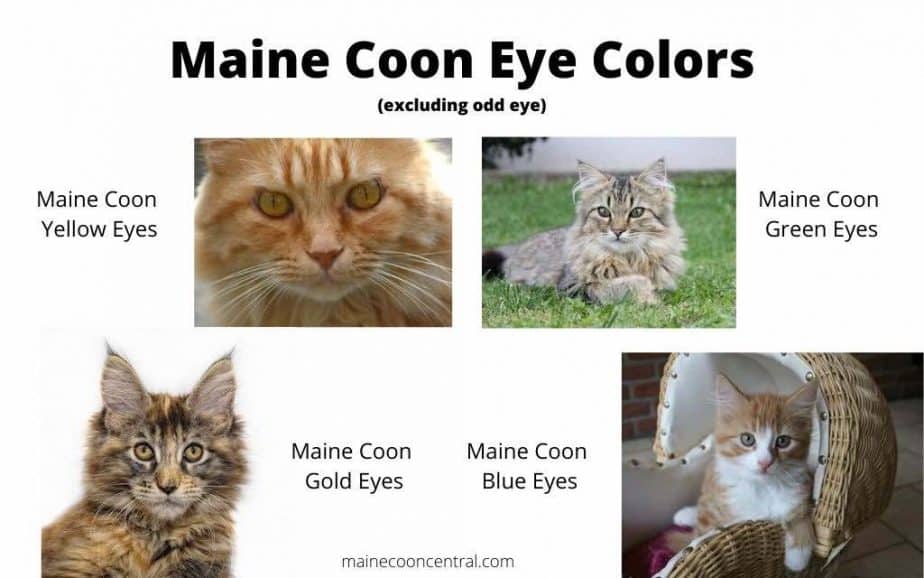
Maine Coon eyes are large, expressive, and set well apart. Their shape is often described as slightly oval or oblique, giving them a thoughtful and intelligent gaze. While eye color can vary, common shades include green, gold, and copper. Blue eyes are only found in kittens or those with white markings, as they are linked to the piebald gene. The expression in their eyes is often described as kind and alert.
Coat and Tail
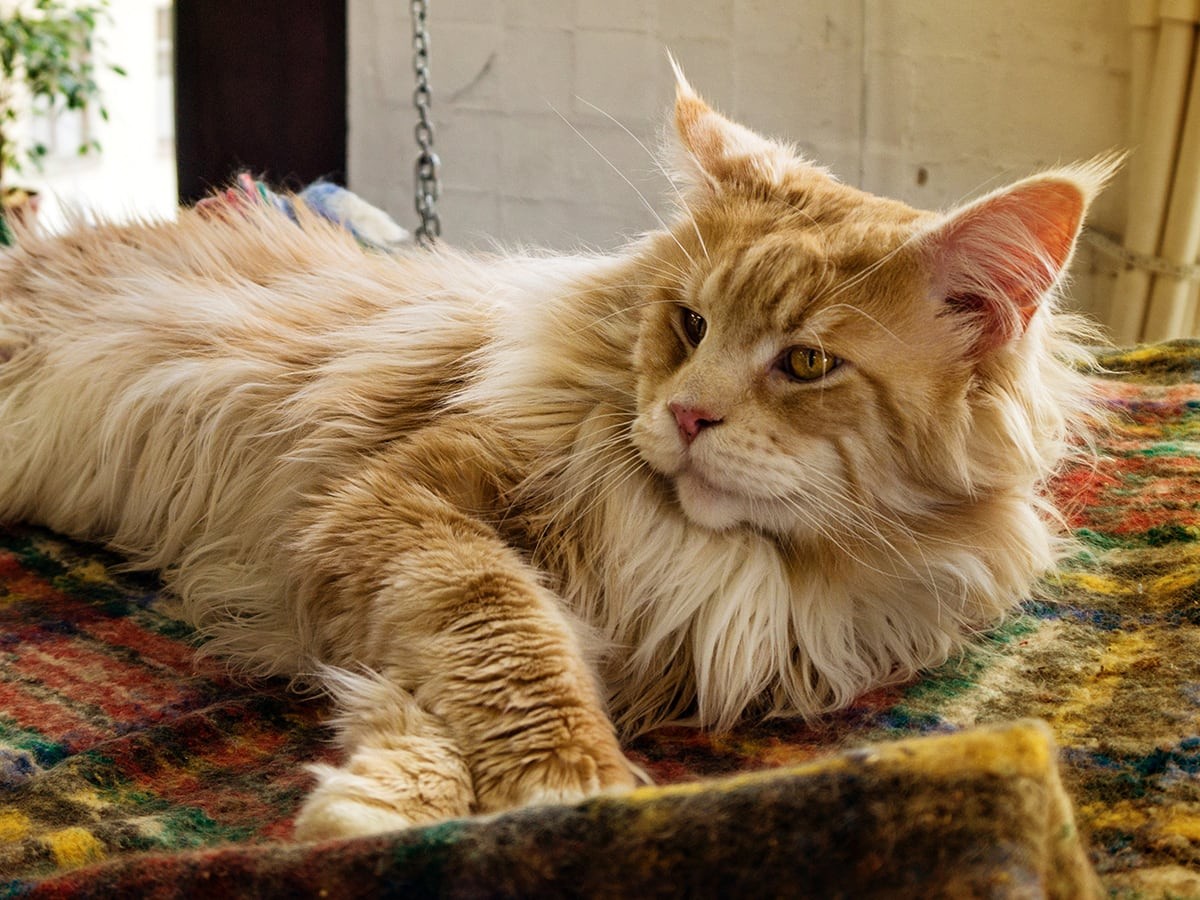
The Maine Coon’s coat is a marvel of natural engineering, designed for survival in their native climate. It is a semi-longhaired coat, dense and shaggy, with a silky texture that is resistant to water.
Coat Texture and Length
The fur is shorter on the shoulders and longer on the flanks and belly, creating a distinctive “skirt” effect. The chest often features a ruff, similar to that of a lion, which becomes more prominent in mature cats. The coat is less prone to matting than many other long-haired breeds, a testament to its unique structure. During warmer months, the coat can appear shorter and less dense.
Tail
The tail of a Maine Coon is a magnificent appendage, often described as a “plume.” It is long, bushy, and tapers slightly towards the tip. The tail should be as long as their body, from shoulder to base of the tail. This impressive tail serves as a warm wrap in cold weather, allowing the cat to snuggle into it for insulation. The sheer volume and length of the tail are significant indicators of the breed.
Behavioral Traits: The Gentle Giant’s Personality
Beyond their impressive physical presence, Maine Coons are equally distinguished by their unique personalities. They are known for their intelligence, sociability, and often, their rather dog-like behaviors.
Vocalizations
While many cats are known for their purrs and meows, Maine Coons often possess a distinct vocal repertoire. They are not typically loud or incessant meowers. Instead, they communicate with a variety of chirps, trills, and soft yowls, often sounding more like a bird than a cat. This gentle vocalization style contributes to their “gentle giant” persona. They tend to use their voice to express needs or to engage in conversation with their humans.
Sociability and Temperament
Maine Coons are famously sociable and affectionate. They often form strong bonds with their human families and enjoy being involved in household activities. Unlike some breeds that prefer solitary existence, Maine Coons are known for their desire to be near their people, often following them from room to room. They are also generally good with children and other pets, including dogs, due to their patient and tolerant nature. This laid-back temperament makes them excellent family companions.
Playfulness and Intelligence
These cats are highly intelligent and curious creatures. They enjoy interactive play and can often be trained to fetch, walk on a leash, or even perform simple tricks. Their playful nature extends well into adulthood, and they maintain a youthful exuberance throughout their lives. Providing them with puzzle toys and opportunities for mental stimulation is essential to keep them engaged and prevent boredom.
Water Affinity
An unusual trait for cats, many Maine Coons exhibit a fondness for water. They may enjoy playing with dripping faucets, watching water flow, or even dipping their paws into water bowls. This behavior is thought to stem from their origins near the coast of Maine, where they may have encountered water more frequently. This affinity for water is a fascinating characteristic that often surprises new owners.
Distinguishing from Other Breeds
While the aforementioned traits are strong indicators of a Maine Coon, it’s helpful to understand how they differ from other large or long-haired breeds.
Norwegian Forest Cats
Often confused with Maine Coons due to their similar size, build, and origin in cold climates, Norwegian Forest Cats have some key differences. Their head shape is more triangular, and their ears are set slightly lower on the head. Their coat, while also dense and water-repellent, tends to have a more pronounced undercoat and a slightly different texture. The tail of a Norwegian Forest Cat is typically less bushy and more uniformly coated.
Siberian Cats
Siberian cats are another large, long-haired breed that shares some similarities. However, their build is generally more rounded and “cobby” compared to the Maine Coon’s more rectangular frame. Their facial structure is also softer, with a less pronounced muzzle. While playful and affectionate, Siberians are often described as slightly more reserved than their Maine Coon counterparts.
Mixed Breeds
Many domestic long-haired cats can exhibit some Maine Coon-like traits, especially if they have distant ancestry. However, purebred Maine Coons will consistently display the combination of size, head shape, ear set, tail volume, and coat density in a pronounced manner. A mixed breed may have one or two of these characteristics, but rarely all of them to the same degree. Observing the overall conformation and consistency of traits is key.
Health Considerations and Lifespan
Understanding the typical health concerns and lifespan associated with Maine Coons is also part of appreciating the breed.
Common Health Issues
Like all breeds, Maine Coons are predisposed to certain genetic conditions. Hip dysplasia, a common ailment in large breeds, can affect them. Hypertrophic cardiomyopathy (HCM), a heart condition, is also a concern. Responsible breeders screen their cats for these conditions to minimize the risk in their lines. Polycystic kidney disease (PKD) is another condition that can be screened for. Regular veterinary check-ups are crucial for early detection and management of any potential health issues.
Lifespan
With proper care, nutrition, and veterinary attention, Maine Coons typically enjoy a long lifespan, often ranging from 10 to 13 years, and sometimes even longer. Their robust genetic makeup and adaptable nature contribute to their longevity. Providing a stimulating environment, a balanced diet, and plenty of affection will help ensure your Maine Coon lives a full and healthy life.
In conclusion, identifying a Maine Coon involves a holistic assessment of their physical magnificence and their engaging personality. From their impressive size and distinctive facial features to their uniquely textured coat and their famously gentle, sociable temperament, each characteristic weaves together the tapestry of this beloved breed. While a pedigree provides definitive proof, an informed observer can readily recognize the unmistakable presence of a Maine Coon, a true “gentle giant” gracing our lives with their majestic charm and affectionate companionship.
LifeOutOfTheBox is a participant in the Amazon Services LLC Associates Program, an affiliate advertising program designed to provide a means for sites to earn advertising fees by advertising and linking to Amazon.com. Amazon, the Amazon logo, AmazonSupply, and the AmazonSupply logo are trademarks of Amazon.com, Inc. or its affiliates. As an Amazon Associate we earn affiliate commissions from qualifying purchases.