
The allure of the majestic Maine Coon breed is undeniable. With their impressive size, shaggy coats, and gentle personalities, it’s no wonder many cat enthusiasts find themselves captivated by these gentle giants. If you’ve recently welcomed a new feline friend into your home or are considering it, you might be wondering if your furry companion possesses the noble lineage of a Maine Coon. Distinguishing a purebred from a mixed breed or a cat with similar traits can be a delightful endeavor, requiring keen observation of physical characteristics and behavioral patterns. This guide aims to equip you with the knowledge to confidently identify the tell-tale signs of a Maine Coon, from their distinctive physical attributes to their charming quirks.
Unpacking the Distinctive Physical Traits
Maine Coons are renowned for their substantial size and robust build, setting them apart from many domestic cat breeds. Their physical presence is often the first indicator that sparks curiosity. Understanding these key features can provide a strong foundation for identifying a Maine Coon.
Size and Build
One of the most striking features of a Maine Coon is their sheer size. They are one of the largest domesticated cat breeds, with males typically weighing between 15 to 25 pounds and females between 10 to 15 pounds. However, some individuals can grow even larger, reaching impressive weights. This substantial size is not due to being overweight but rather a naturally large bone structure and muscular physique. They possess a broad chest, a rectangular body shape, and a significant overall length. This robust build is a hallmark of the breed, developed through generations of adapting to the harsh New England climate.
Head and Facial Features
The head of a Maine Coon is a masterpiece of feline architecture. It’s medium-width and appears almost square-shaped when viewed from the front, with high cheekbones. Their muzzle is square and well-defined, giving them a distinct, almost stoic expression.
Eyes
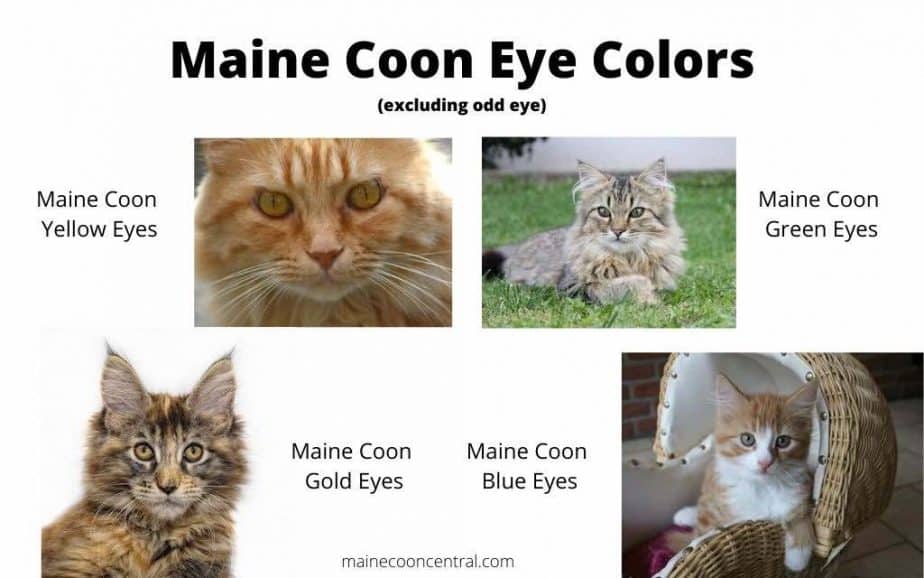
Maine Coon eyes are large and expressive, set wide apart and slightly slanted. The preferred eye color is typically green, gold, or copper, although blue eyes can be found in kittens and in cats with white or colorpoint coats. The shape of the eye is often described as oval or round, and they convey a sense of intelligence and curiosity.
Ears
The ears are another prominent feature, being large, wide at the base, and tapering to a point. They are set high on the head, and a defining characteristic of a purebred Maine Coon is the presence of ear tufts, often referred to as lynx tips. These tufts, which resemble those found on wild lynx, are not just decorative; they likely aided in keeping snow and debris out of their ears in their native habitat.
Coat and Tail
The Maine Coon’s coat is perhaps their most iconic attribute, designed for resilience against cold weather.
Coat Texture and Length
Their fur is a marvel of natural engineering, consisting of a dense, shaggy, and water-repellent outer coat that protects them from the elements, layered over a soft, fine undercoat. The fur is typically shorter on the shoulders and back and grows longer down their sides, belly, and hindquarters. This uneven distribution of fur creates a magnificent mane around their neck, especially pronounced in males during cooler months. The texture is silky and smooth to the touch, despite its apparent bushiness.
Tail Characteristics
The tail of a Maine Coon is a true spectacle. It is long, bushy, and well-furred, often described as a “raccoon-like” tail, which is thought to be the origin of their name. The tail is carried high and can be wrapped around their body for warmth, further emphasizing their adaptation to cold climates. The length of the tail is usually as long as their body from shoulder to the base of the tail.
Behavioral Quirks and Temperament
Beyond their impressive physical presence, Maine Coons are celebrated for their amiable and engaging personalities. Their temperament is often described as dog-like, and they tend to form strong bonds with their human families.
Sociability and Affection

Maine Coons are known for being exceptionally social and people-oriented. They enjoy being involved in household activities and will often follow their owners from room to room, observing with keen interest. They are not typically lap cats in the traditional sense, preferring to sit near their owners or on a nearby surface, but they are undeniably affectionate. They express their love through gentle nudges, head-butts, and purrs. Their presence is a comforting constant in a home.
Vocalizations
While many cat breeds are known for their frequent vocalizations, Maine Coons tend to be on the quieter side. However, when they do vocalize, it’s often a unique and charming sound. They are known for their soft chirps, trills, and meows, which they use to communicate their needs or to greet their humans. These gentle sounds are a far cry from the loud, demanding meows of some other breeds, adding to their endearing nature.
Playfulness and Intelligence
Despite their size, Maine Coons retain a playful spirit throughout their lives. They are intelligent and curious creatures, often enjoying interactive toys, puzzle feeders, and games of fetch. Their intelligence also means they can be trained to do simple tricks or to walk on a harness and leash, a trait that further blurs the lines between cat and dog behavior. They are problem-solvers and can often figure out how to open doors or cabinets if their curiosity is piqued.
Water Fascination
An unusual trait that many Maine Coons share is a fascination with water. Unlike most cats who avoid water at all costs, Maine Coons may be seen playing with dripping faucets, watching fish in aquariums with great interest, or even dipping their paws into water bowls. This peculiar interest is believed to stem from their breed’s history, where their water-repellent coat may have made playing in or around water less of a deterrent.
Distinguishing Features: Maine Coon vs. Similar Breeds
While the characteristics outlined above are strong indicators, it’s important to note that some other breeds and mixed breeds can exhibit similar traits. Understanding the subtle nuances can help solidify your identification.
The “Maine Coon Mix” Phenomenon
Many domestic long-haired cats, especially those with larger frames and fluffy coats, are often mistaken for Maine Coons or are affectionately referred to as “Maine Coon mixes.” These cats may share some physical traits, such as a larger build or a bushy tail, but lack the specific genetic markers of a purebred. It’s important to appreciate these magnificent mixed breeds for their unique qualities, even if they don’t strictly adhere to the breed standard.
Key Differentiators
When comparing a potential Maine Coon to other breeds or mixed breeds, focus on the combination of traits. For instance, a Siberian cat shares the long fur and robust build, but typically has a rounder face and different ear set. A Norwegian Forest Cat also boasts a similar size and coat, but often has a more triangular head shape. The distinct square muzzle, the extreme ear tufts, and the specific body proportions of the Maine Coon are usually the most reliable differentiators.
The Role of Genetics and Pedigree
For absolute certainty, particularly if you acquired your cat from a breeder, a pedigree is the definitive proof of a Maine Coon’s lineage. A pedigree is a document that traces a cat’s ancestry back several generations, listing their ancestors’ names and their own breed status.
Acquiring a Purebred Maine Coon
If you are intentionally seeking a purebred Maine Coon, it is crucial to acquire your kitten from a reputable breeder. These breeders adhere to strict breeding standards, ensuring the health and temperament of their cats. They will be able to provide you with documentation, including health clearances for common genetic conditions, and a pedigree for your kitten. Visiting the breeder’s facility and meeting the parent cats can also give you insight into the expected traits of the kittens.
Understanding Genetic Markers
While physical and behavioral traits are strong indicators, definitive identification of a purebred Maine Coon without a pedigree can be challenging. There are no readily available DNA tests for cat breeds in the same way there are for dogs. Therefore, relying on the comprehensive set of breed-specific characteristics remains the most practical approach for the average cat owner.
Appreciating All Felines
Ultimately, whether your cat is a purebred Maine Coon, a charming mix, or a completely different breed, their value lies in the love and companionship they bring to your life. The joy of having a feline friend is universal, and understanding their breed characteristics is a wonderful way to deepen your appreciation for their unique personalities and histories. The Maine Coon’s journey from the rugged wilderness of Maine to becoming a beloved household companion is a testament to their enduring appeal and their remarkable adaptation to life alongside humans.
LifeOutOfTheBox is a participant in the Amazon Services LLC Associates Program, an affiliate advertising program designed to provide a means for sites to earn advertising fees by advertising and linking to Amazon.com. Amazon, the Amazon logo, AmazonSupply, and the AmazonSupply logo are trademarks of Amazon.com, Inc. or its affiliates. As an Amazon Associate we earn affiliate commissions from qualifying purchases.